
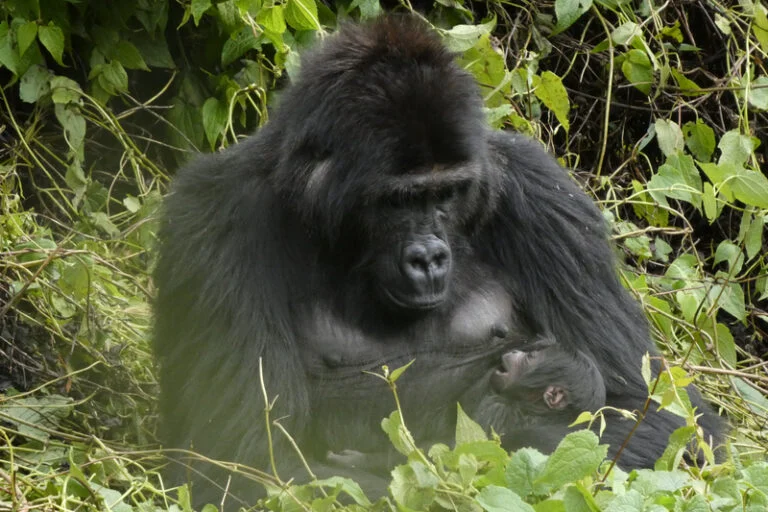
In a significant milestone for primate conservation, a Grauer’s gorilla named Lulingu, who was successfully reintroduced into the wild in 2024, has given birth to a healthy infant in the remote forests of Virunga National Park, Democratic Republic of Congo. This birth, confirmed in May 2026, serves as a beacon of optimism for conservationists struggling to preserve the world’s largest primate against the backdrop of persistent regional instability, habitat loss, and the looming threat of extinction. For the teams at the Gorilla Rehabilitation and Conservation Education (GRACE) Center, the event is not merely a biological success; it is a profound validation of years of intensive rehabilitation, monitoring, and advocacy efforts.
A Journey from Trafficking to Freedom
Lulingu’s life has been defined by the stark contrasts of the eastern DRC’s conservation landscape. Rescued from an illegal wildlife trafficking network in 2016 at just 18 months old, she was processed by the Congolese Wildlife Authority (ICCN) and the Gorilla Doctors. Her arrival at the GRACE sanctuary marked the beginning of a decade-long path toward rewilding.
The sanctuary, a 16-hectare facility designed to simulate the natural environment of the eastern lowland gorilla, provided Lulingu with more than just basic care. Under the guidance of surrogate "adoptive" gorilla mothers, she learned the complex social behaviors, foraging skills, and troop dynamics essential for survival. This period of socialization was crucial. Unlike captive animals kept in isolation, Lulingu was prepared for a life of autonomy. Her eventual release near Mount Tshiaberimu, a rugged and remote section of Virunga, was the culmination of a rigorous, multi-stage reintroduction protocol.
The Grauer’s Gorilla Crisis: A Species at the Brink
To understand the weight of this birth, one must look at the grim trajectory of the species. The Grauer’s gorilla (Gorilla beringei graueri) is endemic to the eastern DRC, a region that has served as the epicenter of a humanitarian and ecological crisis for three decades. Once numbering in the tens of thousands, the population has suffered a catastrophic collapse.
Data from the International Union for Conservation of Nature (IUCN) highlights the severity of the decline. In 1994, it was estimated that there were approximately 16,900 individuals. By 2015, that number had plummeted to roughly 3,800, representing a staggering 77% loss in just over two decades. The species was officially reclassified as critically endangered in 2016. The primary drivers of this decline—armed conflict, the expansion of artisanal mining, and industrial-scale deforestation—have created a fragmented landscape where the survival of even a single individual is a victory for genetic diversity.
Chronology of Reintroduction and Recovery
The path to Lulingu’s success follows a distinct timeline of institutional dedication:
- 2016: Lulingu is intercepted from wildlife traffickers at 18 months old and admitted to the GRACE facility.
- 2016–2023: A sustained period of rehabilitation, focused on socialization with peer groups and developing the necessary ecological instincts for life in the wild.
- 2024: After exhaustive health screenings and environmental assessments, Lulingu is released into the wild at Mount Tshiaberimu.
- May 2026: Lulingu is documented with a healthy infant, marking the first time a rehabilitated GRACE gorilla has successfully birthed and raised an offspring in the wild.
Official Perspectives on Conservation Success
Jackson Kabuyaya Mbeke, the country director of GRACE, underscored the emotional and scientific gravity of the event. "The baby and the mother are doing perfectly well. It really makes us happy. We are proud of her, it is also a bit of our success. Imagine, we knew her as a baby, we watched her grow, be rehabilitated and now she is a mother," Mbeke stated.
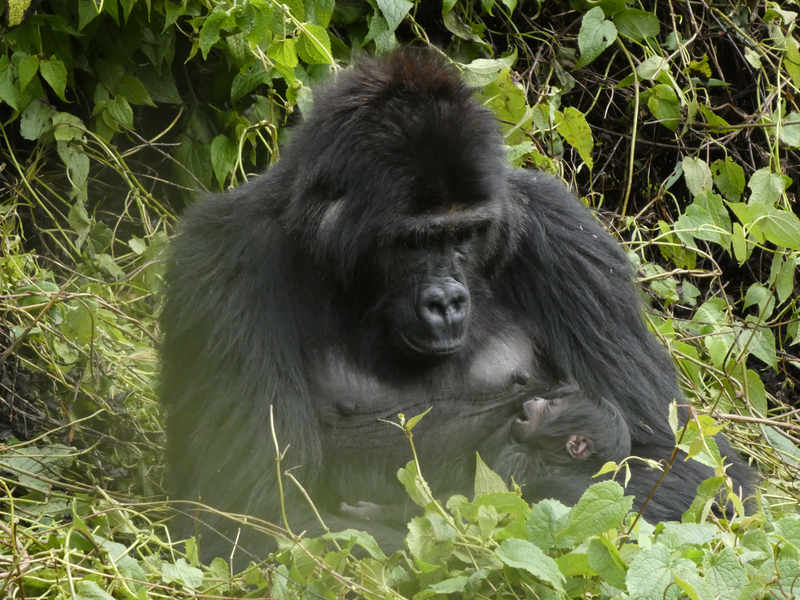
Beyond the personal connection, Mbeke emphasized the institutional mandate. The goal of the GRACE sanctuary has never been permanent captivity; rather, it is a transit point for recovery. "The fact that Lulingu has had a baby is a sign that she has adapted well to life in the wild," he noted. "By reintroducing them into the wild, we also hope to repopulate forests that have been stripped of their wildlife." This success has emboldened the organization to accelerate its planning for future releases, provided the environmental conditions remain stable enough to support such an endeavor.
The Shadow of Conflict and Security
While the birth provides a morale boost, the reality for Virunga National Park remains precarious. The region has been embroiled in cycles of violence since the 1994 Rwandan genocide, leading to a proliferation of armed militias. The recent escalation involving the M23 rebel group, which has occupied significant swaths of the park since early 2025, has introduced new, lethal pressures on the local biodiversity.
The presence of armed groups often facilitates an uptick in poaching, as these groups hunt for bushmeat to sustain their operations. Furthermore, illegal charcoal production and land clearing for mining often occur in the ungoverned spaces created by conflict. Conservationists are forced to navigate these "red zones," where the safety of both the wildlife and the rangers is constantly at risk. Despite these dangers, the commitment of organizations like GRACE and the ICCN remains unwavering, as they recognize that if these protected areas are abandoned, the Grauer’s gorilla will likely face local extinction within a generation.
Engaging Local Communities
In an effort to foster long-term stewardship of the gorillas, conservationists are taking a community-centric approach to the newborn. Recognizing that the survival of the species is inextricably linked to the support of the people living on the park’s periphery, the management team at GRACE has initiated a public naming campaign.
By inviting local community members to suggest names for the infant and participate in a public vote, the organization aims to build a sense of collective ownership and pride. The reveal of the name during a public ceremony is intended to strengthen the social contract between the park and the surrounding villages, reinforcing the idea that the gorilla is a vital part of the region’s heritage and a potential engine for future sustainable development, such as eco-tourism.
Implications and Future Outlook
The birth of Lulingu’s infant provides more than just a momentary headline; it offers a test case for rewilding strategies in conflict-prone areas. The success demonstrates that captive-reared individuals can successfully reintegrate into the wild, provided the initial rehabilitation is sufficiently robust. However, the broader implication is sobering: while individual births are cause for celebration, they are insufficient to offset the systemic loss caused by habitat destruction and poaching.
The future of the Grauer’s gorilla depends on a two-pronged approach: the continued, high-risk work of individual rescue and reintroduction, and the massive geopolitical task of stabilizing the eastern DRC. Without a cessation of the armed conflicts that plague the Kivu provinces, the habitat required for these primates to thrive will continue to shrink.
For now, the team at GRACE is focused on the immediate future—monitoring the mother and infant, ensuring their safety, and preparing for the next potential release. As the international conservation community watches, the small, quiet victory at Mount Tshiaberimu serves as a stark reminder of the resilience of nature, even when forced to survive amidst the turbulence of human warfare. The survival of this single infant represents a tiny, but essential, step toward stabilizing a species that has been pushed to the very edge of existence.
