
The Operational Necessity of the Canine Decoy Program
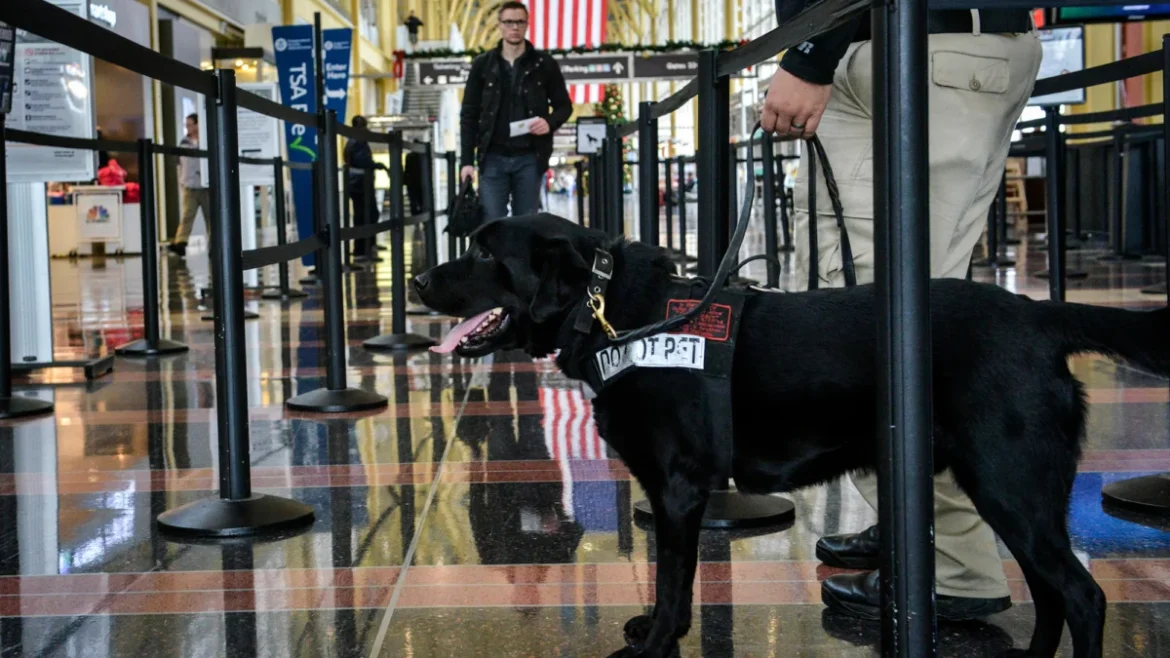
The efficacy of the TSA’s explosive detection canine teams relies on constant, rigorous training. These teams, which include a canine and a handler, must be prepared to operate effectively amidst the chaotic and unpredictable nature of modern air travel. The Canine Decoy Program was established to provide the necessary complexity for this training. By introducing individuals who act as "passengers" while carrying inert, non-hazardous training materials, the TSA can simulate the specific environmental pressures and olfactory challenges that these dogs encounter on a daily basis.
The training is not merely a rehearsal; it is a high-stakes simulation designed to test the dog’s ability to discriminate between benign items and potential threats. For the canine, the search is a game, but for the agency, it is a vital layer of defense. These teams are tasked with detecting a wide range of explosive materials, often in environments where the scent profile is complicated by perfumes, food, industrial cleaning agents, and the sheer volume of human traffic. The use of volunteer decoys allows handlers to introduce new variables and refine the dogs’ search patterns in a way that static training aids cannot replicate.
A Chronology of the TSA Canine Development
The integration of explosive detection canines into the American aviation security apparatus has evolved significantly over the past two decades. Following the events of September 11, 2001, the federal government placed a renewed emphasis on multi-layered security protocols. The TSA began systematically scaling its canine program to address the vulnerabilities inherent in airport ticketing lobbies and security checkpoints.
In the mid-2000s, the agency shifted from relying solely on local law enforcement partnerships to developing a robust, internally managed canine training center. The establishment of the TSA Canine Training Center (CTC) in San Antonio, Texas, marked a turning point in the program’s history. The facility serves as the primary hub for the breeding, training, and deployment of detection canines. As the threat landscape evolved to include more sophisticated improvised explosive devices (IEDs), the training curriculum was updated to reflect these changes, necessitating more frequent and realistic field testing, which eventually led to the formalization of the public-facing decoy program.
Understanding the Role of the Volunteer Decoy
For those interested in participating, the process is straightforward but requires a high degree of commitment to the security protocols involved. A volunteer decoy essentially functions as a participant in a live, tactical drill. Upon arrival, participants are briefed on their roles. They may be tasked with carrying specific training items—which simulate the presence of prohibited materials—and traversing various sections of the airport, such as ticketing counters, baggage claim areas, or the perimeter of the security screening checkpoint.
The objective is for the decoy to act as a normal traveler, blending into the crowd to minimize the predictability of the training exercise. The canine team then navigates the area, with the dog tasked to alert its handler upon detecting the scent of the training material. This process is repeated throughout the shift, allowing the trainer to observe the canine’s behavior, the handler’s responsiveness, and the overall team efficiency.
Eligibility, Requirements, and Participation Logistics
To maintain the integrity of the training, the TSA has established specific eligibility criteria for volunteers. Participants must be at least 18 years of age. While the agency encourages public participation, minors are permitted only when accompanied by an adult, and their involvement is restricted to ensure safety and protocol adherence.
From a physical standpoint, the program is accessible. While volunteers must be capable of moving through the airport environment, the TSA explicitly welcomes individuals who use wheelchairs or other mobility aids. This inclusion is not merely a matter of accessibility; it is a tactical advantage. By having a diverse range of volunteers, the dogs are exposed to a wider variety of scenarios, ensuring that they do not develop biases or patterns based on human movement or specific demographics. A typical volunteer session lasts between two and three hours, making it a manageable commitment for those interested in supporting national security initiatives.
Data-Driven Security: The Science of Canine Detection
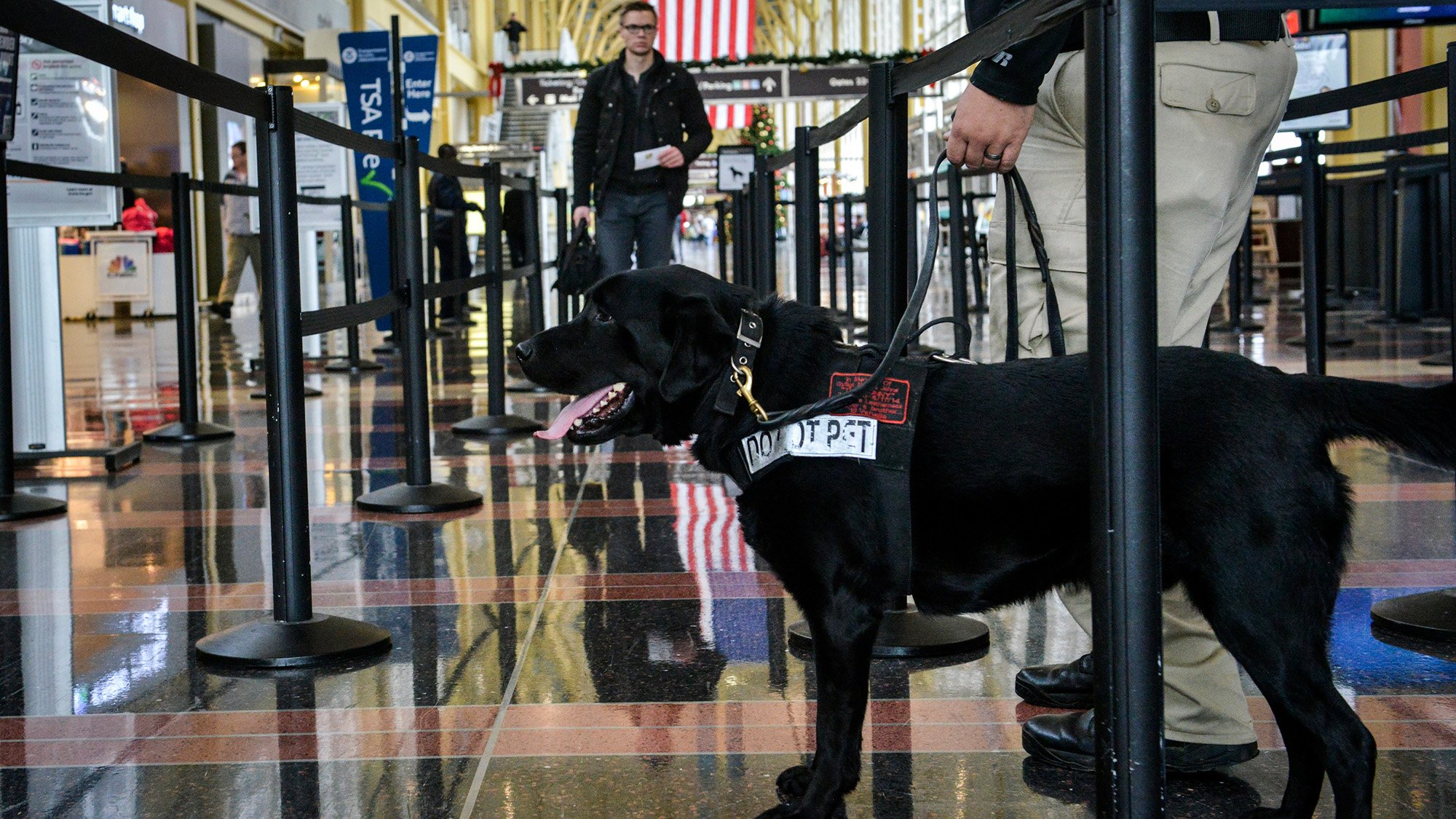
The reliance on canine teams is backed by extensive research into the olfactory capabilities of dogs. A canine’s sense of smell is estimated to be between 10,000 and 100,000 times more sensitive than that of a human. In the context of airport security, this capability is leveraged to create a mobile, flexible, and highly accurate detection system.
Data from the TSA indicates that canine teams significantly decrease the time required for threat detection compared to traditional screening technologies. Furthermore, the presence of these dogs acts as a psychological deterrent. According to internal reports, the efficiency of a canine team is measured by its "find rate" and "false alert rate." The decoy program is the primary tool for keeping these metrics within optimal parameters. By consistently introducing new decoys and training scenarios, the agency ensures that the dogs do not become "stale" or reliant on specific cues from their handlers, a phenomenon known as the Clever Hans effect, where an animal responds to unintentional physical signals from the trainer rather than the target odor.
Official Perspectives and Public Engagement
The TSA views the decoy program as a bridge between the agency and the public. By involving citizens in the training process, the agency fosters a deeper understanding of the measures taken to protect the aviation sector.
"The participation of the public in our training exercises is invaluable," stated a representative from the TSA’s Canine Division. "It allows our teams to work in a dynamic, real-world environment that simply cannot be replicated in a classroom or a closed training facility. Every time a volunteer participates, they are contributing to the safety of the millions of passengers who travel through our airports every year."
The agency also maintains a high level of engagement through its "Cutest Canine" contest, which helps humanize the working dogs and raises awareness for the program. The 2026 winner, a German shorthaired pointer named Bolt, serves as a high-profile ambassador for the program, with his image appearing on the upcoming 2027 calendar. These efforts ensure that while the work of the K9 teams is serious, the agency remains accessible and transparent about its methods.
Broader Implications for Airport Security
The implications of the canine decoy program extend beyond individual training sessions. As global travel continues to increase, the pressure on security infrastructure to process passengers efficiently while maintaining a high security posture is immense. Canine teams are uniquely positioned to address this, as they can screen large crowds in real-time without requiring passengers to remove shoes, electronics, or liquids.
By refining the training of these dogs through the decoy program, the TSA is investing in a future where security is less invasive and more effective. The ability to deploy canine teams rapidly to different parts of an airport—or even between different airports—provides a level of operational flexibility that stationary security equipment cannot match. As technology continues to evolve, it is likely that the synergy between human-canine teams and advanced detection sensors will become the cornerstone of modern transportation security.
For those looking to contribute to this effort, the TSA’s volunteer portal provides localized information on upcoming training dates and specific site requirements. It is a rare opportunity to witness firsthand the sophisticated training and dedication required to keep the nation’s skies secure, while also playing a small, yet vital, role in that mission. The program stands as a testament to the fact that even in the most technologically advanced security environments, the keen nose of a well-trained dog remains one of the most effective tools in the arsenal of national defense.
