The music industry is turning its collective gaze toward Los Angeles this September, as the 2026 MTV Video Music Awards (VMAs) prepare to take over the Peacock Theater on September 27. With legendary rapper Snoop Dogg tapped to host the proceedings, the anticipation surrounding the ceremony has reached a fever pitch. While the evening promises a spectacle of musical performances and high-profile tributes, the focus remains firmly on a competitive landscape dominated by industry titans, including Madonna, Taylor Swift, and Sabrina Carpenter.
A New Era of Competition: The 2026 Nominations
This year’s nominations reflect a dynamic shift in the pop music landscape, blending the enduring influence of legacy artists with the rapid ascent of modern streaming powerhouses. Madonna, making her first VMA performance appearance in over two decades, leads the pack with 13 nominations. Her return to the stage serves as a bridge between the VMA’s historic past—defined by her genre-defying visual storytelling—and the current generation of performers.
Hot on her heels is Taylor Swift, who enters the ceremony with 11 nominations. Swift’s inclusion is particularly notable as she has been named the inaugural recipient of the Artist Director Honors, a testament to her increasing involvement in the visual and conceptual direction of her music videos. The buzz surrounding her upcoming "Patient Zero" music video suggests that her influence on the awards show will extend well beyond her current nominations, potentially setting the stage for future VMA benchmarks.
The breadth of this year’s talent is further evidenced by the remaining lead nominees: Sabrina Carpenter follows with nine nods, Ariana Grande with eight, and Bruno Mars with six. The inclusion of diverse acts such as PinkPantheress, Zara Larsson, Charli xcx, and the group KATSEYE underscores the VMA’s ongoing effort to reflect a globalized music market. Furthermore, the selection of Nirvana for the prestigious Video Vanguard Award serves to ground the night in rock history, honoring a legacy that helped define the very concept of the "music video" as an art form in the 1990s.
Chronology of the MTV VMAs: From Subculture to Global Phenomenon
Since its inception in 1984, the MTV Video Music Awards has served as a cultural barometer for the music industry. The inaugural show, held at Radio City Music Hall, was designed to celebrate the rising importance of music videos as promotional and artistic tools. Over the last four decades, the ceremony has evolved from a niche industry event into a global broadcast event that attracts millions of viewers.
The 1990s and early 2000s marked a transition period where the show became synonymous with "the moment." Iconic events, such as the 1998 appearance of Lil Kim in her lilac ensemble and the 2000s era of provocative fashion—exemplified by Britney Spears’ 2002 shift from bubblegum pop to a mature, edgy aesthetic—solidified the show’s reputation as a venue for artistic reinvention.
The mid-2010s represented another pivot, characterized by high-concept hosting duties and elaborate stage designs. Miley Cyrus’s 2015 stint as host, featuring a Versace crystal ensemble, signaled a move toward more "commanding and provocative" visual presentations, as described by her stylist Simone Harouche. This period reinforced the idea that for an artist, the VMAs are as much about the red carpet narrative as they are about the musical accolades.
Fashion as Political and Social Commentary
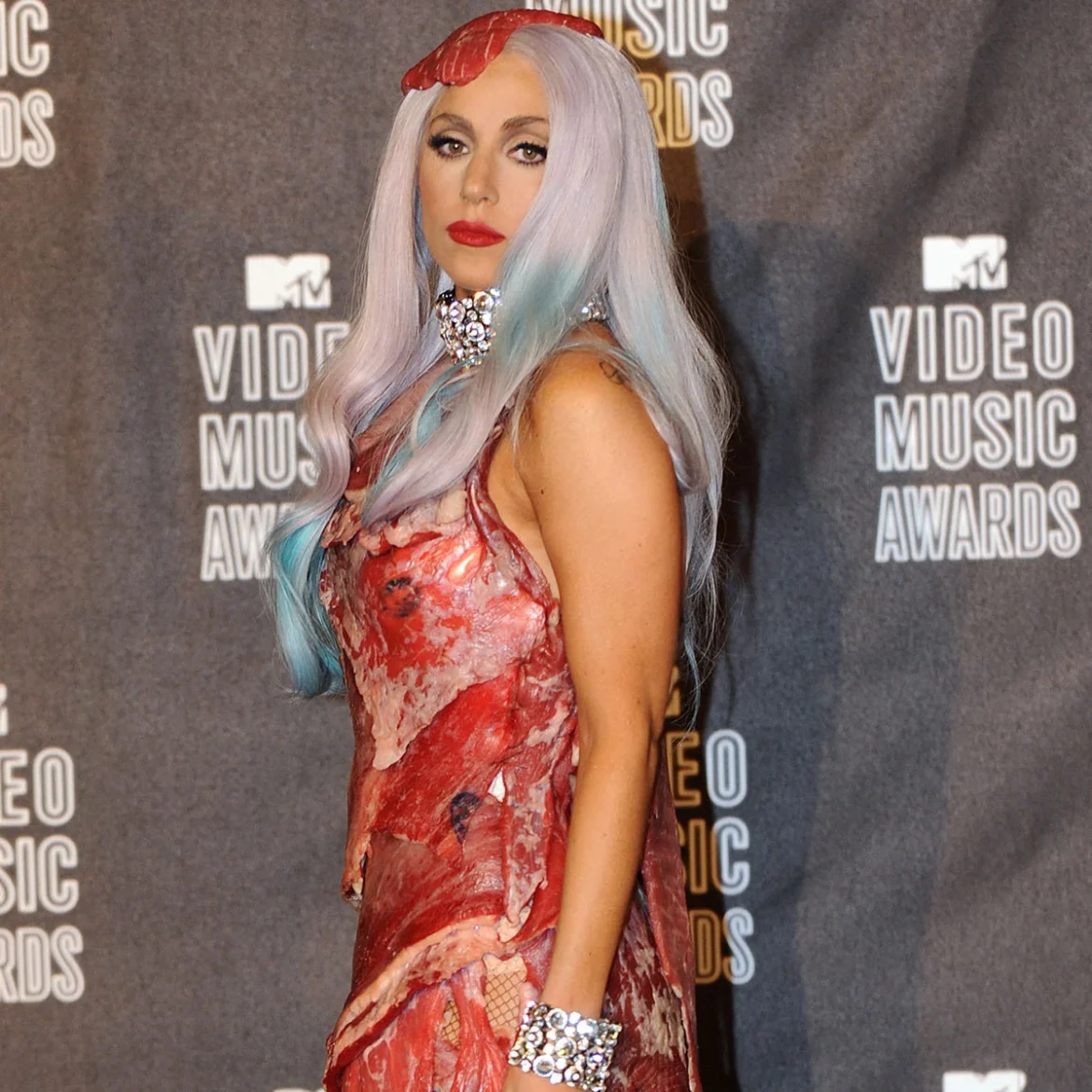
The VMA red carpet has historically served as a platform for artists to project political or social statements, most famously illustrated by Lady Gaga’s 2010 "meat dress." While often discussed in the context of avant-garde fashion, the garment was intentionally designed to draw attention to the "Don’t Ask, Don’t Tell" policy in the U.S. military. Gaga’s reflection on the ensemble—noting that the dress was a constructed garment rather than a simple drape of raw material—highlights the intersection of high-fashion engineering and social protest.
This tradition of using attire as a medium for messaging continues to the present day. From Justina Valentine’s rainbow-colored jumpsuit to the "nude illusion" trends popularized by Megan Fox and Tinashe, the red carpet remains an arena where performers challenge normative expectations of celebrity presentation. The rigorous planning behind these looks—often involving teams of stylists, seamstresses, and creative directors—highlights the logistical scale of the modern VMA red carpet, which now functions as a primary driver of social media engagement and viral marketing.
Analysis: The Evolution of the Music Video Medium
The significance of the 2026 VMAs lies in the changing nature of the music video itself. In the 1980s and 1990s, the video was a linear narrative designed for television rotation. Today, the "video" exists as a fragmented, multi-platform asset designed for rapid consumption on platforms like TikTok and YouTube. The inclusion of artists like Charli xcx and the inclusion of the Artist Director Honors acknowledges that visual storytelling is now a multifaceted discipline involving short-form content, aesthetic "Easter eggs," and interactive digital campaigns.
The data suggests that the VMAs remain a vital commercial engine. Historically, a VMA win or a high-profile performance leads to a measurable spike in streaming numbers and digital sales. By honoring artists like Taylor Swift for "Director" roles, MTV is validating the shift toward artists who maintain total creative control over their visual output.
Official Responses and Industry Outlook
While MTV has not released specific viewer projections for the 2026 ceremony, industry analysts expect a high turnout due to the star-studded lineup and the return of legacy artists to the main stage. The choice of the Peacock Theater, a venue known for its intimate yet high-tech production capabilities, suggests a focus on broadcast quality over sheer capacity.
"The VMAs have always been about the convergence of music, fashion, and social commentary," said a spokesperson for the production team. "With hosts like Snoop Dogg and the level of engagement we are seeing from nominees like Madonna and Swift, the goal is to create a seamless experience that honors the history of the medium while embracing the digital-first reality of 2026."
Broader Implications for the Music Industry
The 2026 MTV Video Music Awards arrive at a time of consolidation within the music industry. As labels and streaming platforms look for ways to maximize the reach of their artists, the VMAs remain one of the few remaining "watercooler" moments in pop culture. The ceremony’s ability to balance the prestige of the Video Vanguard Award with the viral potential of a red carpet "look" is key to its longevity.
Furthermore, the 2026 show will likely serve as a case study for how legacy awards ceremonies adapt to a decentralized media environment. By prioritizing direct artist-to-fan interactions and elevating the behind-the-scenes work of performers, the VMAs are positioning themselves as a essential component of an artist’s career cycle. Whether it is a career-defining performance or a bold stylistic choice on the red carpet, the 2026 MTV Video Music Awards are poised to continue the event’s tradition of shaping the cultural conversation, one viral moment at a time. As the industry prepares for September 27, the focus remains on whether this year’s nominees can deliver the kind of cultural impact that has defined the VMAs for nearly half a century.