
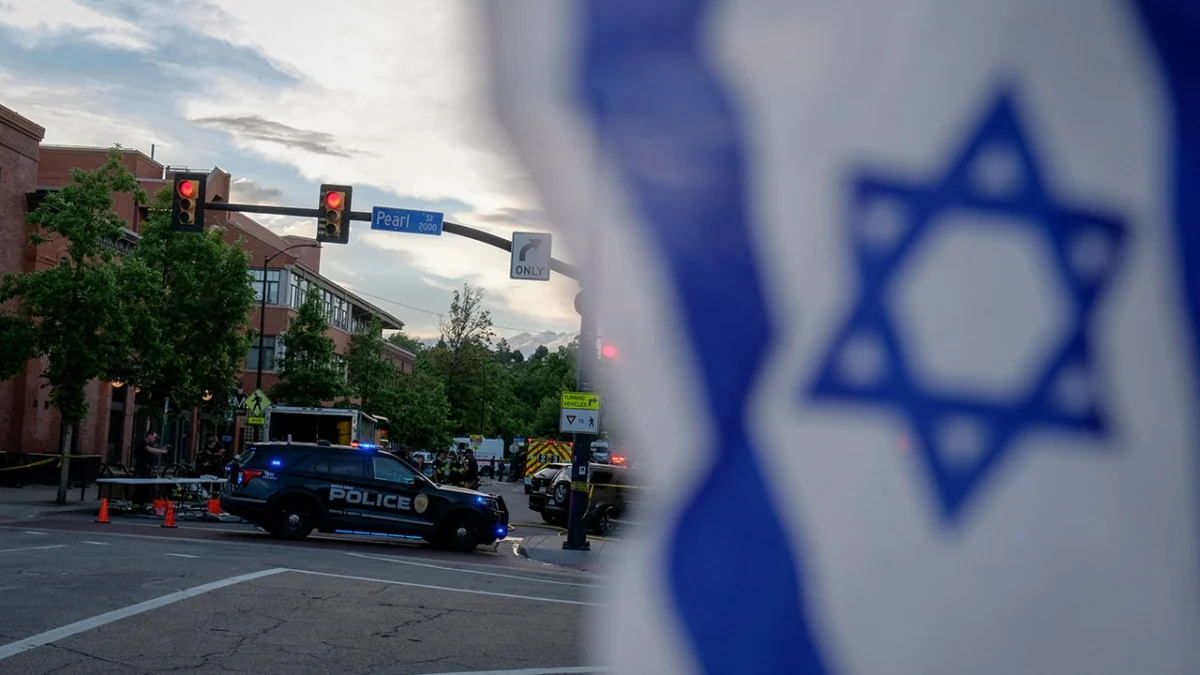
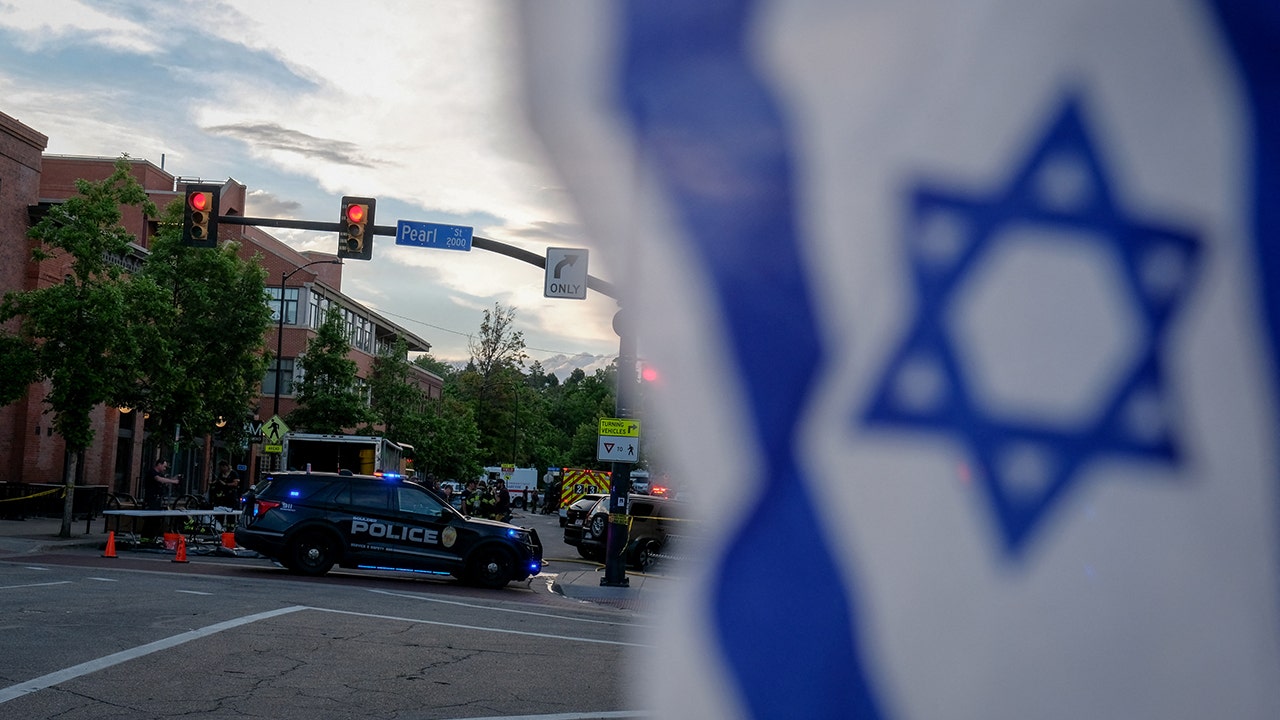
A suspect is currently in custody following a distressing incident on Thursday afternoon in Manhattan’s Upper West Side, where two men were reportedly stabbed in what city officials have described as an "antisemitic stabbing." The New York City Police Department (NYPD) confirmed the apprehension but has yet to publicly identify a motive or classify the attacks as a hate crime, pending further investigation. This event unfolds against a backdrop of escalating antisemitic incidents across New York City and heightened tensions in Jewish communities globally, particularly exacerbated by ongoing conflict in the Middle East.
Chronology of a Targeted Attack
The violent acts unfolded near the intersection of West 84th Street and Central Park West, an area known for its significant Jewish population. The NYPD’s preliminary reports indicate that the two victims were attacked in what appeared to be separate, but closely timed, incidents.
The first victim, a 57-year-old man, was reportedly assailed shortly after 1:30 p.m. local time near the aforementioned intersection. Responding officers found him conscious and alert, suffering from a stab wound to his back. Emergency medical services swiftly transported him to a nearby hospital, where his condition was reported as stable.
Investigators, while canvassing the vicinity, subsequently located a second victim, a 50-year-old man, also bearing a stab wound to his torso. He too was found conscious and alert, and like the first victim, was transported to a local medical facility in stable condition. The precise weapon used in the attacks remains under investigation, with initial reports from WABC suggesting police are examining whether a knife or a screwdriver was employed. The rapid response of the NYPD led to the swift apprehension of a suspect, whose identity and charges have not yet been released. This prompt action, however, offered a measure of immediate relief to a community deeply shaken by the sudden eruption of violence.
Official Reactions and Community Outcry
The incident immediately drew strong condemnation from city leaders, highlighting the pervasive concern over antisemitism. New York City Council Speaker Julie Menin, whose district includes parts of the Upper West Side, was among the first to voice her outrage. "I am absolutely sickened and furious by what appears to be an antisemitic stabbing on the Upper West Side," Menin stated in a post on X, formerly Twitter. She further emphasized the palpable fear within the Jewish community, asserting, "The fear in the Jewish community is real. Every New Yorker deserves to feel safe in their neighborhood, regardless of their faith or identity." Menin concluded her statement by thanking the NYPD for its "swift response in apprehending the assailant" and reiterated the call for unity in condemning antisemitism and ensuring full accountability for those responsible.
Assembly Member Micah Lasher, a Jewish representative for the area, also confirmed his immediate engagement with law enforcement and community leaders. "I am in touch with the NYPD and community leaders about the stabbing of two individuals on the Upper West Side today," Lasher shared, adding, "The NYPD responded immediately and has apprehended a suspect. I am praying for the survival and recovery of the victims and will provide more information as I have it."
These official responses underscore the gravity with which city leaders view such incidents, particularly given the current climate. The immediate categorization by city officials as "antisemitic" reflects a growing recognition of the specific threats faced by Jewish residents and the need for a strong, unequivocal stance against hate.
The Broader Context: A Surge in Antisemitism
The stabbings in the Upper West Side are not isolated incidents but rather symptomatic of a disturbing trend. New York City, a vibrant metropolis celebrated for its diversity, has recently witnessed a significant surge in antisemitic incidents. Data from the NYPD’s Hate Crime Task Force has shown a dramatic increase in antisemitic acts, even as other categories of crime have reached record lows in certain periods. For instance, reports from late 2023 indicated that antisemitic incidents in NYC had nearly tripled compared to the previous year, a stark contrast to overall crime trends. This alarming rise has been widely documented by organizations like the Anti-Defamation League (ADL), whose annual audits consistently highlight New York as a hotspot for antisemitic activity.

The backdrop of conflict in the Middle East has profoundly impacted Jewish communities globally, including those in New York. The geopolitical tensions have often translated into heightened local animosity, leading to an increase in hate speech, vandalism, harassment, and physical assaults targeting Jewish individuals and institutions. Synagogues, Jewish community centers, and other Jewish spaces have consequently been on high alert, implementing enhanced security measures and increasing vigilance against potential threats.
This environment of fear has necessitated the proactive involvement of specialized security organizations. Magen Am, a Jewish-run nonprofit, stands out as a key player in community security efforts. Their mission focuses on providing security training, strategic guidance, and protective services to Jewish communities, particularly in times of heightened threat. Organizations like Magen Am work closely with law enforcement to ensure that synagogues and other vital community hubs are safeguarded, offering a crucial layer of protection in an era where Jewish institutions are increasingly seen as targets. Their work ranges from training community members in self-defense and emergency response to coordinating with local police precincts for increased patrols and surveillance around Jewish holidays and significant events.
Hate Crime Investigation and Legal Implications
While city officials were quick to label the Upper West Side stabbings as "antisemitic," the NYPD’s formal investigation into whether the attacks constitute a hate crime is ongoing. The distinction is crucial under New York State law. A hate crime designation carries significant legal implications, potentially leading to enhanced penalties for offenders. For an incident to be prosecuted as a hate crime, investigators must prove that the perpetrator was motivated, in whole or in substantial part, by bias against a protected group, such as religion. This often requires gathering evidence of the perpetrator’s statements, affiliations, or prior actions.
The NYPD Hate Crime Task Force, a specialized unit, will lead this aspect of the investigation, meticulously collecting evidence, interviewing witnesses, and examining any potential digital footprints of the suspect. If the evidence supports a hate crime charge, the perpetrator could face more severe sentencing compared to standard assault charges, reflecting society’s condemnation of crimes motivated by bigotry. The outcome of this investigation will send a powerful message about the city’s commitment to protecting its diverse communities from targeted violence.
Community Resilience and Enhanced Security Measures
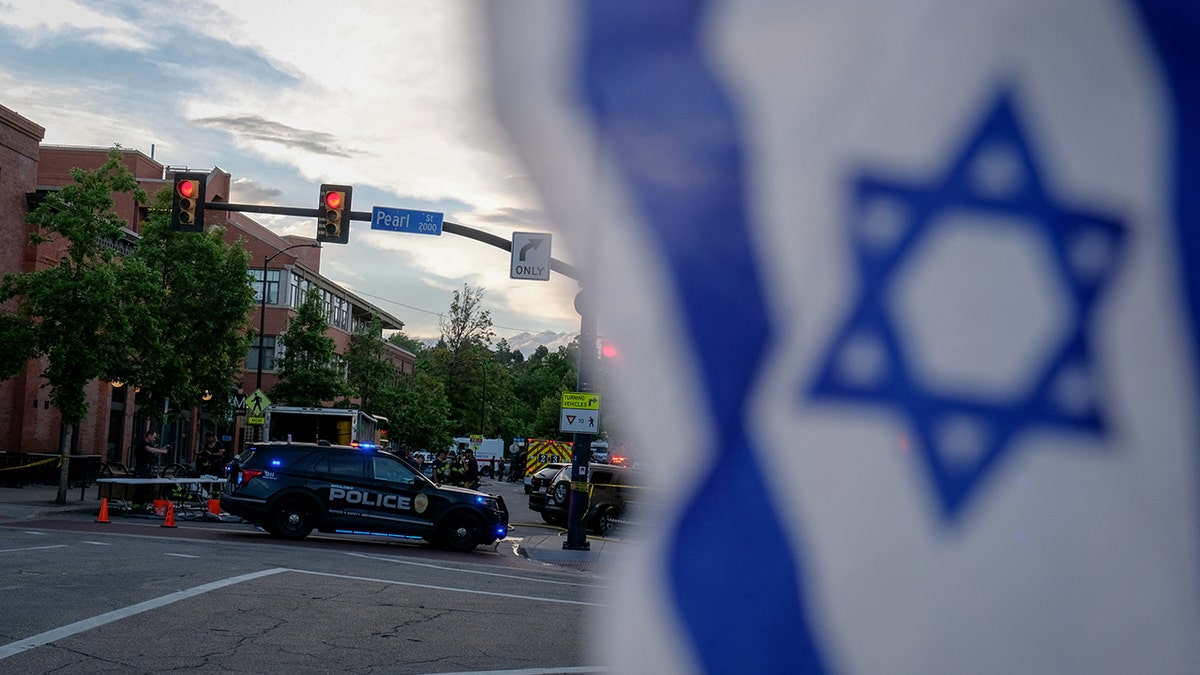
In the wake of such incidents, the Jewish community often responds with a blend of grief, anger, and unwavering resilience. There is typically a reinforced commitment to solidarity and a renewed focus on community safety. Local synagogues and Jewish organizations frequently review and bolster their security protocols, which may include increasing security personnel, installing advanced surveillance systems, and conducting security drills.
Beyond physical security, there is an emphasis on community support and advocacy. Organizations like the Jewish Community Relations Council (JCRC) and the ADL actively engage with law enforcement and public officials to ensure that the concerns of the Jewish community are heard and addressed. They advocate for stronger anti-hate legislation, increased funding for security initiatives, and educational programs aimed at combating prejudice and promoting interfaith understanding. The stabbings will undoubtedly catalyze further discussions on how to effectively protect vulnerable communities while upholding the values of an open and inclusive society.
A National and International Echo
The rise of antisemitism is not confined to New York City. Reports from across the United States and Europe indicate a concerning spike in antisemitic acts, making the calls for action increasingly urgent. In Europe, where historical memories of antisemitism run deep, the situation has been described as "enormously painful," with many Jewish communities experiencing unprecedented levels of fear and insecurity. The global nature of this phenomenon underscores the interconnectedness of communities and the need for international cooperation in confronting hate.
The Upper West Side incident serves as a grim reminder that despite efforts to foster tolerance and understanding, the battle against antisemitism remains a pressing challenge. It highlights the critical importance of swift law enforcement action, robust legal frameworks to prosecute hate crimes, and ongoing community-led initiatives to promote safety and combat prejudice. As the investigation into Thursday’s stabbings continues, the city and its residents stand united in condemning hate and striving to ensure that all New Yorkers can live free from fear, regardless of their faith or identity. The recovery of the victims and the pursuit of justice for this brazen act will remain at the forefront of the community’s concerns as it navigates these challenging times.

