
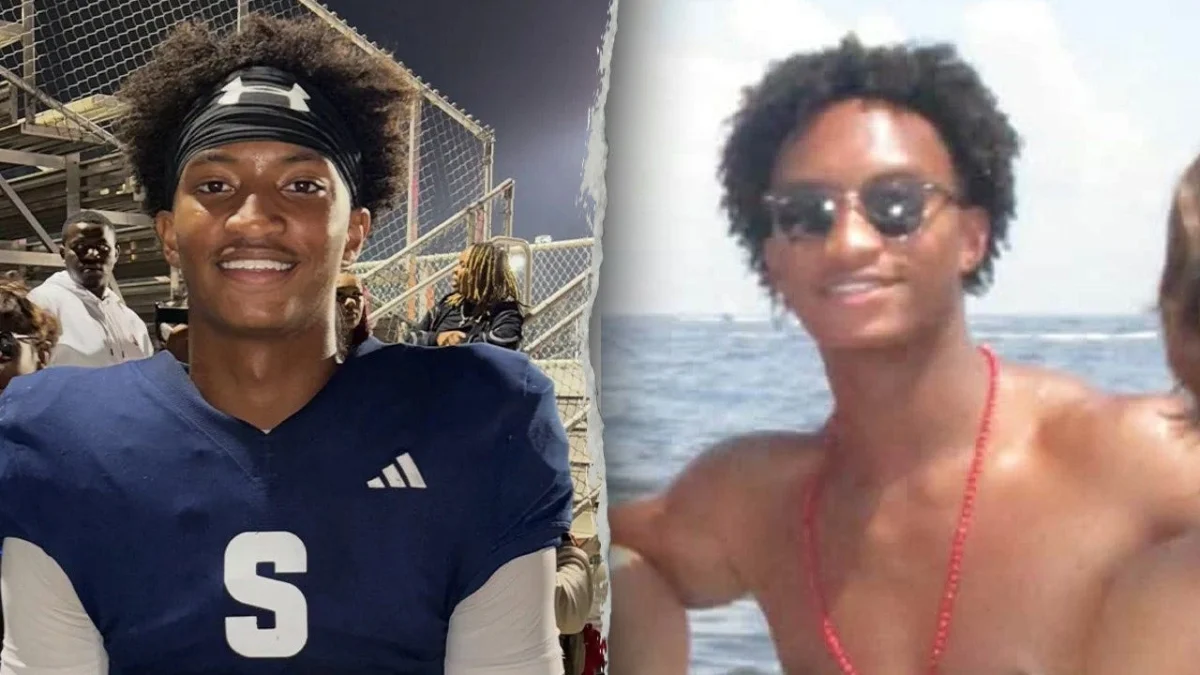
The tragic death of 18-year-old Nolan Wells, a promising football player from Mississippi, has ignited a fierce debate between national civil rights advocates and local state officials, with accusations of "dereliction of duty" casting a shadow over the ongoing investigation. On Wednesday morning, the National Association for the Advancement of Colored People (NAACP) leveled severe criticisms against Mississippi law enforcement and state officials, contending that they have failed to adequately handle the case following Wells’ mysterious disappearance and the subsequent discovery of his remains. This escalating tension comes as new details from an independent autopsy, announced by prominent civil rights attorney Ben Crump, have fueled calls for greater transparency and accountability, even as local officials vehemently defend their integrity and the thoroughness of their investigative processes.
The initial news conference, where attorney Ben Crump revealed the findings of an independent autopsy, served as the platform for NAACP President Derrick Johnson to articulate his organization’s grave concerns. Johnson’s statements were direct and unequivocal: "We’re not accusing anyone of anything other than the state of Mississippi and local officials. We’re accusing them of being derelict in their duties." The core of the NAACP’s demand is a comprehensive and impartial investigation, ensuring that the Wells family and the broader community receive conclusive answers and that any individuals found responsible are held accountable. This accusation implies a perceived failure on the part of authorities to pursue all possible investigative avenues or to maintain the necessary diligence required for a case of such public concern, particularly one involving the death of a young Black man. The NAACP’s involvement underscores a historical pattern of advocacy in cases where questions arise regarding fairness, equity, and the thoroughness of official investigations, especially when trust in local authorities may be strained.
The Disappearance and Discovery: A Timeline of Nolan Wells’ Last Days
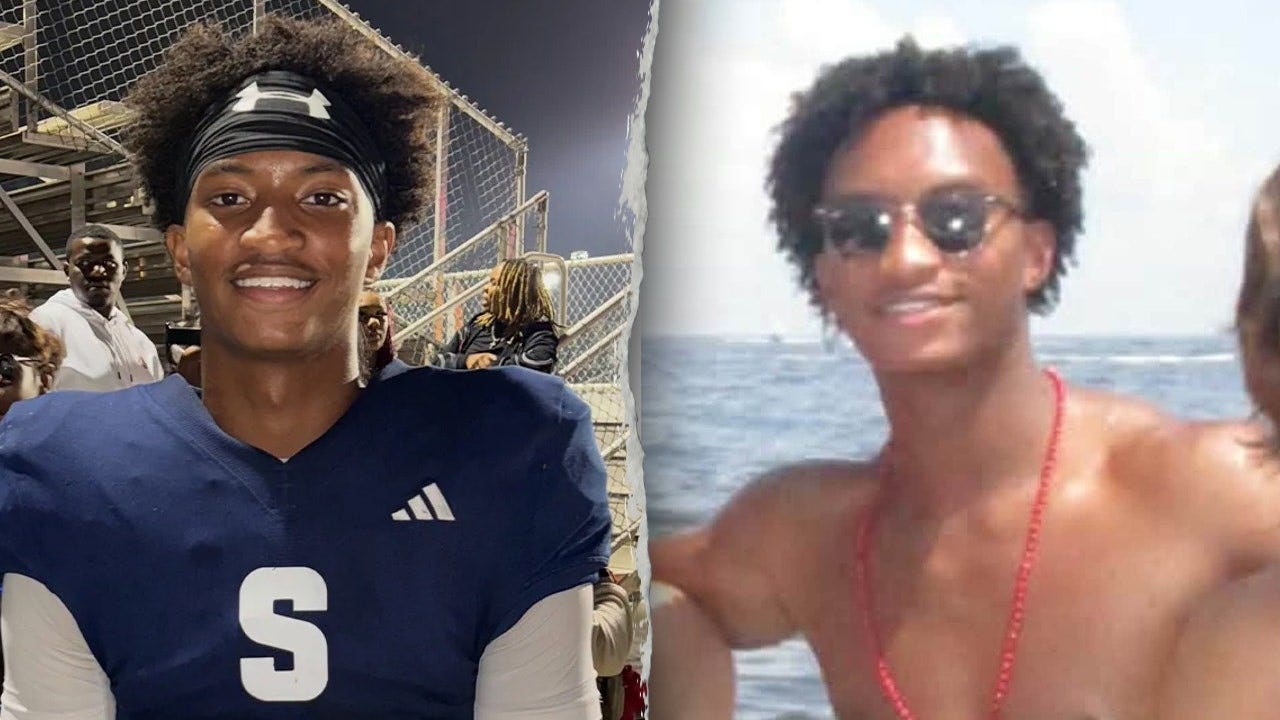
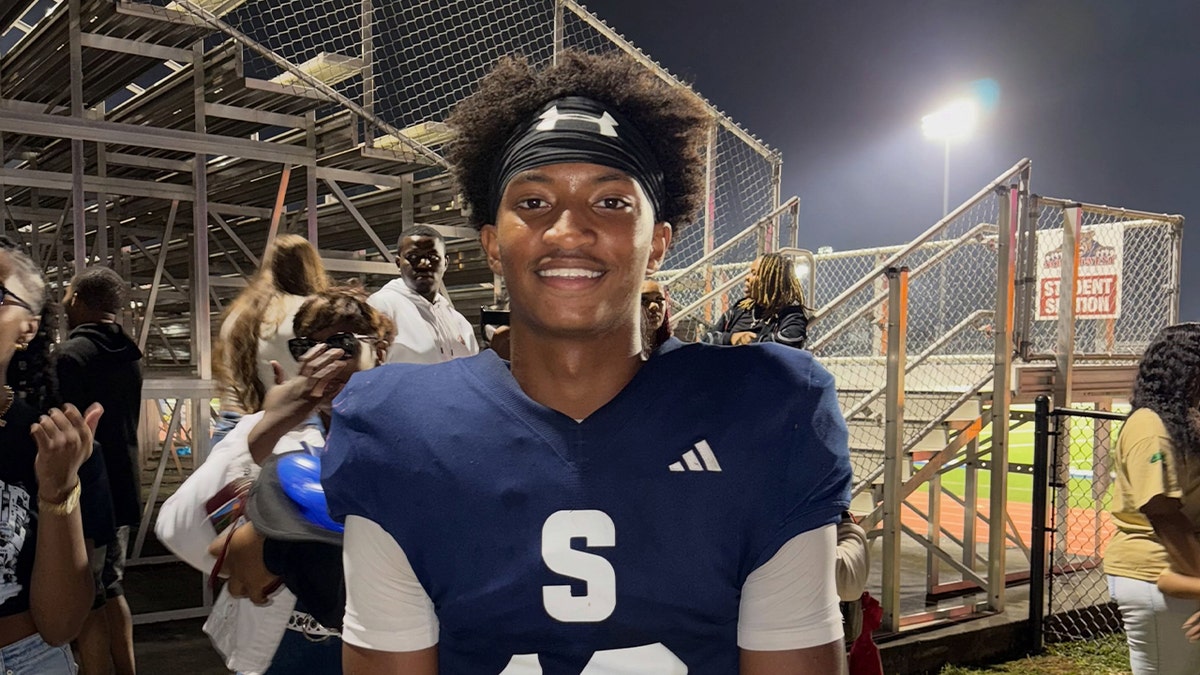
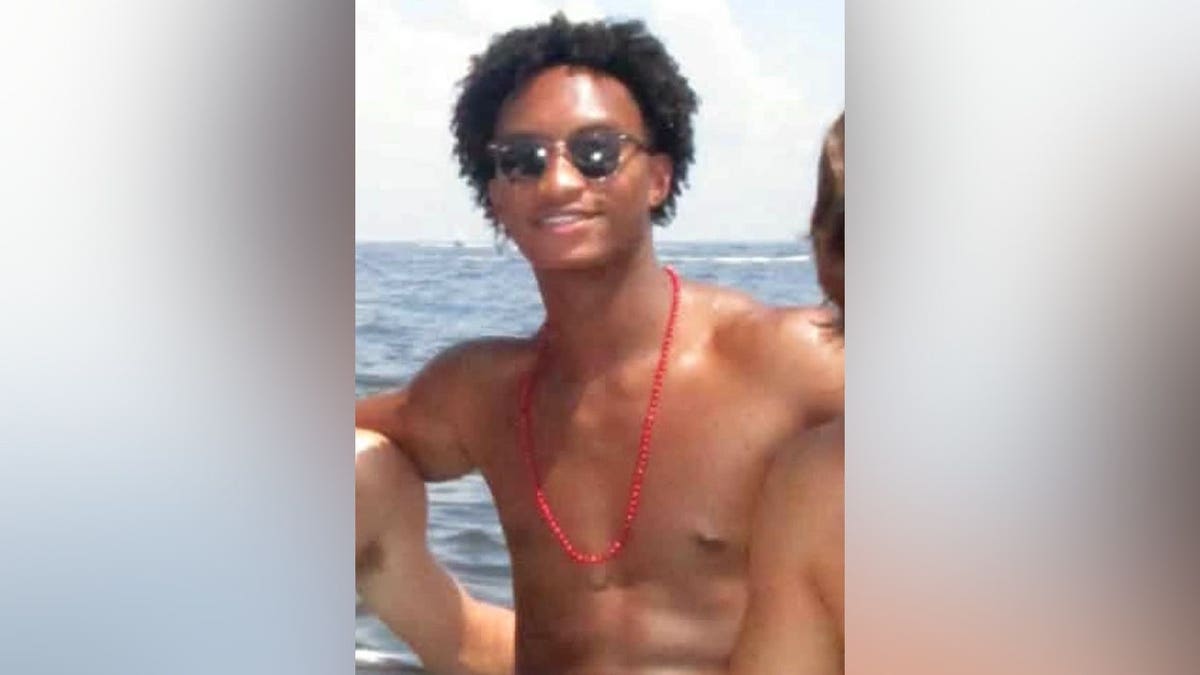
Nolan Wells, an 18-year-old wide receiver for Southwest Mississippi Community College, disappeared on July 4th after embarking on a boat trip with friends to Horn Island, a serene yet isolated barrier island off Mississippi’s Gulf Coast. The circumstances surrounding his disappearance remain murky, adding to the distress of his family and the community. According to authorities, Wells’ friends returned to the mainland that afternoon, leaving him behind. It was later that night when Wells’ mother learned of his absence from one of his friends and promptly reported him missing to the authorities, triggering an extensive search operation.
For two agonizing days, search crews comprising various local and federal agencies combed the waters and shores surrounding Horn Island. The search concluded tragically on July 6th when a National Park Service ranger located Wells’ remains on the island’s northwestern tip. This discovery immediately transformed a missing person case into a death investigation, elevating the urgency and scrutiny surrounding the incident. Horn Island, known for its pristine beaches and natural beauty, is also characterized by its remote nature and potentially challenging marine environment, factors that can complicate both recreational activities and subsequent search and recovery efforts. The initial assessment from authorities, as conveyed to the Associated Press, suggested that foul play was not suspected, with investigators believing Wells had chosen to remain on the island. This preliminary conclusion, however, would soon face significant public challenge.
Independent Autopsy Fuels Calls for Deeper Investigation
The independent autopsy, commissioned by the Wells family and announced by attorney Ben Crump, introduced new elements into the public discourse, intensifying the family’s quest for answers. Dr. Roger Mitchell, the forensic pathologist who performed the independent examination, reported finding an area of "red discoloration" on Wells’ head. Crucially, Dr. Mitchell stated that he could not definitively conclude the cause or manner of death "pending further investigation," and notably, he could not rule out the possibility that "non-accidental factors contributed to or caused the death" without additional information. This ambiguity from the independent pathologist provides a significant basis for the family and advocacy groups to demand a more thorough and transparent official inquiry. An official autopsy report from state authorities is still pending, a delay that has likely contributed to the growing impatience and suspicion among Wells’ supporters.
In contrast to the independent autopsy’s cautious ambiguity, forensic pathologist Dr. Michael Baden offered a different perspective when consulted by Fox News Digital. Dr. Baden suggested that the head injury described by Crump – a "red discoloration" – does not necessarily point to foul play. He characterized it as a "superficial impact" or a "minor injury" that "could be… totally innocent." Dr. Baden elaborated, stating it could have resulted from "bumping into something in the water" such as debris, and could have occurred either before or after death. This expert opinion highlights the complexities of forensic pathology, particularly in cases involving bodies recovered from water, where post-mortem changes and environmental factors can obscure definitive findings. The differing interpretations underscore the need for a comprehensive official report that integrates all available evidence, including toxicology, histology, and detailed scene investigation reports, to provide a clearer picture.
NAACP Alleges "Dereliction of Duty" by Mississippi Officials
The accusation of "dereliction of duty" by NAACP President Derrick Johnson is a powerful legal and moral charge, implying a failure to perform one’s professional responsibilities adequately, especially when those duties involve public trust and the administration of justice. Johnson’s statement, delivered alongside attorney Ben Crump, was not merely an expression of dissatisfaction but a formal challenge to the integrity and efficacy of the state’s investigative apparatus. "To follow up and to ensure that regardless of what happened, that there was the proper investigation so that this family and that community could be assured that if anyone was involved, they would be held accountable," Johnson articulated, specifying the expected duties that he believes have been neglected.
The NAACP’s involvement in the Nolan Wells case aligns with its historical mission to ensure civil rights and equal justice for all, particularly in instances where minority communities perceive systemic biases or inadequate responses from law enforcement. Their intervention often serves to amplify the voices of affected families, mobilize public support, and pressure authorities for more rigorous and transparent investigations. The decision to publicly accuse officials of "dereliction of duty" suggests that the NAACP believes the initial investigation lacked the necessary depth, impartiality, or communication with the family, thus failing to instill confidence in the process or its potential outcomes. This accusation implicitly calls into question not just the specific actions (or inactions) in Wells’ case but potentially broader issues within the state’s justice system.
Mississippi Leadership Stands Firm: A Resolute Defense of Integrity
In the wake of the NAACP’s pointed accusations, Mississippi officials have mounted a staunch defense of their law enforcement agencies and their handling of the Nolan Wells investigation. State Senator Jeremy England, who represents a portion of Jackson County where the incident occurred, described Johnson’s accusation as "completely unfair." Senator England passionately vouched for the professionalism and integrity of the local officials involved. "Our sheriff and our district attorney here in Jackson County, our DPS commissioner over the state of Mississippi law enforcement, our crime lab, the offices they put together, I know many of them personally and professionally, and they have the utmost integrity and they want to get the facts correct and get out there," England told Fox News Digital.
He further suggested that the accusations were an attempt by some to "make shocking claims and get people to think something nefarious has happened or is going on," thereby unfairly tarnishing the reputation of dedicated public servants. England emphasized that Mississippi investigators operate on facts and due process, not on public pressure or political agendas. "Here in Mississippi, we don’t have and we don’t follow what you see in some other states and some other communities where you have activist district attorneys and activist sheriffs, and they’re listening to the public and they’re wanting to respond to the public," he stated, drawing a clear distinction he perceives between Mississippi’s approach and that of other jurisdictions. He stressed that "Our leaders, the people in that office, they don’t do that. They take their time, they make sure they get it right, and they’re doing that out of respect for the family and for the entire community at this point."
Adding to this defense, Congressman Mike Ezell, R-Miss., expressed his "full confidence" in Jackson County Sheriff John Ledbetter, who is leading the investigation, and all other law enforcement officials. Drawing from his own extensive background as a former sheriff and police officer, Ezell acknowledged the immense "demands and pressure" inherent in their roles, asserting his belief that they "will handle this matter with integrity." These robust statements from state and federal representatives underscore a unified front among Mississippi officials, who perceive the criticism as an unjust attack on their professional conduct and commitment to justice, particularly in a case that has garnered significant public attention and emotional investment. They emphasize adherence to established investigative protocols and the importance of allowing the formal process to unfold without external interference or premature conclusions.
Community Outcry and Calls for Justice: The Broader Impact
The tragic death of Nolan Wells and the subsequent controversy have resonated deeply within the community and beyond, highlighting broader issues of trust in law enforcement and the pursuit of justice for marginalized communities. The involvement of high-profile figures like attorney Ben Crump and NAACP President Derrick Johnson, coupled with the announcement of a $50,000 reward by Rev. Al Sharpton for information leading to an arrest and conviction, signifies the significant public concern that transcends the local level. This reward, offered by Rev. Sharpton, particularly indicates a strong belief among advocacy groups that foul play cannot be ruled out, despite initial statements from authorities. Such initiatives aim to incentivize witnesses to come forward, thereby potentially uncovering new evidence that might challenge official narratives.
The case has undoubtedly placed the Jackson County Sheriff’s Department and other state agencies "under a microscope," as acknowledged by Senator England. This increased scrutiny is a natural consequence when a young life is lost under ambiguous circumstances, and initial official conclusions are met with skepticism by family and advocacy organizations. The tension between the need for a thorough, methodical investigation and the public’s demand for swift answers and perceived justice is a common challenge in such high-profile cases. For Wells’ family, the wait for definitive answers is undoubtedly agonizing, and the conflicting narratives only exacerbate their grief and uncertainty.
Furthermore, the complexities of investigating a death in a marine environment are substantial. Factors such as water currents, marine life, and the decomposition process can significantly alter evidence and complicate forensic analysis, making it difficult to ascertain precise causes and manners of death. This inherent difficulty, however, does not diminish the public’s expectation for a meticulous and transparent investigation. The broader impact of this case will likely extend to how the community perceives the fairness and impartiality of its justice system, particularly in cases where racial dynamics or perceived institutional biases become part of the public conversation.
The Road Ahead: Pending Answers and Persistent Questions
As the official investigation into Nolan Wells’ death continues, several critical elements remain outstanding, shaping the path forward and dictating the eventual resolution of this emotionally charged case. The most significant pending factor is the release of the official autopsy report from the state medical examiner. This report is expected to provide comprehensive findings, including toxicology results, detailed examination of injuries, and a definitive cause and manner of death, which will either corroborate or contradict the preliminary independent findings and the initial assessment of no foul play. Until this official report is made public, the narrative will remain fragmented, with conflicting interpretations fueling ongoing debate.
The "further investigation" referenced by Dr. Roger Mitchell in his independent autopsy report also points to the need for more comprehensive data. This could include additional forensic testing, crime scene reconstruction, interviews with all individuals present during the boat trip, and an exhaustive review of any potential digital or physical evidence. The ability of investigators to gather and analyze this additional information will be crucial in moving beyond the current state of uncertainty.
The tension between the urgency demanded by advocacy groups and the meticulous, time-consuming nature of a proper criminal investigation will likely persist. While local officials emphasize their commitment to following due process and making evidence-based conclusions, the family and their representatives will continue to press for transparency, speed, and accountability. This balance is delicate, as rushing to judgment can compromise an investigation, while excessive delays can erode public trust and exacerbate the suffering of those seeking answers.
Conclusion: A Community Awaits Resolution
The death of Nolan Wells represents a profound loss, and the subsequent controversy has laid bare a chasm between the expectations of justice from the public and the methodical processes of official investigations. As the people of Mississippi, and indeed the nation, watch closely, the need for clarity, transparency, and conclusive evidence has never been more urgent. The accusations of "dereliction of duty" by the NAACP underscore a critical demand for accountability, while the resolute defense from state officials highlights their unwavering commitment to integrity and due process. Ultimately, a thorough and impartial official autopsy, combined with a transparent investigative process, will be essential to provide the Wells family and the wider community with the answers they desperately seek, and to restore confidence in the pursuit of justice for all. The resolution of this case will not only bring closure to a grieving family but will also serve as a crucial test of the justice system’s ability to navigate complex challenges under intense public scrutiny.

