
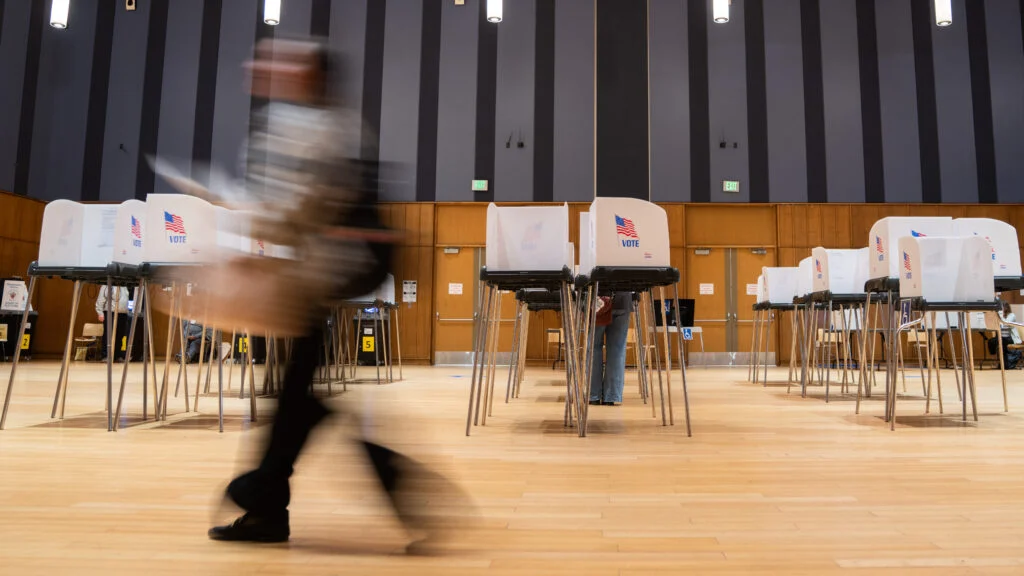
As the United States approaches another high-stakes election cycle, the airwaves and digital feeds are saturated with urgent reminders to cast a ballot. While civic engagement is the cornerstone of democracy, medical researchers are sounding a separate alarm: the intense, often divisive nature of modern political campaigns can impose a tangible, sometimes dangerous, toll on the human heart. Recent clinical studies have illuminated a concerning correlation between the weeks surrounding major elections and a measurable uptick in cardiovascular distress, ranging from irregular heart rhythms to acute myocardial infarctions.
The intersection of politics and physiology is no longer a matter of mere conjecture. Leading cardiologists and epidemiologists have identified that for many, the stress of an election season acts as a potent physiological trigger. This phenomenon, which transcends party affiliation and geographical divides, highlights the profound connection between emotional well-being and the cardiovascular system.
A Chronology of Stress: Lessons from 2016 and 2020
The scrutiny of election-related health risks gained significant momentum following the 2016 presidential election. Dr. Lindsey Rosman, a specialist in the division of cardiology at Northwestern University, conducted a pivotal study while at the University of North Carolina. By analyzing data transmitted from implanted cardiac devices—such as pacemakers and defibrillators—in patients with existing rhythm disorders, her team observed a 77% increase in the frequency of arrhythmias during the six-week window surrounding the 2016 election. Notably, this risk was consistent across demographics, indicating that the stress of the political climate was a universal factor regardless of individual political leanings or socioeconomic background. The fact that this data was pulled from a swing state served to underscore the impact of concentrated political advertising and high-intensity campaign rhetoric.
Following the 2020 election, the focus shifted from rhythm disorders to acute cardiovascular events. Matthew Mefford, a cardiovascular disease epidemiologist at Kaiser Permanente Southern California, led a retrospective cohort study examining hospital admission rates for heart attacks immediately following Election Day. The findings were stark: hospitalizations for acute cardiovascular disease were significantly higher during the five-day period immediately following the election compared to a baseline period two weeks prior. This study expanded the scope of previous research by including individuals both with and without a prior history of heart disease, suggesting that the acute stress response can affect a broader segment of the population than previously understood.
The Biological Mechanism: Why Stress Attacks the Heart
To understand why a political debate or a televised campaign rally might trigger a cardiac event, one must look at the body’s "fight-or-flight" mechanism. When an individual experiences acute anxiety or anger, the sympathetic nervous system is activated, causing a surge in catecholamines—hormones such as adrenaline and norepinephrine.
This physiological response, while designed to protect humans in moments of physical danger, can be maladaptive in the context of psychological stress. As the heart rate climbs and blood pressure rises, the heart’s electrical system may become destabilized. In individuals with underlying conditions, these rapid fluctuations can disrupt the heart’s natural rhythm. Furthermore, the vagus nerve, which typically acts as a "brake" for the heart, can be suppressed, leaving the cardiovascular system in a hyper-aroused state.
Beyond the immediate hormonal surge, the "election season lifestyle" often exacerbates these risks. Increased cortisol levels—the body’s primary stress hormone—are linked to inflammation, which can destabilize arterial plaques. Moreover, the anecdotal evidence of poor self-care during high-stress periods is supported by clinical observations: individuals reporting high election anxiety are more likely to experience disrupted sleep patterns, increased consumption of alcohol or caffeine, the abandonment of exercise routines, and a failure to adhere to prescribed medication regimens.
Broader Public Health Implications
The implications of these findings are substantial, particularly given the high prevalence of cardiovascular disease in the United States. Current statistics from the American Heart Association indicate that nearly half of all U.S. adults live with some form of cardiovascular disease, including hypertension. For this massive segment of the population, the addition of chronic, election-induced stress acts as a significant risk multiplier.
Cardiologists have long noted that massive emotional triggers—such as those following natural disasters like earthquakes or intense sporting events like the World Cup—correlate with spikes in cardiac events. The election cycle, while distinct in its prolonged duration, shares the characteristic of "collective stress." When an entire nation is exposed to a continuous barrage of inflammatory content via 24-hour news cycles and social media algorithms, the cumulative stress can reach a threshold that is medically significant.
Dr. Rosman and her colleagues emphasize that while not every individual will experience a clinical event, the cumulative effect of stress on a population level is a valid public health concern. The transition from transient anxiety to a permanent cardiac complication is a path that often goes unnoticed until a medical crisis occurs.
Clinical Perspectives and Mitigation Strategies
Medical professionals urge patients to treat emotional health as a component of heart health. In the lead-up to election days, the advice provided by specialists is increasingly practical:
- Media Consumption Limits: The relentless nature of social media algorithms is designed to maximize engagement, often by stoking outrage. Setting strict time limits on news intake, particularly during the hours preceding sleep, can help lower evening cortisol levels.
- Maintaining Routine: The disruption of sleep and diet is a common casualty of election season. Maintaining a rigid schedule for meals, exercise, and rest acts as a buffer against the volatility of the news cycle.
- Active Stress Management: Practices such as mindfulness-based stress reduction, yoga, or simply engaging in outdoor physical activity have been shown to mitigate the sympathetic nervous system’s "fight-or-flight" response.
- Clinical Vigilance: For those with pre-existing conditions like hypertension or known coronary artery disease, it is vital to remain strictly adherent to medication protocols. Patients should be encouraged to recognize early warning signs—such as unusual palpitations or persistent chest discomfort—and to seek medical attention rather than attributing them solely to stress.
"Your political party doesn’t matter to your heart; stress does," Dr. Rosman stated in a recent analysis. This mantra serves as a reminder that the human cardiovascular system is incapable of distinguishing between the stress of a physical threat and the stress of a polarized political debate.
Future Directions in Cardiovascular Research
The field is now looking toward technology to provide more granular data on the relationship between real-time events and heart health. Dr. Rosman is currently spearheading efforts to utilize wearable technology, which can provide continuous monitoring of physiological indicators of stress. By correlating data from smartwatches and other biosensors with major election events, researchers hope to move beyond retrospective studies and gain a predictive understanding of how populations react to political stress in real-time.
A nationwide, multi-year follow-up study covering the 2020 and 2024 elections is expected to provide the most comprehensive data to date. Such research is critical, as it may influence public health messaging, encouraging physicians to discuss "election stress" as a legitimate clinical risk factor during patient consultations.
As the political landscape remains highly charged, the objective reality remains: the heart is sensitive to the emotional temperature of the society in which it beats. While citizens are encouraged to participate fully in the democratic process, they are simultaneously urged to practice the emotional self-regulation necessary to preserve their long-term health. In the final analysis, the most effective way to safeguard one’s cardiovascular system during an election cycle may be to balance civic duty with the necessary discipline of mental and physical self-care.

