
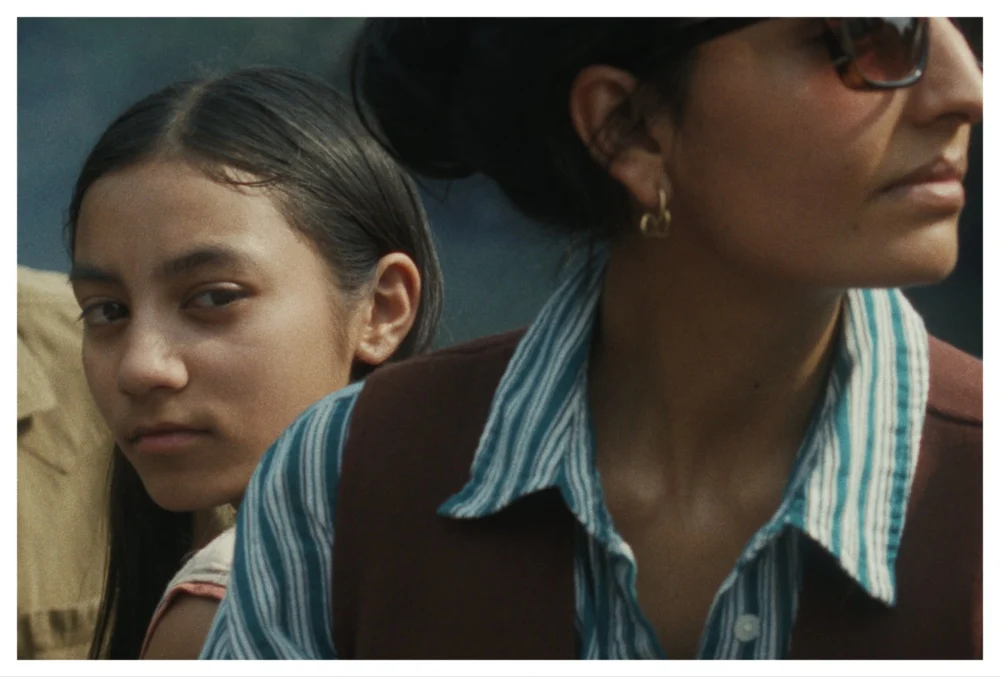
Venice Film Festival Critics’ Week: A Launchpad for New Voices
The Venice Film Festival, one of the oldest and most influential film festivals in the world, has long been a crucial platform for filmmakers to gain international recognition. Established in 1932, the festival, held annually on the island of the Lido in Venice, Italy, attracts filmmakers, actors, industry professionals, and cinephiles from every corner of the globe. Its prestigious competition for the Golden Lion award is a career-defining moment for any director. Alongside the main competition, various sidebar sections offer specialized curations. The Critics’ Week (Settimana Internazionale della Critica), now in its 38th edition in 2023, is an independent section organized by the Italian National Syndicate of Film Critics (SNCCI). It is dedicated exclusively to debut features, providing a vital space for emerging directors to present their vision to a global audience. The selection process for Critics’ Week is highly competitive, with hundreds of films vying for a limited number of spots, emphasizing the significance of being chosen. This year’s edition will run concurrently with the main Venice Film Festival from September 2nd to September 12th, 2023, culminating in the announcement of its awards and the broader festival’s accolades.
A Global Tapestry of Debut Narratives
This year’s Venice Critics’ Week lineup presents a compelling mosaic of international cinema, reflecting a diverse range of themes and directorial approaches. Two Colombian productions stand out for their innovative storytelling and engagement with pressing socio-political issues. "The End of Times," a collaborative effort by Bibiana Rojas Gómez and Juan David Cárdenas, is a thought-provoking fiction-documentary hybrid. This ambitious project delves into the historical complexities of colonialism and capitalism within Colombia, employing artificial intelligence as a narrative tool. Such a fusion of documentary ethics with avant-garde technological integration suggests a bold exploration of historical trauma and its contemporary manifestations, potentially offering a fresh perspective on national identity and its formation.
Complementing this is Sebastián Múnera’s drama "Meteorite." The film’s premise, centered on plans to construct an amusement park on the former estate of infamous drug lord Pablo Escobar, immediately invites critical examination of memory, legacy, and the potential for societal regeneration. The juxtaposition of a site steeped in violence and illicit activity with a space intended for public recreation and entertainment raises profound questions about how nations confront their past and attempt to forge a new future. The narrative likely explores the ethical dilemmas and societal impact of such a development, offering a nuanced portrayal of a country grappling with its history.
Italy, the host nation, is prominently represented in the lineup. Tommaso Usberti’s "Before the War" (Prima Della Guerra), an Italian-French co-production, is selected for the competition. The film tells the story of Guido, a young man raised in a milieu of Northern Italian racism, who finds his world irrevocably altered when he falls in love with Sonia, a Kosovar immigrant. This narrative promises a sensitive and potentially challenging exploration of prejudice, intergenerational attitudes, and the transformative power of human connection in overcoming societal divides. The film’s setting within a context of ingrained societal biases offers fertile ground for examining the personal and collective impact of xenophobia and the potential for empathy to bridge cultural divides.
Curated Journeys: Out-of-Competition Highlights
Beyond the competitive entries, Venice Critics’ Week also features significant films in its out-of-competition slots, underscoring the breadth of emerging talent. The section opens with Marco Santi’s "Giaffa the Great" (Il Grande Giaffa), an existential noir. The genre choice, coupled with the "existential" descriptor, suggests a film that delves into the human condition, exploring themes of meaning, alienation, and the search for purpose within a potentially melancholic or suspenseful framework. Noir, with its characteristic shadows and moral ambiguity, provides a potent backdrop for such profound inquiries.
The closing film, "Rider," is an Italian rap musical co-directed by Roan Johnson and the acclaimed local music producer Dade (Davide Pavanello). This unconventional choice for a festival closer signals a vibrant and contemporary cinematic sensibility. The story follows a young food delivery driver whose ordinary evening takes an extraordinary turn when he delivers a substantial sushi order to a lavish villa and is subsequently invited to stay. The film’s genre blend of musical and narrative, infused with the energy of Italian rap, hints at a vibrant exploration of social class, unexpected encounters, and the potential for life-altering moments to emerge from the mundane. This selection demonstrates the Critics’ Week’s embrace of diverse cinematic forms and its commitment to showcasing films that push genre boundaries.
The Competition: A Global Showcase of Debut Features
The seven features vying for recognition in the Venice Critics’ Week competition represent a truly global cinematic conversation, with each film being a world premiere. This ensures that audiences and critics are experiencing these works for the very first time, adding an element of discovery and anticipation to the section.
From Tunisia comes Kamel Laaridhi’s dystopian drama, "The H@llow Man." Set in the year 2059, the film posits a future where a biochip dictates memory and emotion, presenting a chilling commentary on technological control and the suppression of human experience. This theme resonates with contemporary anxieties surrounding data privacy, artificial intelligence, and the potential for technology to shape and even dictate our inner lives. The dystopian setting allows for a stark examination of the consequences of unchecked technological advancement and the erosion of individual autonomy.
China’s contribution is Dong Jie’s drama, "Zoom In, Zoom Out." The narrative follows a young video game designer on a quest to find his missing roommate, Gao, guided by a cryptic clue embedded within an online game. This premise blends elements of mystery and digital immersion, suggesting an exploration of online identities, virtual realities, and the blurred lines between the digital and physical worlds. The use of a video game as a narrative device opens up possibilities for visually dynamic storytelling and an examination of how modern technologies shape relationships and communication.
Rounding out the competition is the Brazilian drama "London," directed by Victor Di Marco and Márcio Picoli. The film addresses the complex challenges faced by a young adult with a disability. While the title may seem geographically incongruous with its Brazilian origin, it likely serves as a thematic or symbolic anchor, perhaps representing a desired destination, an abstract concept of aspiration, or a point of comparison. The film’s focus on a disabled protagonist offers a crucial opportunity to amplify underrepresented voices and perspectives within cinema, advocating for greater inclusivity and understanding.
A Statement of Cinematic Resilience and Independence
Beatrice Fiorentino, the General Delegate of Venice Critics’ Week, articulated a powerful sentiment regarding the selection: "Whilst the industry at large is grappling with its crises, these works are proof that cinema never stopped asserting its own cruciality. This cinema is fierce and independent, daring and vibrant, resolute in its reminder that our collective imagination can, and indeed must, continue to be rewritten." Fiorentino’s statement highlights a prevailing mood within the independent film community: a recognition of the challenges faced by the industry, particularly in the wake of global disruptions, but also a firm belief in the enduring power and necessity of cinema. The emphasis on "fierce and independent" filmmaking suggests a program that eschews commercial compromises in favor of artistic integrity and bold thematic exploration. The call for cinema to "rewrite our collective imagination" underscores the role of film as a catalyst for social change, a tool for challenging established narratives, and a means of fostering empathy and understanding.
The Lion of the Future: A Prestigious Award
All the films competing in Venice Critics’ Week will also be eligible for the prestigious Lion of the Future award, officially known as the "Luigi De Laurentiis Award for a Debut Film." This award, worth a substantial $100,000, recognizes the best debut film presented in any section of the Venice Film Festival. The inclusion of Critics’ Week entries in this major award reinforces the section’s importance and the festival’s commitment to nurturing new talent on the grandest scale. The substantial monetary prize offers significant support to emerging filmmakers, enabling them to continue their work and develop future projects, thereby contributing to the ongoing vitality of global cinema.
Looking Ahead: The 83rd Venice Film Festival
The 83rd edition of the Venice Film Festival promises to be a significant event, offering a comprehensive panorama of contemporary cinema. The announcement of the official selection lineup, scheduled for Thursday, will further illuminate the festival’s broader thematic concerns and artistic priorities. With the Critics’ Week already presenting a strong and diverse program of debut features, the festival as a whole is set to be a crucial barometer of global cinematic trends and a celebration of the art form’s enduring capacity for innovation and social commentary. The festival’s continued dedication to showcasing emerging talent, as exemplified by Venice Critics’ Week, ensures its role as a vital incubator for the future of filmmaking.

