
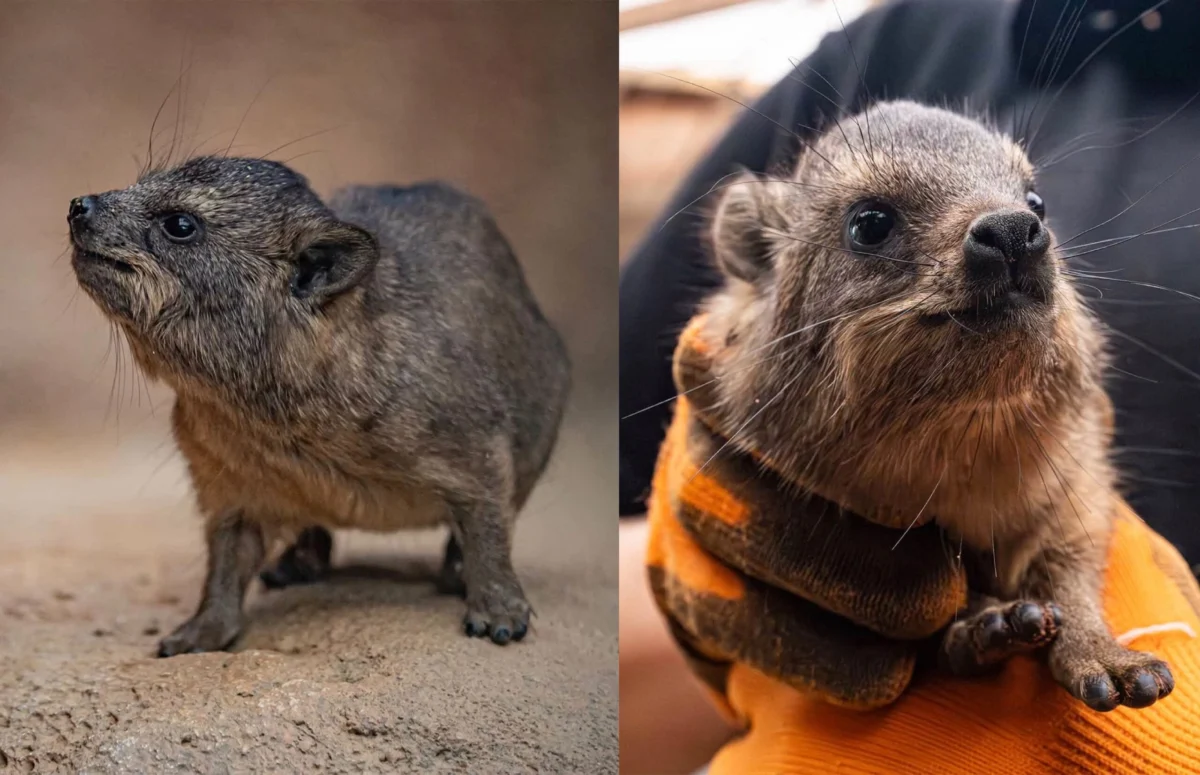
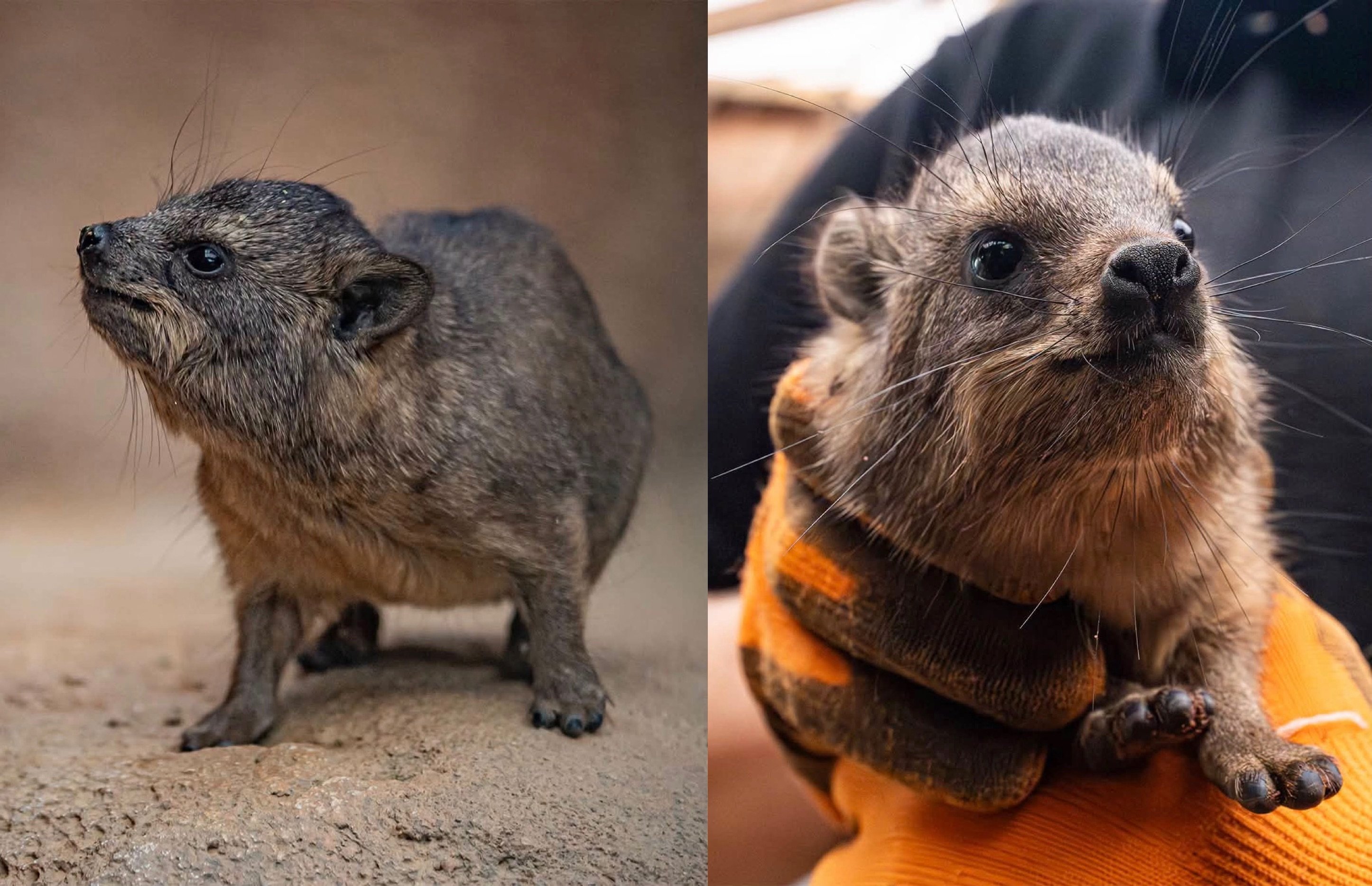
The recent birth of three rock hyrax pups at Chester Zoo in England has provided both zoologists and the public with a compelling case study in evolutionary biology. Named Russ, Spud, and Jackie, the three siblings were born to parents Maris and Albert late this summer. Their arrival has drawn significant attention not merely due to their status as a charismatic addition to the zoo’s collection, but because of the biological paradox they represent: despite their diminutive, rodent-like appearance, the rock hyrax (Procavia capensis) is genetically closer to the elephant than it is to the small mammals it physically resembles.
A Chronology of the New Arrivals
The birth of the trio took place toward the end of the summer season, marking a successful breeding milestone for the zoo’s current hyrax colony. Following a gestation period that is notably long for an animal of its size—typically lasting between six and eight months—the pups were born in an advanced state of development. Unlike many other small mammals, which are born blind and helpless, rock hyrax pups are precocial, meaning they are essentially miniature versions of adults at birth, capable of moving and interacting with their environment almost immediately.
In the weeks following their birth, the zoo’s veterinary team monitored the pups closely to ensure their health and development. The official veterinary check-up, conducted in mid-September, confirmed that all three individuals were thriving. Since then, the pups have been observed exhibiting high levels of energy, a behavior keepers have colloquially dubbed “the zoomies,” which serves as a vital developmental exercise for the species as they learn to navigate the complex, vertical terrain of their enclosure.
Evolutionary Paradox: The Elephant Connection
The most profound aspect of the rock hyrax is its taxonomic classification. They belong to the order Hyracoidea, a group that was once much more diverse and widespread than it is today. Phylogenetic studies, including DNA analysis, have firmly placed the hyrax within the superorder Afrotheria, a clade that includes elephants (Proboscidea), manatees and dugongs (Sirenia), aardvarks, and tenrecs.
This relationship is not immediately apparent to the casual observer, but a closer anatomical inspection reveals the "clues" alluded to by Chester Zoo’s keeper, Megan Carpenter. The hyrax possesses flattened, hoof-like nails on its toes rather than the claws typically found on rodents. Furthermore, their dentition—specifically the prominent, ever-growing incisors—bears a striking resemblance to the tusks of an elephant.
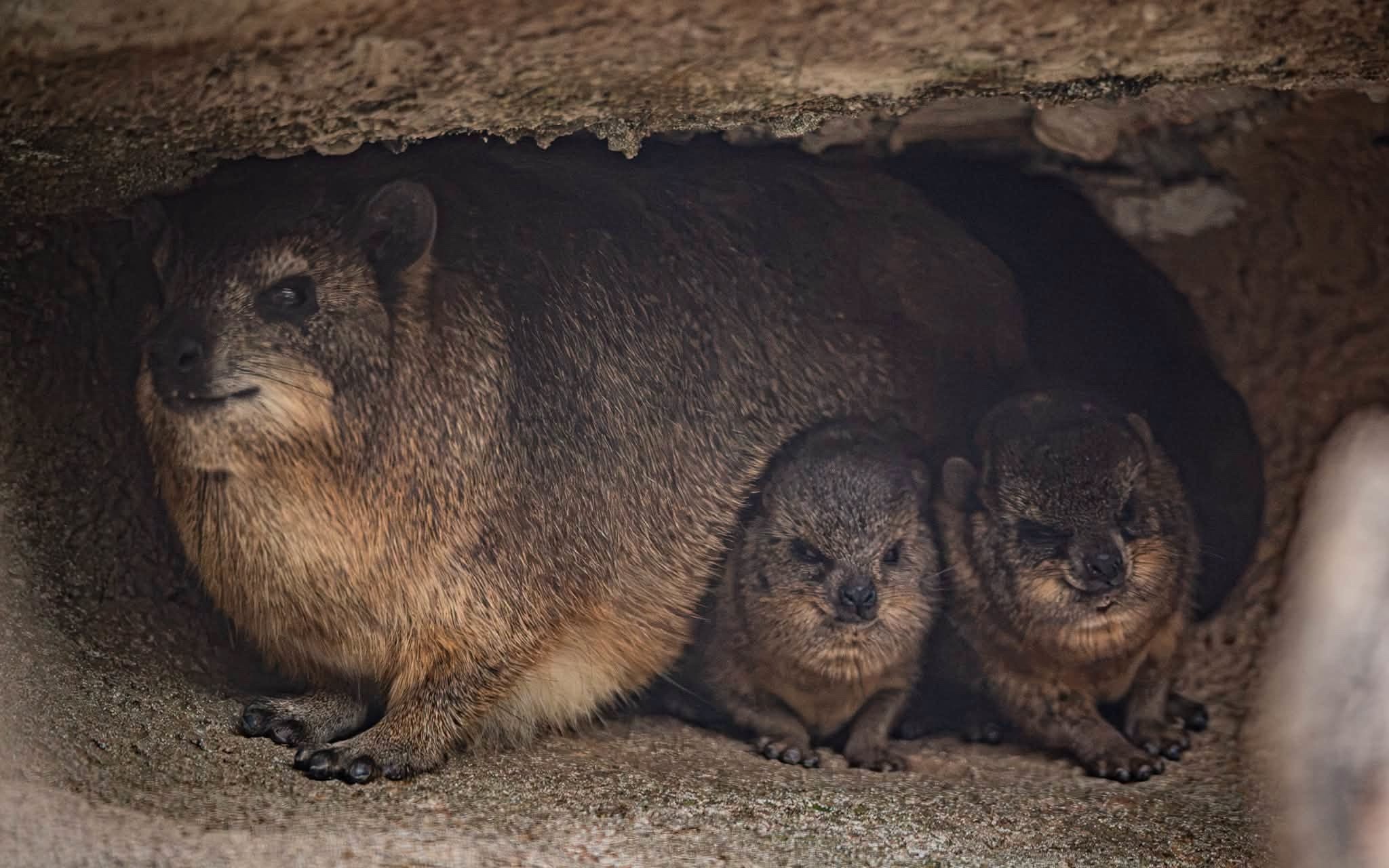
From an evolutionary standpoint, the hyrax serves as a living relic of a lineage that diverged from a common ancestor roughly 60 to 70 million years ago. While the ancestors of elephants moved toward gigantism and aquatic or semi-aquatic niches (in the case of sirenians), the hyrax lineage adapted to rocky, arid environments across sub-Saharan Africa and the Middle East.
Behavioral Adaptations and Natural History
Rock hyraxes, often referred to as "rock rabbits" or "rock badgers" despite their lack of relation to those species, are highly specialized for life in rocky outcrops. Their physical morphology is a direct response to their environment. Their body shape, often described as potato-like, allows them to squeeze into narrow crevices in rock faces to avoid predators such as eagles, leopards, and snakes.
The species is known for its remarkable ability to scale vertical surfaces. The pads of their feet are constantly kept moist by specialized glands, acting almost like suction cups that provide superior traction on smooth stone. This, combined with their ability to regulate their body temperature—often by basking in the sun in groups to conserve heat—allows them to thrive in temperature-fluctuating environments.
Socially, hyraxes are highly vocal and live in complex, hierarchical colonies. Communication is a critical component of their survival; they utilize a variety of clicks, whistles, and squeaks to warn others of potential threats or to maintain social cohesion. The pups at Chester Zoo have already begun participating in these social dynamics, mirroring the exploratory behaviors of their parents.
Supporting Data and Demographic Significance
In the wild, the rock hyrax is currently listed as a species of "Least Concern" by the International Union for Conservation of Nature (IUCN). Their population is relatively stable, although they face localized threats from habitat loss and climate-induced shifts in their primary range. Within a zoological setting, the management of the species is vital for maintaining genetic diversity and ensuring that captive populations remain robust.
Currently weighing approximately 12.3 ounces (350 grams), the pups are in a phase of rapid growth. While an adult male typically weighs between 8 and 9 pounds, the pups will continue to increase in mass over the next 12 to 18 months until they reach sexual maturity. The successful breeding of these three individuals provides the zoo with valuable data regarding the developmental stages of the species, which can be compared against wild data sets to assess the health and well-being of the captive population.
Official Perspectives and Educational Outreach
The staff at Chester Zoo view the arrival of Russ, Spud, and Jackie as an educational opportunity. Lyndon Howson, assistant team manager in visitor engagement, highlighted that the hyrax is a "brilliant example of how misleading appearances can be." For the zoo, the goal is to use the pups to pique public interest in evolutionary biology.
"They challenge what we think we know about the natural world," Howson noted. "When people look at these small, seemingly unassuming animals, they don’t expect to hear that they are the closest living relatives to the elephant in terms of their lineage. It helps us spark a conversation about how evolution works over millions of years."
The zoo has utilized social media to bridge the gap between scientific fact and public engagement. Footage of the pups—specifically one video showcasing a young hyrax executing an agile, mid-air maneuver—has garnered significant engagement, effectively demonstrating the agility of the species to a global audience.
Broader Scientific Implications
The study of hyraxes is more than just a curiosity; it is a window into the "Afrotherian" radiation. During the Eocene epoch, the ancestors of the hyraxes were the dominant herbivores in many parts of Africa. Understanding their biology helps paleontologists reconstruct the prehistoric ecosystems of the continent.
Furthermore, the resilience of the rock hyrax in the face of environmental stressors provides researchers with insights into how certain mammalian lineages have successfully navigated shifting landscapes for tens of millions of years. Their ability to occupy an ecological niche that is largely avoided by other mammals—the vertical, exposed rock face—is a masterclass in evolutionary adaptation.
As Chester Zoo continues to monitor the development of Russ, Spud, and Jackie, the pups serve as a living reminder of the complexities of the tree of life. Their presence in the zoo not only delights visitors but also underscores the importance of continued research into the species’ biology, behavior, and evolutionary history. In the broader context of biodiversity, the "chaos potatoes," as they have been affectionately labeled, stand as a testament to the fact that even the smallest, most unassuming creatures carry the massive weight of millions of years of evolutionary history.

