
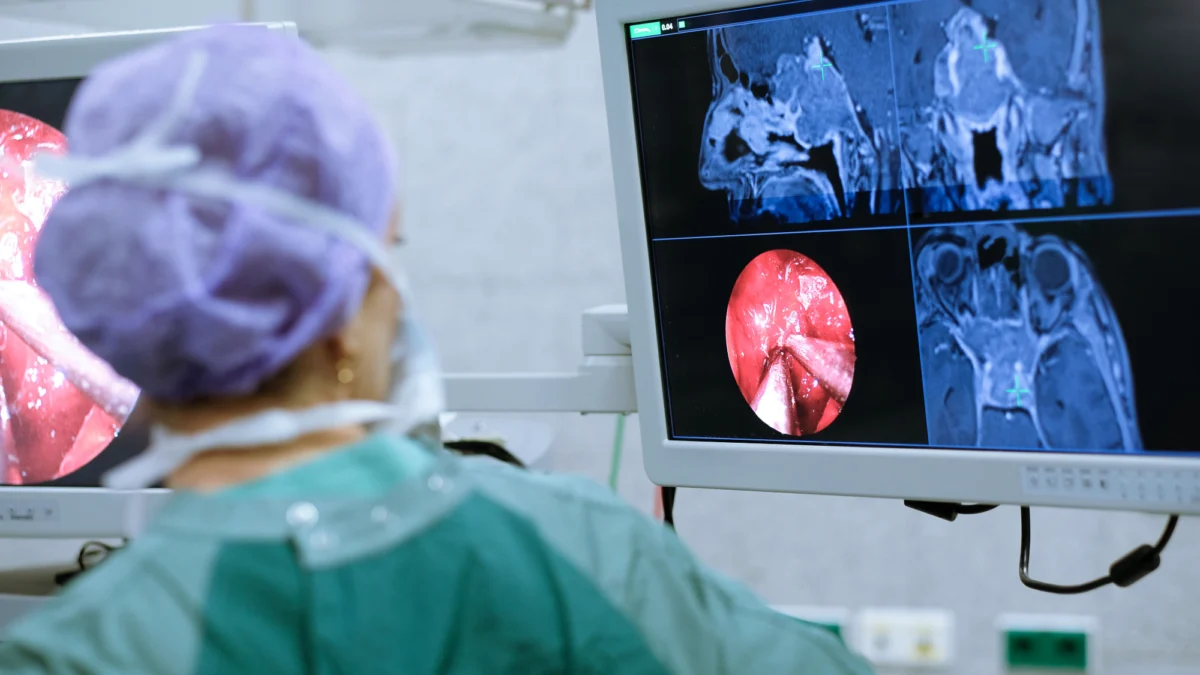
In the high-stakes environment of neurosurgery, the line between a clinical triumph and an ethical quandary is often blurred by the unpredictable nature of patient recovery. This tension is vividly illustrated in the upcoming memoir, Off the Top of My Head: Stories from the Operating Room That Will Make You Laugh (Or Cry), by veteran neurosurgeon Dr. Barbara Lazio. The narrative centers on the case of a sixty-year-old patient named Beau, whose survival journey—marked by a cardiac event, a traumatic brain injury, and a profound crisis of quality-of-life—offers a sobering look at the complexities of medical decision-making when the patient is unable to speak for themselves.
A Chronology of Critical Care
The medical odyssey began when Beau was admitted to the hospital following a ST-elevation myocardial infarction (STEMI), a severe type of heart attack caused by the total blockage of a major coronary artery. While the initial intervention by the cardiology team in the catheterization lab was successful, the patient’s recovery was short-lived. Two days post-procedure, Beau suffered a sudden cardiac arrest. During the collapse, he struck his head on the floor, triggering a secondary, life-threatening complication.
In the days following the fall, Beau’s condition deteriorated. He became lethargic, began vomiting, and was eventually placed on a mechanical ventilator. Diagnostic imaging, specifically a CT scan, revealed a large subdural hematoma—a collection of blood between the skull and the surface of the brain. The situation was compounded by the fact that Beau was on blood thinners to manage his cardiac condition; these medications, while vital for his heart, had exacerbated the bleeding in his brain.
With the patient unconscious and no family immediately reachable to provide informed consent, Dr. Lazio was faced with an urgent decision. According to standard clinical guidelines, the mortality rate for patients presenting with such extensive intracranial hematomas and multiple comorbidities is high. However, the surgeon chose to proceed with an emergency craniotomy—a procedure to relieve intracranial pressure—rather than waiting for a next-of-kin consensus that might arrive too late.
The Ethical Weight of Unilateral Decisions
The decision to operate on a patient who cannot provide consent is one of the most significant burdens a physician can carry. In medical ethics, this falls under the principle of implied consent in emergencies, where a doctor acts in the patient’s best interest when life or limb is at stake. However, as Dr. Lazio notes, "The book answer is not always the right answer for tonight’s patient."
The surgery itself was routine: drilling into the skull, removing the clotted blood, and securing the bone with titanium hardware. Yet, the technical success of the operation did not equate to an immediate recovery. For weeks, Beau remained in the intensive care unit (ICU), trapped in a state between consciousness and neurological impairment. The psychological toll on the medical staff, particularly when a patient who was once fighting to live later expresses a desire to die, is a frequently overlooked aspect of trauma care.
Data and Clinical Context
Subdural hematomas, especially in elderly or medically complex patients, are among the most challenging cases in neurosurgery. According to the Journal of Neurosurgery, the outcome for patients undergoing evacuation for chronic or acute subdural hematomas is heavily dependent on the patient’s preoperative Glasgow Coma Scale (GCS) score and their cardiac status. In Beau’s case, the presence of a recent STEMI and subsequent cardiac arrest made him a high-risk candidate for surgery.
Furthermore, the "social determinants of health" played a significant role in his recovery trajectory. Following his initial stabilization, Beau faced barriers to rehabilitation. Many skilled nursing facilities (SNFs) and rehabilitation centers operate with stringent admission criteria based on insurance coverage and the complexity of medical needs, such as the requirement for a ventilator. Beau’s six-week hospital stay, despite being clinically stable enough for discharge, highlights a systemic issue in the transition from acute hospital care to long-term rehabilitation.
The Role of Long-Term Follow-up
The conclusion of Beau’s story serves as a critical reminder of the importance of follow-up care. Several weeks after his discharge, Beau—assisted by his brother, Lenny—returned to the surgeon’s office. The encounter revealed a disconnect between the surgeon’s internal struggle and the patient’s perspective. While Dr. Lazio had been haunted by the memory of Beau writing "I want to die" on a whiteboard, Beau himself had little recollection of the darkest days of his ICU stay.
When explicitly asked if he was glad the surgery had been performed, Beau’s response was a simple, "Yeah. I’ve been meaning to thank you." This interaction underscores the "survivor bias" often seen in medical care: the patient who emerges from a crisis may value their life in ways that were not apparent when they were in the midst of their physical and emotional pain.
Broader Implications for Medical Practice
The case of Beau raises several questions for the broader medical community:
- Informed Consent in Crisis: How can medical systems better facilitate communication with family members when a patient is incapacitated during a "code-blue" or emergency neurosurgical event?
- Post-Operative Mental Health: There is a growing consensus that intensive care units should incorporate more robust psychiatric and psychological support for patients who undergo traumatic life-saving procedures, as the transition back to consciousness can be profoundly disorienting.
- Rehabilitation Access: The systemic rejection of patients by rehabilitation facilities based on insurance or complex medical needs remains a critical failure point in the continuum of care.
Dr. Lazio’s account is not merely a record of a successful surgery, but a reflection on the "miracle of biology" and the fragile nature of the doctor-patient relationship. As medical technology advances, allowing physicians to save lives that were previously considered lost, the ethical burden of why we save those lives—and what the resulting quality of life looks like—becomes just as important as the surgical techniques themselves.
Reflections from the Field
The publication of Off the Top of My Head is timely, coming at a period when burnout among medical professionals is at an all-time high. Dr. Lazio, who has spent over two decades in the operating room, offers a rare, humanizing glimpse into the life of a neurosurgeon. Her narrative avoids the clinical detachment often found in textbooks, opting instead for a raw, honest examination of the doubt, fear, and ultimate relief that characterizes the profession.
By documenting her own internal monologue—the doubt about whether she had forced a "purgatory" upon her patient—Dr. Lazio contributes to a growing body of literature that encourages medical transparency. For the families of patients and for the medical students she now mentors, the lesson is clear: the patient’s chart tells one story, but the human experience behind the chart tells another.
The case of Beau concludes not with a perfect recovery, but with a realistic one. He survived, he regained his ability to play the guitar, and he achieved a level of autonomy that allowed him to return home. For the surgeon, the "crushing boulder" of doubt was finally lifted by a simple thank you. It is a testament to the fact that, in the face of impossible odds, the decision to fight for a patient’s life remains one of the most consequential acts a physician can undertake.
Off the Top of My Head: Stories from the Operating Room That Will Make You Laugh (Or Cry) by Dr. Barbara Lazio is scheduled for release on September 22. It provides a unique, peer-reviewed perspective on the intersection of trauma, neurosurgery, and the resilience of the human spirit.

