An Unlikely Alliance Forges Congressional Accountability
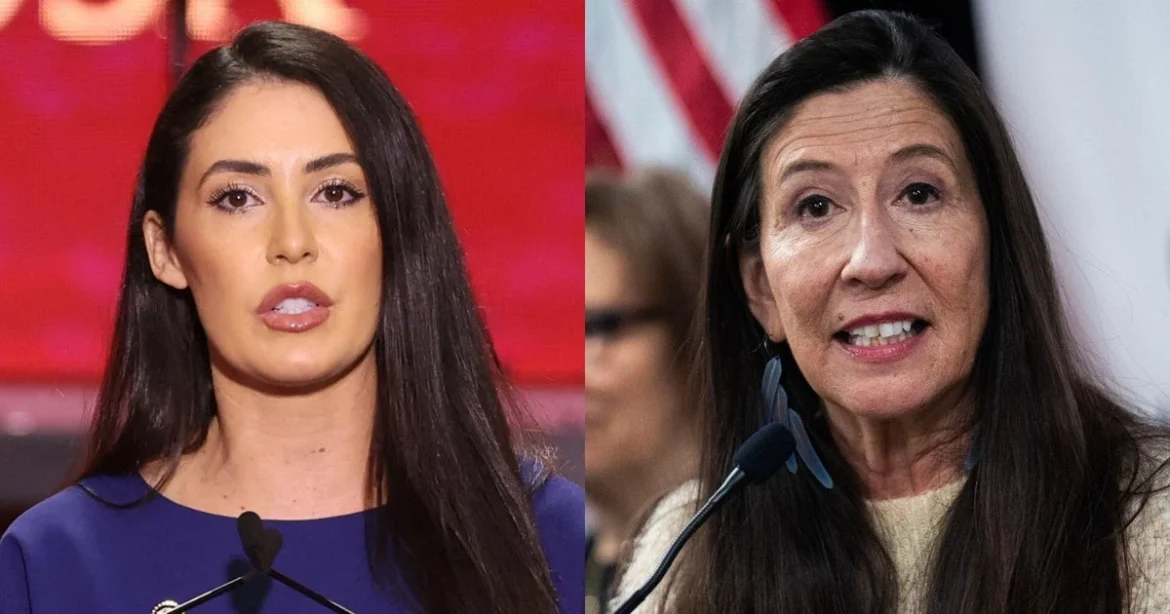
The catalyst for Tuesday’s resignations was a meticulously coordinated, bipartisan campaign spearheaded by Luna and Leger Fernández. Speaking exclusively to CBS News following the dramatic exits, the two representatives detailed how they transcended partisan divides to force action on serious allegations of misconduct. Their collaboration highlights a growing sentiment within certain factions of Congress that internal mechanisms for accountability, particularly the House Ethics Committee, are often too slow or ineffective.
Luna, a Republican known for her outspoken stance on government transparency, and Leger Fernández, a Democrat with a strong record on legislative integrity, described their joint strategy. They initiated separate, but mutually supportive, resolutions for expulsion against their respective party members, building cross-aisle momentum that ultimately proved insurmountable for Swalwell and Gonzales. Luna asserted that the necessary two-thirds support for expulsion had already been secured in the chamber, indicating that the resignations were a direct consequence of their pressure, not merely a coincidence. "We had two-thirds support for both people to be gone," Luna told CBS News, underscoring the gravity of the situation the two departing members faced.
Leger Fernández echoed this sentiment, emphasizing the critical role their resolutions played in breaking the impasse. "If it wouldn’t have been for those resolutions that we were each filing, they wouldn’t have resigned," she stated, crediting the courage of women who "were willing to break the silence" for bringing the misconduct to light. This dual-party approach sidestepped traditional leadership channels, which the duo suggested had been hesitant to act decisively, thereby demonstrating an alternative pathway for addressing serious ethical lapses within the legislative body.
The Allegations: Sexual Misconduct and Staffer Affairs
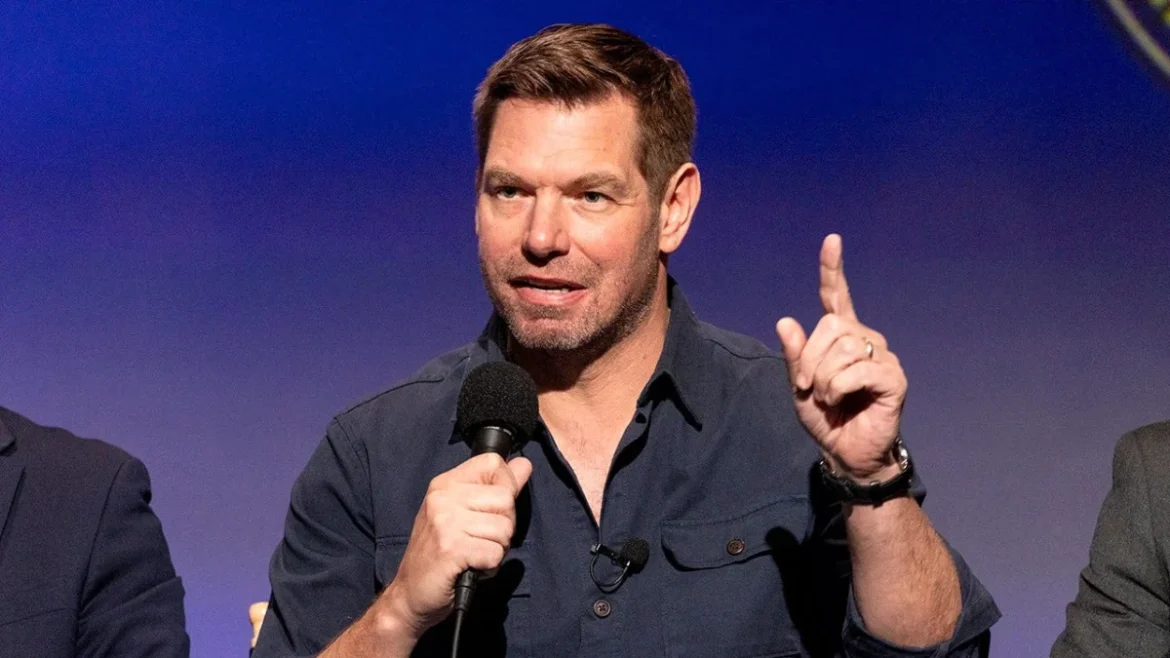
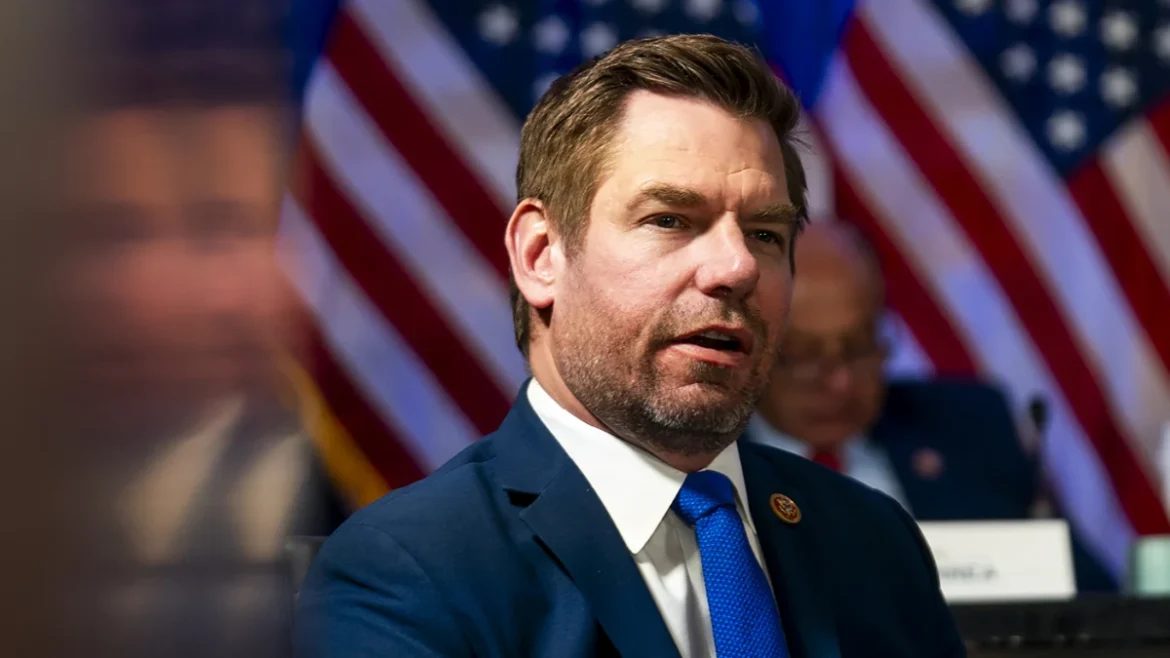
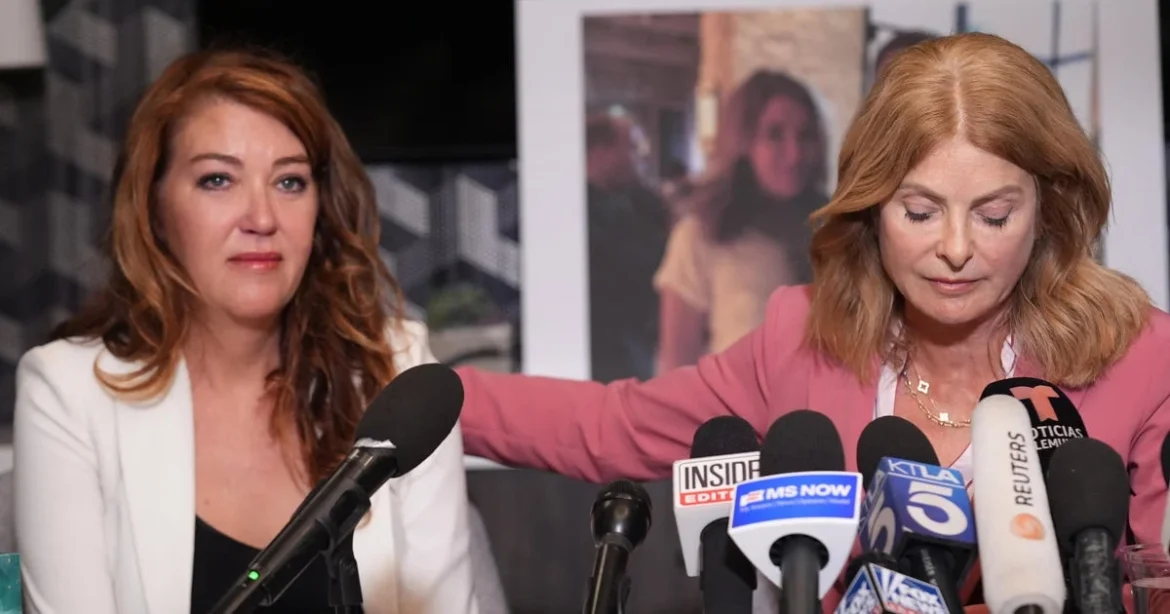
The resignations stemmed from a cascade of serious allegations that had plagued both Rep. Eric Swalwell (D-CA) and Rep. Tony Gonzales (R-TX) for weeks, if not months. Swalwell, a prominent Democratic voice and former presidential candidate, faced multiple accusations of sexual assault and sending unsolicited explicit messages. While he has consistently denied these allegations, the sheer volume and graphic nature of the claims, detailed by several women in recent days, created an untenable political environment. The scandal had already forced Swalwell to suspend his campaign for California governor over the weekend, signaling the severe political fallout he was experiencing.
Gonzales, a Republican representing a district in Texas, had been under intense scrutiny for an affair with a staffer who later tragically died by suicide. The revelation of the affair, coupled with the staffer’s death, cast a long shadow over his political career. He had already withdrawn his bid for reelection last month, acknowledging the profound impact of the scandal on his public standing and his ability to serve effectively. The combination of these personal and professional crises created an insurmountable hurdle for both lawmakers, making their positions in Congress increasingly untenable.
The timing of their resignations on the same day underscored the coordinated nature of the pressure. It sent a clear message that allegations of sexual misconduct, abuse of power, and unethical behavior, particularly those involving staff, would no longer be tolerated or quietly managed within the confines of party politics.
Congressional Leadership and Ethics Committee Under Scrutiny
House Speaker Mike Johnson (R-LA) addressed reporters late Tuesday, stating that he had no direct hand in orchestrating the resignations of Swalwell and Gonzales. However, he deemed the outcome "appropriate," particularly in light of the "alarming" allegations against Swalwell. Johnson’s comments reflect the delicate balance congressional leadership often attempts to strike between upholding institutional integrity and protecting members, especially when facing intense public and internal pressure.
Historically, Speaker Johnson has advocated for due process for members facing misconduct allegations, often pointing to the House Ethics Committee as the proper investigative body. Indeed, both Gonzales and Swalwell were under investigation by the Ethics Committee prior to their resignations. However, the bipartisan duo of Luna and Leger Fernández openly criticized the committee’s pace and efficacy. Luna bluntly described the Ethics Committee, which is composed of an equal number of five Democrats and five Republicans, as "where things go to die." Leger Fernández echoed this concern, stressing the need for reforms to ensure cases are handled more swiftly and decisively.
Rep. Michael Guest (R-MS), the current chair of the House Ethics Committee, defended the committee’s work, explaining that some investigations are inherently complex and time-consuming. He noted that probes involving extensive documentation and multiple legal representatives, such as the one concerning Rep. Cherfilus-McCormick, require diligent and thorough work. Guest assured the public that the committee members and their staff are "working diligently to move these cases through as quickly as possible," while acknowledging the public’s desire for swifter resolutions. The public discourse around these resignations is likely to intensify calls for a comprehensive review of the Ethics Committee’s mandate, resources, and procedural timelines.
The "Chain Reaction": More Members Targeted
The resignations of Swalwell and Gonzales appear to be just the beginning of a broader campaign for accountability. Luna and Leger Fernández indicated that their bipartisan efforts would extend to other members currently under ethical scrutiny. Luna explicitly named Republican Rep. Cory Mills (R-FL) and Democratic Rep. Sheila Cherfilus-McCormick (D-FL) as potential targets for future expulsion efforts.
Rep. Cory Mills is currently under investigation by the House Ethics Committee for alleged campaign finance violations, sexual misconduct, and other accusations. Luna’s resolute stance was clear: "If you’re knowingly breaking the law, then you need to go," adding, "I think the threshold will be met." Mills, however, vehemently denied the allegations and pushed back against being grouped with Swalwell and Gonzales. Speaking to reporters on Tuesday, he argued that he is not facing criminal charges or allegations involving staff, stating, "There’s absolutely no criminal charges being filed against me… no inappropriate behavior or actions with a staffer or intern on the Hill." He sought to differentiate his situation, implying that his alleged infractions were of a different nature and severity.
Rep. Sheila Cherfilus-McCormick (D-FL) has been charged by federal prosecutors with improperly using millions of dollars in federal pandemic relief funds in connection with her campaign. The Ethics Committee had determined last month that most of the allegations against her were substantiated, though it had not yet issued a recommendation on punishment. Leger Fernández pointed to these findings, noting, "We expect the committee report to come out just in a few days," and reiterated the expectation for lawmakers to uphold "a high level of integrity." Cherfilus-McCormick, in a statement to CBS News, firmly stated her intention not to resign, warning that expelling members without formal findings would set a "dangerous precedent." She also stressed that the allegations against her are "not the same as those facing some of my colleagues," asserting that "lumping them together, particularly with cases involving sexual assault and rape, is inaccurate and irresponsible."
These differentiated denials highlight the complex nature of ethical violations in Congress, ranging from financial impropriety to personal misconduct, each with varying degrees of public perception and legal consequence.
Historical Precedent and Broader Implications
The expulsion of a member of the House of Representatives is an exceedingly rare event, requiring a two-thirds vote, a high constitutional threshold designed to protect the legislative body from politically motivated purges. In U.S. history, only six members of the lower chamber have ever been expelled. The most recent instance was Republican Rep. George Santos (R-NY), who was expelled in late 2023 following charges of wire fraud, money laundering, and campaign finance violations. His expulsion, itself a historic rarity, demonstrated that the threshold, while high, is not insurmountable when public and congressional outrage reaches a boiling point.
Luna suggested that the recent developments could trigger "a chain reaction," indicating a new era of heightened accountability on Capitol Hill. This bipartisan initiative marks a significant departure from previous patterns where ethics issues often devolved into partisan skirmishes, allowing some members to weather storms due to party loyalty or institutional inertia. The collaboration between Luna and Leger Fernández, crossing the traditional aisle, suggests a potential paradigm shift where serious allegations of misconduct might transcend partisan defenses.
This push for accountability comes at a time of historically low public trust in Congress. Recent polls consistently show a significant portion of the electorate views lawmakers with skepticism, and instances of ethical breaches further erode confidence in democratic institutions. The MeToo movement and increased public demand for transparency have also contributed to a climate where allegations, particularly those involving sexual misconduct or abuse of power, are met with greater scrutiny and less tolerance.
The resignations of Swalwell and Gonzales, driven by a novel bipartisan alliance, could set a powerful new precedent. It signals that individual members, when united across party lines and galvanized by public pressure, can bypass traditional power structures to enforce higher ethical standards. This movement challenges the efficacy of the House Ethics Committee and may force congressional leadership to re-evaluate how it handles allegations of misconduct, especially those that threaten the institution’s integrity. The ongoing efforts by Luna and Leger Fernández suggest that the spotlight on congressional ethics is not dimming, but rather intensifying, potentially reshaping the landscape of accountability within the U.S. Congress for years to come.
Jaala Brown and Nikole Killion contributed to this report.