
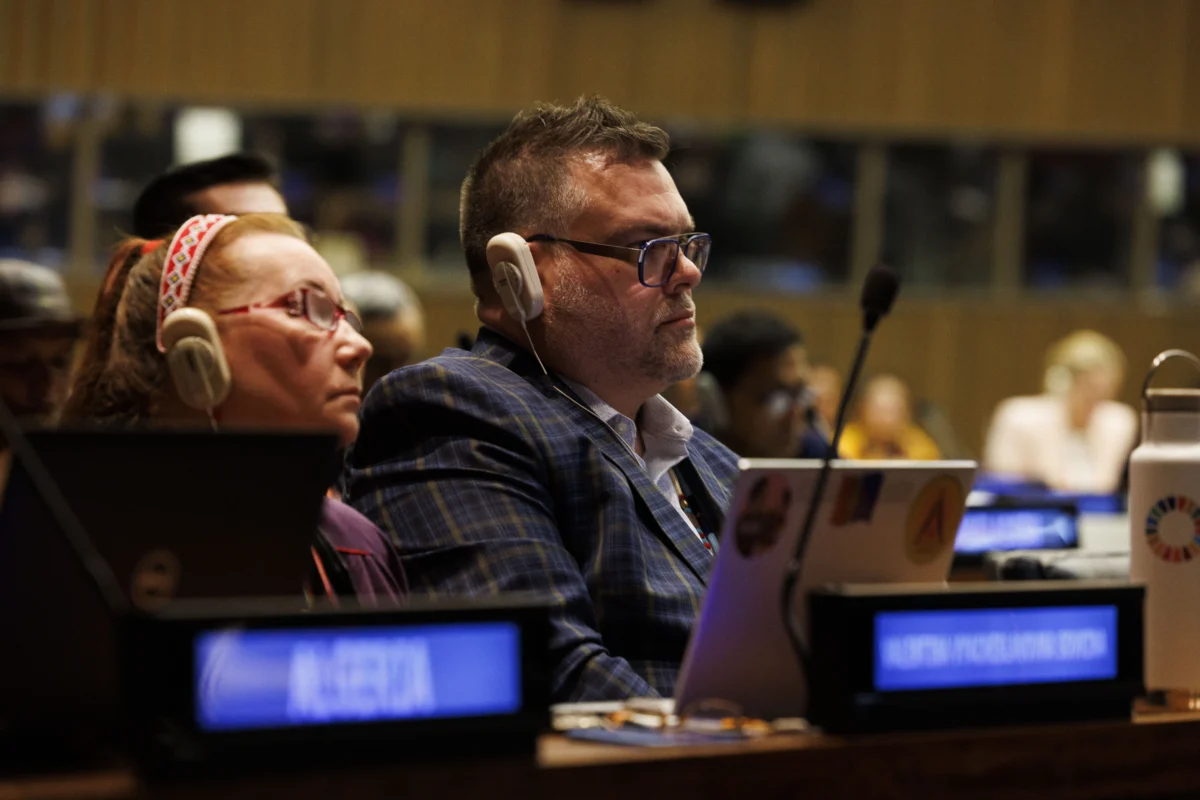
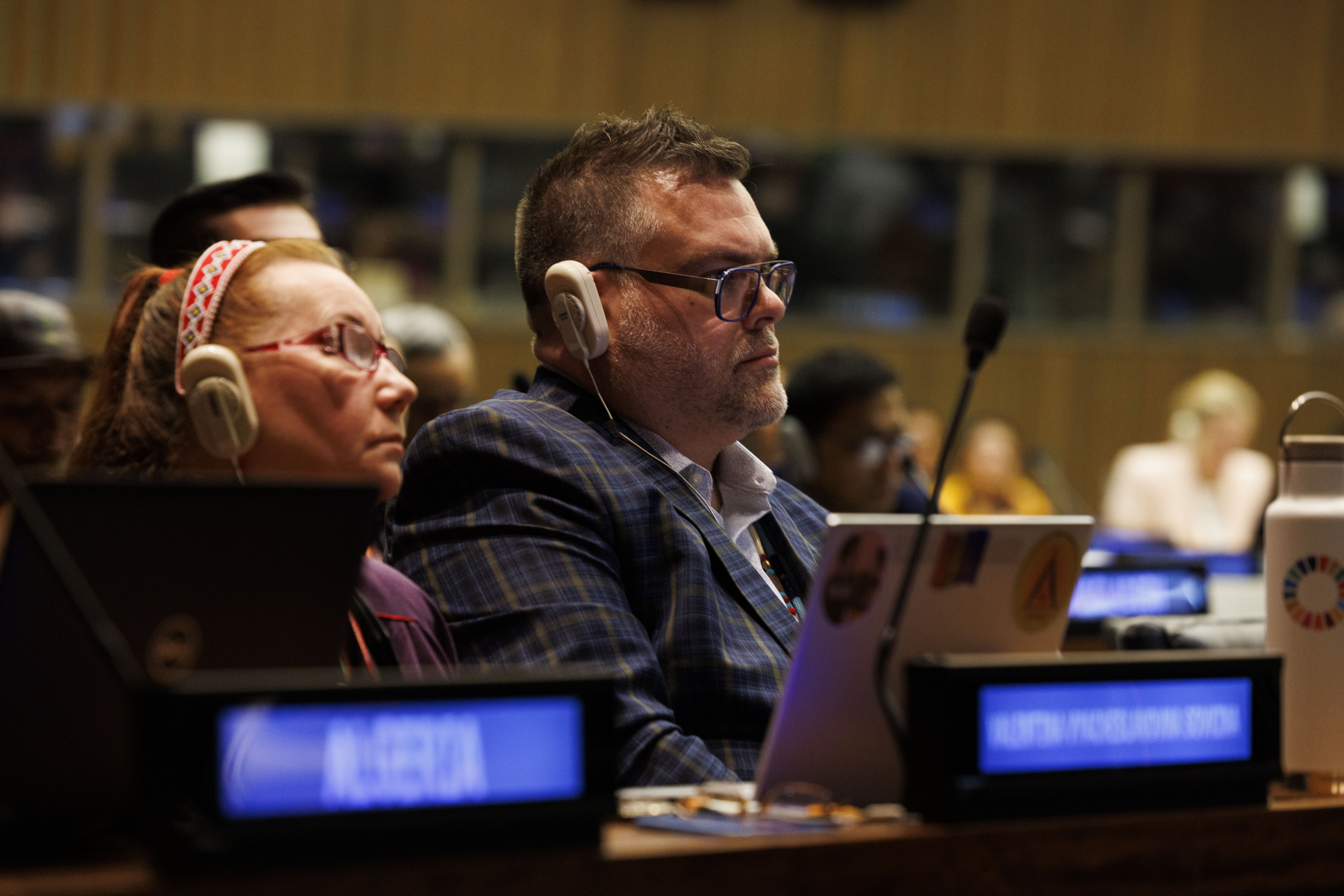
The United Nations headquarters in New York has opened its doors this week to hundreds of delegates for the 23rd session of the United Nations Permanent Forum on Indigenous Issues (UNPFII), the world’s most significant annual gathering of Indigenous peoples. While the forum is historically a space for diplomacy and the assertion of rights, this year’s assembly takes place against a backdrop of intensifying global hostility. Indigenous leaders arrive to find their ancestral lands threatened by a new frontier of extraction driven by the artificial intelligence (AI) boom, while their physical presence at the UN is increasingly hampered by restrictive visa policies in the United States. These immediate challenges are compounded by the overarching crises of climate change and "green energy" initiatives that, despite their environmental goals, frequently result in the displacement of Indigenous communities and the violation of their territorial rights.
Theme and Core Focus: Survival in the Midst of Conflict
The official theme for this year’s forum is "Ensuring Indigenous peoples’ health, including in the context of conflict." This focus reflects a grim reality for many of the world’s 476 million Indigenous people, who are disproportionately affected by both traditional warfare and the militarization of resource-rich territories. According to concept notes released by the UNPFII, Indigenous health cannot be viewed through a narrow clinical lens. Instead, experts argue that for these communities, health is inextricably linked to land sovereignty, environmental integrity, and the preservation of cultural practices.
The forum emphasizes that historical injustices, including colonialism and forced displacement, have created systemic health inequities. When these are layered with modern armed conflicts, the results are catastrophic: ecological degradation of sacred sites, the destruction of traditional food systems, and the further marginalization of Indigenous women and children. Experts at the forum are calling for a "rights-based approach" to health that prioritizes Indigenous self-determination over state-led medical interventions.
A Chronology of the UNPFII and the Evolution of Indigenous Rights
To understand the weight of this week’s gathering, it is necessary to look at the timeline of Indigenous advocacy within the United Nations system:
- 2000: The UN Economic and Social Council (ECOSOC) establishes the Permanent Forum on Indigenous Issues as a high-level advisory body.
- 2002: The first session of the UNPFII is held in New York, marking the first time Indigenous peoples have a permanent seat within the UN structure.
- 2007: The UN General Assembly adopts the United Nations Declaration on the Rights of Indigenous Peoples (UNDRIP), which remains the most comprehensive international instrument on Indigenous rights.
- 2014: The World Conference on Indigenous Peoples results in an outcome document where member states reaffirm their commitment to UNDRIP.
- 2023-2024: Rising tensions regarding "transition minerals" and AI data sovereignty begin to dominate the forum’s agenda, leading to the current session’s focus on conflict and holistic health.
This chronology demonstrates a shift from basic recognition of existence to complex negotiations over data, minerals, and the very definition of "green" progress.

The Holistic Determinants of Health: The Roth Report
A central pillar of this year’s discussions is a comprehensive report by Geoffrey Roth, a Standing Rock Sioux descendant and former vice chair of the Permanent Forum. Roth, who currently serves as the board chair of the Indigenous Determinants of Health Alliance, argues that the international community must move beyond Western definitions of public health.
"You can’t separate human health from the health of the environment, or our culture, or our language," Roth stated. His report outlines "Indigenous determinants of health," which include land tenure, governance authority, and the revitalization of Indigenous languages. Roth highlights that when states ban traditional practices—such as Indigenous midwifery—in favor of Western institutional medicine, they often subject Indigenous women to "obstetric violence," including procedures performed without informed consent and systemic racism within hospital settings.
The report offers successful models of Indigenous-led health governance, such as the Coquille Indian Tribe in Oregon. Last year, the tribe adopted an ordinance incorporating Indigenous determinants of health into their legal framework. This includes recognizing traditional activities, such as monthly fishing trips for elders, as essential health interventions that improve mental, behavioral, and spiritual well-being while securing traditional food sources.
Digital Extractivism: The Double-Edged Sword of Artificial Intelligence
As the global economy pivots toward AI, Indigenous leaders are sounding the alarm on a new form of exploitation: digital extractivism. Hindou Oumarou Ibrahim, an Indigenous Mbororo leader from Chad and former UNPFII chair, warned in a report that generative AI systems are actively "scraping" Indigenous cultural content. This includes sacred medicinal knowledge, traditional stories, and even genetic data, often without the consent or knowledge of the communities involved.
Lydia Jennings, a citizen of the Pascua Yaqui Tribe and an assistant professor at Dartmouth College, shared a troubling example of this trend. She discovered that a mining company had taken information about Indigenous cultural practices from an environmental impact statement and repurposed it on its website to promote a mining project. This has fueled a growing movement for "Indigenous Data Sovereignty," which seeks to ensure that communities retain the rights to own and control their data.
While AI offers potential benefits—such as tools for monitoring territorial borders or revitalizing endangered languages—the infrastructure required to support it poses physical threats. Massive data centers require vast amounts of water and land, often encroaching on tribal resources. "It can be a tool to power and a tool to harm," Jennings noted, questioning how power will be redistributed in the digital age.
The "Green Transition" and the Displacement of Nomadic Peoples
The forum is also addressing the paradox of climate change mitigation. While the world seeks to move away from fossil fuels, the demand for "critical minerals" like lithium, cobalt, and copper has led to a surge in mining on Indigenous lands. Advocates are calling for climate financing to be made directly available to Indigenous communities, rather than being funneled through state intermediaries who may have conflicting interests.
A February report focusing on nomadic and pastoralist peoples, such as the Tuareg in the Sahara and the Maasai in East Africa, highlights the dangers of "fortress conservation." This model of environmental protection often involves fencing off large tracts of land and banning human presence, which restricts the traditional mobility essential for Indigenous survival.
Samante Anne, representing the Mainyoito Pastoralists Integrated Development Organization in Kenya, explained that mobility is a deliberate climate adaptation strategy. "Mobility has everything to do with ensuring our livelihoods are secure," she said. However, the subdivision of communal lands for development and carbon offset projects is increasingly rendering these traditional routes impassable, threatening the food security of millions.
Barriers to Entry: Visa Restrictions and Geopolitical Hostility
Despite the importance of the forum, many delegates from the Global South have been unable to attend due to practical and political barriers. Mariana Kiimi Ortiz Flores, an advocacy assistant at Cultural Survival and a member of the Na Ñuu Savi people of Mexico, reported that numerous Indigenous representatives from Africa and South America were denied U.S. visas this year. These restrictions, often traced back to policies established during the Trump administration, continue to limit the diversity of the forum.
Flores noted that the climate for Indigenous delegates has become increasingly hostile, citing instances of harassment by state political figures and a general atmosphere of hate speech against Latin and Indigenous peoples. "The forum is meant to be for Indigenous peoples, but we really felt that’s not what’s happening anymore," Flores said, expressing concern that state governments still hold ultimate power over Indigenous lives.
The "IPLC" Controversy: A Fight for Legal Distinction
A persistent point of contention within the UN system is the use of the acronym "IPLC," which stands for "Indigenous Peoples and Local Communities." While often used for brevity in environmental treaties, Indigenous leaders argue that this conflation is a deliberate attempt to dilute their unique legal status under international law.
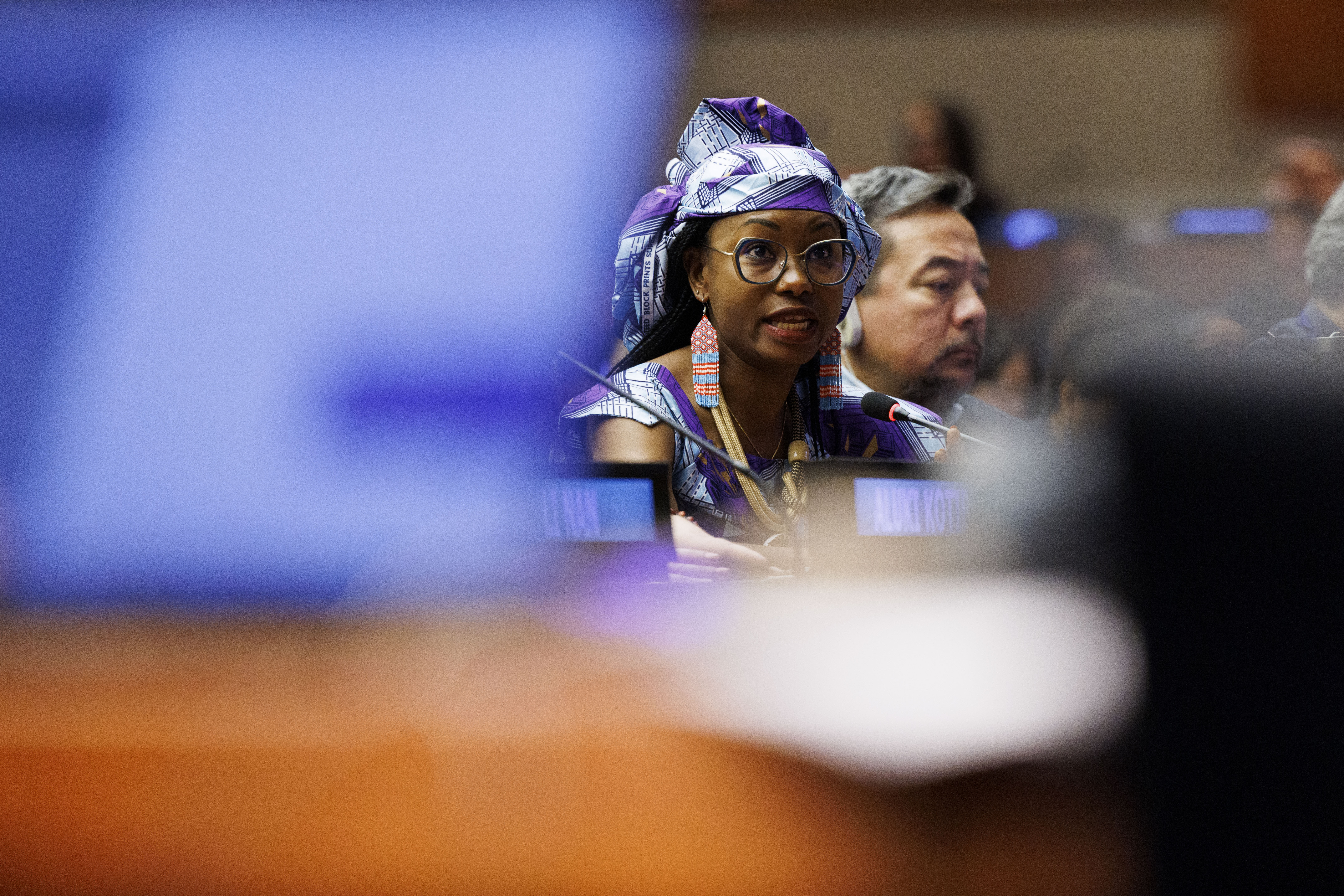
Unlike "local communities," Indigenous peoples hold specific rights to self-determination and prior informed consent under UNDRIP. In 2023, the UN’s three primary Indigenous rights bodies issued a joint statement demanding that the acronym be retired. Geoffrey Roth emphasized that grouping Indigenous peoples with other minority populations diminishes their ability to advocate for their specific rights. "We are rights holders, and this needs to be approached from a rights-based approach," Roth asserted.
Analysis of Implications and Future Outlook
The 23rd session of the UNPFII serves as a critical barometer for the state of global human rights. The shift in focus toward AI and transition minerals suggests that the "extractive frontier" is moving faster than the legal frameworks designed to protect Indigenous territories.
The implications of this session are twofold. First, there is a clear push for the decentralization of climate and health funding, moving it away from state control and directly into the hands of Indigenous governments. Second, the forum highlights a growing disillusionment with international institutions. As Mariana Kiimi Ortiz Flores observed, the United Nations is losing influence as member states increasingly disregard international norms.
However, the determination of delegates to attend despite visa denials and security risks underscores the forum’s enduring role as a vital stage for global resistance. For many Indigenous communities, the UNPFII is not merely a diplomatic exercise but a necessary defense mechanism against the multifaceted threats of the 21st century. As the session continues, the international community faces a choice: to uphold the sovereignty of Indigenous peoples as a cornerstone of global health and climate stability, or to allow the "green" and "digital" revolutions to become the latest chapters in a long history of dispossession.

