
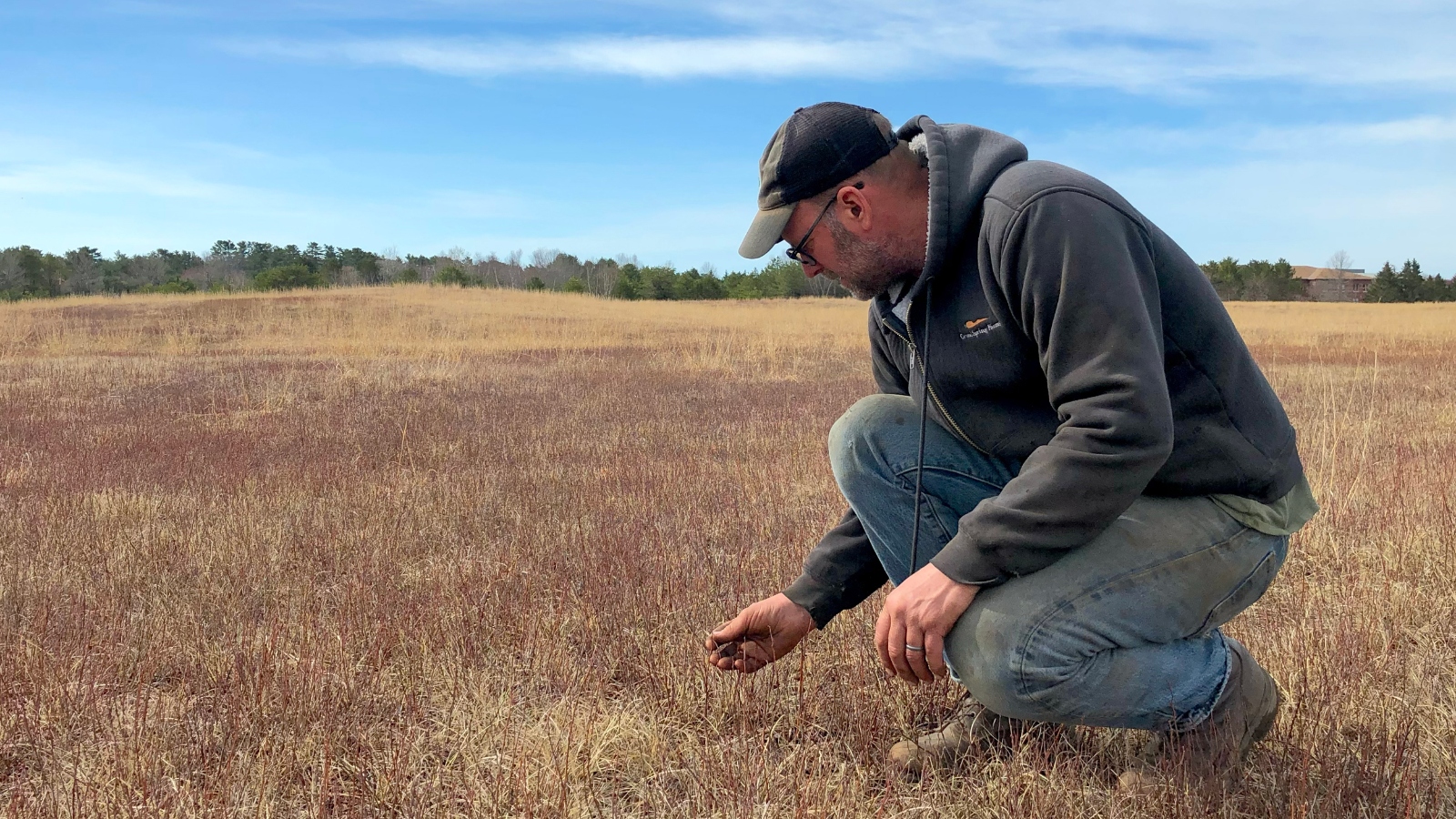
Last summer, the wild blueberry fields at Crystal Spring Farm in Brunswick, Maine, underwent a premature and ominous transformation. Typically, the vibrant red hue of the blueberry bushes signals the arrival of autumn, but in 2025, the leaves turned early, a physiological distress signal from plants gripped by a severe and unyielding drought. For Seth Kroeck, the 55-year-old owner of the farm, the visual change was a harbinger of economic disaster. The berries, deprived of moisture, shriveled on the vine before they could reach maturity. By the end of the season, Kroeck’s 72-acre operation had harvested a mere 7 percent of its expected yield—a devastating blow that has become increasingly common for those tending to Maine’s most iconic crop.
The plight of Crystal Spring Farm is not an isolated incident but rather a symptom of a broader, more systemic threat facing the wild blueberry industry in New England. As climate change accelerates, the "lowbush" blueberry—a fruit that has grown naturally in the region’s acidic, sandy soil for millennia—is struggling to adapt to a new reality defined by "climate whiplash." This phenomenon, characterized by rapid swings between extreme moisture and prolonged drought, is challenging the survival of small-scale farmers and forcing a reevaluation of agricultural practices that have remained unchanged for generations.
The Economic and Cultural Backbone of Maine
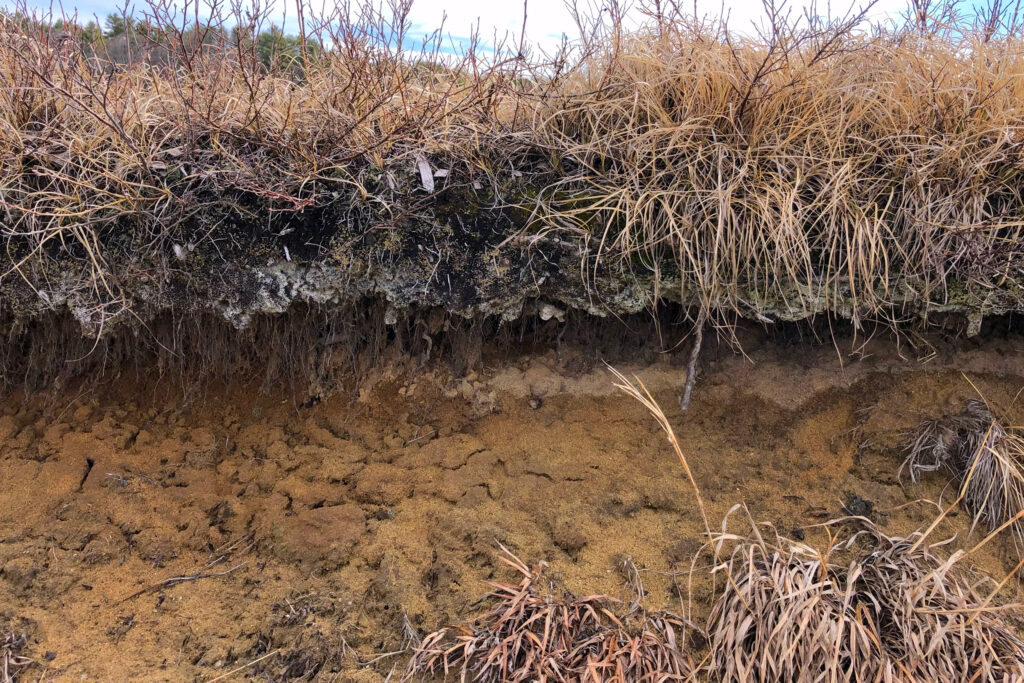
Wild blueberries (Vaccinium angustifolium) are distinct from the larger, cultivated highbush blueberries found in most supermarket produce sections. Smaller, more flavorful, and packed with higher concentrations of antioxidants, wild blueberries are a native North American species. Unlike cultivated varieties, they are not planted by humans; instead, they spread via underground rhizomes, creating a carpet of genetically diverse clones. Maine is the only state in the U.S. where these berries are harvested commercially on a large scale, producing nearly the entire domestic supply.
In 2023, the industry harvested approximately 88 million pounds of fruit, generating $361 million in revenue for the state. Beyond the balance sheets, the wild blueberry is a cultural touchstone, as central to Maine’s identity as the lobster. However, the stability of this industry is faltering. Data from the Wild Blueberry Commission of Maine indicates a downward trend in both the number of active farms and total commercial acreage. Financial pressure, exacerbated by climate instability, is driving even the largest producers to scale back. Wyman’s, one of the state’s agricultural titans, recently announced plans to sell nearly 800 acres of blueberry fields, citing the mounting difficulties of maintaining profitability in the current environment.
A Chronology of Climate Instability
The last decade has provided a stark timeline of the challenges facing Maine’s blueberry barrens. The traditional rhythm of the harvest—usually occurring in early to mid-August—has been disrupted by rising temperatures and erratic precipitation patterns.
In 2020 and 2022, severe droughts stunted growth across the state. In 2023, the pendulum swung in the opposite direction, as Maine recorded one of its wettest years in history. While moisture is generally welcomed, excessive rain creates a breeding ground for fungal diseases and allows weeds to outcompete the low-lying blueberry bushes. Furthermore, a surprise late-spring frost in 2023 killed off flower buds just as they were beginning to form, leading to losses that are still impacting farmers’ bank accounts years later.
The 2025 season represented a "classic example of climate whiplash," according to Lily Calderwood, a wild blueberry specialist at the University of Maine Cooperative Extension. The year began with a saturated spring, only for the taps to turn off in June. A severe drought intensified through August, causing berries to dehydrate and drop before they could be raked. The Wild Blueberry Commission estimates that the 2025 season resulted in a $30 million loss for the industry. For farmers like Kroeck, the frequency of these events is the most alarming factor. "In the last seven years, we’ve lost the crop three times, almost completely," he noted.
The Science of a Warming Hotspot
The environmental pressure on Maine’s blueberries is intensified by the state’s geographic location. Research published in 2021 highlights that Maine’s blueberry barrens are warming at a rate faster than the rest of the state, particularly in coastal regions. This is driven in part by the rapid warming of the Gulf of Maine, which is heating up faster than 99 percent of the world’s oceans.
Rachel Schattman, a professor of sustainable agriculture at the University of Maine, explains that these rising temperatures are forcing the fruit to ripen earlier. What was once an August harvest now often begins in late July. This shift creates a logistical nightmare for farmers, who must secure labor and equipment earlier than planned. Moreover, the higher heat shortens the harvest window; if the berries are not picked immediately upon ripening, the heat causes them to soften and lose their commercial value.
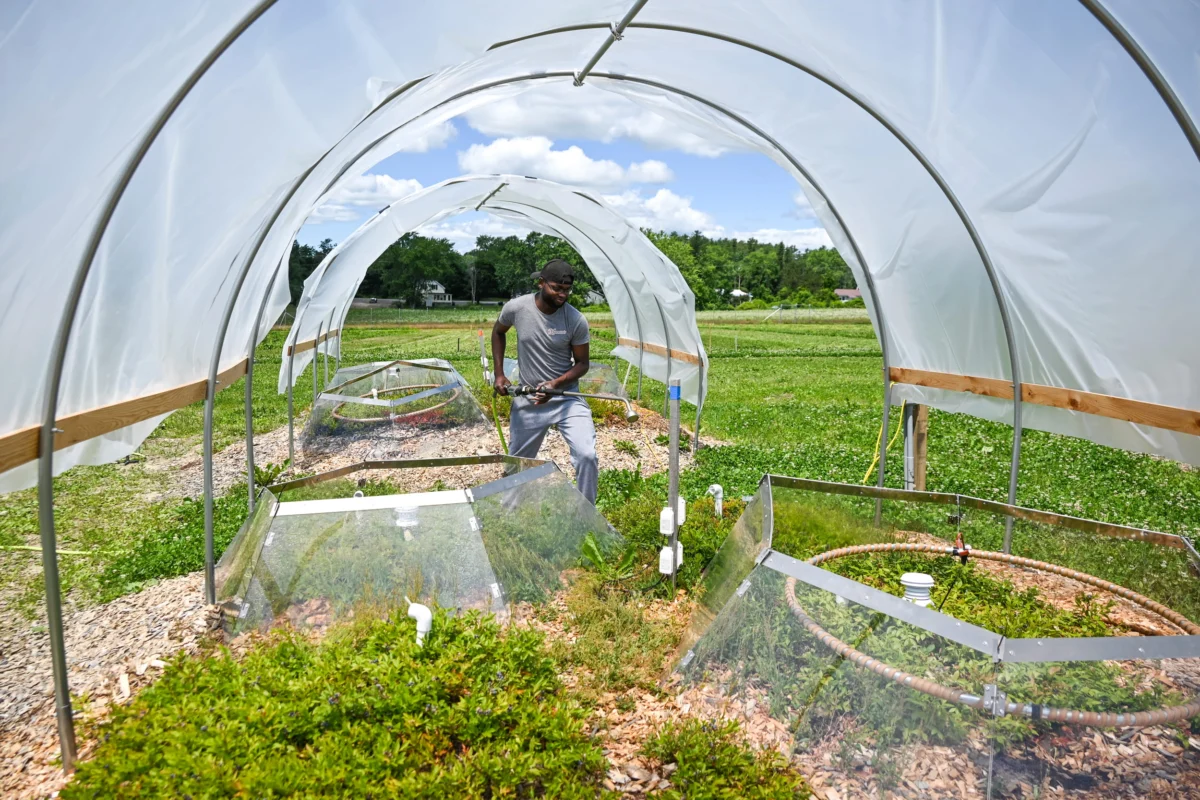
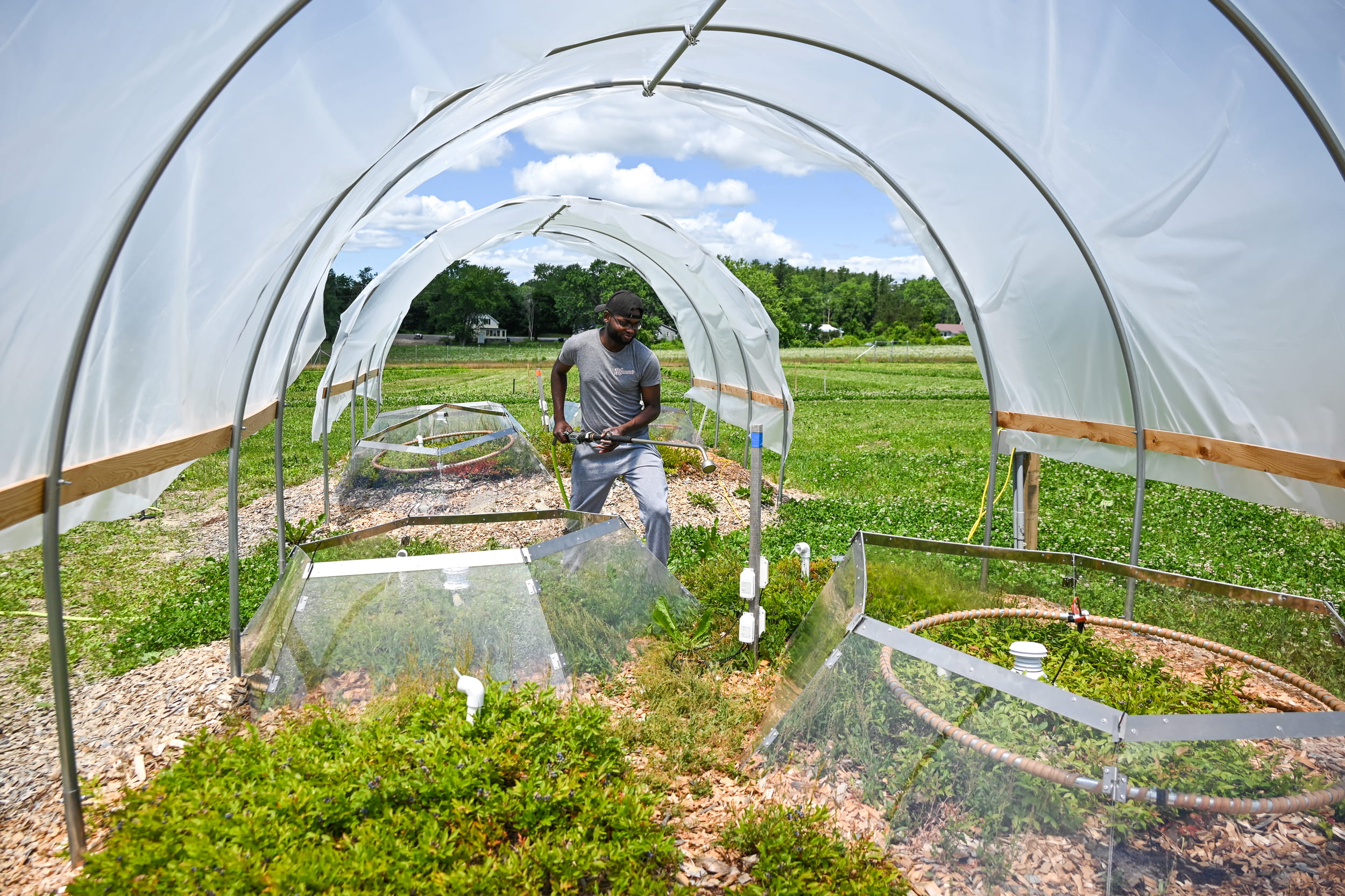
To study these effects, Schattman’s team at the Wyman’s Research Center in Old Town is simulating future climate scenarios. Using passive heat traps and heating coils, researchers are observing how the plants respond to the temperatures expected at the end of the century. The data collected thus far suggests that while the plants are resilient, their ability to produce a viable commercial crop is highly dependent on consistent moisture—a resource that is becoming increasingly scarce.
The High Cost of Adaptation
As the natural environment becomes less predictable, farmers are turning to technology to bridge the gap. The two primary tools for mitigation are mulching and irrigation, but both come with significant financial hurdles.
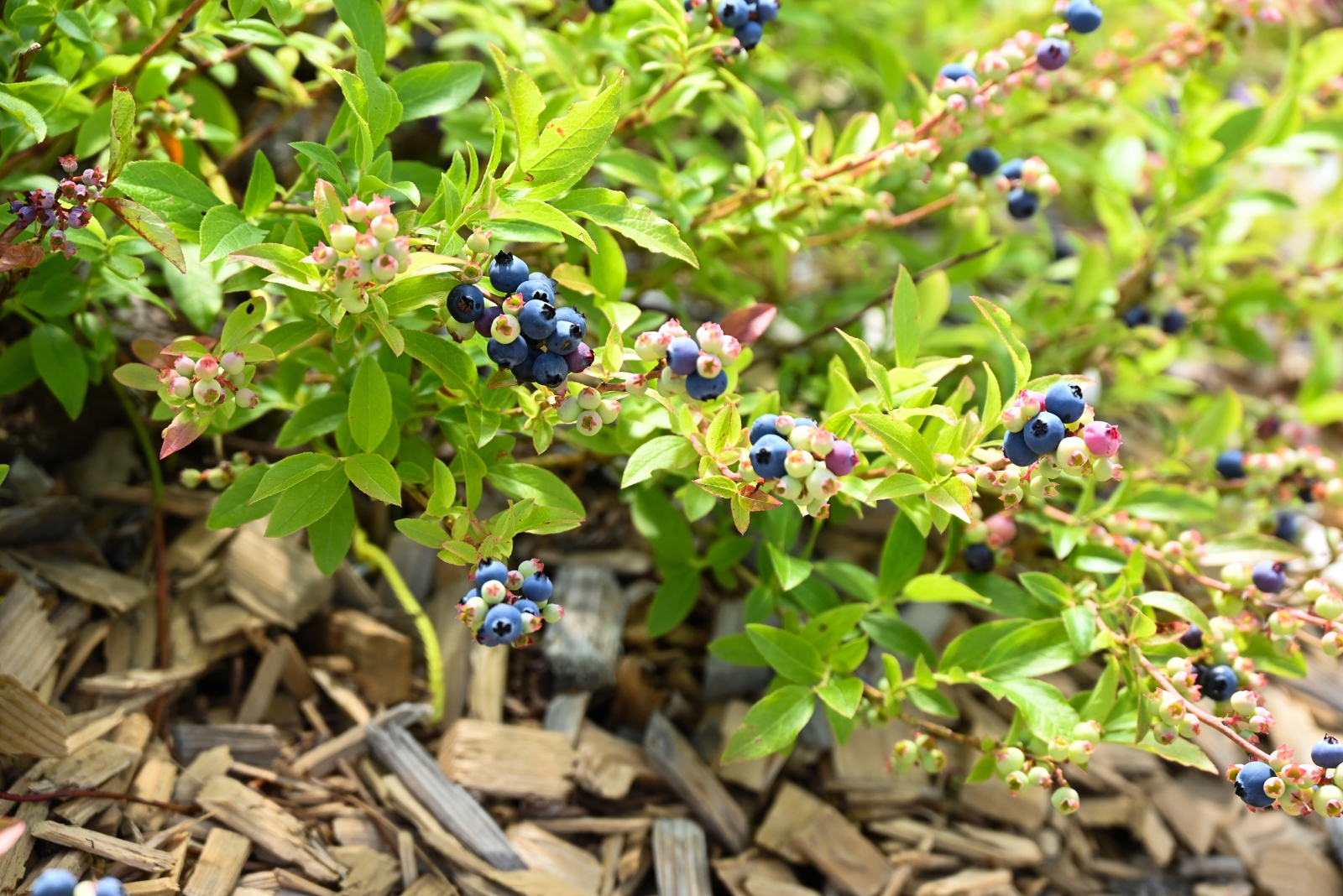
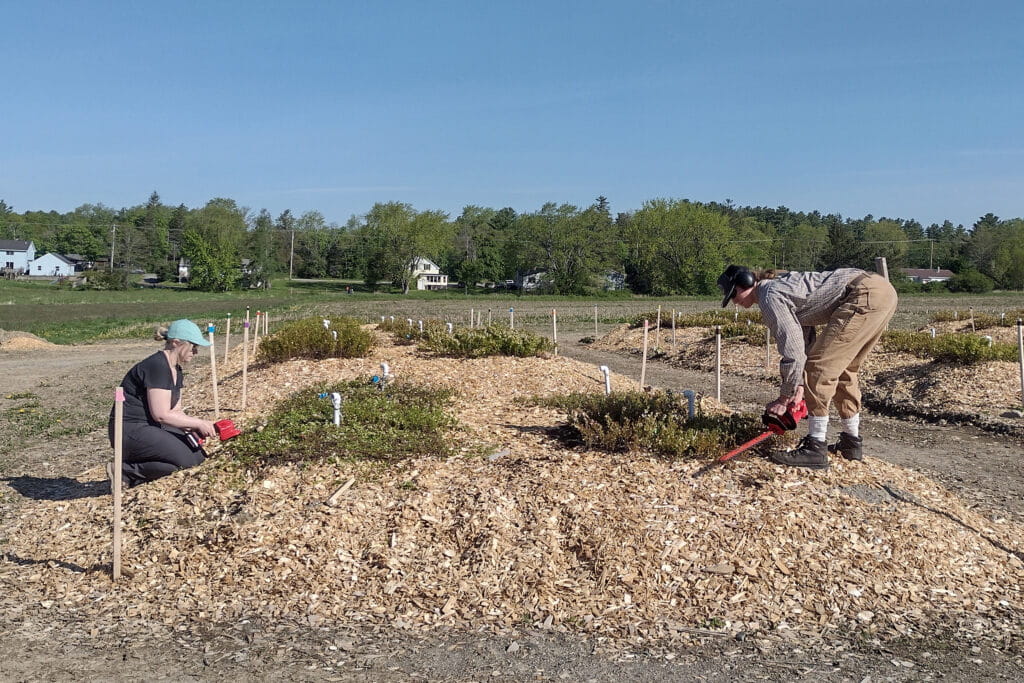
Mulching—spreading organic material like wood chips or bark over the fields—helps retain soil moisture and lower ground temperatures. However, the cost is prohibitive. Kroeck has applied mulch to less than half of his acreage, with costs ranging from $5,000 to $10,000 annually. Irrigation is even more expensive. To protect a quarter of his fields, Kroeck recently invested $90,000 in a new well and irrigation equipment.
For many small-scale growers, these investments are out of reach. "Every farm needs irrigation, but they just simply can’t afford it," said Calderwood. The financial strain is compounded by a "vicious cycle" in crop insurance. Insurance payouts are based on a farm’s historical average yield. When a farm suffers multiple losses in quick succession, its "average" drops, resulting in lower insurance coverage and smaller payouts for future disasters.
Political and Market Headwinds
The struggle to adapt is occurring against a backdrop of diminishing federal and state support. The Natural Resources Conservation Service (NRCS), a branch of the USDA that provides technical and financial assistance to farmers, has faced significant budget and staffing cuts. Since the beginning of the current federal administration, the NRCS has lost approximately 25 percent of its workforce.
In Maine, the impact of federal policy was felt acutely when $15.5 million in funding for a water management pilot program was clawed back due to federal grant adjustments. This program was designed to help dozens of wild blueberry farms implement irrigation and sustainable water practices. Without this influx of capital, the gap between large-scale industrial producers and small family farms is expected to widen, as only the largest operations have the internal capital to fund climate-resilience projects.
Market conditions are also unfavorable. Wild blueberry farmers are facing increased competition from cultivated blueberry producers in high-output regions like Peru and the Pacific Northwest. This competition, combined with rising costs for labor and fertilizer, has squeezed profit margins. Farmers are currently earning roughly 50 percent less per pound than they were just a few years ago. In response, some growers are exploring the "fresh pack" market—selling berries fresh rather than frozen—to capture higher prices, though this requires further investment in specialized harvesting and sorting equipment.
The Path Forward
Despite the grim outlook, experts do not believe the wild blueberry is in danger of extinction. The plant itself is an evolutionary survivor, capable of enduring harsh conditions that would kill more delicate crops. "Every year, there will be blueberries to harvest," Calderwood noted. The real question is whether the human infrastructure surrounding the fruit—the farms, the local economies, and the generational knowledge—can survive.

The future of the industry likely depends on a combination of scientific innovation and robust policy support. Researchers at the University of Maine are continuing to provide data-driven roadmaps for irrigation timing and soil management, hoping to help farmers maximize the impact of every gallon of water used. Meanwhile, advocacy groups continue to push for the restoration of federal agricultural grants and more comprehensive crop insurance programs that account for the unique challenges of perennial native crops.
For Seth Kroeck, the goal remains simple but difficult: to ensure that the fields at Crystal Spring Farm continue to produce the fruit that has defined the region for thousands of years. As he looked over his young plants in the spring of 2026, the uncertainty of the coming summer loomed large. "I hope that we’re going to be able to make the pivots that we need to make to save the crop," he said. In a world of climate whiplash, those pivots are no longer optional; they are the price of survival.

