
The release of the new Netflix docuseries, This Is a Gardening Show, marks a significant departure from traditional celebrity-led lifestyle programming, positioning actor and comedian Zach Galifianakis as an advocate for small-scale agrarianism. Debuting on Earth Day, the six-episode series moves beyond the aesthetic appeal of horticulture to address the practicalities, frustrations, and systemic importance of growing food in an increasingly volatile global climate. Galifianakis, widely recognized for his surrealist humor and the confrontational style of Between Two Ferns, adopts a more sincere and bucolic persona, engaging with farmers and ecological experts to highlight gardening as a vital skill for modern civilization.
The Shift from Industrial to Agrarian Perspectives
The core thesis of the series, as articulated by Galifianakis, is that the future of humanity is inextricably linked to an "agrarian" lifestyle. During an episode focused on the science of composting, Galifianakis posits that understanding the mechanics of food production is not merely a hobby but a fundamental requirement for social resilience. This perspective aligns with a growing movement that views decentralized food production as a necessary alternative to the vulnerabilities of industrial agriculture.
Industrial agriculture is currently facing unprecedented pressure from multiple global factors. The series and surrounding discourse point to a "perfect storm" of economic and environmental challenges. Supply chains have been severely disrupted by geopolitical instability, most notably in the Middle East. The closure of the Strait of Hormuz, a critical maritime chokepoint, has historically led to spikes in fuel and fertilizer costs, directly impacting the price of supermarket staples. Furthermore, the reliance on monocropping—the practice of growing a single crop over a large area—has rendered the global food supply susceptible to pests, diseases, and the shifting patterns of a warming planet.
In contrast, the gardens and small farms featured in This Is a Gardening Show emphasize biodiversity and adaptability. By cultivating a wide variety of plants, small-scale growers can ensure that if one crop fails due to weather or pests, others may survive, providing a level of food security that industrial "factory farms" cannot match.
Climate Resilience and the Future of Crops
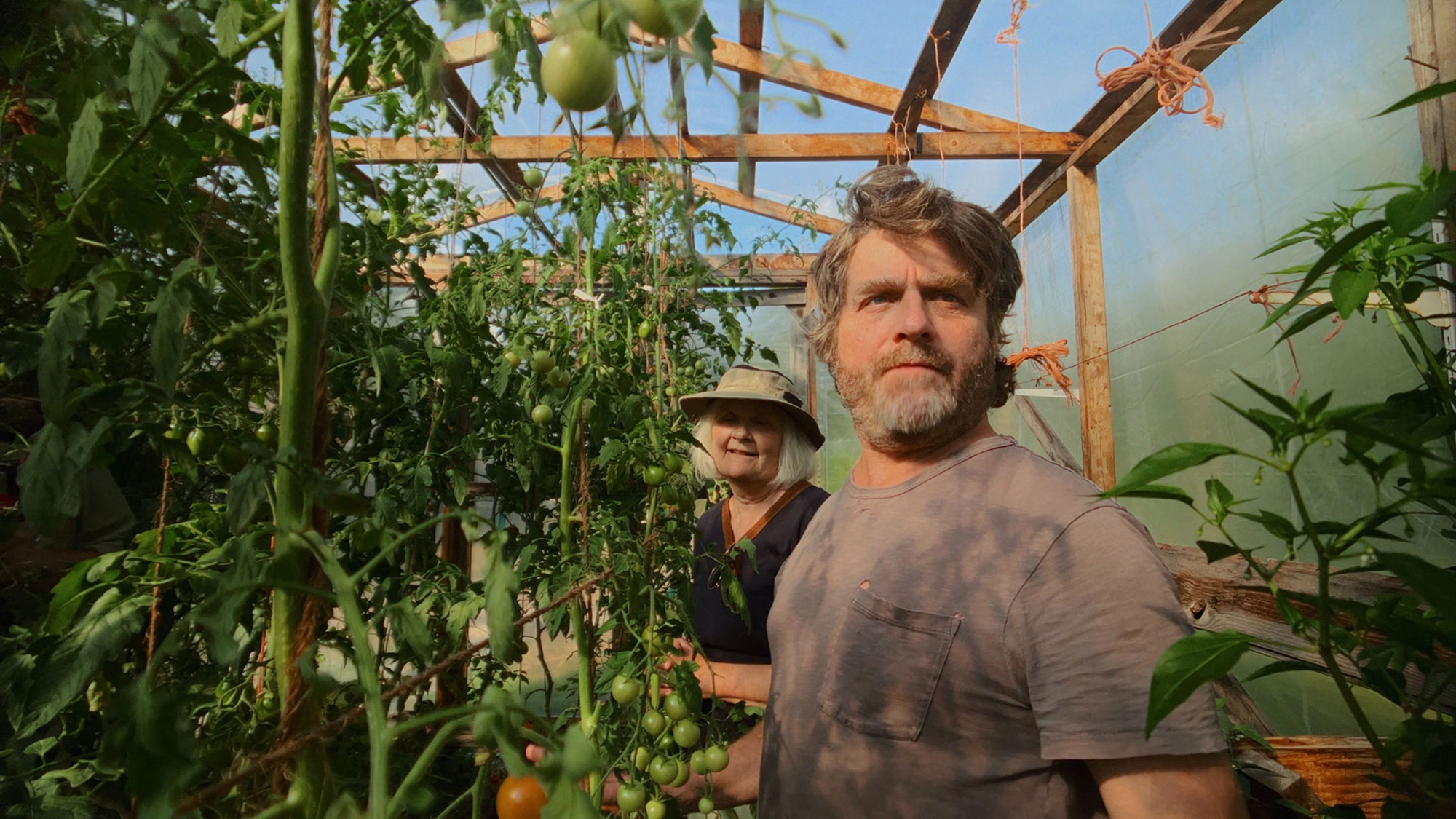
A significant portion of the docuseries is dedicated to the technical innovations required to farm in a changing environment. Galifianakis visits the Steller Raven Ecological Farm, operated by Royann Petrell and Sylvain Alie, where the focus is on developing crop varieties capable of withstanding extreme temperatures. The farm has gained attention for its development of what it terms the "future of tomatoes." These varieties are specifically bred to thrive in greenhouse conditions reaching upwards of 140 degrees Fahrenheit.
According to Petrell and Alie, the flavor profile of these heat-resistant tomatoes actually improves as the temperature rises, a stark contrast to commercial varieties which are often bred for uniform shape and transportability at the expense of taste and climate resilience. This segment highlights a broader trend in horticulture: the search for "climate-ready" seeds. As global temperatures continue to rise, the ability to grow high-yield, nutrient-dense food in extreme heat will become a cornerstone of agricultural survival.
The series also touches upon the "humbling" nature of gardening, where even the most experienced growers are subject to the whims of nature. Whether dealing with drought, unseasonable frosts, or the "infamous microclimates" found in regions like San Francisco, the show illustrates that gardening is a constant process of trial, error, and adaptation.
Urban Agriculture and Food Security
As the world’s population becomes increasingly urbanized, This Is a Gardening Show explores the untapped potential of city-based farming. Data suggests that urban farms and community gardens can play a critical role in making cities more livable while addressing "food deserts"—areas where residents lack access to fresh, affordable produce.
The docuseries highlights several innovative approaches to urban gardening:
- Rooftop Cultivation: Utilizing the vast, underused surface area of city buildings to grow crops.
- Agrivoltaics: The practice of growing plants underneath solar panels. This dual-use strategy provides shade for crops, reducing water evaporation, while simultaneously generating clean electricity.
- Community Plots: Transforming vacant lots into productive green spaces that foster social bonds and provide local sustenance.
By integrating food production into the urban fabric, cities can reduce the "food miles" associated with transporting produce from distant industrial farms, thereby lowering the carbon footprint of the local diet. Galifianakis argues that these practices are not just environmentally sound but are "lifesavers" that can improve the mental and physical well-being of urban populations.
The Biological Reality of Pest Management
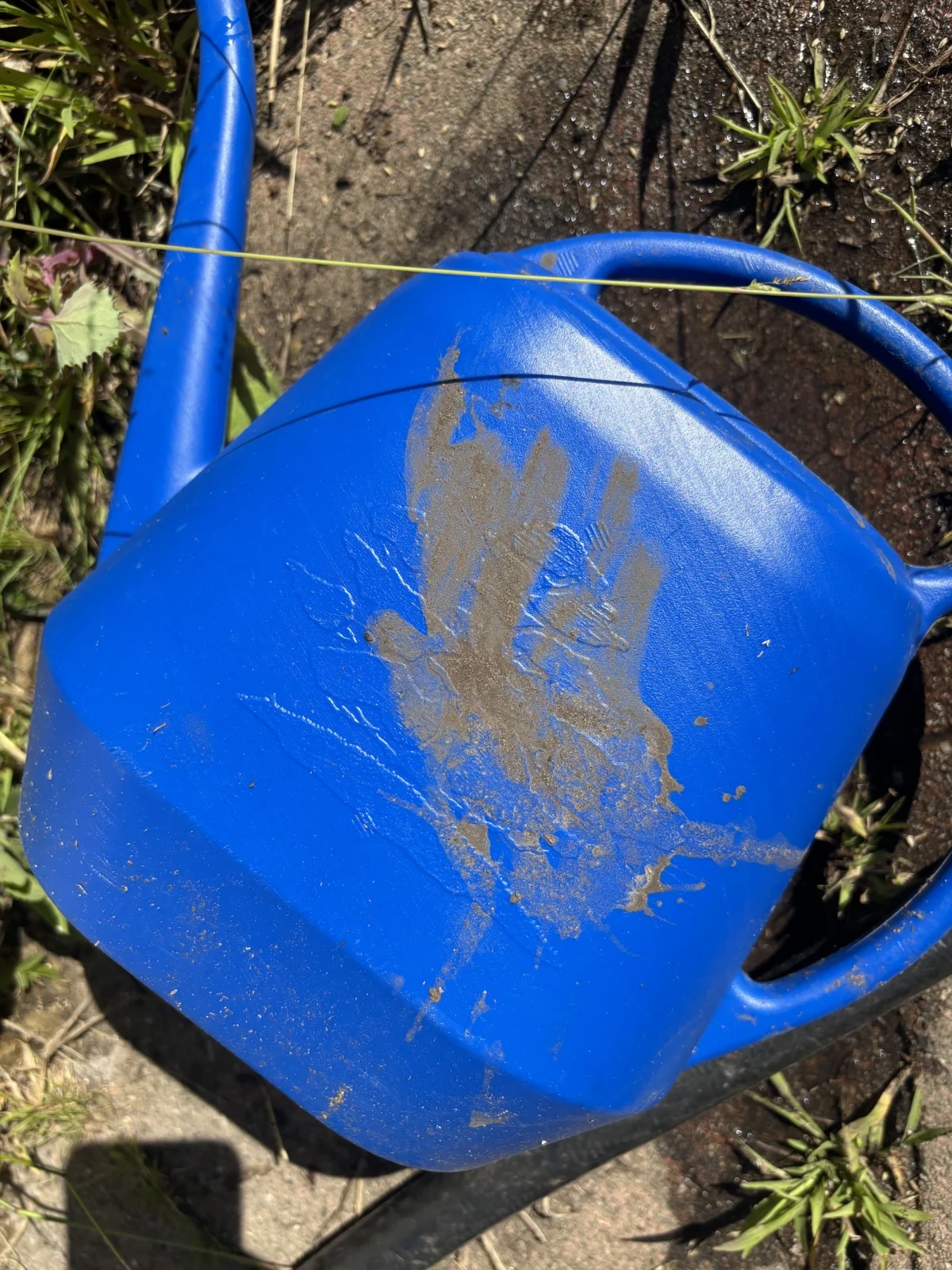
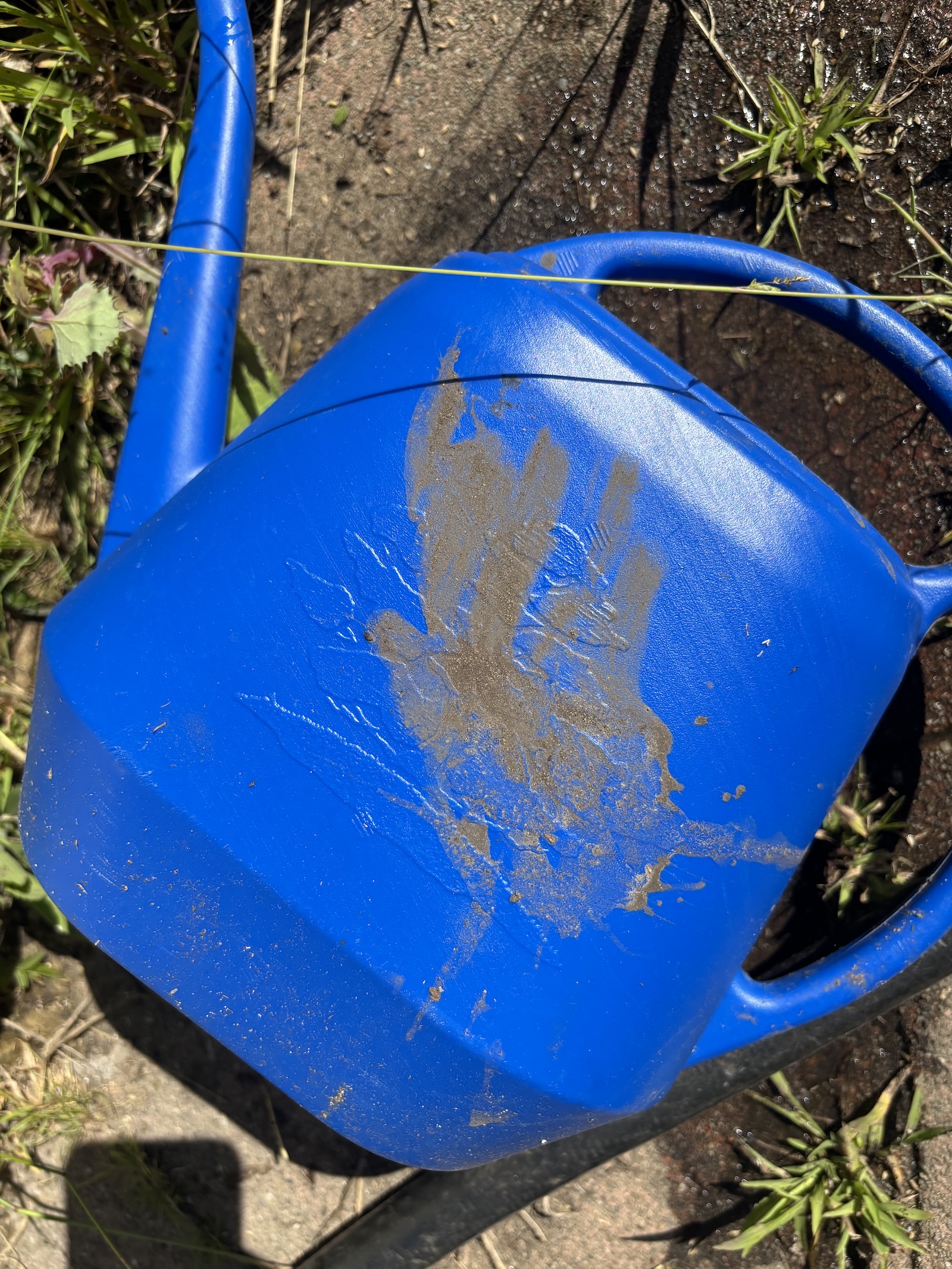
While the series celebrates the triumphs of gardening, it does not ignore the persistent challenges posed by local wildlife. The struggle between the gardener and the "nocturnal bandit" is a recurring theme. Raccoons (Procyon lotor), in particular, are identified as a primary antagonist for small-scale growers. Known for their high intelligence and manual dexterity, raccoons are capable of uprooting seedlings, raiding compost bins, and even solving complex puzzles to access protected areas.
A recent study from the University of British Columbia, referenced in the context of the series, suggests that raccoons may actually enjoy solving puzzles for cognitive stimulation. This poses a unique challenge for gardeners attempting to "raccoon-proof" their plots. Techniques such as double-framing trellises or using zip-tied enclosures are often met with the animal’s persistent curiosity.
The series uses these interactions to illustrate a broader ecological point: a garden is a shared ecosystem. Rather than viewing wildlife solely as a nuisance, the show encourages a rhythm of gardening that acknowledges the presence of pests and predators. This "ecological literacy" is presented as a vital part of the agrarian mindset, requiring the gardener to problem-solve and improvise in harmony with the environment rather than in constant opposition to it.
Educational Components and Horticultural Techniques
Beyond its philosophical and environmental themes, This Is a Gardening Show serves as a primer for various horticultural techniques. Galifianakis and his guests provide practical insights into:
- Composting: The transformation of organic waste into nutrient-rich soil, emphasizing what should and should not be added to a bin (e.g., the exclusion of plastics and non-biodegradable materials).
- Grafting: The technique of joining tissues from different plants so they grow as one, often used to create hardier fruit trees.
- Pollination: The critical role of insects, such as bumblebees, in fertilizing native plants and ensuring crop yields. The show specifically explains how certain crops, like corn, will develop abnormalities if not pollinated correctly.
- Seed Saving: The importance of preserving heirloom varieties to maintain genetic diversity in the food supply.
These segments are often punctuated by Galifianakis’s signature humor, including interviews with schoolchildren about the origins of their food. These interactions highlight a widespread "nature deficit" among younger generations, reinforcing the show’s argument that gardening education is a necessary societal intervention.
Broader Impact and Civilizational Implications
The docuseries arrives at a time when public interest in self-sufficiency and "homesteading" is at an all-time high. Economic pressures, such as skyrocketing food prices and the rise of ultra-processed foods, have driven many to seek out more transparent and sustainable ways of eating.
Galifianakis’s commentary often veers into the speculative, suggesting that in the event of a "civilizational collapse" or mass population decline due to environmental factors, those with the knowledge to grow their own food will be the ones to survive. While these statements are often delivered with a comedic edge, they reflect a very real anxiety regarding the stability of the global food system.
The show concludes that the remedy for the modern "human condition"—characterized by high stress, environmental disconnection, and dietary health crises—may very well be the garden. By fostering a unique bond with the land and with other people through shared labor, gardening offers a sense of agency that is often missing in the modern industrial world.
Conclusion: The Garden as a Social Remedy
This Is a Gardening Show succeeds in rebranding the garden from a passive backyard ornament to an active site of resistance and resilience. Through the lens of Zach Galifianakis’s newfound agrarian passion, the series makes the case that the future of food security lies in the hands of the individual and the community.
While the show acknowledges that humble gardens cannot feed the entire world on their own, they serve as a critical supplement to a failing industrial model. They provide a space for innovation, a sanctuary for biodiversity, and a practical education in the cycles of life and death. As Galifianakis summarizes, the garden is "good for us," offering a path toward a more sustainable, flavorful, and connected existence. Whether dealing with the frustrations of a "gaze of raccoons" or the triumph of a perfectly ripe, heat-resistant tomato, the act of gardening remains one of the most profound ways for humans to engage with the planet they inhabit.

