
The global energy landscape is currently undergoing its most volatile transformation since the Industrial Revolution, catalyzed by the outbreak of full-scale conflict in the Persian Gulf. For nearly fifty years, climate scientists and policy advocates have urged a transition away from coal, oil, and natural gas to mitigate the effects of global warming. However, as of early 2026, fossil fuels continued to provide approximately 80 percent of the world’s primary energy. That dominance is now being challenged not just by environmental policy, but by the harsh realities of a geopolitical vacuum. Two months after the United States and Israel launched military operations in Iran, the resulting blockade of the Strait of Hormuz has triggered a systemic shock that is forcing nations to choose between rapid decarbonization or economic collapse.
The Strait of Hormuz serves as the world’s most sensitive energy artery. A narrow waterway separating the Persian Gulf from the Gulf of Oman, it facilitates the passage of 20 percent of the world’s total oil consumption and a significant portion of its liquefied natural gas (LNG). Since early March 2026, this passage has been effectively closed to commercial traffic following a series of drone strikes and naval skirmishes. With no immediate resolution in sight, the international community is grappling with the largest energy supply disruption in modern history. Currently, twenty-five nations have declared states of emergency regarding critical shortages of road fuel, jet fuel, and heating oil.
Unlike the oil shocks of the 1970s, however, the modern world possesses a technological safety net. While previous crises forced a return to domestic coal or a desperate search for new oil fields, the 2026 crisis occurs at a time when solar, wind, and battery storage are cost-competitive with—and in many cases, cheaper than—fossil fuel generation. At an emergency international summit in Colombia this week, Selwin C. Hart, a special adviser to the United Nations Secretary-General, noted that the global calculus has fundamentally shifted. "We now have a viable alternative," Hart stated. "Renewables have changed the equation from a matter of environmental altruism to a matter of national survival."
A Chronology of the Crisis
The current crisis began in early March 2026, following a rapid escalation of tensions in the Middle East. Within the first week of the conflict, the Strait of Hormuz was declared a "no-go zone" for commercial tankers. The impact was instantaneous. Crude oil prices, which had been stable at $75 per barrel, surged past $150 within forty-eight hours.
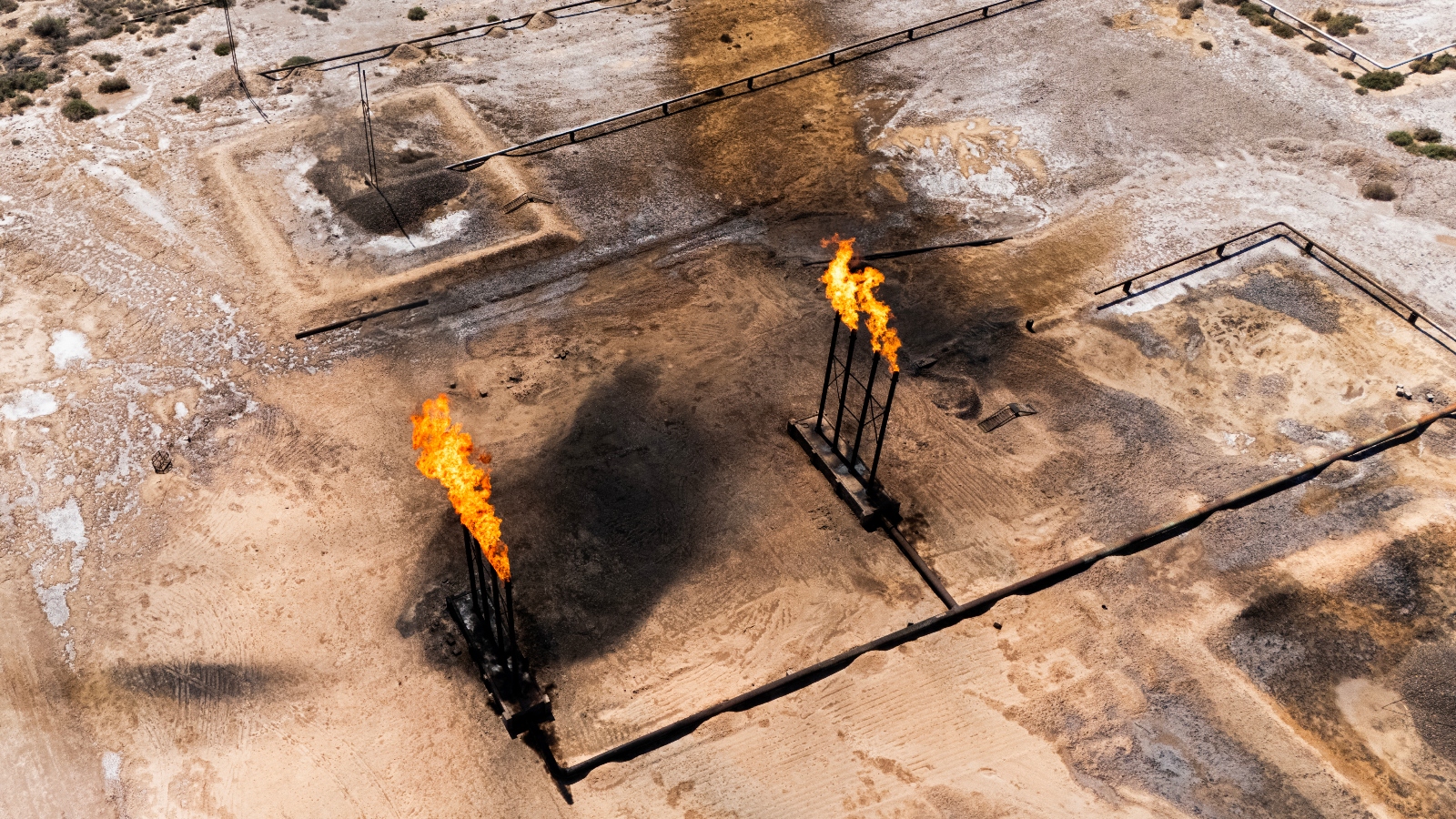
By mid-March, the situation worsened as Iranian drone strikes targeted the gas-processing infrastructure of Qatar, a nation responsible for nearly 20 percent of global LNG exports. This effectively removed a massive portion of the fuel used by Asian and European power plants from the market. By the end of March, major importers including Japan, South Korea, and Singapore began implementing mandatory power rationing.
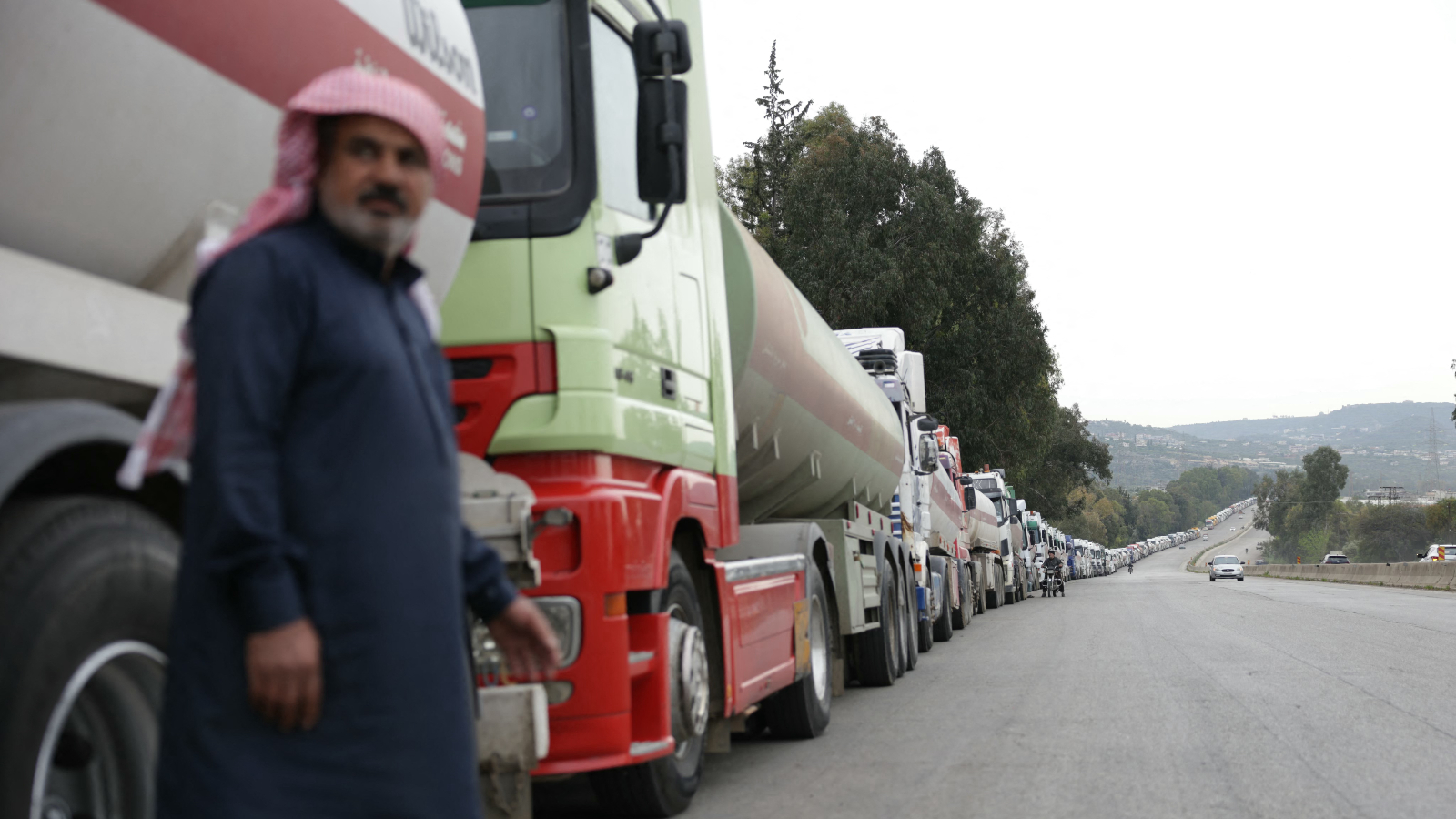
In April 2026, the secondary effects of the shortage began to manifest in the global supply chain. Airlines across Europe and Africa cancelled thousands of flights due to the unavailability of affordable jet fuel. In the United States, several low-cost carriers, including Spirit Airlines, filed for bankruptcy or began liquidation proceedings as operational costs became unsustainable. As the conflict enters its third month, the focus of world governments has shifted from temporary mitigation to a permanent restructuring of their energy portfolios.
The Decline of the "Bridge Fuel" Narrative
For the past decade, natural gas was promoted as a "bridge fuel"—a cleaner-burning alternative to coal that could stabilize the grid while renewables were scaled up. The Iran War has effectively dismantled this narrative. The vulnerability of LNG supply chains, which require massive, immobile liquefaction plants and specialized tankers, has become a strategic liability.
Anne-Sophie Corbeau, a researcher at Columbia University’s Center on Global Energy Policy, argues that the current disruption has soured international appetite for gas. "If you are an LNG importer looking at the current market, you are asking yourself if you ever want to be this exposed again," Corbeau said. While the United States has attempted to fill the gap by increasing its own LNG exports, the physical limits of liquefaction capacity mean that American gas cannot replace the lost Qatari and Middle Eastern volumes for several years.
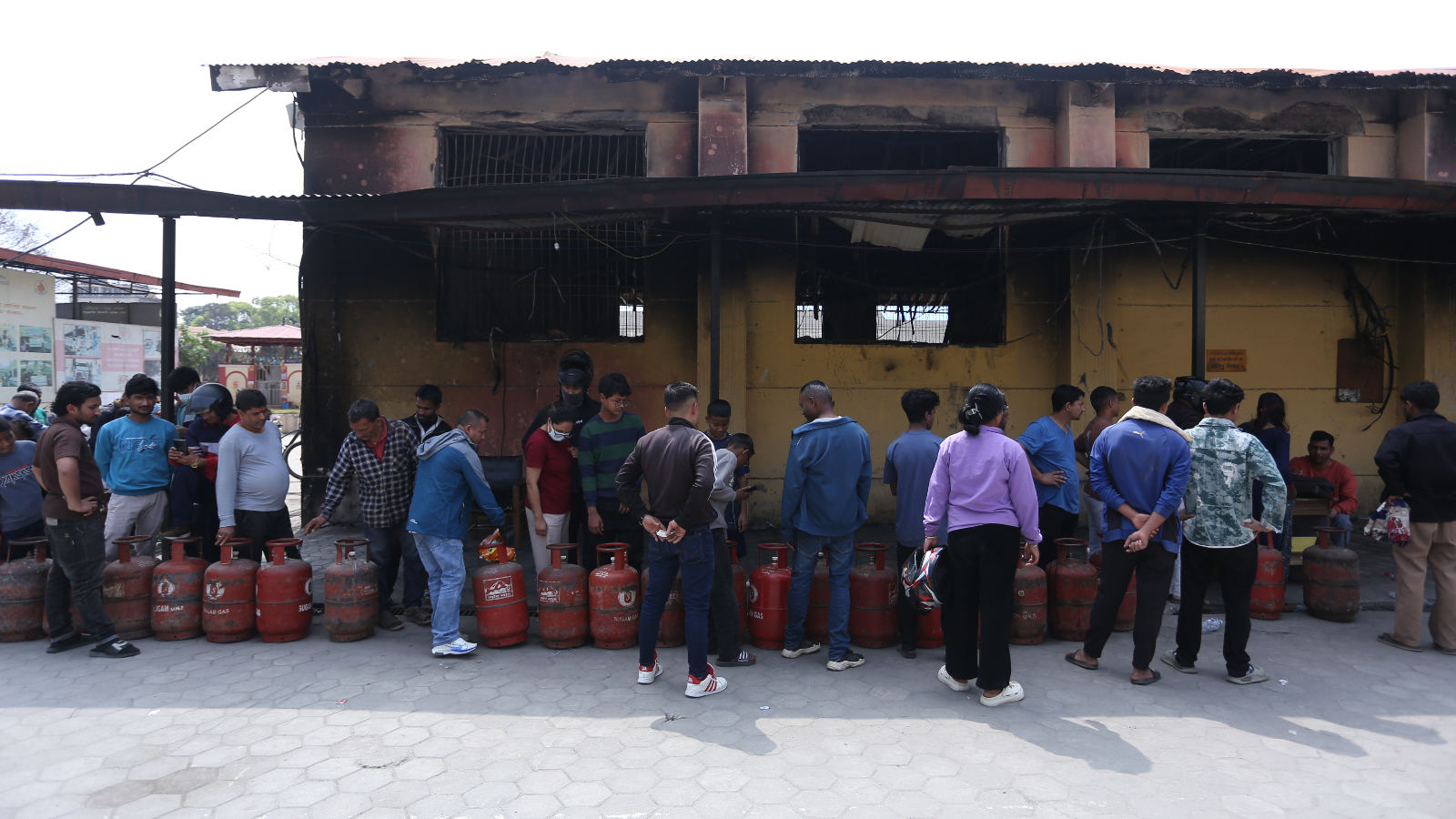
In response, governments are implementing drastic demand-side measures. Across Asia, new policies have mandated remote work to reduce gasoline consumption, lowered highway speed limits, and even requested that citizens avoid using elevators. While these measures have prevented a total societal breakdown, they are viewed as temporary fixes for a permanent problem.
The Renewable Surge: China’s Dominance and Global Adoption
As oil and gas supplies dwindle, the renewable energy sector is experiencing unprecedented growth. China, the world’s leading manufacturer of green technology, reported record-breaking exports of solar panels, lithium-ion batteries, and electric vehicles (EVs) in March and April 2026. Data from the energy think tank Ember indicates that Chinese battery exports rose 44 percent in a single month, with the European Union and India serving as the primary recipients.
The shift is particularly visible in the transportation sector. In the first month of the conflict, EV sales in France and Germany jumped by 50 percent, while Brazil saw a staggering 200 percent increase in electric vehicle registrations. Nations like Indonesia have accelerated their "Roadmap to Zero" policies, mandating a swifter transition to electric public transit and private vehicles to decouple their economies from the volatile oil market.
In the power sector, the transition is equally stark. Vietnam recently canceled plans for what would have been the country’s largest LNG power plant, a 4.8-gigawatt facility. In its place, the government and private developers have pivoted to a massive integrated wind, solar, and battery storage project. Similarly, South Korea has fast-tracked a $270 million loan program to support "village solar" projects, aiming for 100 gigawatts of renewable capacity by 2030—enough to power a metropolis like Ho Chi Minh City ten times over.
The Nuclear Renaissance
Perhaps the most surprising outcome of the Iran War is the rehabilitation of nuclear energy. After the 2011 Fukushima disaster, nuclear power saw a steady decline in global share, reaching a forty-year low in 2022. However, the need for "baseload" power—electricity that is available 24/7 regardless of weather conditions—has prompted a rapid policy reversal.
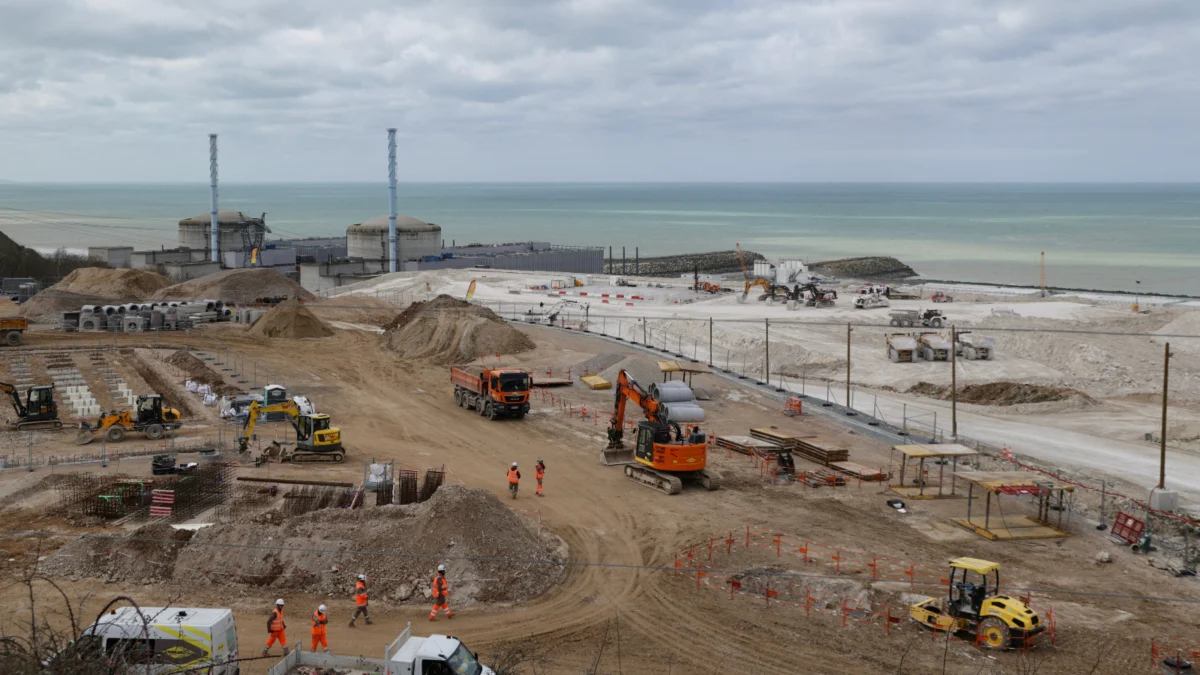
Taiwan, which receives a third of its LNG from Qatar, formally moved to restart its Maanshan nuclear plant just weeks after the blockade began. In Europe, the shift has been even more dramatic. European Commission President Ursula von der Leyen recently announced a $232 million fund to stimulate private investment in new nuclear technologies, calling the previous decade’s push to decommission plants a "strategic mistake."
Belgium has provided the most concrete example of this reversal. Prime Minister Bart De Wever announced this week that the government would take over a fleet of reactors previously slated for decommissioning. "All decommissioning activities are being halted with immediate effect," De Wever stated, emphasizing that energy security now supersedes previous political agreements to exit nuclear power.
The Coal Dilemma and Short-Term Security
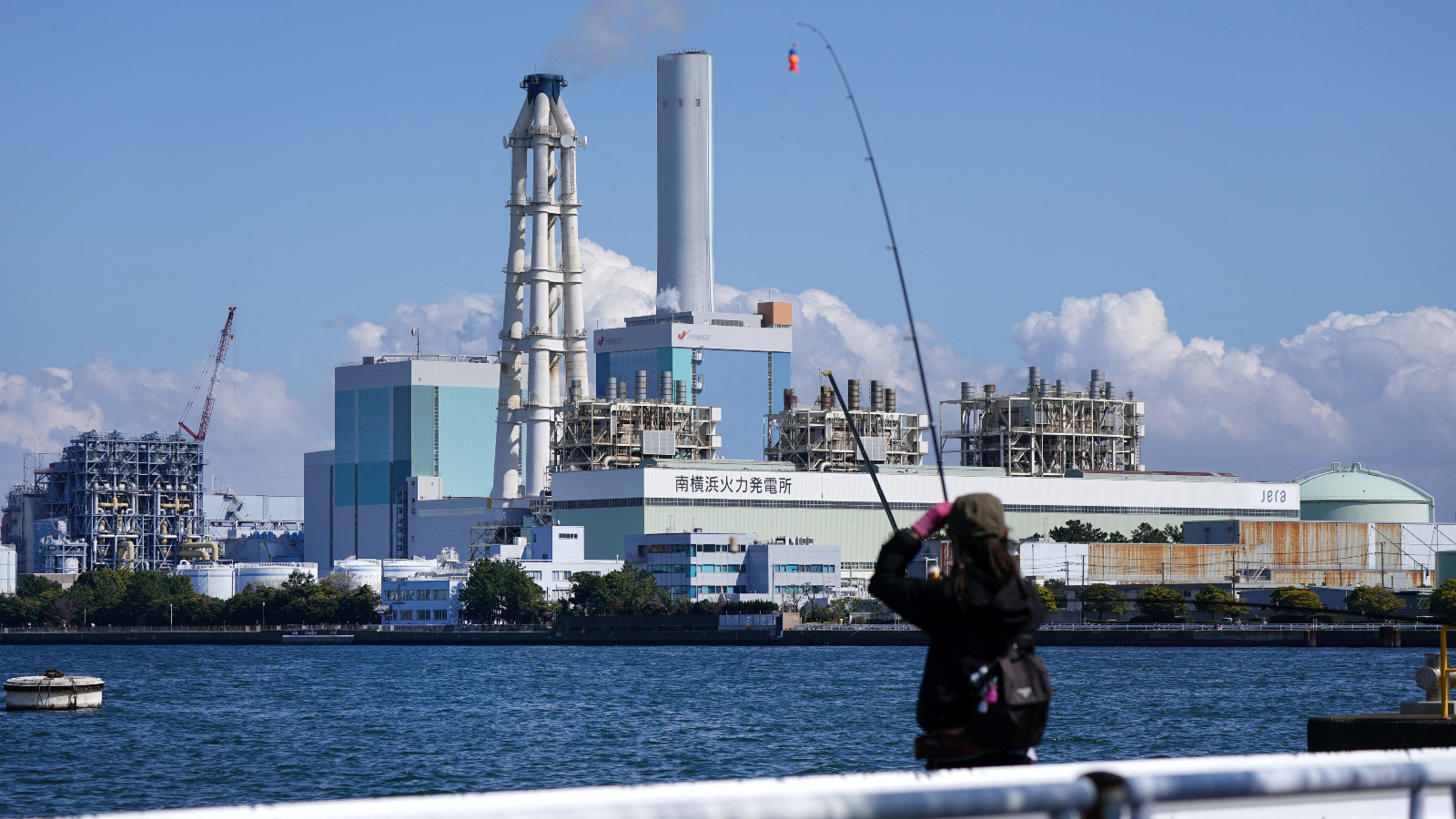
Despite the surge in clean energy, the crisis has also brought a temporary and "dirty" winner: coal. Because many countries in Europe and Asia maintained "mothballed" coal plants as a backup, these facilities have been returned to service to fill the immediate void left by natural gas.
Italy has extended the lifespan of its coal fleet by a decade, and South Korea has lifted emissions caps that previously restricted coal plants from running at full capacity. Dinita Setyawati, an analyst for Ember, notes that this creates a tension between short-term security and long-term climate goals. "The real question is how governments balance the immediate need to keep the lights on with their commitments to the Paris Agreement," Setyawati said. However, most analysts believe this coal resurgence is a temporary spike rather than a long-term trend, as the cost of coal remains high compared to the falling costs of wind and solar.
Broader Implications and Future Outlook
The war in Iran has served as a brutal "stress test" for the global energy system, and the results suggest that the era of fossil fuel dominance is nearing its end. The blockade of the Strait of Hormuz has demonstrated that the geopolitical risks of oil and gas are no longer theoretical—they are an existential threat to modern economies.
The implications for the future are twofold. First, the "energy transition" is no longer solely an environmentalist agenda; it is now a core pillar of national defense and economic sovereignty. Countries that transition to domestic renewables and nuclear power are effectively insulating themselves from future Middle Eastern conflicts. Second, the role of natural gas has been permanently diminished. The "bridge" has been burned by the volatility of the global market, leading nations to leapfrog directly from coal to a mix of renewables and nuclear.

As the world adjusts to this new reality, the winners will be those who can rapidly deploy decentralized energy systems and storage. The losers will be the nations that remain tethered to the aging, vulnerable infrastructure of the 20th century. While the human and economic cost of the Iran War is immense, its lasting legacy may be the definitive decoupling of the global economy from the fossil fuels that have powered it for over a century. The "Great Energy Pivot" is no longer a forecast; it is a current event.

