
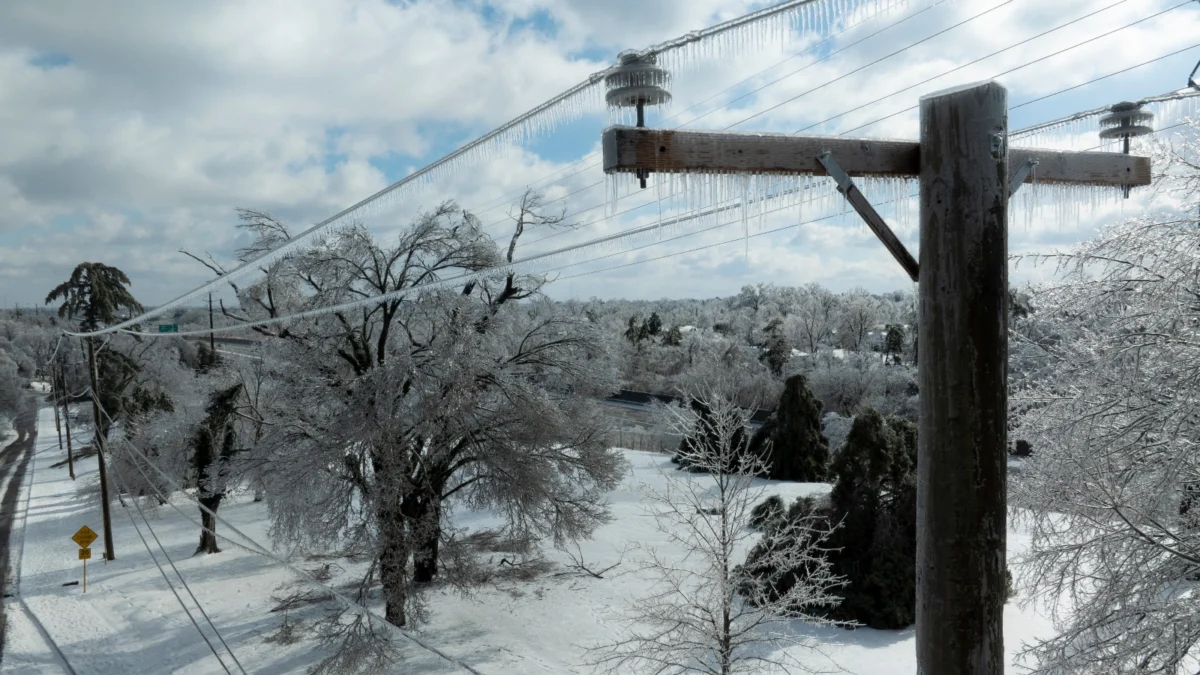
Across the United States, the backbone of the nation’s electrical infrastructure is reaching a breaking point as it faces the dual pressures of age and an increasingly volatile climate. Much of the American power grid was constructed more than half a century ago, designed for a climate reality that no longer exists. Today, the convergence of stronger storms, heavier precipitation, and shifting seasonal patterns causes hundreds of significant power outages annually. In many cases, these failures are the result of a simple but devastating mechanical interaction: heavy ice or high winds causing trees to collapse onto above-ground power lines. In northern Michigan, a region defined by its dense forests and harsh winters, the vulnerability of this aging system has moved from a technical concern to a matter of public safety, prompting utilities to reconsider the fundamental architecture of how electricity is delivered.
The March 2025 Crisis: A Case Study in Grid Failure
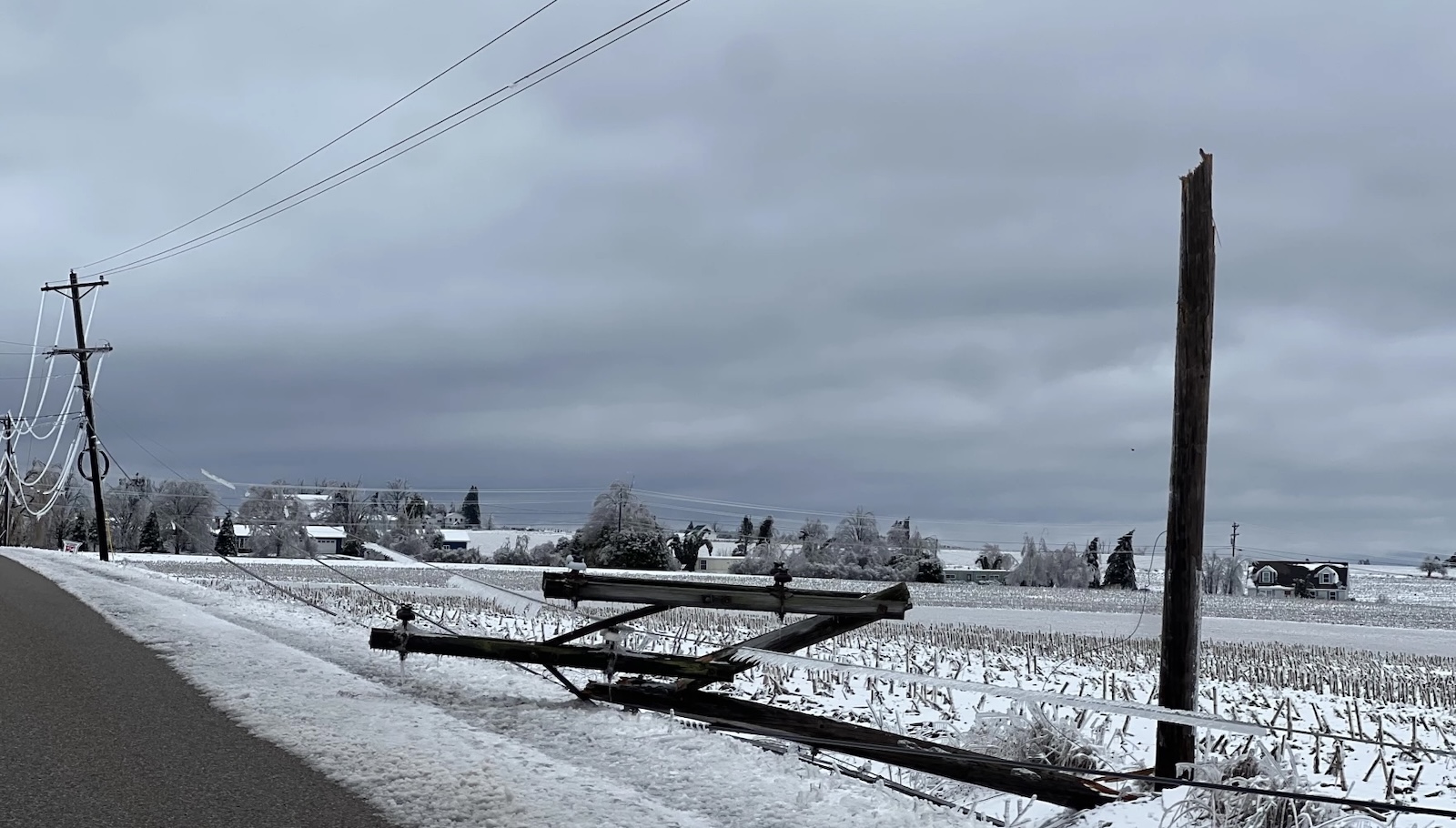
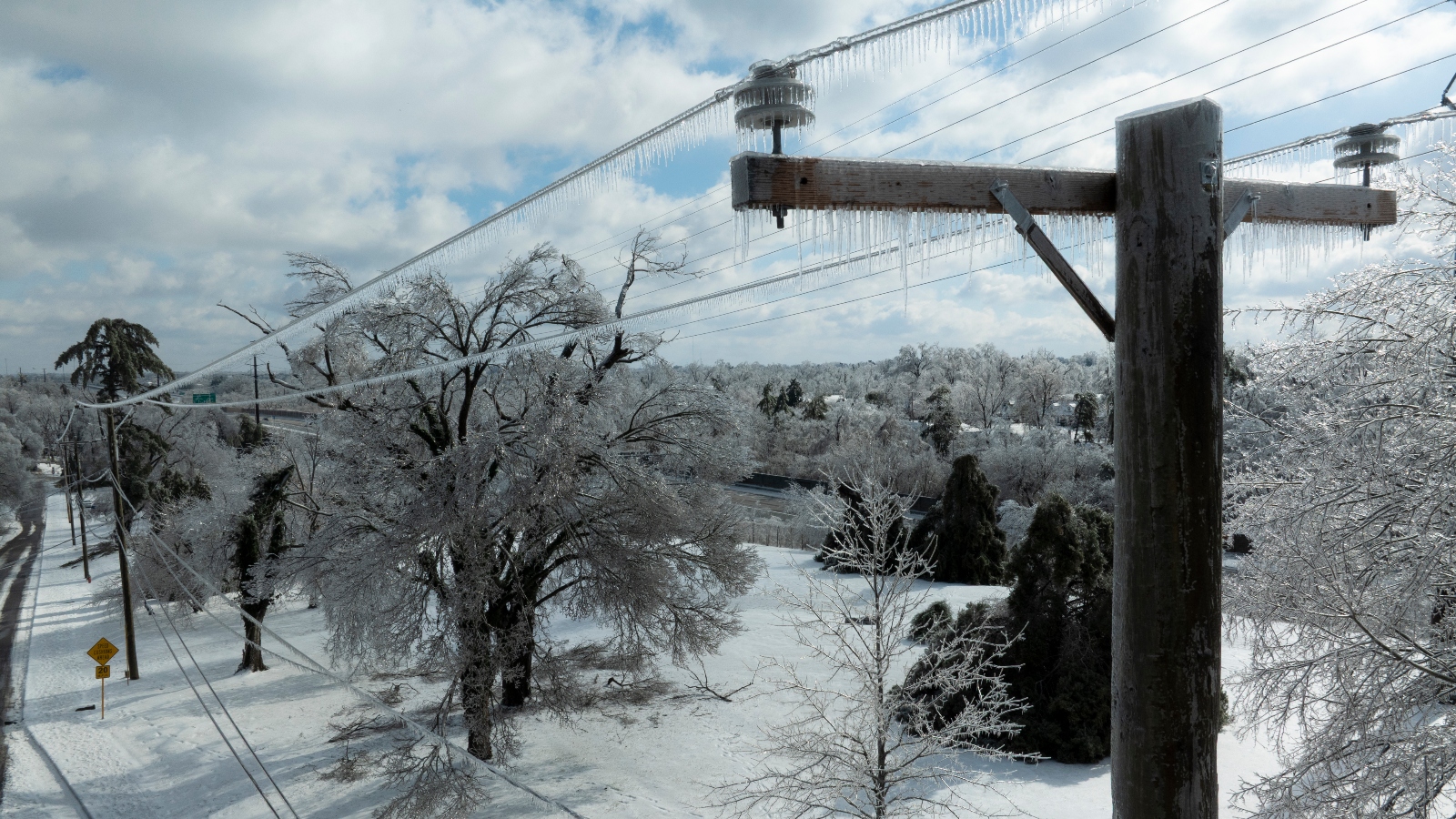
The urgency of the situation was laid bare in March 2025, when a devastating ice storm swept through northern Michigan. The event was not merely a seasonal inconvenience but a systemic failure that paralyzed the region. As freezing rain accumulated on branches and utility poles, the weight became unbearable. Thousands of utility poles snapped like toothpicks, and hundreds of miles of wire were brought down by falling timber. The resulting blackout left tens of thousands of residents without heat or light for weeks in sub-freezing temperatures.
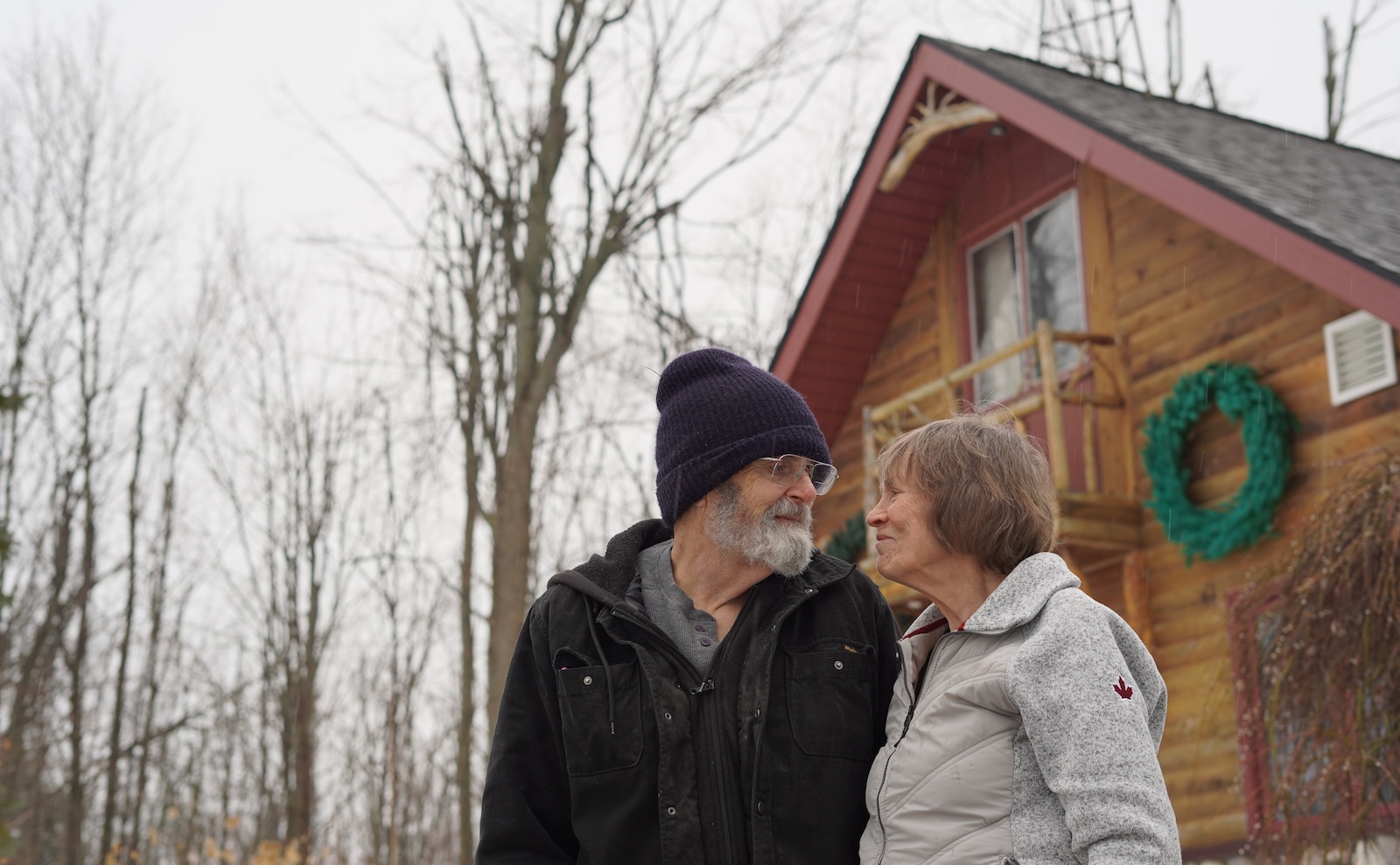
The human cost of such infrastructure failure is often measured in individual emergencies. In Lewiston, Michigan, Wanda Whiting found herself in a life-threatening situation when her husband, Dave, began experiencing heart trouble during the height of the blackout. With no streetlights to guide her and the highway littered with downed live wires and broken poles, a familiar drive to the hospital became a harrowing navigational challenge. Whiting recalled the disorientation of the pitch-black streets, noting that the absence of basic infrastructure made the landscape unrecognizable. The couple eventually reached medical care, and Dave Whiting recovered, but the community remained in the dark for a full fourteen days following the storm. This incident highlighted a growing consensus among residents and experts alike: the status quo of overhead power lines is no longer tenable in an era of extreme weather.
The Climate Shift: From Snow to Freezing Rain
The vulnerability of Michigan’s grid is exacerbated by a fundamental shift in the state’s climate. Historically, northern Michigan could rely on snow—which is relatively light and easily shed by wires—as its primary winter precipitation. However, research from the University of Michigan and other institutions suggests a transition is underway. Richard B. Rood, a professor emeritus at the University of Michigan specializing in climate change adaptation, notes that the region is increasingly experiencing freezing rain instead of snow.
Freezing rain is far more destructive to electrical infrastructure. It coats wires and branches in a heavy, translucent glaze; just a half-inch of ice accumulation can add hundreds of pounds of weight to a single span of power line. Furthermore, ice-laden trees are significantly more prone to "uprooting" or "limb failure" during the wind gusts that often follow winter storms. Rood emphasizes that communities cannot plan based on historical averages. The "middle of the change" is currently occurring, meaning that the extreme ice storms once considered 50-year events may become decadal or even annual occurrences.
The Economic Barrier: The High Cost of Undergrounding
While the solution—moving power lines underground—seems obvious, the primary obstacle is a staggering price tag. For decades, utilities have favored overhead lines because they are significantly cheaper to install and maintain under normal conditions. According to Consumers Energy, one of Michigan’s largest utility providers, burying a single mile of existing overhead line can cost approximately $400,000. In densely populated urban environments or areas with difficult geography, that figure can skyrocket to between $2 million and $3 million per mile.
A report from the Michigan Public Service Commission (MPSC) confirms these economic challenges. The commission found that while underground lines are shielded from wind, ice, and falling trees, they are not immune to issues. Underground systems can be more difficult to repair when a failure does occur, often requiring specialized equipment to locate a fault and the excavation of sidewalks or roads to reach the damaged cable. This "repair time" can sometimes exceed the duration of an overhead fix, although the frequency of such failures is much lower.
For utilities, the decision to underground is a balancing act between immediate capital expenditure and long-term reliability. Tony Chartrand, director of electric engineering and operations for Traverse City Light & Power, notes that while undergrounding is a critical tool, it is not a "silver bullet" for every mile of the grid. The goal for many providers is to identify the most vulnerable "backbone" circuits—those that serve hospitals, emergency services, and large residential clusters—and prioritize them for burial.
Utility Responses and Policy Shifts
In the wake of the 2025 storm, some Michigan utilities are taking more aggressive stances. Great Lakes Energy, the state’s largest electric cooperative, which serves 26 counties, recently announced a landmark policy: all new power lines installed by the co-op will be buried underground. This decision was driven by the sheer scale of the March 2025 disaster, which resulted in 66,000 outages for the co-op and an estimated $150 million in infrastructure damage.
Shari Culver, chief operating officer for Great Lakes Energy, acknowledges that the costs of this transition will eventually be reflected in ratepayer bills. Undergrounding can cost three to five times more than overhead construction. However, Culver argues that the long-term reliability benefits—and the reduction in emergency repair costs after major storms—justify the investment. By burying new lines during the construction phase, utilities can also coordinate with other infrastructure projects, such as water and gas line installations, to share trenching costs and minimize disruption.
Despite these moves, the challenge of "retrofitting" existing overhead lines remains. Most utilities are hesitant to commit to a total burial of existing networks due to the astronomical costs involved. Instead, they are employing a "hybrid" strategy: burying lines in high-risk areas while intensifying tree-trimming and pole-hardening efforts in others.
National Context and the Reactive Nature of Infrastructure
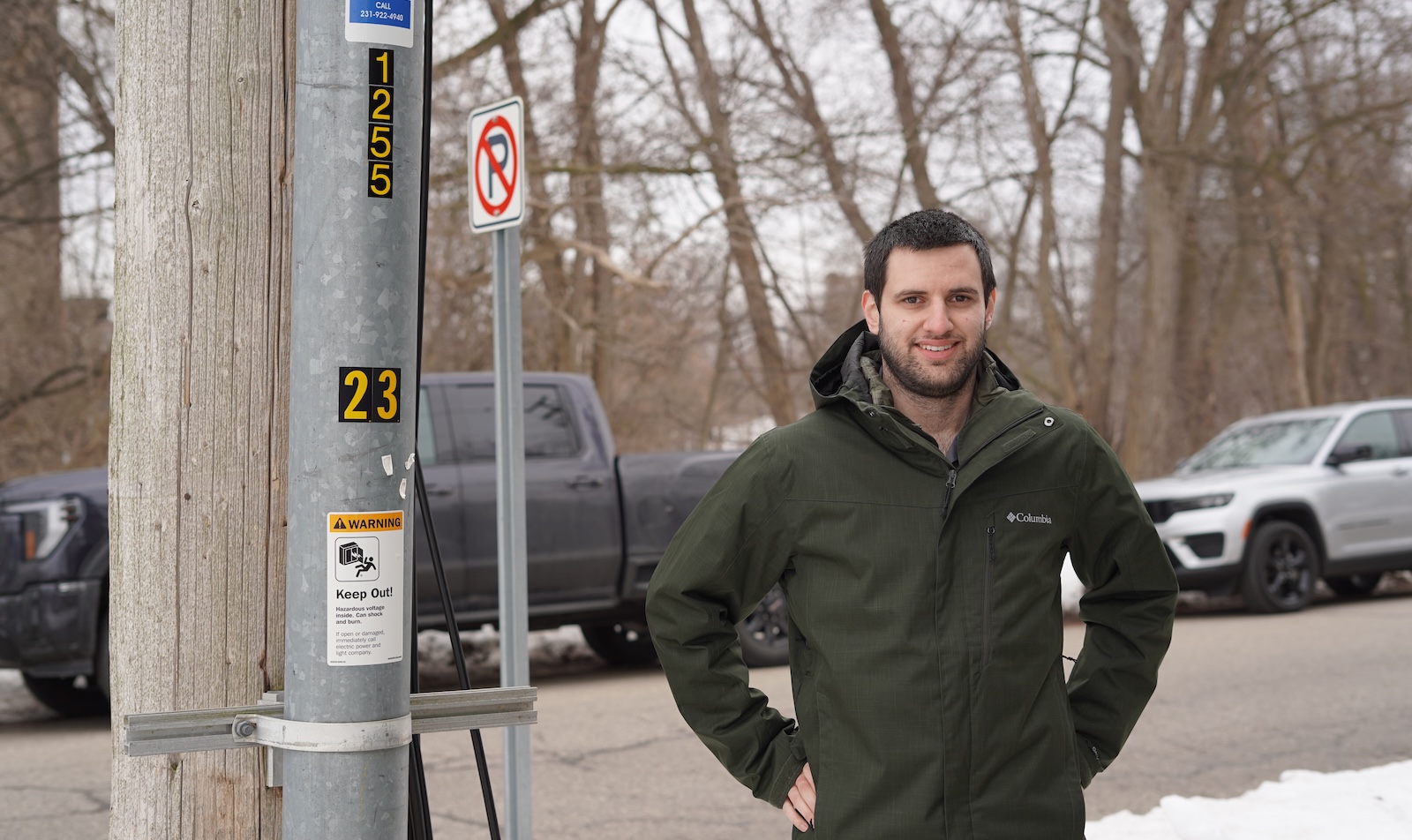
Michigan’s struggle is a microcosm of a national trend. From the wildfires of California to the hurricanes of the Gulf Coast, American utilities are being forced to adapt. Andrew Phillips of the Electric Power Research Institute (EPRI) points out that across the country, the duration and frequency of power outages are trending upward. The aging nature of the grid means that components are failing even under moderate stress, and the added pressure of climate change is accelerating this degradation.
The trend toward undergrounding is gaining momentum elsewhere. Pacific Gas & Electric (PG&E) in California has embarked on the nation’s largest undergrounding project, aiming to bury 10,000 miles of lines to prevent equipment from sparking catastrophic wildfires. However, as Tao Sun, a postdoctoral scholar at Stanford University, observes, these massive infrastructure shifts are almost always reactive.
Sun’s research into the impact of extreme weather on power systems suggests that utilities and regulators rarely receive the public or political support necessary for large-scale rate increases until after a disaster has occurred. "We will only take actions after local customers feel or experience those events that are really severe or disrupt their lives," Sun explains. This reactive cycle often leads to higher costs in the long run, as emergency repairs are more expensive than planned, proactive upgrades.
Analysis of Implications: A Future of Hard Choices
The debate over undergrounding power lines touches on several critical issues for the future of American life:
- Equity and Affordability: As utilities pass the costs of grid hardening to consumers, lower-income households may struggle to afford rising electricity bills. There is a risk that "reliability" becomes a luxury, with wealthier or newer neighborhoods benefiting from undergrounded lines while older, marginalized communities remain tethered to an aging, overhead grid.
- Public Safety: The experience of the Whiting family demonstrates that a power outage is rarely just about "losing the lights." It affects communication, medical equipment, and emergency transit. As the climate changes, the definition of "critical infrastructure" must expand to include the resilience of the delivery system itself.
- Technological Integration: The push for undergrounding coincides with the rise of electric vehicles (EVs) and the electrification of home heating. This means the demand on the grid is increasing at the exact moment its physical integrity is most in question. A failure of the grid in 2035 may be far more impactful than one in 2025, as more of the economy relies on a constant flow of electrons.
A year after the March 2025 storm, the scars on the landscape of northern Michigan are still visible. New wooden poles have replaced the snapped ones near Wanda Whiting’s home, but they represent a replacement of the old system rather than an evolution into a new one. For residents who lived through weeks of darkness, the sight of wires dangling among the trees remains a source of anxiety. The demand for a more resilient, "climate-proof" grid is growing, but the path to achieving it remains buried under the weight of economic reality and the inertia of 20th-century engineering. As Whiting succinctly put it, for many on the front lines of climate change, the time for debate has passed: if the goal is survival and reliability, the only direction left to go is down.

