
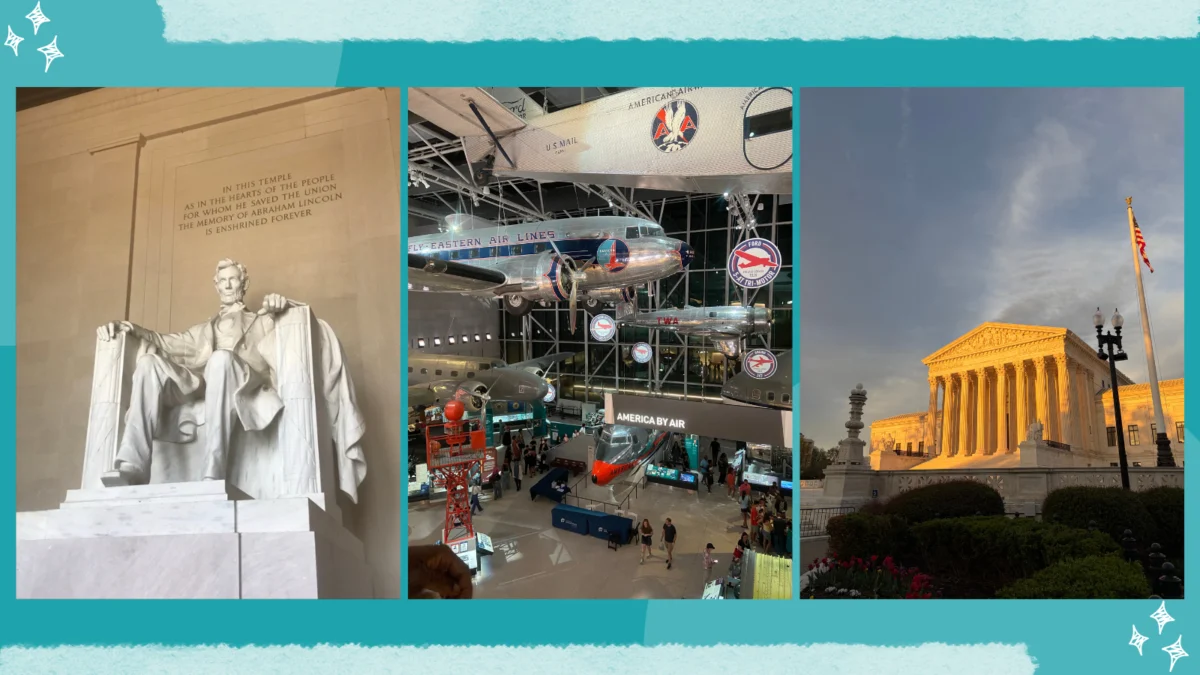
Washington, D.C., serves as an unparalleled living classroom, offering a dense concentration of world-class museums, historic landmarks, and the primary seats of the three branches of the United States government. For educators, the city provides a unique opportunity to transition theoretical classroom concepts into tangible, real-world experiences. By navigating the National Mall and its surrounding corridors, students can engage directly with the artifacts of human achievement, the complexities of democratic governance, and the narratives of the American experience. Local educators, such as elementary teacher Assunta Clary, emphasize that exposure to these sites is essential for fostering curiosity and imagination, transforming historical and civic lessons into lasting memories.
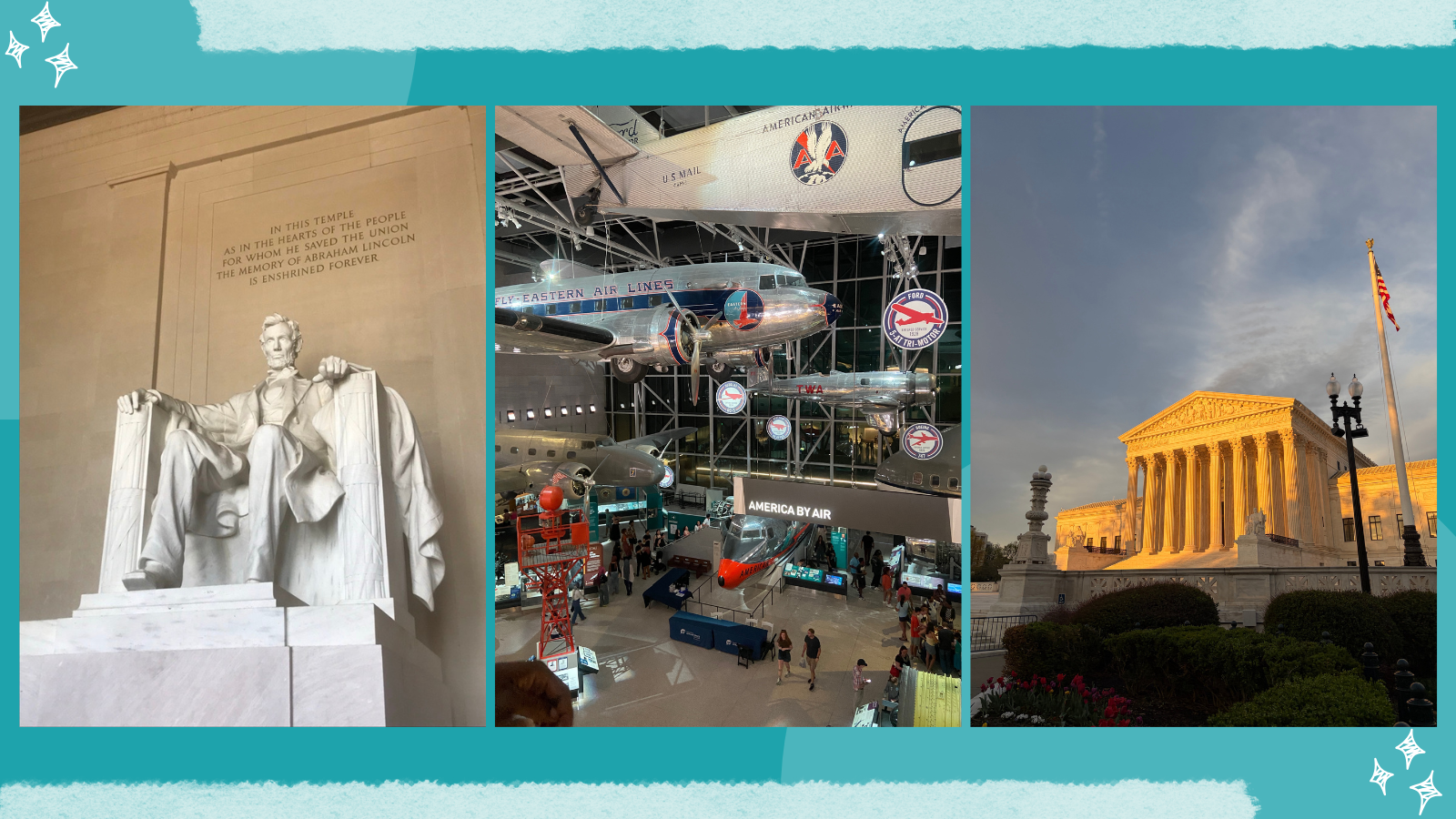
The Strategic Role of Washington, D.C. in Modern Pedagogy
The pedagogical value of Washington, D.C., lies in its ability to facilitate place-based learning. This educational approach uses the local community and environment as a primary resource for learning, emphasizing the importance of context and physical engagement. With many of the nation’s most significant sites located within walking distance of one another, the city allows for interdisciplinary itineraries that can cover history, civics, science, and the arts in a single day.
Data from the National Park Service and the Smithsonian Institution indicate that millions of students visit the capital annually, participating in programs specifically designed to meet national curriculum standards. The integration of these sites into a school’s curriculum helps bridge the gap between textbook descriptions and the reality of national service and historical struggle.
Navigating the Foundations of American Democracy: Civics and Government
At the heart of the Washington, D.C., experience is the opportunity to observe the mechanics of the federal government. These trips allow students to move beyond the abstract "three branches" model and see the individuals and institutions that shape national policy.
The United States Capitol and the Legislative Process
The U.S. Capitol is not merely a monument but a working government facility where federal legislation is debated and enacted. A visit to the Capitol Visitor Center allows students to explore the history and architecture of the building, which has stood as a symbol of the American people and their government since the cornerstone was laid in 1793.
To maximize the educational impact, veteran teachers recommend contacting the offices of their respective U.S. Senators or Members of Congress. Requesting a staff-led tour often provides students with enhanced access and a more personalized perspective on the daily operations of the legislative branch. Educators frequently pair these visits with activities such as tracking a specific bill through the committee process, allowing students to visualize where that legislation would physically move through the halls of Congress.
The Supreme Court: The Pinnacle of the Judicial Branch
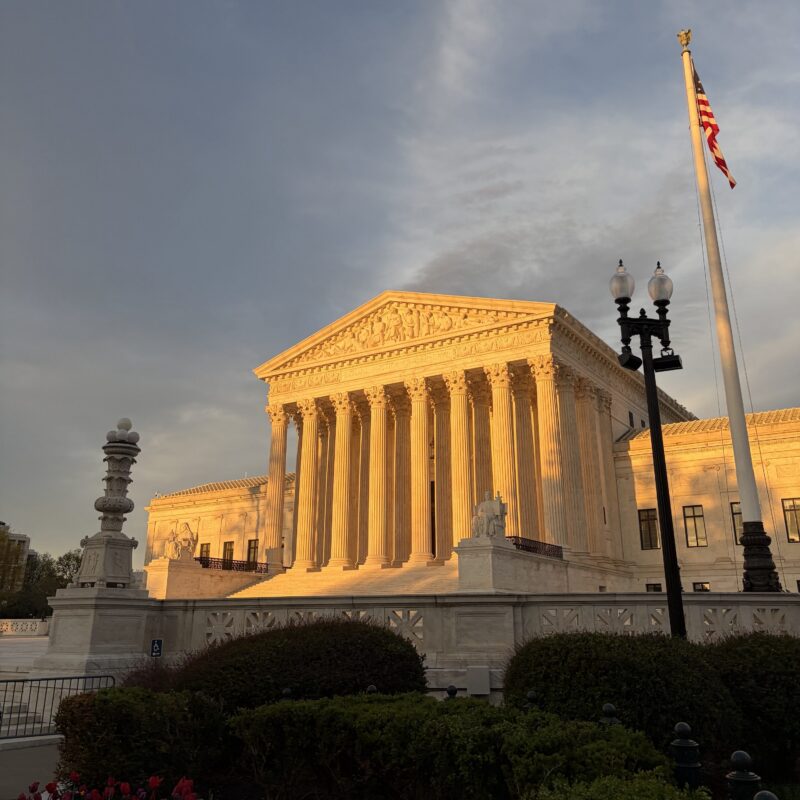
The Supreme Court of the United States offers a somber and intellectual environment where students can learn about the highest federal court. Docent-led programs in the courtroom introduce the judicial functions of the court and the history of the building itself. Understanding the role of the judiciary is critical for students to grasp the system of checks and balances.

Planning for a Supreme Court visit requires careful timing. When the Court is in session, public tours are typically restricted until after the day’s proceedings. Educators are encouraged to consult the Court’s official calendar months in advance. To prepare, many teachers host mock trials or debates in their classrooms, using graphic organizers to help students structure arguments before they witness the environment where such arguments are settled at the national level.
The White House: Executive History and the People’s House
The White House represents both the residence of the President and the administrative hub of the Executive Branch. While viewing the building through the North and South gates is a standard tourist activity, school groups can apply for interior tours of the public rooms. These tours must be requested through a Member of Congress and can be submitted up to 90 days in advance.
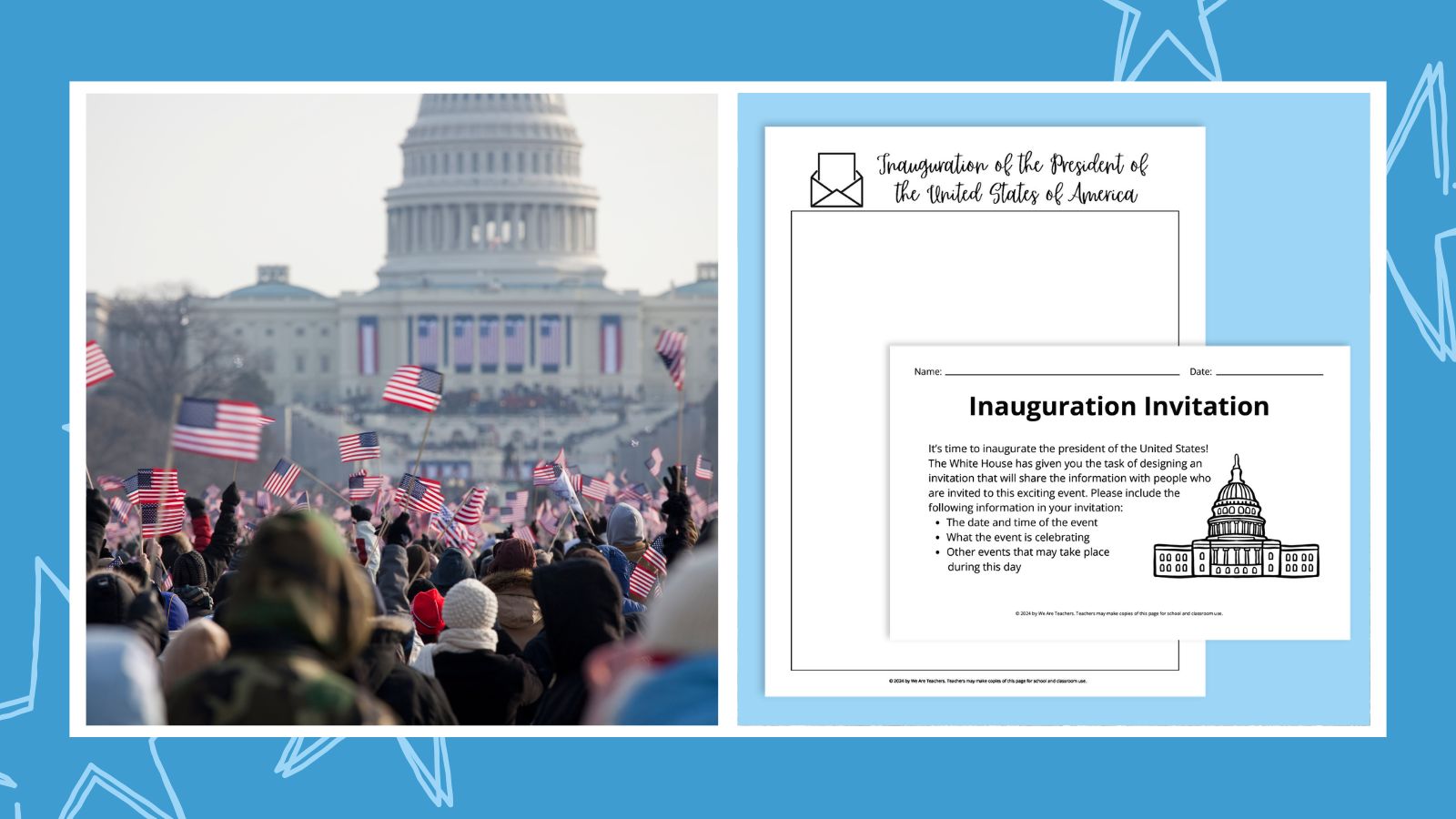
The educational focus of a White House visit often centers on the evolution of the presidency and the peaceful transition of power. Analyzing inaugural addresses and the history of the "People’s House" helps students understand the symbolic and practical importance of the executive office in American life.
Advancing Scientific Literacy: STEM Destinations in the Capital
Washington, D.C., is home to some of the world’s most significant scientific collections, managed largely by the Smithsonian Institution. These facilities provide students with insights into aviation history, biodiversity, and the natural world.
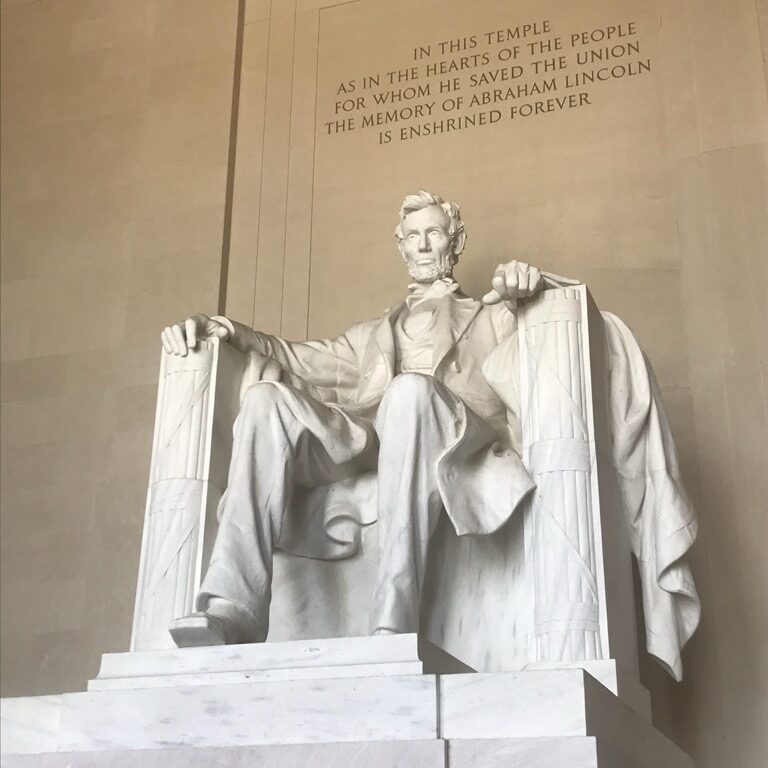
The Smithsonian National Air and Space Museum
The National Air and Space Museum maintains the world’s largest and most significant collection of aviation and space artifacts. From the Wright brothers’ 1903 Flyer to the Apollo 11 command module, the museum chronicles the rapid advancement of human flight. The museum’s exhibits emphasize the engineering and physics required to conquer the skies and space.
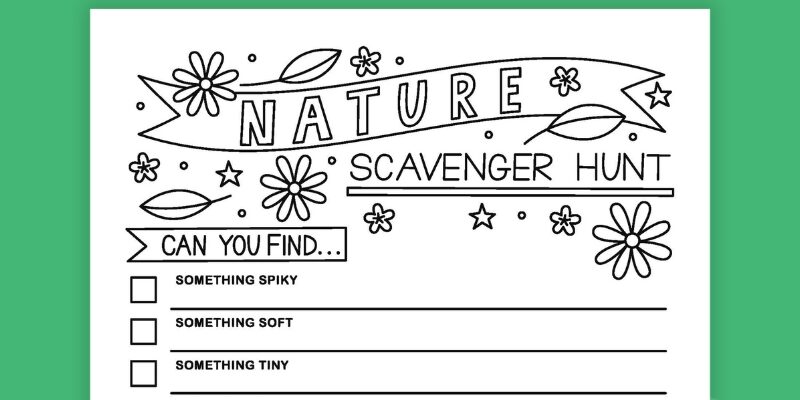
Educational programs at the museum often include IMAX planetarium shows that provide a deeper look at the cosmos. Teachers frequently utilize mission-based scavenger hunts to keep students engaged, tasking them with finding specific technological milestones and reflecting on the societal impacts of the Space Race and planetary exploration.
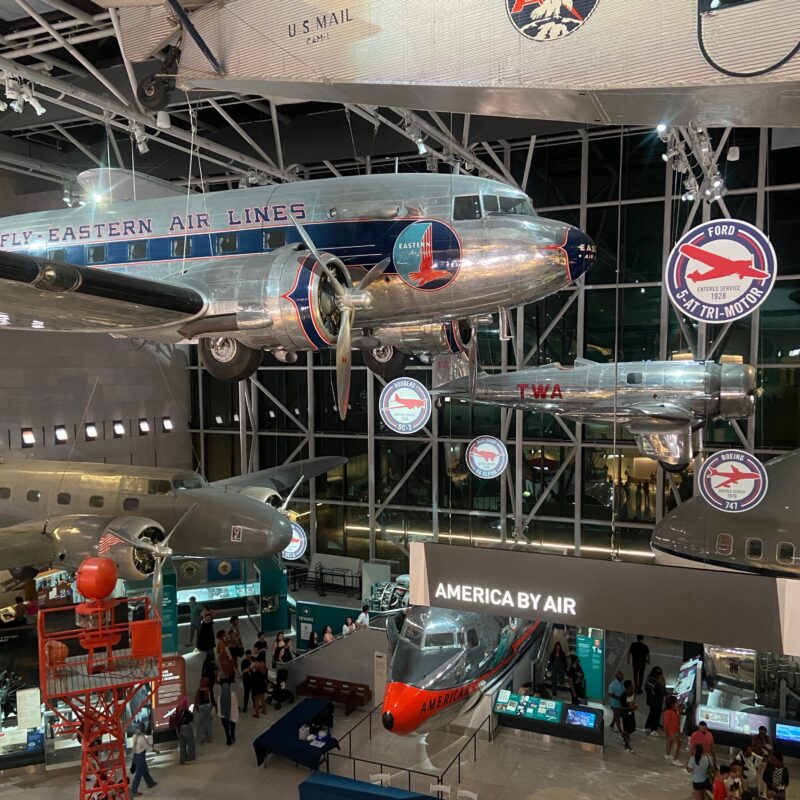
Biodiversity at the Smithsonian National Zoological Park
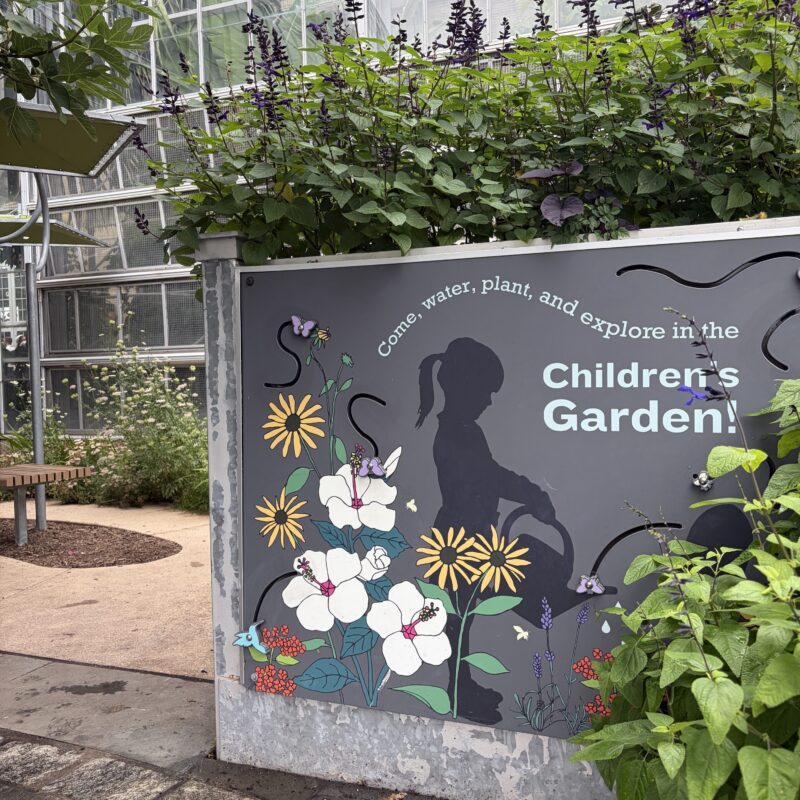
The National Zoo, one of the oldest zoos in the United States, serves as a center for conservation science. Home to over 2,000 animals across 400 species, the zoo allows students to observe wildlife and learn about global efforts to protect endangered species, such as the giant panda.
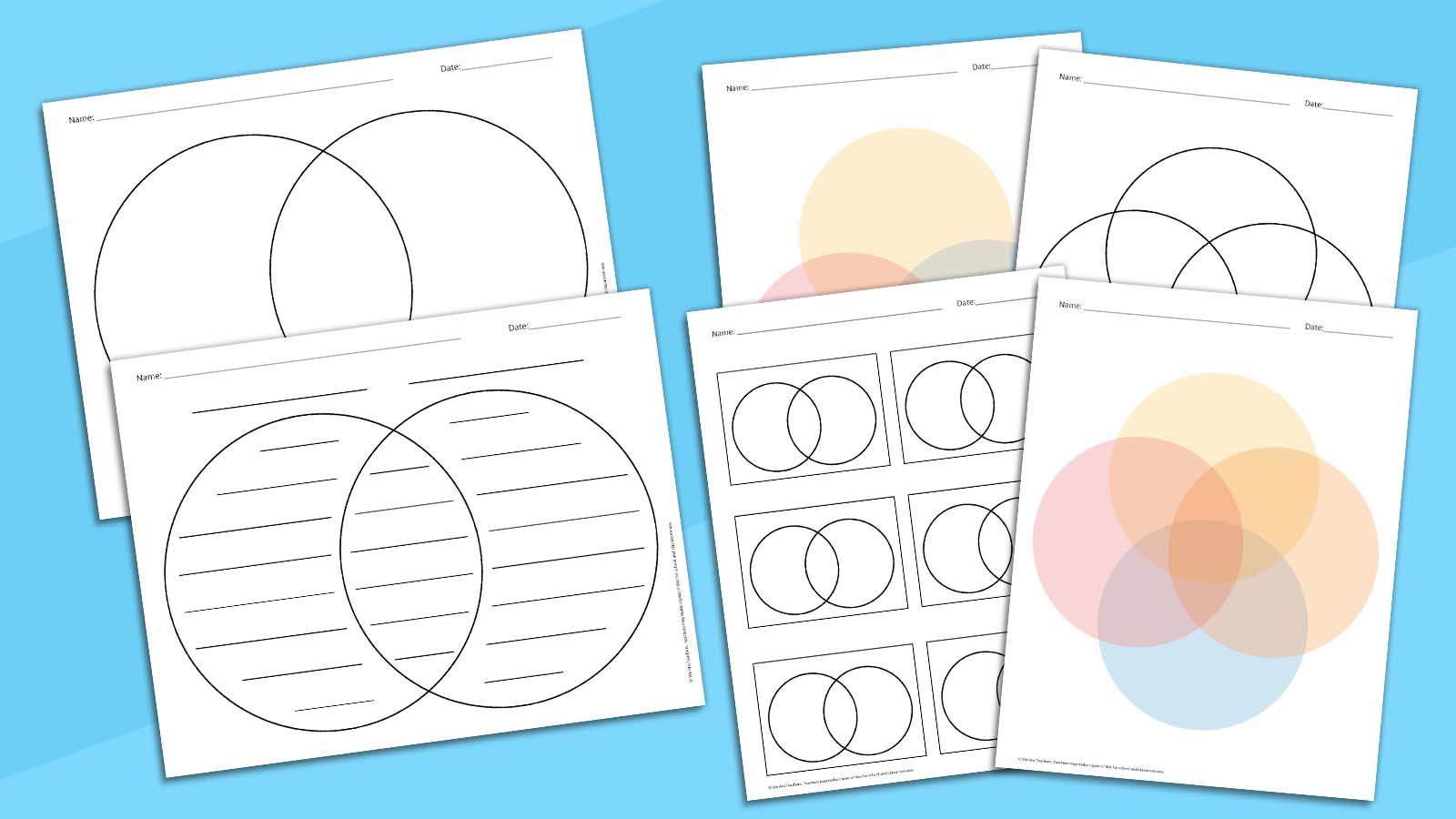
The zoo’s educational value is enhanced by daily demonstrations where students can interact with animal keepers. Comparative biology activities, such as using Venn diagrams to analyze the physical traits of different species, help younger students develop observational and analytical skills in a naturalistic setting.
The Smithsonian National Museum of Natural History
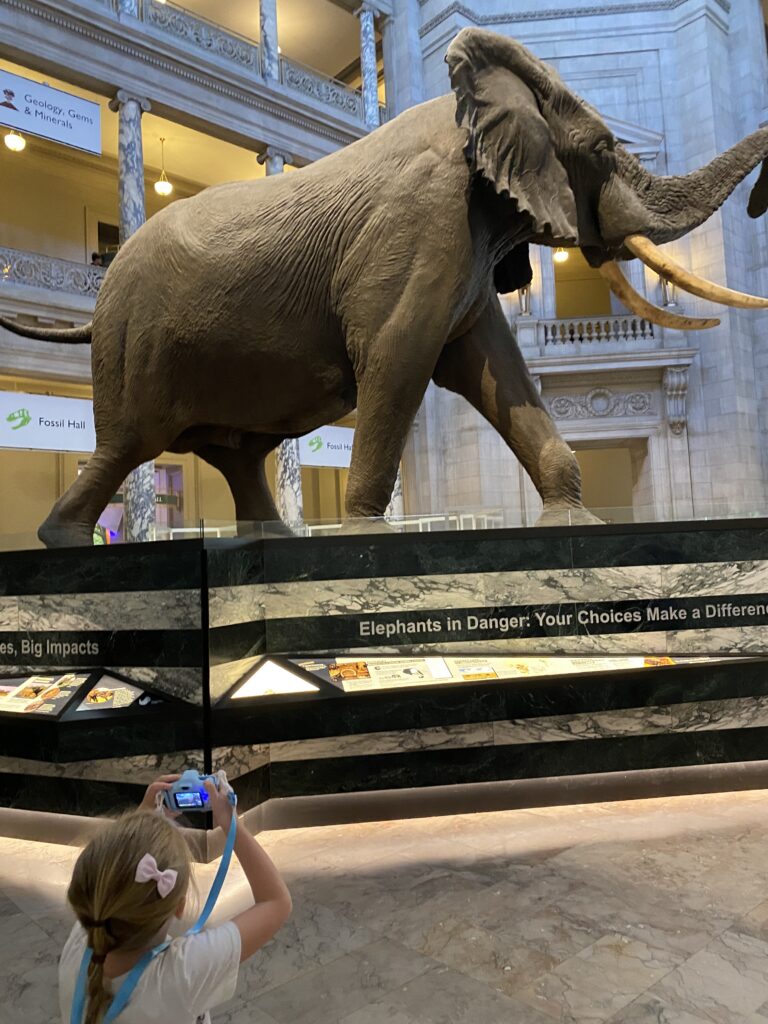
With a collection exceeding 145 million specimens, the National Museum of Natural History is a cornerstone for biological and geological education. From the iconic African bush elephant in the rotunda to the comprehensive Hall of Fossils, the museum provides a chronological view of Earth’s history.
For schools unable to visit every gallery, the museum offers virtual tours that allow classes to revisit specific exhibits, such as the Hope Diamond or the Butterfly Pavilion, ensuring that the learning continues long after the physical trip has concluded.
Bridging the Past and Present: Historical and Cultural Preservation
The history of the United States is marked by both triumph and tragedy, and D.C.’s museums do not shy away from the complexities of the national narrative.
The National Museum of African American History and Culture
Since its opening in 2016, the National Museum of African American History and Culture (NMAAHC) has become a vital stop for understanding the American story through the lens of African American experiences. The museum’s design takes visitors on a chronological journey from the era of slavery and segregation to the modern era of cultural and political achievement.
With over 45,000 artifacts, the museum provides a profound look at resilience and creativity. Educators often use NMAAHC-created journals to help students process the heavy subject matter of the lower levels while celebrating the artistic and athletic contributions showcased on the upper floors.
The United States Holocaust Memorial Museum
The Holocaust Memorial Museum serves as the nation’s official memorial to the victims of the Holocaust. It is designed to inspire students to confront hatred and promote human dignity. Due to the intensity of the exhibits, the Permanent Exhibition is generally recommended for students aged 11 and older. The museum’s focus on the consequences of indifference makes it a powerful site for discussions on ethics, human rights, and global citizenship.
The National Museum of the American Indian
Located on the National Mall, this museum is dedicated to the life, languages, literature, history, and arts of the Native peoples of the Western Hemisphere. The museum’s architecture and exhibits, such as the "imagiNATIONS" Activity Center, are designed to challenge stereotypes and provide a contemporary look at Indigenous cultures. Students can explore the vast diversity of over 1,200 Indigenous cultures, gaining a more nuanced understanding of the continent’s original inhabitants.
Architectural and Literary Exploration: Arts and Culture
The cultural landscape of Washington, D.C., extends into the realms of literature, performance, and grand architecture, providing a well-rounded educational experience.
Ford’s Theatre and the Legacy of Abraham Lincoln
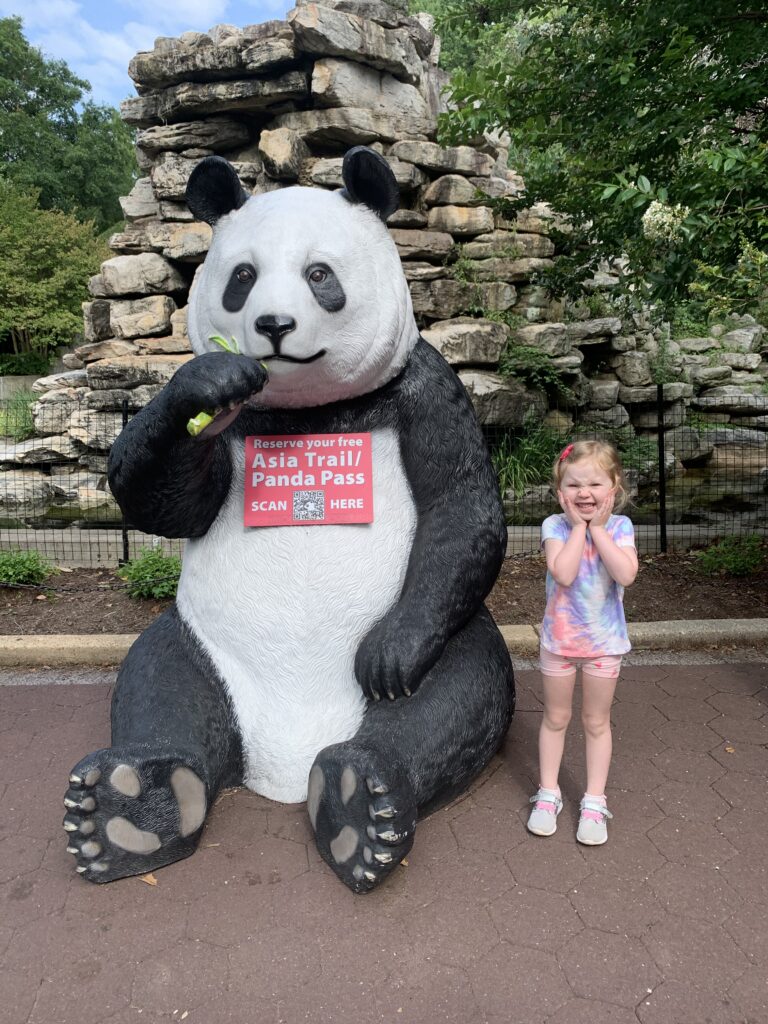
Ford’s Theatre is a site of immense historical gravity, serving as the location of President Abraham Lincoln’s assassination in 1865. Today, it operates as both a historic site and a working theater. Students can tour the museum to learn about Lincoln’s presidency and the Civil War era. Pairing a matinee performance with theater-provided lesson plans allows students to see how historical themes are interpreted through the performing arts.
The Folger Shakespeare Library
For literature students, the Folger Shakespeare Library is an essential destination. It houses the world’s largest collection of Shakespearean materials. The library’s "Folger Method" of teaching emphasizes active engagement with the text. Students can participate in workshops that include early modern printing demonstrations and paper-folding, bringing the 16th-century literary world to life.
The Washington National Cathedral
As the sixth-largest cathedral in the world, the Washington National Cathedral is a masterwork of Neo-Gothic architecture. Guided tours focus on the cathedral’s stained glass—including the famous "Space Window" which contains a piece of lunar rock—and its numerous gargoyles. The site provides a unique perspective on how art, history, and national identity intersect in a grand architectural space.
Logistical Planning and the Broader Impact of Experiential Learning
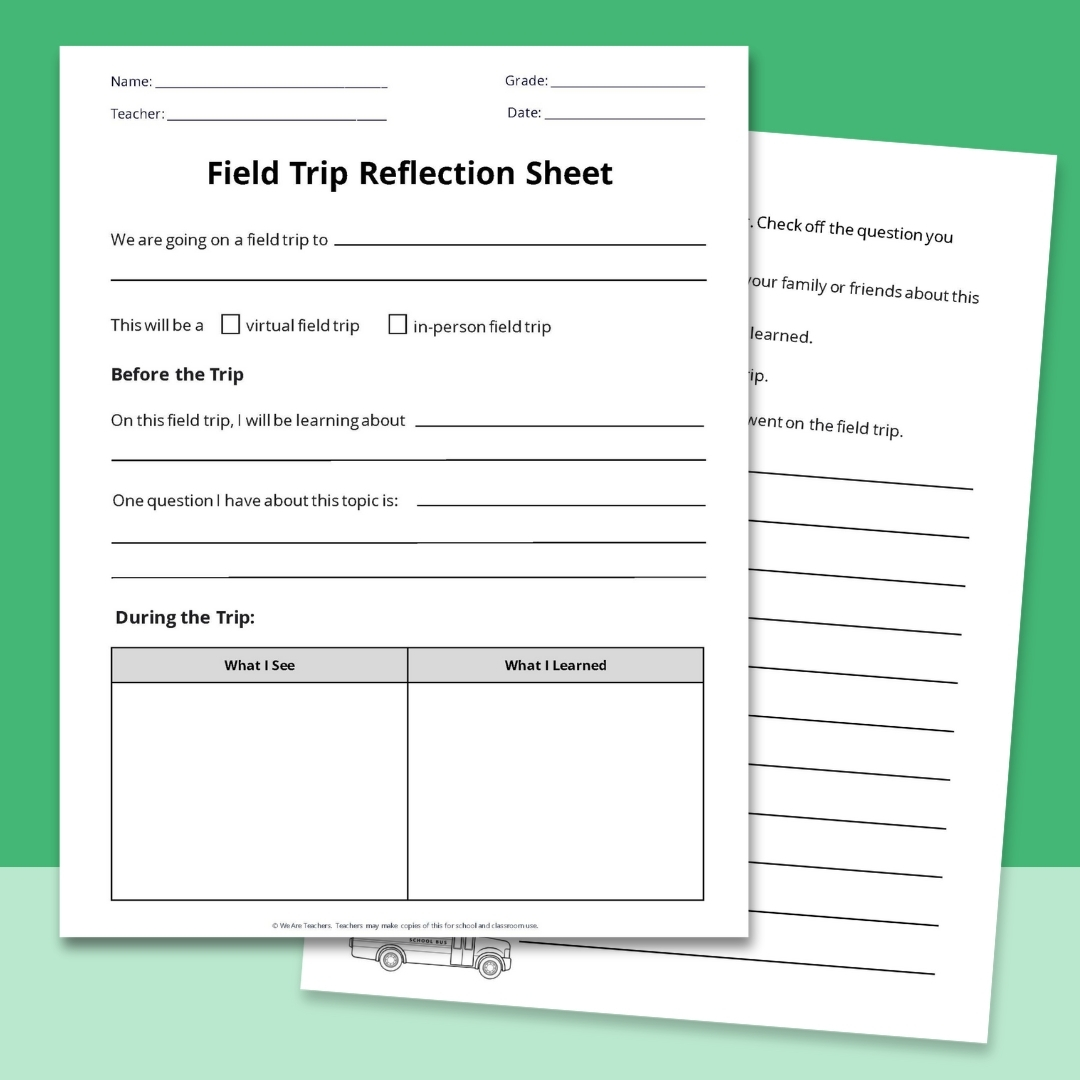
Planning a field trip to Washington, D.C., requires a timeline that often begins six to twelve months in advance. This is particularly true for sites like the White House or the Holocaust Museum, which have strict reservation systems. Educators must balance the logistical demands of transportation and student safety with the goal of creating an impactful academic itinerary.

The broader impact of these trips is significant. Research into experiential learning suggests that students who participate in field trips show increased empathy, higher levels of critical thinking, and a greater interest in civic engagement. By standing where history was made and where the future is being debated, students develop a more profound connection to their roles as citizens.
In conclusion, Washington, D.C., offers an unmatched concentration of educational resources. Whether exploring the depths of the natural world at a Smithsonian museum, debating constitutional law at the Supreme Court, or reflecting on the struggle for civil rights at a national monument, students are afforded the opportunity to see their classroom lessons in action. These experiences do more than teach facts; they inspire a lifelong curiosity and a deeper understanding of the diverse threads that weave the fabric of American society.

