
The landscape of mathematics education has undergone a profound transformation over the last decade, transitioning from traditional textbook-heavy instruction to a dynamic, digital-first approach. As global educational standards evolve and the demand for STEM (Science, Technology, Engineering, and Mathematics) proficiency increases, the internet has become a critical repository for high-quality pedagogical resources. Today, educators, students, and parents have access to a vast ecosystem of online platforms that cater to every developmental stage, from early numeracy in preschool to complex multivariable calculus at the university level.
The proliferation of these digital tools comes at a pivotal moment. According to the 2022 National Assessment of Educational Progress (NAEP), often referred to as the "Nation’s Report Card," mathematics scores for fourth and eighth graders in the United States saw their steepest declines since the assessment began in 1990. This data has catalyzed a surge in the adoption of supplemental digital learning platforms designed to bridge achievement gaps and foster deeper conceptual understanding through adaptive learning and gamification.
The Evolution of Digital Mathematics Instruction
The chronology of online math education began with basic drill-and-practice websites in the late 1990s and early 2000s. However, the current generation of platforms utilizes sophisticated artificial intelligence (AI) and machine learning algorithms to provide personalized learning paths. These systems analyze student responses in real-time, identifying specific misconceptions and adjusting the difficulty level of problems to keep learners in the "Zone of Proximal Development."
Stephanie Marrero, a middle school math educator with 12 years of experience and the founder of Algebra Made Simple, notes that the integration of technology is no longer optional. "The goal is to increase student buy-in by using examples that resonate with their lives, whether that’s through food, card games, or digital avatars," Marrero states. She emphasizes that the best platforms are those that balance engagement with rigorous data tracking, allowing teachers to monitor growth and mastery with precision.
Comprehensive Standards-Based Curricula
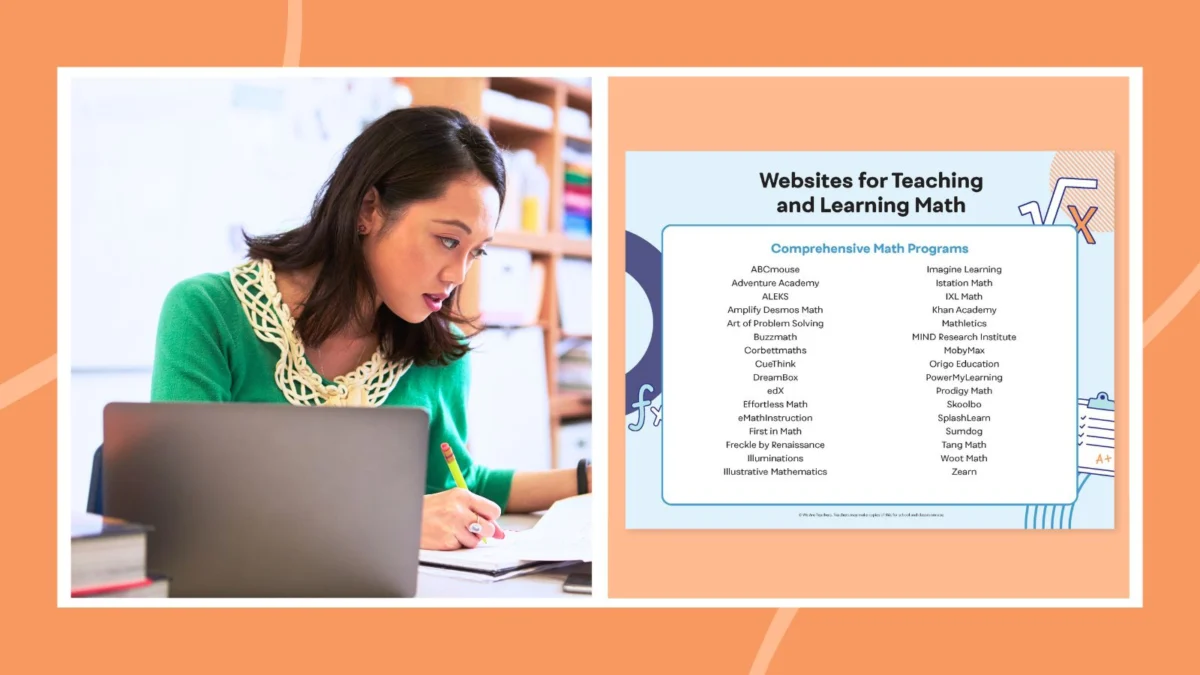
For schools and homeschooling families seeking a complete replacement for or supplement to traditional curricula, several platforms offer full-scale, standards-aligned programs. These resources are designed to ensure that students meet specific benchmarks, such as the Common Core State Standards (CCSS) in the United States or the National Curriculum in the United Kingdom.
ABCmouse and Adventure Academy
Developed by Age of Learning, these platforms provide a scaffolded approach to education. ABCmouse focuses on the foundational years (Pre-K to Grade 2), utilizing a "Tickets and Rewards" system to motivate young learners. Its successor, Adventure Academy, targets students in grades 3 through 8, offering a massively multiplayer online (MMO) environment where math challenges are integrated into a larger quest-based narrative.
ALEKS (Assessment and Learning in Knowledge Spaces)
Owned by McGraw Hill, ALEKS is a research-based, adaptive math program for grades K–12 and higher education. It begins with a comprehensive initial assessment to determine exactly what a student knows and is ready to learn. The program’s "Pie" chart visualizes progress, making it one of the most effective tools for individualized remediation and acceleration.
Khan Academy
Perhaps the most recognized name in free online education, Khan Academy offers a comprehensive suite of math courses. Sal Khan’s "mastery learning" philosophy allows students to progress at their own pace. The platform’s partnership with the College Board also makes it the official resource for SAT practice, providing data-driven insights into student performance.
Zearn Math
Zearn is a top-rated, non-profit curriculum that top-performing districts across the U.S. have adopted. It combines digital lessons with small-group instruction, emphasizing "productive struggle" and multiple ways to solve problems. Recent studies have shown that students who use Zearn consistently see significantly higher growth on state assessments compared to their peers.
Interactive Tools and Instructional Aids
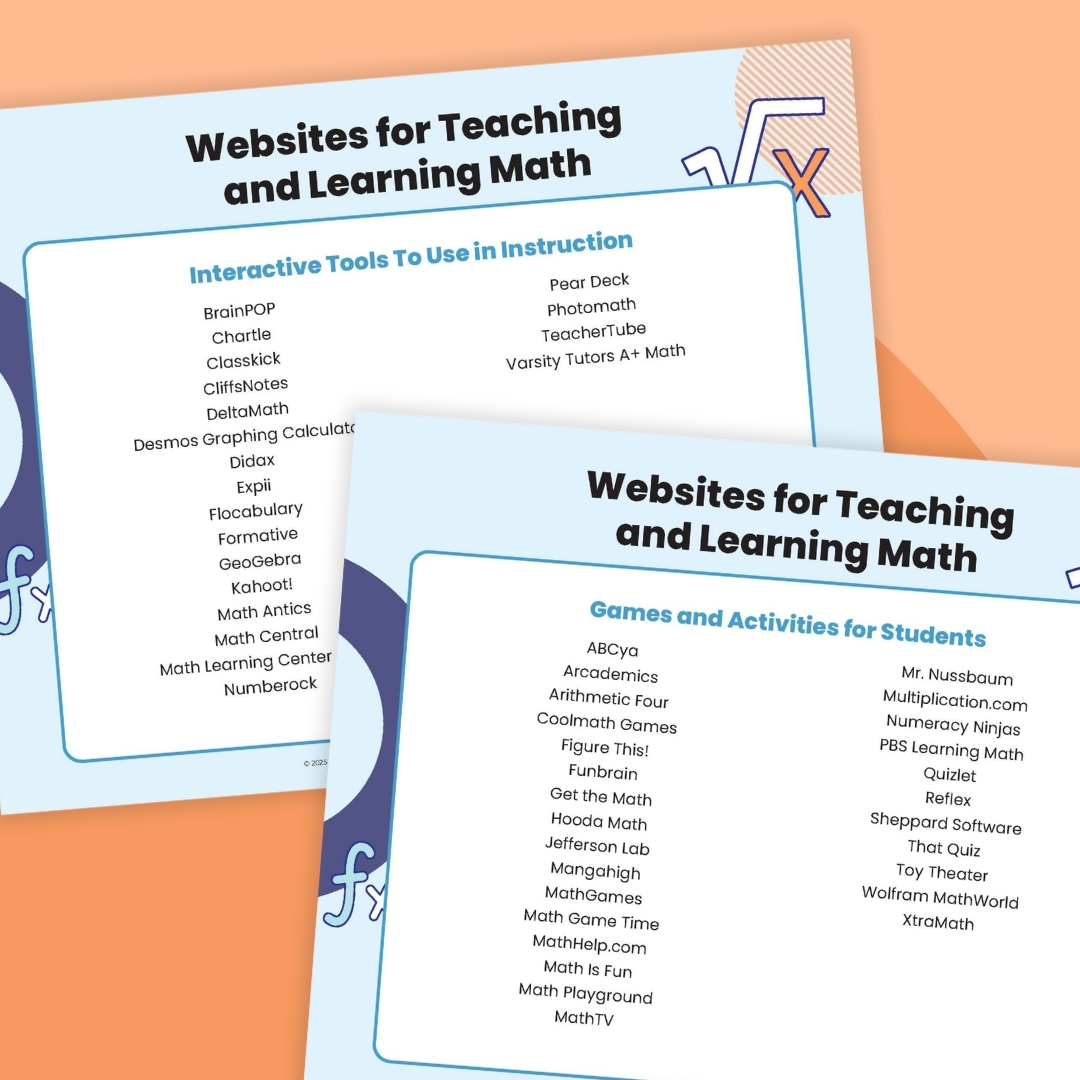
Beyond full curricula, teachers require specialized tools to enhance their daily instruction. These platforms allow for the visualization of abstract concepts, making math more tangible.
Desmos and GeoGebra
The Desmos Graphing Calculator has revolutionized the high school math classroom. By allowing students to manipulate variables and see the immediate impact on a graph, it fosters an intuitive understanding of functions and algebra. GeoGebra offers similar functionality but extends into 3D modeling and geometry, providing a robust suite for advanced mathematics.
EdPuzzle and Pear Deck
To increase engagement during direct instruction, platforms like EdPuzzle allow teachers to embed questions into videos, ensuring students are active participants rather than passive observers. Pear Deck integrates with Google Slides, enabling real-time formative assessment where students can draw, type, or calculate directly on a presentation slide.
Virtual Manipulatives: Didax and The Math Learning Center
The shift to digital learning often leaves a void for tactile learners. Websites like Didax and The Math Learning Center provide virtual versions of base-ten blocks, geoboards, and fraction tiles. These tools are essential for the "Concrete-Representational-Abstract" (CRA) instructional sequence, helping students transition from physical objects to symbolic math.
Gamification and Student Engagement
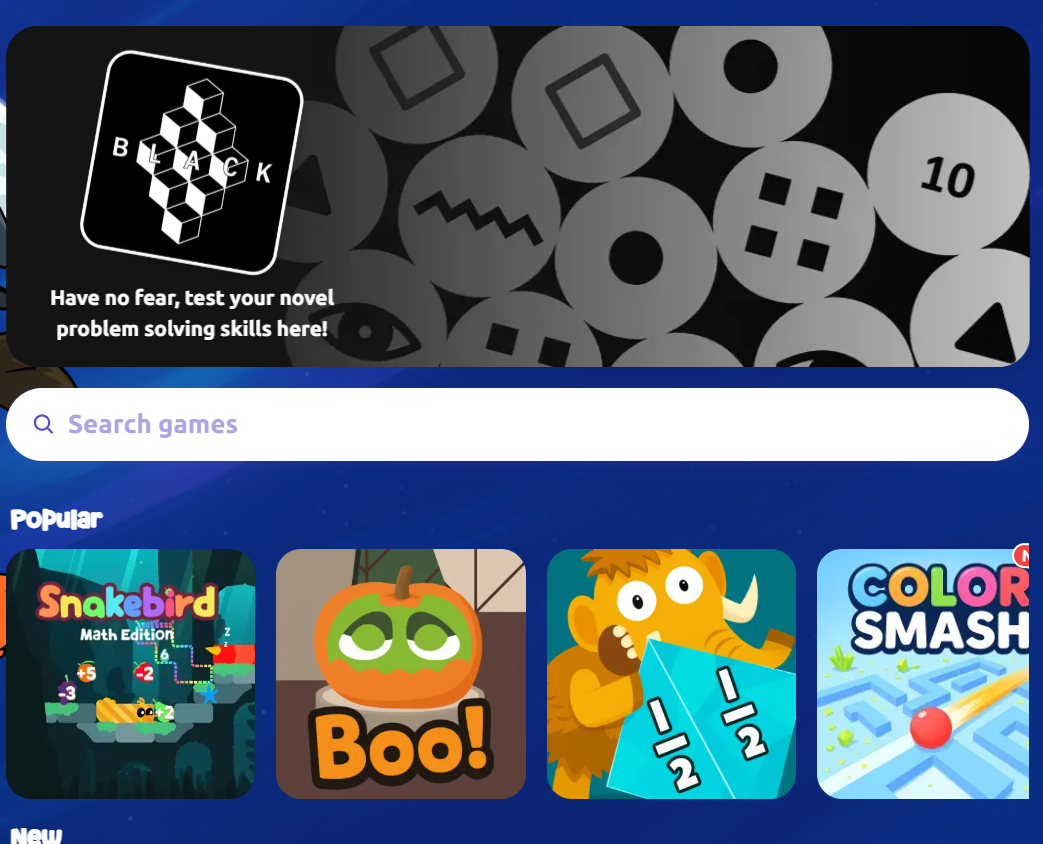
One of the most significant trends in edtech is gamification—the application of game-design elements in non-game contexts. This approach has proven particularly effective in reducing math anxiety.
Prodigy Math
Prodigy is a fantasy-based role-playing game (RPG) where students engage in "wizard battles" by solving math problems. While the game is free for students, teachers receive detailed reports on student progress. The platform currently boasts over 100 million registered users worldwide, illustrating the massive scale of gamified learning.
Mathletics and Sumdog
These platforms focus on "fluency through competition." Mathletics allows students to compete in real-time "Live Mathletics" matches against peers from across the globe. Sumdog uses a similar competitive model but uses a unique diagnostic tool to ensure that every student, regardless of their ability level, has a fair chance of winning based on their individual progress.
Resources for Professional Development and Lesson Planning
The burden of lesson planning can be overwhelming for educators. Several websites provide high-quality, pre-made resources that allow teachers to focus more on instruction and less on administrative preparation.
Achieve the Core
This site is a premier resource for understanding the "Coherence Map" of mathematics. It shows how a concept like "Ratios" in 6th grade connects to "Proportional Relationships" in 7th grade and "Linear Functions" in 8th grade. This vertical alignment is crucial for intervention and scaffolding.
Illustrative Mathematics (IM)
IM is a highly acclaimed, problem-based curriculum that encourages students to "do math" rather than just watch it. The website provides free access to its K–12 curriculum, including lesson plans, practice problems, and professional learning resources for teachers.
Kuta Software
For middle and high school teachers, Kuta Software remains a staple. It allows for the rapid generation of customized worksheets and assessments for Algebra 1, Geometry, Algebra 2, and Calculus. Its ability to create multiple versions of the same test is a key feature for maintaining academic integrity in the classroom.
Broader Impact and Educational Implications
The rise of these 75+ math websites represents a paradigm shift in how mathematical literacy is achieved. However, the reliance on digital tools brings both opportunities and challenges.
Data-Driven Instruction
The most significant impact of these platforms is the democratization of data. In a traditional classroom, a teacher might not realize a student is struggling until a unit test. With platforms like IXL or DeltaMath, the teacher receives instant notifications when a student hits a "red zone," allowing for immediate, targeted intervention.
The Digital Divide
While these resources are abundant, the "digital divide"—the gap between those who have access to high-speed internet and modern devices and those who do not—remains a critical concern. For online math learning to be truly effective, equitable access to technology must be a priority for policymakers and school districts.
The Human Element
Despite the sophistication of AI-driven platforms, research consistently shows that technology is most effective when it complements, rather than replaces, a skilled teacher. The "blended learning" model, which combines digital practice with face-to-face instruction, continues to yield the best results for student achievement.
Conclusion
The vast array of math websites available in 2024 offers an unprecedented opportunity to personalize education and make mathematics accessible to all learners. From the whimsical world of Prodigy to the rigorous analytical tools of Wolfram MathWorld, these resources cater to the diverse needs of the modern classroom. As the educational community continues to navigate the post-pandemic landscape, these digital tools will serve as the backbone of a more resilient, data-informed, and engaging mathematical journey for students worldwide. Whether the goal is to master basic addition or to unlock the complexities of differential equations, the right digital resource is now only a click away.

