
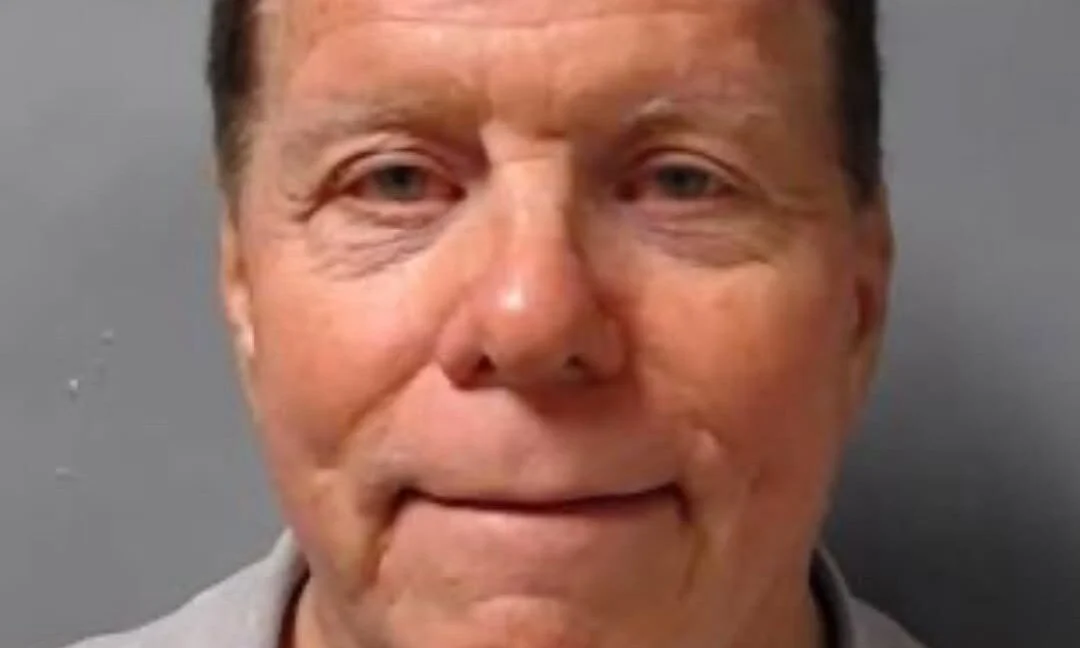
A man identified as Richard Graydon, a fugitive who had been sought for over two decades and was once featured on the television program America’s Most Wanted, has been apprehended by authorities. The arrest, which occurred on July 16th, aboard a 56-foot sailing vessel named The Silver Lining on the East River in New York, marks the end of a prolonged period of evasion. Law enforcement officials, including the U.S. Marshals Service and the U.S. Coast Guard, intercepted the vessel and took the individual, also known as Fischer, into custody without incident. The lengthy manhunt and the subject’s subsequent involvement in the biotechnology sector raise significant questions about his activities during his time in hiding and the veracity of his professional claims.
The profile developed by law enforcement painted a picture of a man adept at maintaining a clandestine existence. During his 20 years as a fugitive, he reportedly utilized more than a dozen aliases, a testament to his ability to circumvent detection. His police description characterized him as a "master yachtsman, a world traveler, and internationally connected," suggesting a lifestyle that facilitated mobility and provided opportunities to remain off the grid. His notoriety was further amplified by his appearance on America’s Most Wanted, a program dedicated to profiling and apprehending elusive fugitives.
A Biotech Career Under Scrutiny
Despite his status as a wanted individual, information surfaced in recent years that placed him squarely within the high-stakes world of biotechnology and pharmaceutical development. In 2017, a book titled The Genetic Risks of Cancer: The Effects of DNA, Genomics and Inheritance on Aging and Survival was self-published under the name Richard Graydon. The book’s description positioned him as an oncologist who had previously served as a chief medical officer within the biotech and drug development industry. Notably, at the time of this reporting, the book had garnered no reviews on the e-commerce platform Amazon, an unusual absence for a published work, especially one by an individual claiming extensive professional experience.
The individual’s purported involvement in the biotech sector gained more public attention in October 2022 when Atossa Therapeutics, a Seattle-based biotechnology company, announced the appointment of Richard Graydon as its interim chief medical officer. Steven Quay, Atossa’s CEO, expressed enthusiasm at the time, stating in a press release, "We are privileged to welcome Richard to Atossa, where his deep experience in CAR-T cell therapy fits well with our current strategic direction as we explore our opportunities in cell therapy." This appointment suggested a significant return to a prominent role in the industry for someone with apparent expertise in a cutting-edge field of cancer treatment.
Further bolstering this narrative, in March of the current year, Immix Biopharma announced its hiring of Graydon. The company described him as a "board-certified hematologist-oncologist with over 20 years of experience in clinical development, most recently at Merck & Co. and Johnson & Johnson." Immix also claimed that he had led new and supplemental new drug applications and biologics license applications for seven approved drugs, including major cancer therapies such as Darzalex, Carvykti, Keytruda, and Imbruvica. The publication Stat highlighted that these are indeed some of the world’s bestselling cancer medicines, underscoring the perceived caliber of his professional background. Immix’s announcement further detailed his academic credentials, stating, "Dr. Graydon received his MD and PhD from Stanford University and trained at Harvard’s Massachusetts General Hospital."
However, a critical investigation by Stat cast significant doubt on these assertions. The news outlet reported that it "could not verify any of that information," and Immix Biopharma did not respond to requests for comment regarding these discrepancies. This lack of verifiable information, coupled with the individual’s history as a fugitive, raised serious concerns about the due diligence conducted by these biotech firms.
A Timeline of Evasion and Recent Employment
The individual’s journey from fugitive to seemingly established biotech executive, and now back into law enforcement’s custody, can be pieced together through available reports:
- Approximately 2004: The individual becomes a fugitive, evading law enforcement for over two decades. His identity and the nature of the original charges that led to his fugitive status remain largely unarticulated in the provided information, though his appearance on America’s Most Wanted indicates a significant level of pursuit.
- 2017: A book titled The Genetic Risks of Cancer is self-published under the name Richard Graydon, describing him as an oncologist and former chief medical officer in the biotech industry. This marks one of the earliest public appearances of his purported professional identity during his time on the run.
- October 2022: Atossa Therapeutics announces the hiring of Richard Graydon as its interim chief medical officer, citing his experience in CAR-T cell therapy. This appointment signifies his re-emergence into the professional sphere.
- March [Year Not Specified, but likely 2023 or early 2024]: Immix Biopharma announces the hiring of Richard Graydon, detailing an extensive resume including leadership roles at major pharmaceutical companies and involvement in the approval of several blockbuster cancer drugs.
- July 16, [Current Year]: The individual, identified as Richard Graydon, also known as Fischer, is arrested aboard the sailing vessel The Silver Lining on the East River in New York by U.S. Marshals and the U.S. Coast Guard.
- Monday [Following the arrest]: Immix Biopharma files an SEC report acknowledging Graydon’s termination, stating, "Given his short tenure, management believes there is no material effect on the business." This suggests a swift end to his employment following the revelation of his fugitive status.
Implications and Unanswered Questions
The arrest of Richard Graydon, alias Fischer, raises several critical questions for the biotechnology companies that employed him and for the broader industry. The fact that an individual with such a significant history of evasion, and whose professional credentials could not be verified by investigative journalists, was hired into senior medical officer roles is a cause for concern.
For Atossa Therapeutics and Immix Biopharma, the implications are multifaceted. Firstly, there is the question of their hiring processes and due diligence. How thoroughly did these companies vet the background and qualifications of a key executive responsible for medical strategy and potentially drug development oversight? The claims made about Graydon’s experience at Merck and Johnson & Johnson, and his involvement with groundbreaking drugs like Keytruda and Carvykti, would typically be subject to rigorous verification. The inability of Stat to confirm these details suggests a significant oversight.
Secondly, the termination of Graydon’s employment by Immix Biopharma, described as having "no material effect on the business," implies that his tenure was very brief. This could indicate that the companies became aware of his fugitive status or the discrepancies in his background shortly after hiring him, leading to his swift dismissal. However, the initial public announcements about his hiring, particularly by Immix, presented him as a highly qualified and experienced professional.
The U.S. Marshals Service described Fischer as "one of Rhode Island’s longest-wanted fugitives." The specific nature of the charges that led to his initial fugitive status are crucial to understanding the full scope of his background. Without this information, it is difficult to assess the extent of the potential risk he posed or the impact of his evasion on any past professional endeavors. His purported skills as a "master yachtsman" and "world traveler" could have facilitated international movement, making his apprehension a complex undertaking for law enforcement.
The narrative of a fugitive successfully embedding himself in the highly regulated and scrutinized biotechnology sector for a period, even if brief, highlights potential vulnerabilities in background checks and the importance of robust verification processes. The biotech industry relies heavily on trust and the integrity of its scientific and medical leadership. Any lapse in these areas can have significant repercussions, not only for the companies involved but also for public confidence in the development of life-saving therapies. As investigations into his past continue, the full story of Richard Graydon’s two decades on the run and his brief, yet significant, foray into the biotech world is likely to unfold further.

