
The high-altitude landscapes of Nepal’s Limi Valley in Upper Humla, long considered a pristine sanctuary for some of the planet’s most elusive and threatened species, are currently facing an unprecedented environmental crisis. Researchers from the Himalayan Wolves Project have reported that the region’s delicate ecological balance is being systematically undone by a rapid influx of commercial, large-scale sheep and goat herding, coupled with poorly planned infrastructure development and the escalating impacts of a warming climate. This transformation threatens not only the survival of apex predators like the Himalayan wolf and snow leopard but also the centuries-old cultural stewardship of the local Limi people.
A Landscape in Transition
Historically, the Limi Valley has been characterized by its remoteness and the traditional, sustainable land-management practices of its inhabitants. For generations, the local communities of Til, Halji, and Dzang have grazed yaks and jhoppas—a hybrid of yak and cattle—at low densities, a practice that maintained the integrity of the alpine meadows. However, recent field surveys conducted by conservationists indicate a sharp departure from this tradition.

The valley, which serves as a critical transboundary ecological corridor connecting Nepal to the Tibetan Plateau, is now seeing the arrival of thousands of domestic sheep and goats brought from outside the region. These animals graze indiscriminately, stripping the high-altitude flora of vital shrubs and grasses. Unlike the traditional yak, which is generally suited for the high-altitude environment and managed through local grazing rights, the influx of outside herds has introduced a high-density grazing pressure that the alpine ecosystem is ill-equipped to support.
Ecological Impacts and Disease Risks
The environmental consequences of this shift are multi-dimensional. Beyond the immediate impact of overgrazing, which threatens the nutritional base for native herbivores such as the kiang (the world’s largest wild ass) and blue sheep, there is a significant, looming threat of disease transmission. Livestock from lower altitudes often carry pathogens, including the highly contagious sheep and goat plague (peste des petits ruminants), which can decimate local populations of wild ruminants. In a region where veterinary infrastructure is virtually non-existent, the potential for an undetected disease outbreak to spread across the mountain range is a major concern for conservation biologists.
Furthermore, the introduction of hundreds of underfed, unsupervised herding dogs has disrupted the lives of local wildlife. These dogs, which roam as far as 10 kilometers from their camps, have been observed harassing marmots, pikas, and woolly hares. Perhaps most critically, these dogs have been documented encroaching on active wolf dens, forcing pack members to defend their young—a significant disruption to reproductive success. Monitoring data from the current season revealed the lowest reproductive output for the region’s focal wolf pack in over a decade, with only two pups surviving, compared to previous years of higher success.

The Disruption of Traditional Stewardship
The encroachment is exacerbated by a demographic shift within the valley itself. As younger generations migrate to urban centers in search of economic opportunity, the traditional knowledge systems that once governed resource use are being lost. This has created a power vacuum that is being filled by commercial interests from outside the region. Unlike local yak herders, who use dried dung for fuel, these external herders have been observed clearing scarce high-altitude shrubs, further accelerating soil erosion and habitat degradation in an area already struggling with the effects of climate change.
Infrastructure development has also played a role in this degradation. The recent construction of roads through core wildlife habitats—originally intended to boost religious tourism—has inadvertently become a conduit for illegal wildlife trade. These routes provide easier access for poachers to transport body parts across the border, threatening the long-term survival of species such as the Himalayan wolf, snow leopard, and the recently rediscovered wild yak population.
The Climate-Hazard Connection
The crisis in Limi is occurring against a backdrop of increasing regional instability. The Himalayas are experiencing the effects of climate change at an accelerated rate, characterized by glacial retreat, shifting precipitation patterns, and an increase in catastrophic geological events.

In late August 2026, a catastrophic flash flood in the Bhote Koshi-Trishuli corridor of central Nepal served as a sobering reminder of the volatility of the high-mountain landscape. While the floods in the Limi Valley this year were smaller in scale, they destroyed critical local infrastructure, including bridges, causing significant displacement of families. These events highlight the vulnerability of the region’s mountain communities, who are increasingly forced to manage the compounding pressures of environmental degradation and extreme weather events with limited institutional support.
Data on Declining Biodiversity
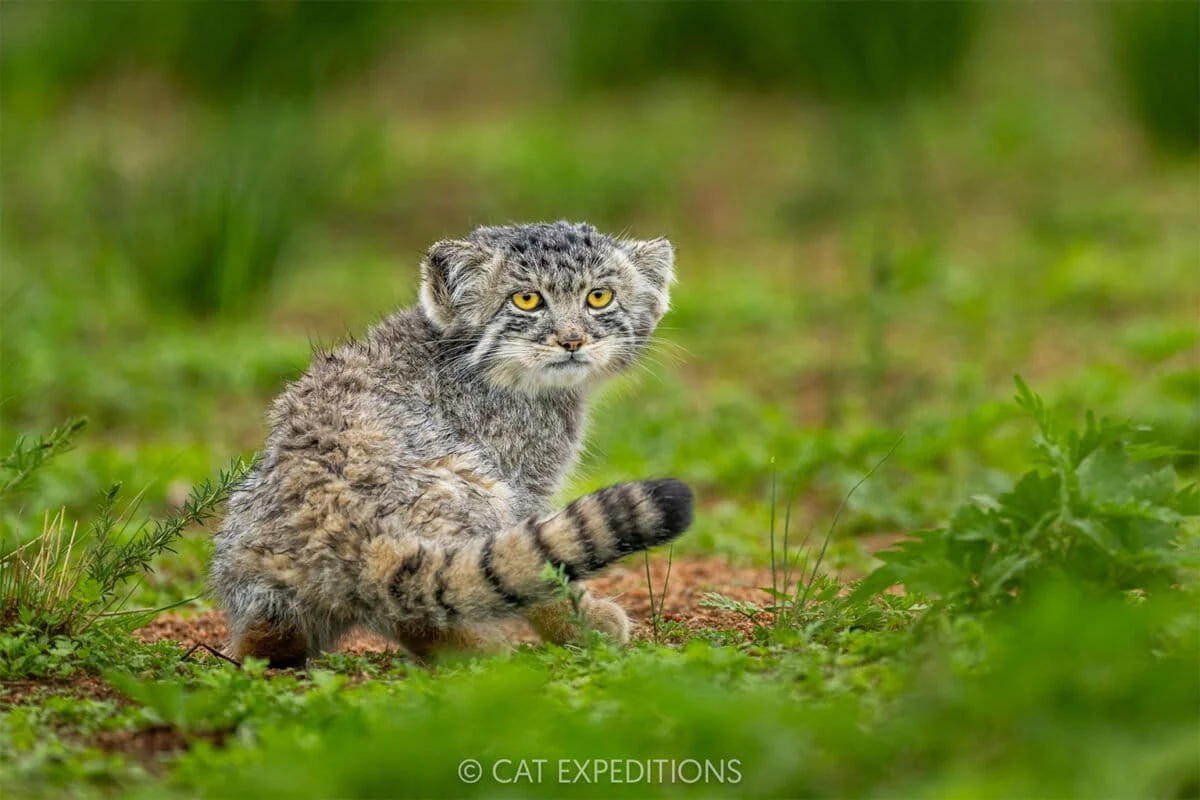
Scientific surveys conducted over the last decade have documented a rapid decline in the region’s charismatic megafauna. The kiang population, which was once stable, has faced a sharp contraction as their grazing grounds are monopolized by domestic livestock. Similar trends have been noted for the Eurasian lynx, Tibetan brown bear, and Pallas’s cat.
The increase in human-wildlife conflict is an inevitable byproduct of this habitat loss. As livestock numbers expand into the territories of apex predators, the likelihood of retaliatory killings increases. Farmers, facing economic losses from the predation of their smaller, more vulnerable sheep and goats, often turn to illegal poisoning—a practice that is devastating to carnivores and scavengers alike.

Call for Formal Protection
Conservationists and local leaders are calling for an urgent shift in policy to protect the Upper Limi region. The recommendation is to move toward a formal legal framework for ecosystem protection that is led by the community itself. By establishing "conservation zones" where grazing is strictly regulated and limited to traditional, low-density yak herds, it is possible to secure both the livelihoods of the local people and the habitats of endangered species.
The Himalayan Wolves Project emphasizes that protection does not have to be exclusionary. A well-managed land-use policy could designate specific areas for rotational grazing, ensuring that the critical corridors used by wildlife remain undisturbed. However, such a strategy requires strong enforcement and a commitment from the Nepalese government to prioritize the ecological integrity of the borderlands.
Looking Toward the Future
The loss of the Limi Valley’s wilderness would represent more than just the decline of a specific habitat; it would signal the failure of a conservation model that relies on the "pristine" nature of remote areas without accounting for the human and climatic pressures that are reshaping the planet.

As of late 2026, the situation remains at a critical juncture. Without immediate intervention, the unique biological and cultural tapestry of the Limi Valley faces irreversible decline. The scientific consensus is clear: the window of opportunity to safeguard these high-altitude refuges is closing. With the loss of traditional knowledge and the acceleration of habitat fragmentation, the focus must now shift to proactive, community-integrated governance that recognizes the intrinsic value of the Himalayas as a global asset.
The resilience of the Himalayan wildlife has been tested for millennia, but the current convergence of human encroachment, climate change, and weak law enforcement is a challenge of a different magnitude. The survival of species like the Himalayan wolf and the kiang—and the preservation of the Limi people’s way of life—depends on whether the global and local communities can act with the urgency that this disappearing landscape demands. The time to preserve one of the last remaining high-altitude wildernesses on Earth is now, before the valley’s natural wealth is permanently lost to the pressures of modern, unregulated expansion.

