
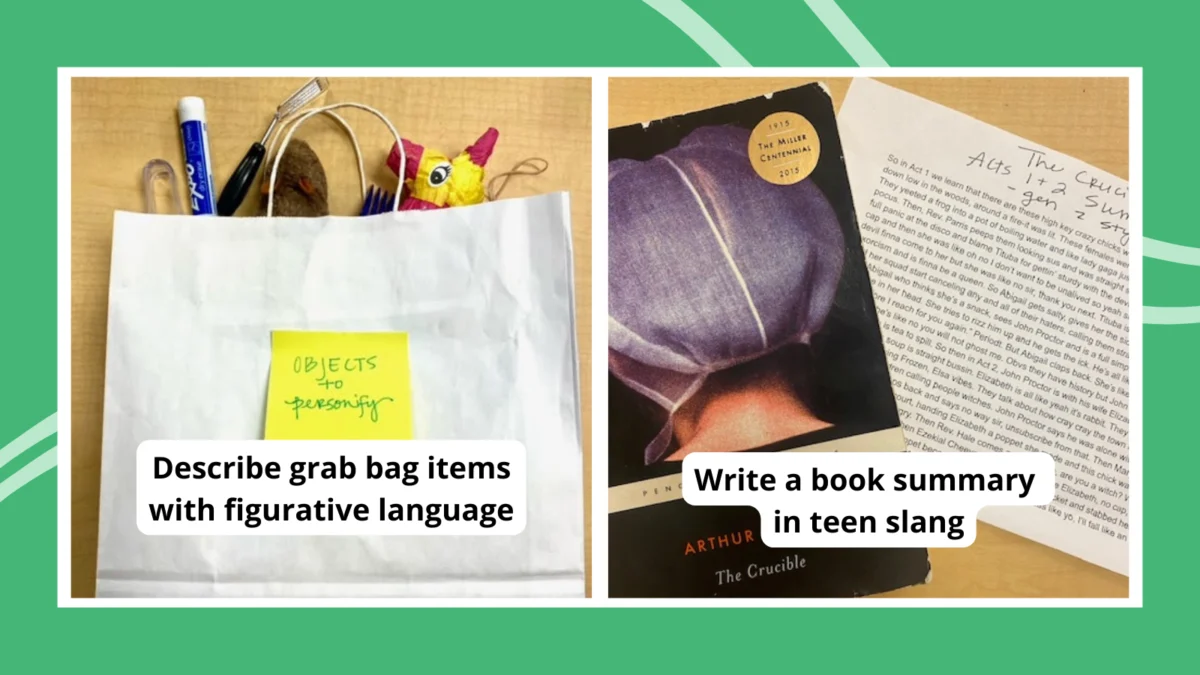
The challenge of sustaining engagement in middle and high school classrooms has become a focal point of modern educational discourse. As student attention spans shift in response to digital saturation, educators are increasingly tasked with reinventing traditional curricula to maintain academic rigor while meeting the developmental needs of adolescents. Recent pedagogical research indicates that active learning environments—those prioritizing student agency, collaborative inquiry, and real-world application—result in higher retention rates and improved mastery of complex literary standards. This report examines a series of evidence-based instructional strategies currently being implemented in secondary English Language Arts (ELA) classrooms to bridge the gap between abstract literary theory and student interest.

The Evolution of Classroom Engagement Metrics
Educational psychologists have long noted that the transition from middle to high school marks a period of heightened social awareness and the development of abstract reasoning. According to a 2022 study by the National Center for Education Statistics (NCES), student engagement levels often decline during the ninth-grade year, a phenomenon frequently attributed to a perceived lack of relevance in curriculum materials. Teachers responding to these findings have adopted "high-impact" activities designed to synthesize traditional literary analysis with contemporary mediums, such as digital media, music, and collaborative project-based learning.
Integrating Digital Literacy and Pop Culture
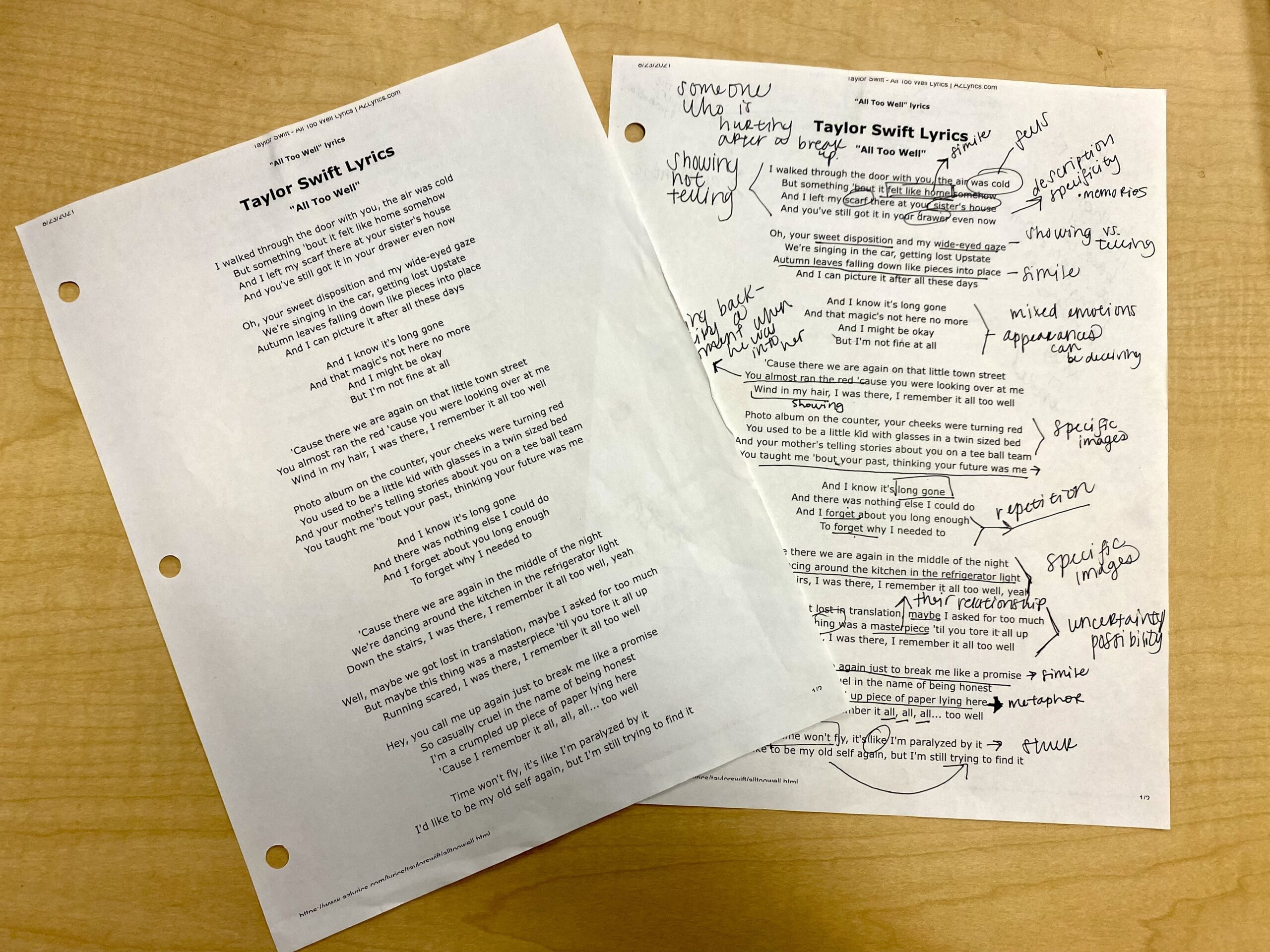
One of the most effective methods for teaching complex concepts like symbolism or figurative language involves leveraging the students’ existing cultural knowledge. The use of popular music—often referred to as "lyrical analysis"—has gained traction as a formal teaching tool. By deconstructing the songwriting craft of contemporary artists or historically significant musicians, teachers can introduce students to literary devices in a familiar, non-intimidating context. This approach mirrors the principles of the "Framework for 21st Century Learning," which advocates for the integration of media literacy to enhance critical thinking.
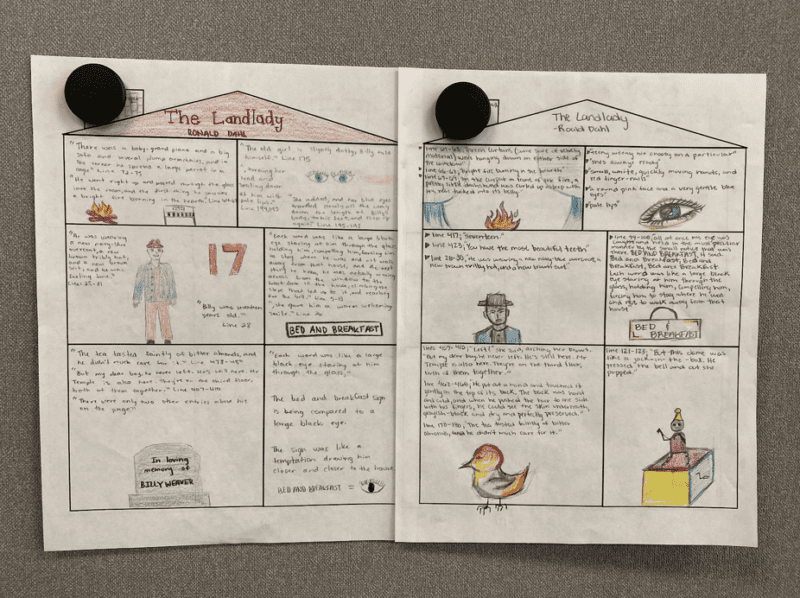
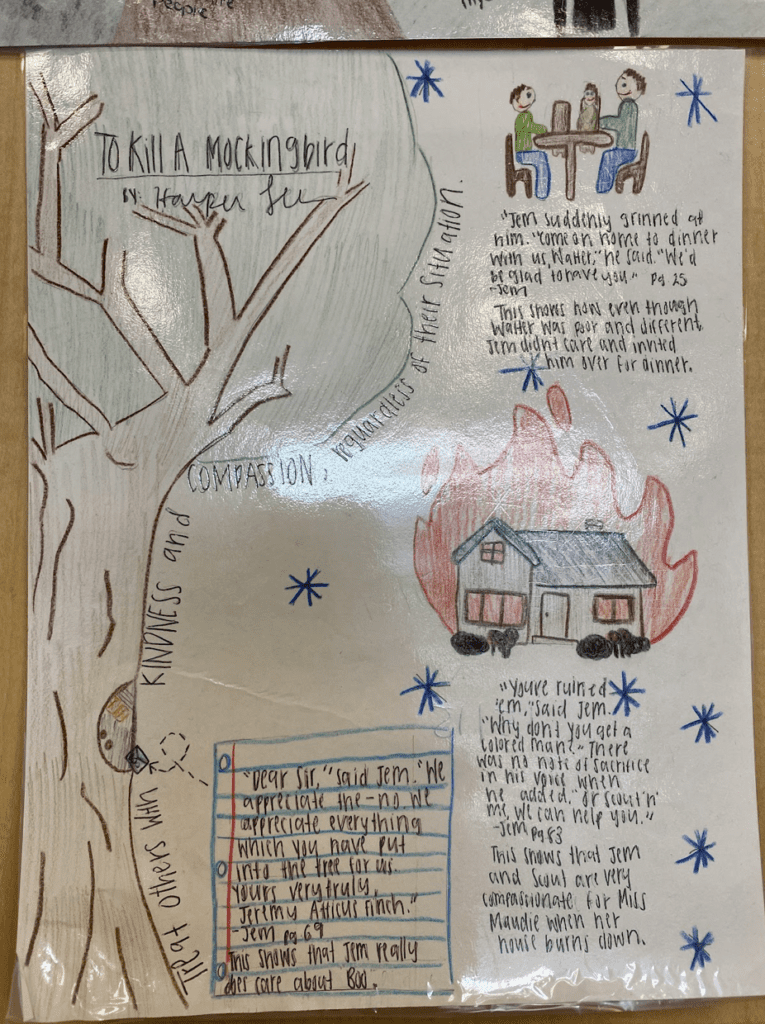
Beyond music, the incorporation of social media-inspired formats, such as "one-pager" assignments, allows students to synthesize their understanding of thematic elements through a combination of visual art and textual evidence. This method satisfies both the creative and analytical requirements of state-mandated ELA standards, providing students with a structured way to demonstrate mastery without the constraints of traditional long-form essay writing.
Gamification as a Tool for Summative Assessment
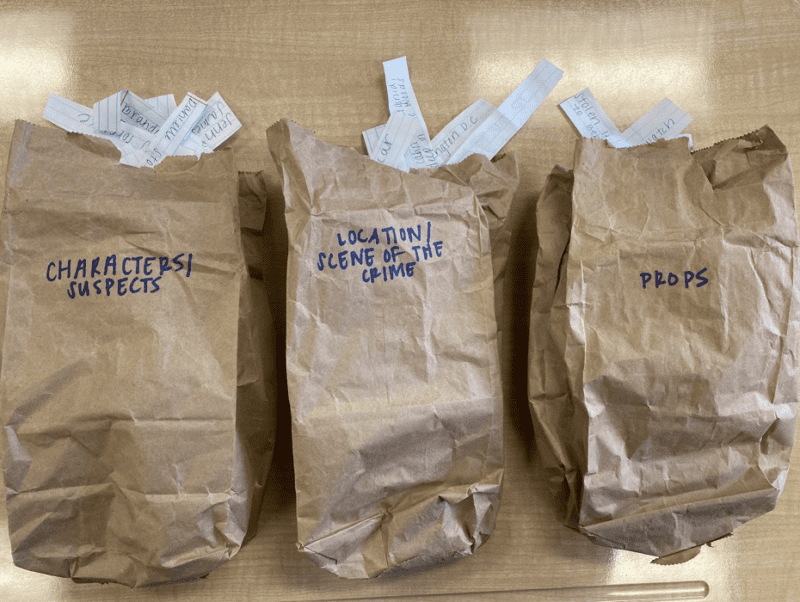
The implementation of "gamified" learning, such as "reviewsical chairs" or the "flyswatter game," transforms high-stakes assessment preparation into a collaborative, low-stress experience. These activities, which rely on the principles of active recall, force students to engage with curriculum content in real-time. Data from classrooms utilizing these methods suggest that students are more likely to participate in competitive, high-energy activities than in passive review sessions. Furthermore, the use of "murder mystery" scenarios to teach inferencing and textual evidence gathering provides a narrative hook that makes complex, evidence-based writing tasks feel like a collaborative puzzle rather than an administrative burden.

Structured Collaborative Inquiry
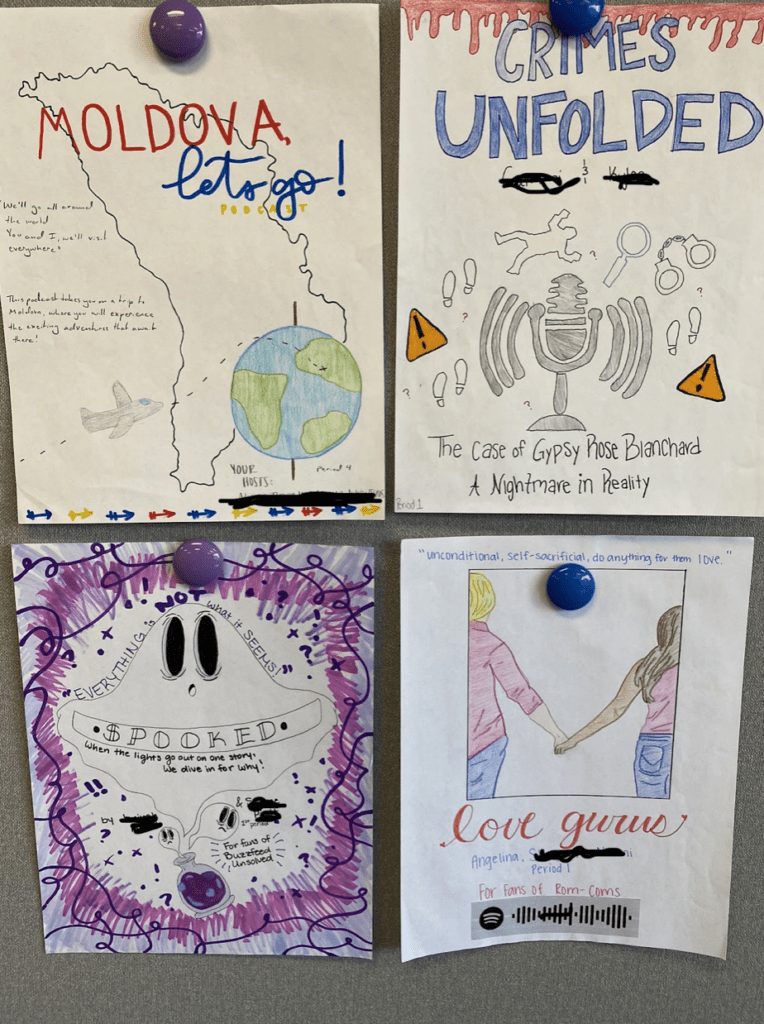
Moving beyond individual work, many classrooms are now adopting "Chapter Chats" and student-led podcasting. These strategies address speaking and listening standards by placing students in the role of facilitators. When students are responsible for the intellectual output of a discussion, they demonstrate a higher level of critical reading. The production of student-led podcasts, in particular, requires a multi-stage process involving research, citation, scriptwriting, and audio production. This reflects a broader educational shift toward "production-based learning," where the end product is a professional-grade artifact rather than a disposable assignment.

Contextualizing Literature through Immersive Experiences
For long-form literature, educators are increasingly using "parties with a purpose" or atmospheric stations to provide essential background context. By transforming the classroom environment—such as the creation of a 1920s setting for The Great Gatsby or a gothic-inspired setting for Edgar Allan Poe’s works—teachers can lower the barrier to entry for difficult texts. This method of contextualization ensures that students have the necessary cultural and historical knowledge to approach a text with confidence.

Anticipation guides, which ask students to respond to thematic questions before reading a text, serve a similar purpose. By aligning their personal values with the themes they will eventually encounter in the literature, students are naturally inclined to continue the inquiry as they read. This practice, supported by cognitive science, suggests that "priming" the brain with relevant questions increases the likelihood of long-term retention.

Addressing the "Skills Gap" Through Satire and Parody
The study of satire offers a unique opportunity for students to engage with complex rhetorical devices. By producing Saturday Night Live-style sketches or analyzing the structure of parodies, students learn to identify irony and subtext. These activities provide a safe space for students to explore their creative identities while simultaneously sharpening their understanding of how language can be manipulated for comedic or critical effect.
The Role of Found Poetry and Creative Expression
Blackout poetry and found poetry, which involve the transformation of existing texts into new artistic works, provide an accessible entry point into the study of poetic structure. By isolating words from newspapers or discarded books, students are forced to engage in a rigorous selection process, identifying the most potent vocabulary to convey a specific theme. This practice not only reinforces vocabulary skills but also helps students develop a nuanced understanding of how word choice contributes to tone and mood.

Pedagogical Implications and Future Outlook
The shift toward these diverse, active learning strategies is not merely a trend but a response to the changing landscape of secondary education. As literacy rates and reading comprehension scores remain a priority for school districts, the necessity of innovative engagement strategies becomes clear. Experts in the field argue that the future of ELA instruction lies in the successful marriage of classic literature with modern, student-centered modalities.
Educational administrators and curriculum designers have begun to formalize these approaches in professional development programs, emphasizing that the "teacher as facilitator" model is significantly more effective than the "teacher as lecturer" model for secondary learners. While the integration of these activities requires more logistical planning on the part of the educator, the resulting student participation—marked by higher motivation and deeper thematic understanding—serves as an indicator of their efficacy.
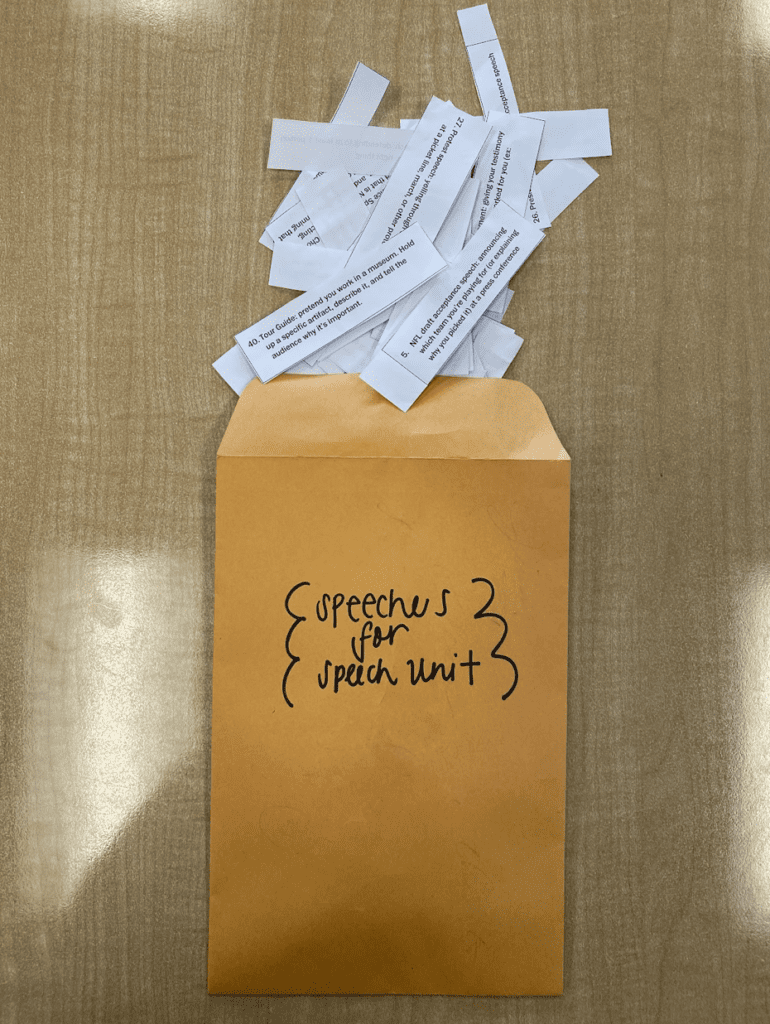
As schools continue to navigate the challenges of the post-pandemic academic landscape, the emphasis on these 25 strategies underscores a fundamental truth: engagement is the precursor to learning. Whether through the lens of a "Gen-Z" summary of classic theater or the creation of a student-led podcast, the objective remains constant: to empower students to interact with language as active, critical, and creative participants in their own education. By embracing these diverse pedagogical techniques, educators are not just covering curriculum; they are fostering a lifelong engagement with the written and spoken word.

