
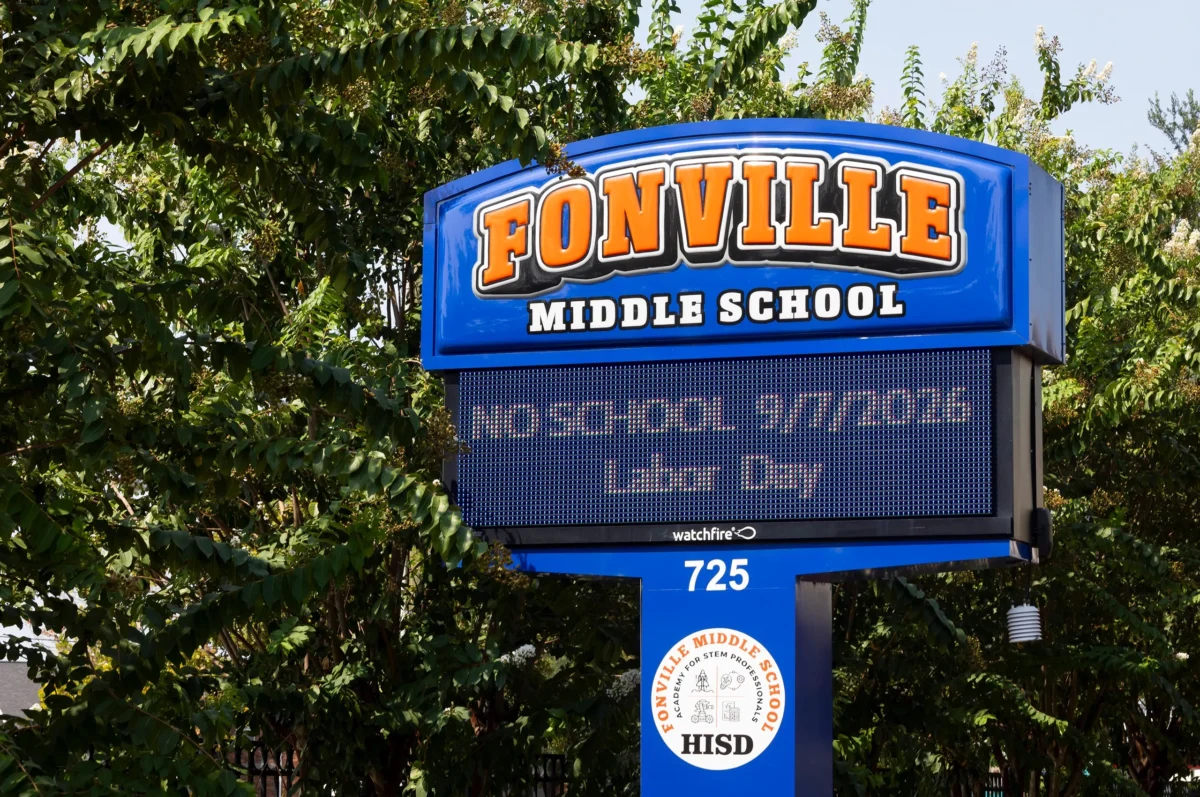
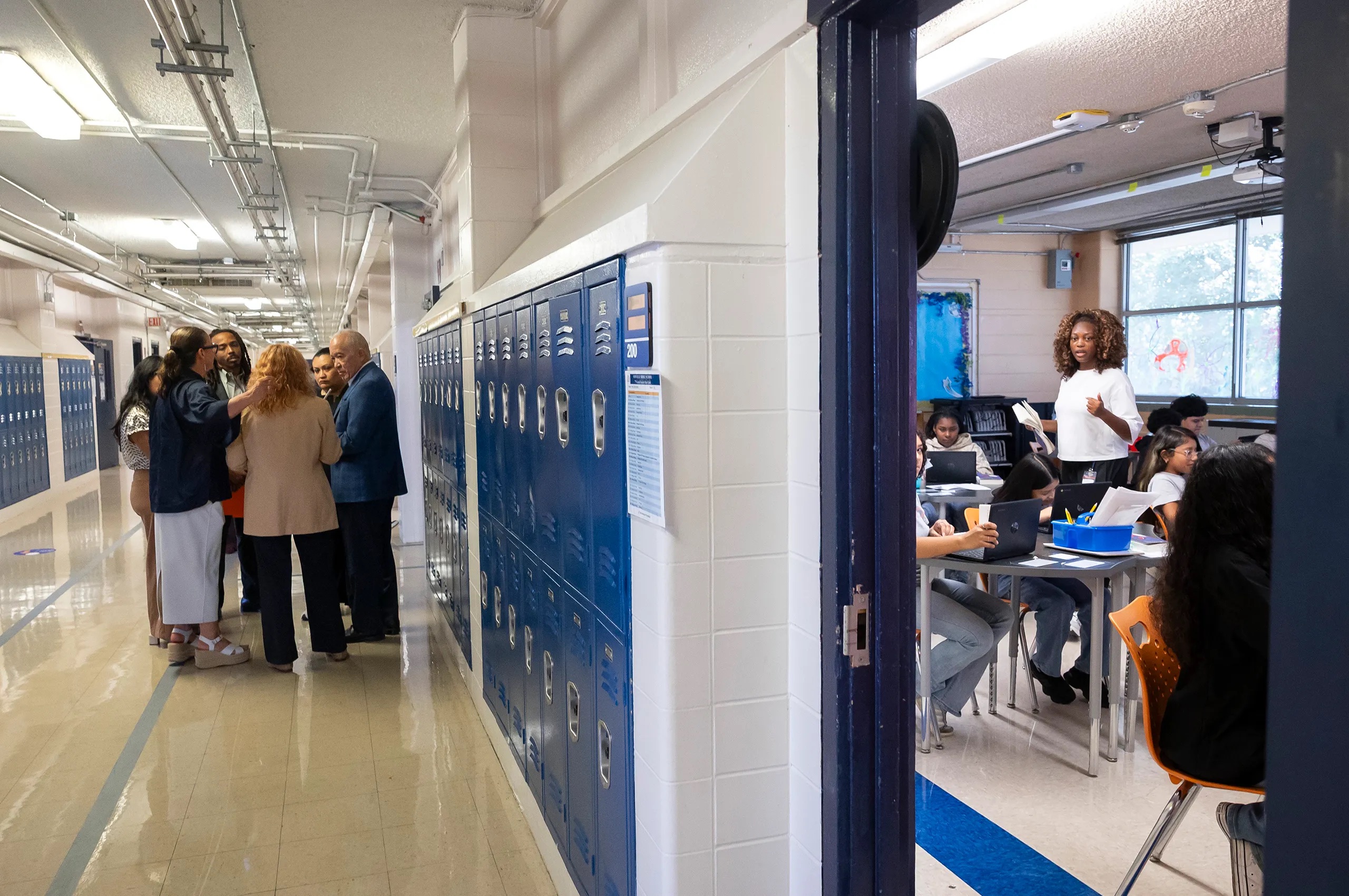
Fonville Middle School in north Houston serves as the frontline of a contentious educational experiment. Where once stood a campus struggling under the weight of an "F" rating—marked by profound deficits in reading and math proficiency—there is now a facility boasting state-of-the-art smart boards, high-definition webcams, and a newly minted "A" rating from the state. This dramatic turnaround, championed by Houston Independent School District (HISD) Superintendent Mike Miles, has become the centerpiece of a statewide effort to revitalize failing public schools. However, behind the improved standardized test scores lies a sobering fiscal reality: a reliance on rapidly depleting financial reserves and a significant, accelerating exodus of students that threatens the long-term sustainability of the model.
A Chronology of Intervention
The state’s intervention began in 2023, following years of chronic academic underperformance that led the Texas Education Agency (TEA) to oust the district’s locally elected school board and superintendent. In their place, the state appointed a board of managers and tasked Mike Miles with implementing the New Education System (NES).
The NES model is characterized by high-intensity interventions: longer school days, a heavy emphasis on standardized testing, and the integration of "learning coaches" to provide targeted support. Since its inception, the district has moved aggressively to align its 280 schools with this philosophy. By 2026, the contrast in campus performance was stark: while the district had 56 "F" rated campuses three years ago, that number plummeted to just five. Furthermore, in the 2025 and 2026 school cycles, NES campuses saw an eight-fold increase in the number of schools achieving "A" or "B" ratings compared to pre-takeover levels.

The Fiscal Math of Reform
The financial burden of this model is significant. According to HISD budget documents, the cost to convert a campus to the NES model reaches approximately $700,000 in the first year alone. In subsequent years, the recurring costs manifest as an additional $2,200 per student. These expenditures cover higher teacher salaries, the recruitment of specialized staff, and the procurement of new technology.
To fund these systemic changes, the district has engaged in a series of drastic fiscal measures. Since the start of the takeover, HISD has aggressively liquidated assets, putting dozens of district-owned buildings and land parcels up for sale. More critically, the district has drawn down its "rainy day" reserves—a financial cushion built over years—at a rate far exceeding its urban peers. In just the first few years of the takeover, Miles’ administration utilized nearly $450 million of these reserves.

Financial analysts warn that this strategy is unsustainable. Jonathan Travers, CEO of Education Resource Strategies, characterizes the move as a high-stakes gamble. "You’re gambling that you’re going to somehow be able to raise ongoing revenue from taxpayers or the state in a few years to cover the gap that you’re using up your reserves to cover," Travers noted.
The Enrollment Exodus
Compounding the financial pressure is a steady and accelerating decline in student enrollment. Since the 2023 takeover, HISD has lost approximately 21,000 students. While urban districts across the country have faced enrollment challenges due to shifting demographics, lower birth rates, and competition from charter schools, the rate of loss in Houston has outpaced all comparable districts in Texas.

Data from the University of Houston suggests that this is not merely a byproduct of general population trends, but a specific reaction to the district’s new management. Families, citing dissatisfaction with the testing-heavy environment and the removal of local oversight, are increasingly choosing to withdraw their children.
"It was the constant testing for me that pushed me over the edge," said Brooke Longoria, a parent who moved her children to a private Montessori school. "Any test score increase that you’ve gained by destroying a school community, by banning books, by firing beloved principals—that’s too high a cost."

For a district funded primarily on average daily attendance, each departing student represents a direct loss of state revenue. An analysis by The Texas Tribune indicates that the district has had to adjust for $190 million in lost funding over the first three years of the takeover.
Official Stance and Strategic Defense
Despite the criticism, Superintendent Mike Miles and Texas Education Commissioner Mike Morath maintain that the reforms are not only necessary but replicable. Morath has frequently cited the Houston model as a blueprint for other struggling districts.

"The evidence in Texas is that state intervention has consistently raised the quality of learning in our schools," Morath stated during a recent visit to a school district.
Miles, for his part, views the cuts to the central office and the repurposing of district assets as evidence of effective, business-like management. He argues that the district’s previous administrative structure was bloated and that his focus on "prioritizing" resources toward the classroom is the only way to drive academic results. He remains confident that as the district continues to post higher test scores, families will return, eventually stabilizing enrollment.

Broader Implications for Texas Education
The implications of the Houston experiment extend well beyond the city limits. Texas leads the nation in state-led takeovers, with at least seven districts currently operating under state-appointed management. Former Houston administrators have been dispatched to lead interventions in districts like Beaumont, Lake Worth, and Fort Worth.
In Fort Worth, the implementation of the "ELEVATE" program—a derivative of the NES model—has already encountered similar friction. The district has seen an exodus of approximately 800 teachers in the first three months of the takeover and is currently facing a budget squeeze that Superintendent Peter Licata described as "bad math."

The concern for policy experts is that smaller districts, which lack the scale and the deep historical reserves that Houston possessed, may hit a financial wall much sooner. Unlike Houston, which could draw on years of saved federal pandemic relief funds and significant real estate holdings, other districts face a more immediate crisis of liquidity.
Looking Toward the Future
As the state prepares to return control to a locally elected board, the district faces a transition period that could determine the survival of the NES model. The newly elected trustees will have the authority to decide whether to continue the current policies, scale them back, or pivot to a new strategy.

Observers note that the "stickiness" of these policies—such as the new teacher incentive pay structure—is designed to make reversal difficult. However, parents and community members like Heather Golden express concern that the financial cushion has been exhausted, leaving the district in a precarious position.
"It will be almost impossible to even maintain these results because we don’t have a financial cushion anymore," Golden said.

As the academic experiment continues, the case of Houston remains a definitive study in the tensions between standardized reform, fiscal sustainability, and community trust. Whether the long-term academic gains can offset the immediate loss of resources and the erosion of the district’s financial infrastructure remains the defining question for the future of Texas public education. For now, the district continues its trajectory, operating under the assumption that test scores will eventually solve the financial deficit—a bet that observers, parents, and financial analysts alike are watching with profound skepticism.

