

The academic landscape of Houston Independent School District (HISD) has undergone a radical metamorphosis since the Texas Education Agency (TEA) seized control of the state’s largest school district in June 2023. Under the stewardship of state-appointed Superintendent Mike Miles, a segment of the district’s campuses—known as the New Education System (NES)—has achieved significant milestones, including the elevation of Fonville Middle School from a failing "F" rating to an "A." However, these improvements have arrived amidst a backdrop of severe fiscal strain, historic enrollment declines, and persistent community friction, raising critical questions about the long-term viability of this aggressive reform model.
The Genesis and Evolution of the Takeover
The state’s intervention was precipitated by years of chronic underperformance at specific campuses and governance instability. Following a protracted legal battle, the TEA ousted the locally elected school board and replaced them with a board of managers, tasking Miles with a mandate to stabilize the district and boost student achievement.
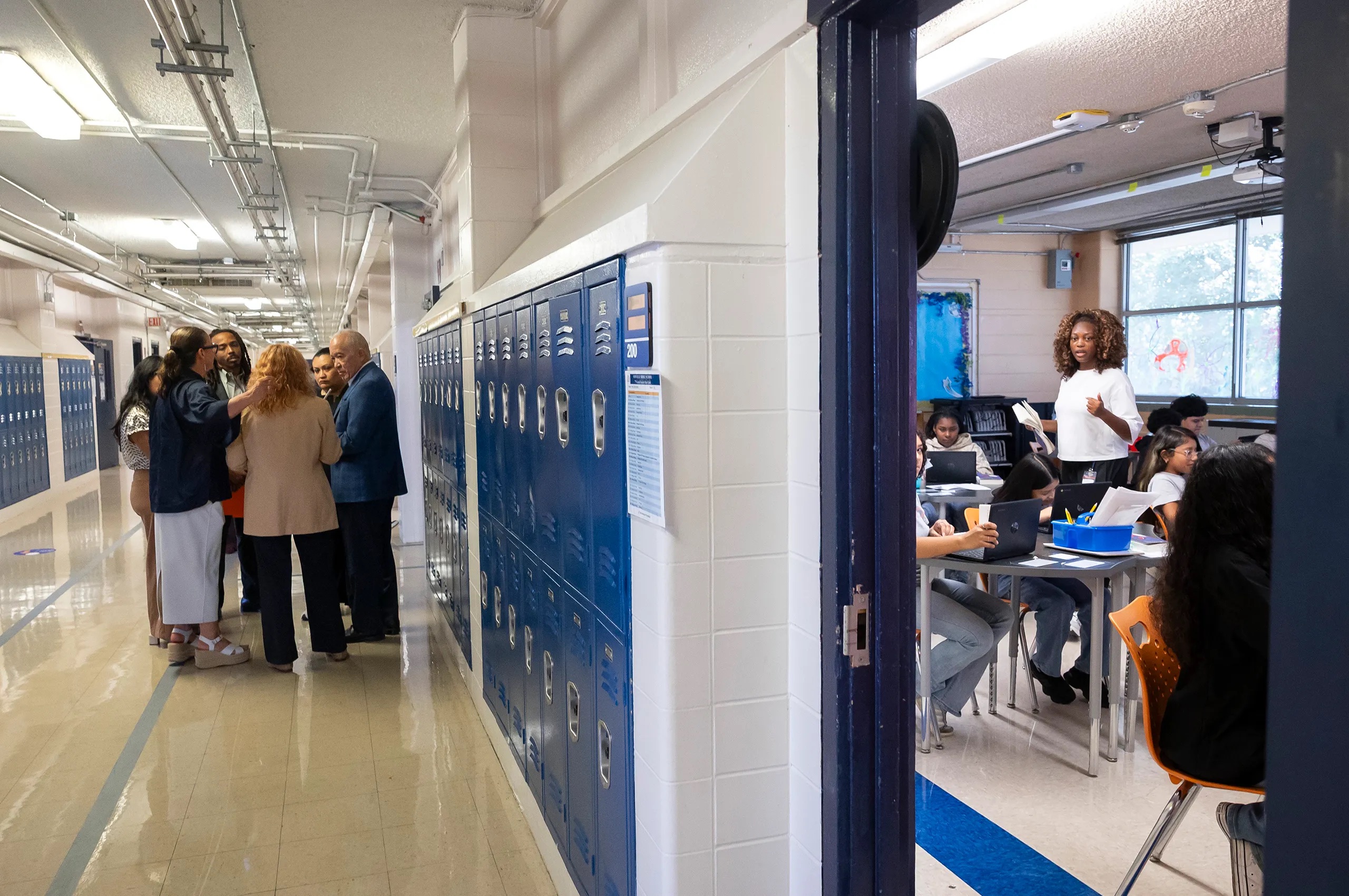
The centerpiece of this strategy, the NES model, represents an intensive approach to schooling. It features lengthened school days, the implementation of standardized "demonstrations of learning" (DOLs), the integration of high-tech instructional tools like smart boards, and the deployment of specialized learning coaches. By the 2025-2026 academic year, the impact of these changes became statistically visible: the number of HISD campuses receiving an "F" rating plummeted from 56 to just five. For state leaders, including Education Commissioner Mike Morath, these results serve as a definitive proof-of-concept for state intervention, suggesting that standardized, high-intensity reforms can effectively reverse generational academic stagnation.

The Fiscal Math of Reform
Despite the academic successes, the financial architecture supporting the NES model has come under intense scrutiny from school finance experts. The reform carries a substantial premium: initial implementation costs are estimated at approximately $700,000 per school in the first year, with recurring annual costs reaching roughly $2,200 per student thereafter.
HISD has financed this transition by fundamentally altering its budget priorities. The district has aggressively tapped into its rainy-day reserves, drawing down nearly $450 million since the takeover began. While these reserves provided a temporary buffer, they were never intended to fund long-term, recurring operational expenses. Furthermore, the district has engaged in extensive cost-cutting measures, including the elimination of roughly 1,500 central office positions and the reduction of wraparound services, such as social work and transportation, which many families rely on to overcome socioeconomic barriers.

The failure of a $4.4 billion bond election in 2024 served as a clear indicator of public sentiment. The proposal, intended to fund critical building and technology upgrades, was rejected by voters, signaling widespread distrust in the current administration’s management of the district’s capital and educational vision.
Enrollment Crisis and the Ripple Effect
Perhaps the most alarming indicator of the district’s current state is the accelerating loss of students. Since the onset of the state takeover in 2023, HISD has seen a total decrease of approximately 21,000 students. This decline is not merely a reflection of demographic trends—such as lower birth rates or regional migration—but appears significantly exacerbated by the intervention itself.

The rate of student attrition has surged annually, with 5,800 students leaving in the first year, 7,400 in the second, and nearly 8,000 in the third. Much of this exodus is concentrated in NES-designated schools. Families, such as the Kemps, who withdrew their daughter from an NES elementary school, report that the focus on high-frequency, high-stakes testing created an environment detrimental to student well-being, leading them to relocate or switch to alternative public, charter, or private institutions.
Because Texas school funding is tied directly to student attendance, this exodus has created a "death spiral" dynamic. Every student who leaves takes roughly $9,000 to $10,000 in state funding with them. Analysis suggests that the district has already faced a cumulative loss of approximately $190 million in state revenue due to these enrollment drops.

Broader Implications for Texas Education
The Houston model is not an isolated experiment; it is being exported. The TEA has placed other districts on similar paths, and several administrators who served under Miles in Houston have been tapped to lead or assist in state takeovers elsewhere, including Beaumont, Lake Worth, and Fort Worth. In Fort Worth, the implementation of "ELEVATE"—a program mirroring NES principles—has already sparked a historic exodus of nearly 800 teachers and created immediate budget gaps.
Experts in school finance, such as Jonathan Travers of Education Resource Strategies, caution that districts with fewer assets and smaller administrative structures than Houston may find themselves in a more precarious position. While Houston had the scale and the reserves to survive the initial impact of these reforms, smaller districts lack the same "economies of scale." Without additional state investment, these districts risk depleting their resources rapidly, leaving them unable to maintain the very reforms the state mandates.

Sustainability and the Path Ahead
As the state prepares to transition control back to local governance, the sustainability of the NES model remains the primary question. Superintendent Miles maintains that his changes are "sticky"—designed to persist through institutionalization and high-performance incentives for teachers. He argues that prioritizing high-quality instruction and rigorous standards is a prerequisite for returning pride to the district, asserting that parents will ultimately return to HISD schools once they see consistent, high-quality results.
However, historical precedents from other states suggest a more cautionary tale. In Tennessee and Colorado, early successes from similar reform efforts were often short-lived. Once the intense focus and centralized funding dissipated, or once leadership turnover occurred, academic gains frequently stalled or reversed.

For the Houston community, the challenge is twofold: maintaining the academic gains achieved over the last three years while repairing the fractured relationship between the district and its families. Critics argue that the current model, which relies on asset liquidation and the depletion of reserves, is fiscally irresponsible and socially divisive.
"If the state wants to conduct this experiment, they must provide the funding to support it," says Ann Eagleton of the advocacy group Community Voices for Public Education. Without a significant shift in funding from the state legislature or a stabilization of the district’s enrollment, the "Houston Blueprint" may be remembered more for its financial volatility than its academic gains.

As the district faces the years-long process of returning to local control, the next school board will inherit a system that is drastically leaner, higher-performing on standardized tests, but significantly smaller and deeper in debt than the one that existed prior to the takeover. Whether this represents a successful "turnaround" or a temporary, high-cost restructuring remains the defining debate of modern Texas public education.

