
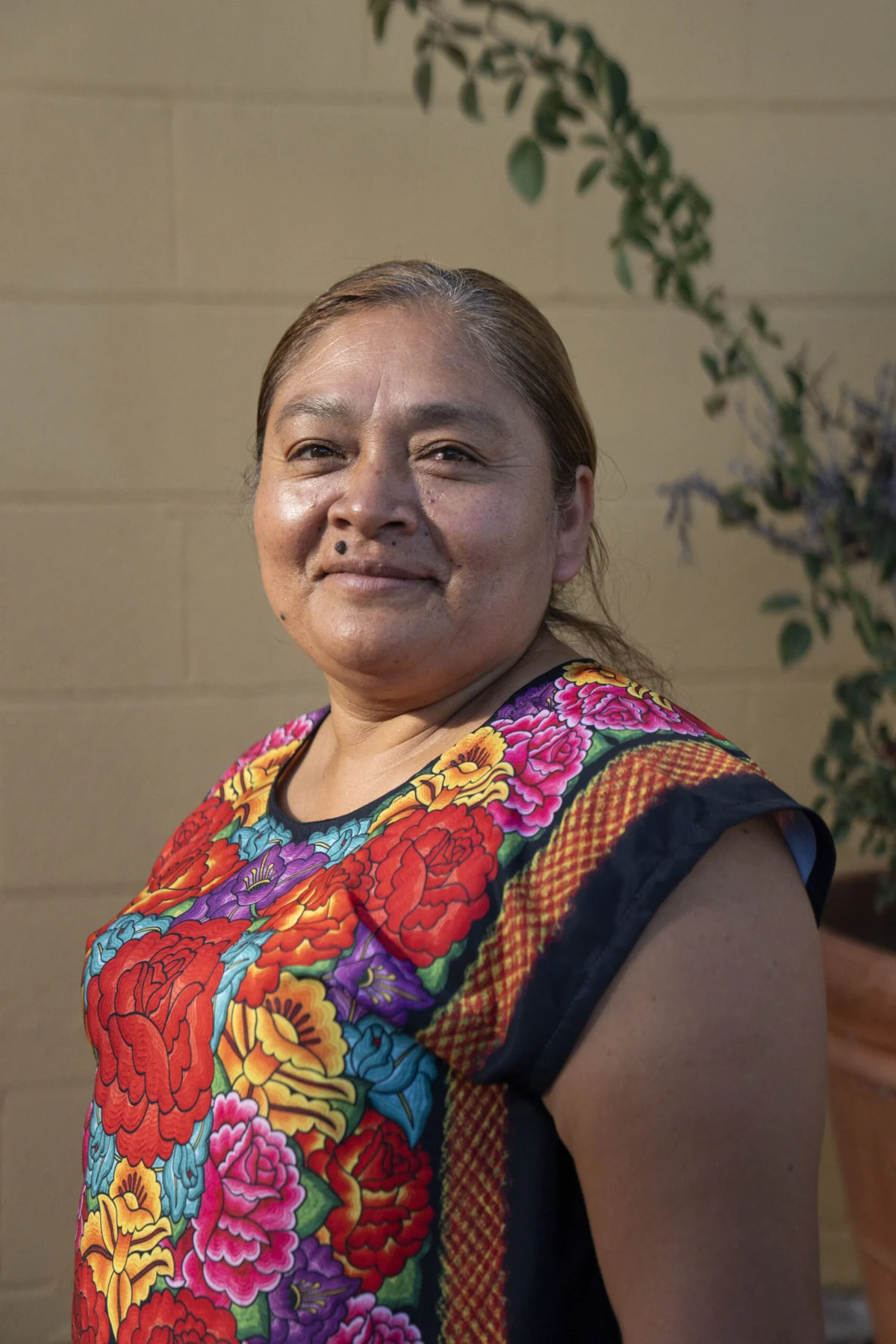
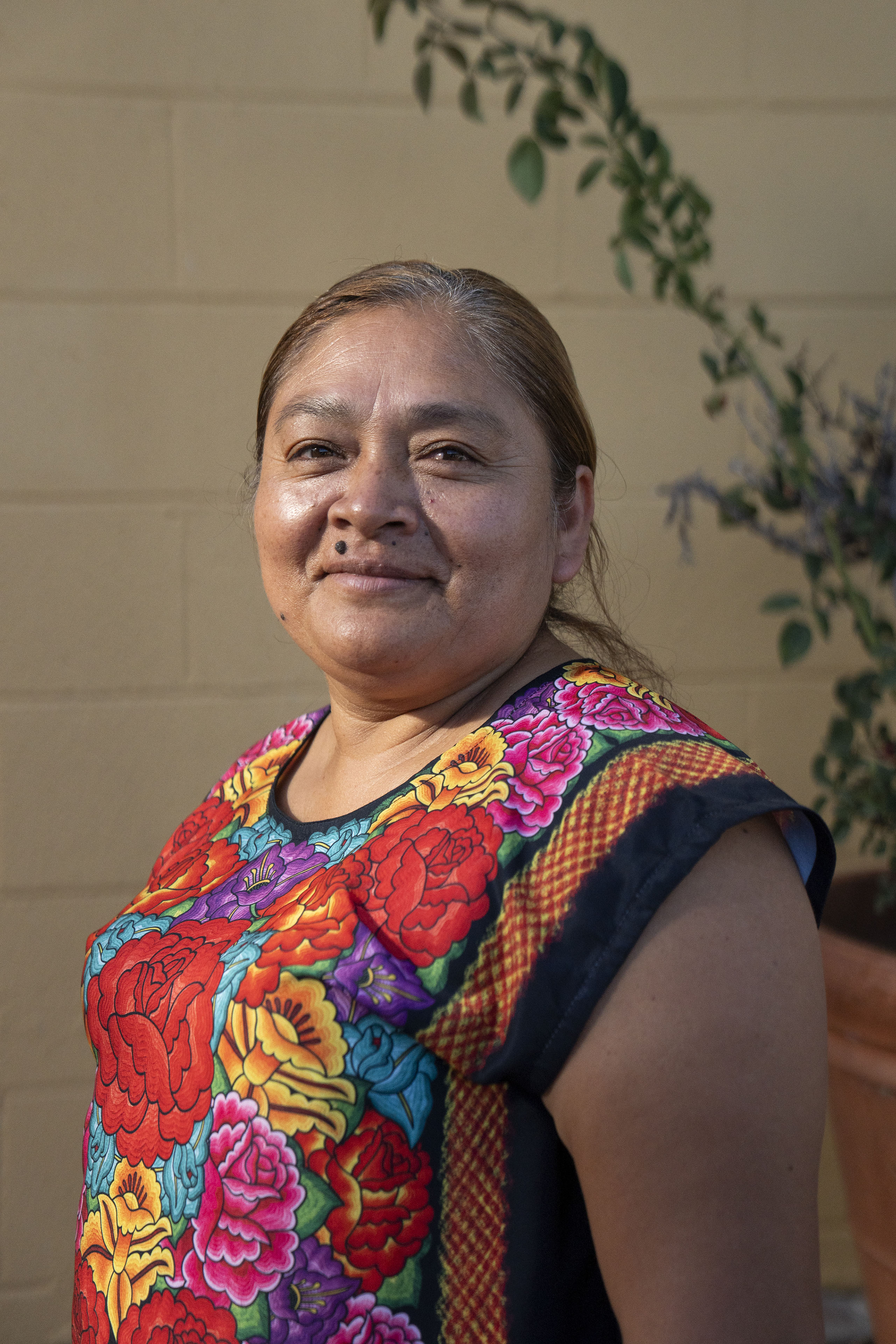
The doorway of a neighbor’s apartment in Oxnard, California, provided the frame for a quiet tragedy on a crisp December morning. A six-year-old girl stared up at Norma Gómez, a project manager for the Mixteco Indigena Community Organizing Project, her dark eyes flickering with an agonizing glimmer of hope.
“Are you the person who’s going to bring my mom back?” the child asked.
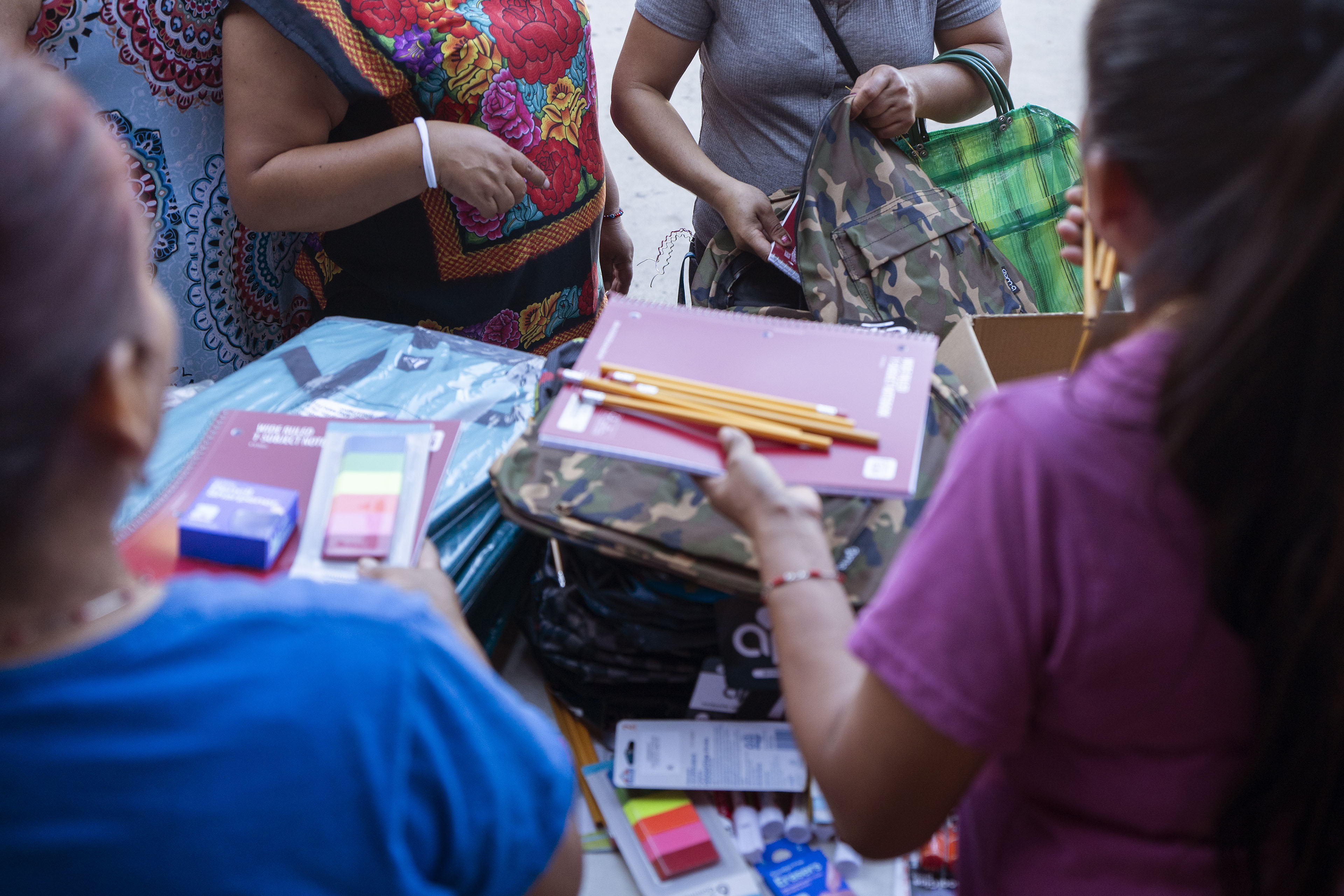
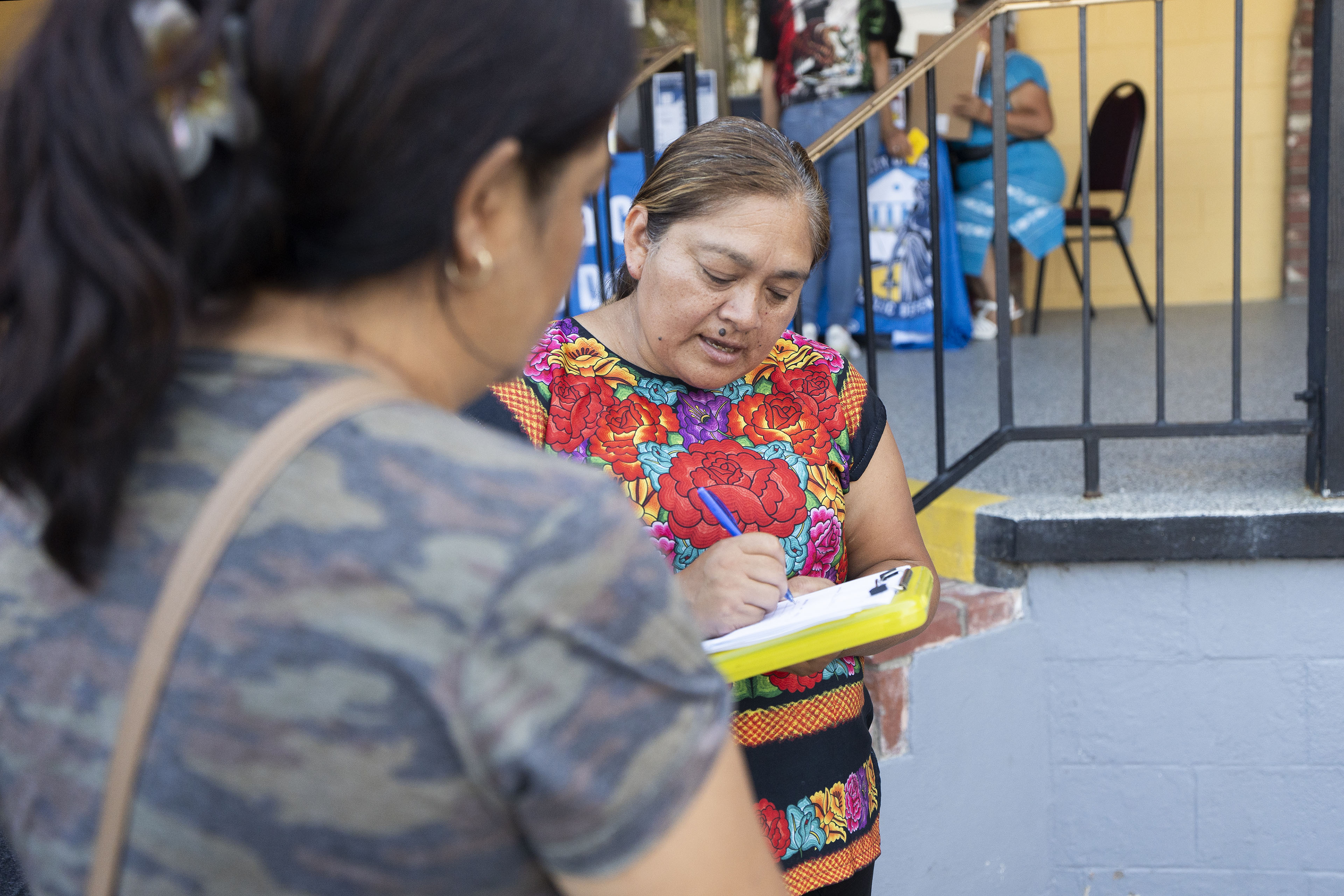
Gómez, who had arrived bearing boxes of food, diapers, baby wipes, and spare clothes, stood frozen. She had come to assist the girl, her infant brother, and the neighbor who had suddenly taken them in after federal immigration agents arrested both of their parents outside their home in this coastal, predominantly Latino agricultural community. But Gómez possessed no bureaucratic authority to reverse a federal deportation.
“We’re working on that,” Gómez recalled telling the child, offering a fragile comfort while privately struggling to find a way to speak truthfully without shattering the young girl’s heart completely.
This scene has played out in varying iterations across the United States since President Donald Trump returned to the White House, initiating a sweeping, high-stakes immigration enforcement campaign. While national debates frequently center on border security, economic metrics, and legal statutes, a secondary crisis is quietly unfolding in communities nationwide. The aggressive escalation of Immigration and Customs Enforcement (ICE) operations, workplace raids, and the rolling back of protective federal policies have left an indelible, deeply damaging mark on an entire generation of children—the vast majority of whom are American citizens.
The Scope of the Crisis: Scale and Statistics
According to demographic data from the Pew Research Center, the unauthorized immigrant population in the United States reached a record 14 million in 2023. Within these households, roughly 1 in 4 U.S.-born children live with at least one foreign-born parent. This includes approximately 4.6 million children whose parents lack legal status, making them vulnerable witnesses to or direct victims of shifting federal enforcement priorities.
Data compiled through April reveals that an estimated 205,000 children experienced the detention of at least one parent by immigration authorities, a figure that has steadily climbed as the administration’s mass deportation strategy accelerates. Furthermore, analyses by nonprofit newsrooms like The Marshall Project indicate that over 6,200 children have been directly caught in juvenile and family detention architectures, while countless others are left scrambling to survive when primary breadwinners vanish overnight.
The administrative and legislative mechanisms driving these numbers are broad. On his first day back in office, President Trump issued an executive order aimed at challenging birthright citizenship for children born to parents without legal status or on temporary visas—an initiative that ultimately faced a roadblock in the Supreme Court. Concurrently, the administration has moved to rescind Temporary Protected Status (TPS) for over 1 million immigrants, tens of thousands of whom have American-born children, and has systematically stalled renewals for the Deferred Action for Childhood Arrivals (DACA) program, which shields parents of roughly 300,000 U.S. citizen children.
Coupled with a Republican-led tax and spending package that curbs immigrant eligibility for safety-net programs, and newly enforced "public charge" rules that penalize legal residents for utilizing public health benefits, the policy architecture has triggered widespread fear. Fearing immediate detection and separation, families are increasingly withdrawing from public life—avoiding schools, skipping doctor appointments, and forgoing basic nutritional assistance.
Chronology of Policy Shifts and Enforcement Escalation
The modern framework of mass immigration enforcement is built upon a foundation of executive actions and legislative maneuvers that have systematically dismantled avenues of legal relief for long-standing residents over the past several years:
- January 2025: President Trump assumes office and immediately signs executive orders prioritizing mass deportations, targeting sanctuary cities, and attempting to restrict birthright citizenship.
- February 2025: Grassroots reports emerge of escalating community-wide panic, culminating in severe mental health crises among youth, including tragic suicides attributed to anti-immigrant bullying and deportation fears.
- Summer 2025: Congress enacts a sweeping tax-and-spending reconciliation bill that explicitly restricts immigrant access to federal healthcare, food assistance, and child tax credits.
- Late 2025 to Early 2026: Federal funding for ICE and Customs and Border Protection surges to historic highs, accelerating workplace raids across agricultural and industrial hubs in states like California, Georgia, and North Carolina.
- July 2026: The Department of Homeland Security implements broadened "public charge" guidelines, granting immigration officials wide discretionary power to deny green cards to lawfully present immigrants if their families utilize public support systems.
Official Rationales and Government Perspective
The White House and its legislative allies maintain that aggressive enforcement is a vital national security imperative necessary to restore economic stability and the rule of law. Proponents of the administration’s policies argue that mass deportations directly benefit American citizens by relieving pressure on public infrastructure, lowering housing costs, opening up employment opportunities, and removing criminal elements from local communities.
In defense of the administration’s posture, White House officials have consistently rejected criticisms regarding the well-being of affected children, instead redirecting accountability toward prior administrations. Lauren Bis, a White House spokesperson, emphasized in an email statement that the primary humanitarian crisis stems from previous border management strategies.
"The real story is the psychiatric impact on the tens of thousands of children who were smuggled across the border—many by human and sex traffickers," Bis wrote, pointing to past vulnerabilities in border enforcement as the root cause of systemic youth trauma.
Furthermore, architecture behind the administration’s immigration strategy, including key policy advisors like Stephen Miller, has publicly argued that the children of unauthorized immigrants frequently perpetuate socioeconomic strains within the country. Writing on social media, Miller characterized mass migration as an importation of foreign societal failures, asserting that unchecked migration reproduces the institutional instability of home countries within American borders.
These viewpoints are sharply contested by mainstream economists and sociologists. Decades of demographic research—including studies highlighted by the Social Security Administration and the Cato Institute—demonstrate that immigrants utilize welfare services at significantly lower rates than native-born Americans, assimilate rapidly, and contribute robustly to the national tax base over time.
Psychological Toll and Institutional Fallout
The human toll of these policies manifests most clearly in the medical offices and classrooms of communities grappling with active enforcement. Pediatricians and mental health professionals report a sharp spike in anxiety, clinical depression, and trauma symptoms among children in immigrant households.
Dr. Kimberly McNally, a pediatrician at the Venice Family Clinic’s Inglewood South La Brea Health Center, notes that she routinely refers children of varying ages for urgent mental health interventions driven by a singular, pervasive phobia: the fear that their parents will not return home from work or school.
At early childhood education centers, educators like Liza Davis, advocacy director for Children in Immigrant Families at The Children’s Partnership, report distressing behavioral shifts. Young children have increasingly begun bringing extra backpacks to daycare—prepared for the possibility that their parents will be detained before pickup time.
The chronic stress associated with family separation and the constant threat of deportation is not merely emotional; it carries profound physiological consequences. Federal health researchers noted in a 2024 study that childhood trauma linked to family instability accounts for hundreds of billions of dollars in annual healthcare expenditures, fueling long-term health complications such as cardiovascular disease, learning difficulties, and chronic anxiety disorders.
In extreme cases, this psychological distress has proved fatal. In June, a 19-year-old named Eliel José died by suicide in the Atlanta area following the abrupt deportation of his father, according to local reports. Community leaders and youth advocates point to the compounding pressures of lost household income, vanished health insurance coverage, and social isolation as catalysts for these tragedies.
"I’m concerned about the families that are going to be burying their child," said Rosie Harrison, executive director of Grow Initiative GA, a community organization serving low-income families. "I’m concerned that we are going to miss out on having an amazing person do amazing things for our community, for our country, because they took their life."
Community Resilience and the Search for Alternatives
Despite the climate of fear, local communities, mutual aid networks, and grassroots advocacy groups have mobilized to provide a safety net for affected children. In agricultural regions across California, volunteers organize food distributions, accompany children to school, and help parents draft emergency care plans designating legal guardians in the event of sudden detention.
Legal and child welfare experts argue that sustainable solutions require a fundamental shift away from punitive mass enforcement toward humane, case-managed immigration models. Advocates frequently point to historical precedents such as the Family Case Management Program (FCMP), launched in 2016 under the Obama administration. The pilot program allowed asylum-seeking families to remain integrated within communities while awaiting legal proceedings, utilizing professional case managers to ensure compliance with immigration obligations. Evaluated as both cost-effective and successful in maintaining high court-appearance rates, the program was ultimately discontinued by the first Trump administration.
Without structural policy shifts, front-line community workers like Mabel Alavez, a case manager at the Venice Family Clinic in Los Angeles, fear that the psychological damage inflicted on this generation of children will cast a long shadow over American society. Growing up in an immigrant family herself, Alavez understands the ordinary hurdles of navigating a bicultural identity—challenges she believes are now compounded to an unsustainable degree.
"It’s hard for me to imagine how they could possibly do that in addition to what’s going on now," Alavez said. "I do feel like there will be a big impact on them. What that might look like, I’m not exactly sure."

