
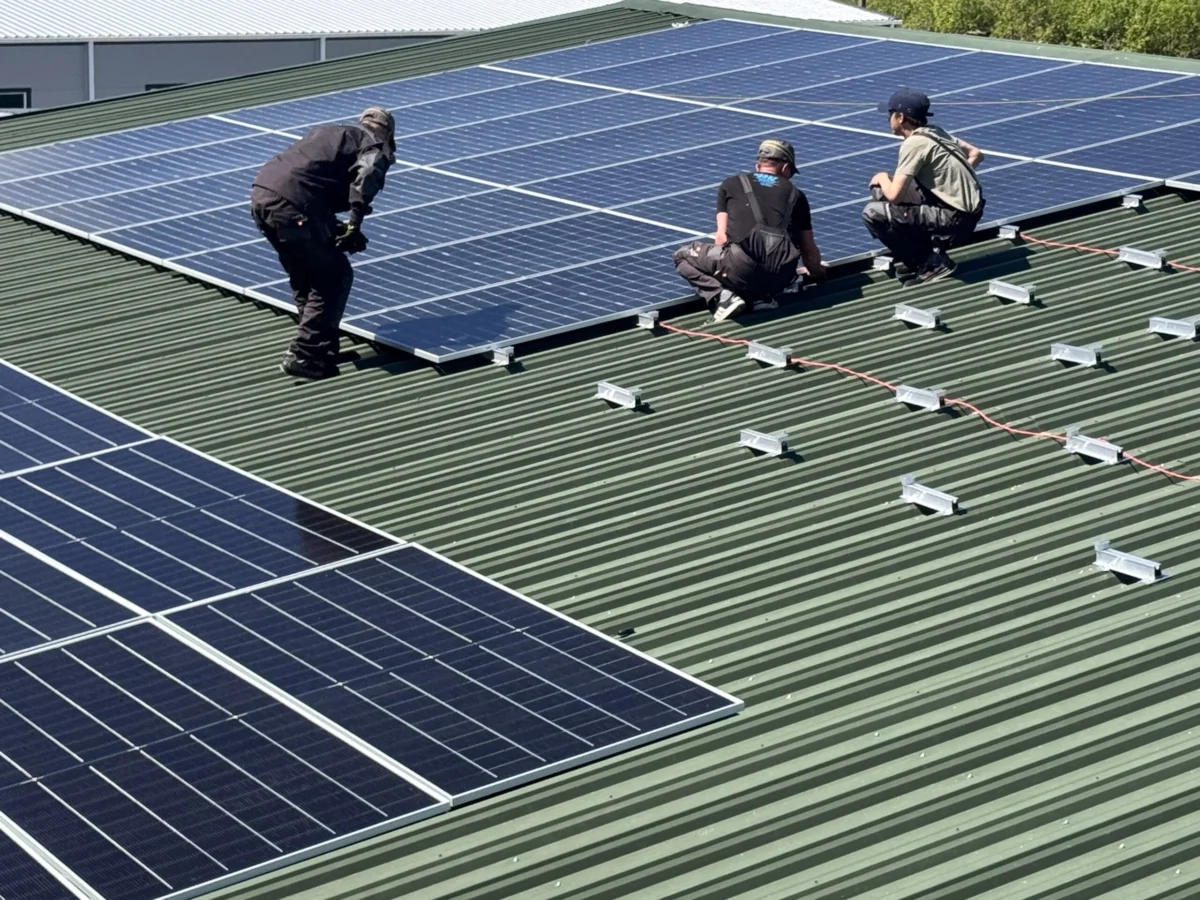
On a crisp spring morning in 2026, ten technicians stood atop a manufacturing facility in Bila Tserkva, a central Ukrainian industrial hub. Beneath their feet, they were installing rows of high-efficiency solar panels—a project that represents far more than just a transition to green energy. For the facility’s owner, who identified himself only as Yaroslav, this rooftop array is a desperate, strategic response to the systemic destruction of Ukraine’s power infrastructure. Since the full-scale Russian invasion in 2022, the nation’s electrical grid has become a primary target in a war of attrition, leaving factories like his to face the impossible choice of shutting down or running prohibitively expensive backup generators.
A Nation in the Dark: The Strategic Targeting of Infrastructure
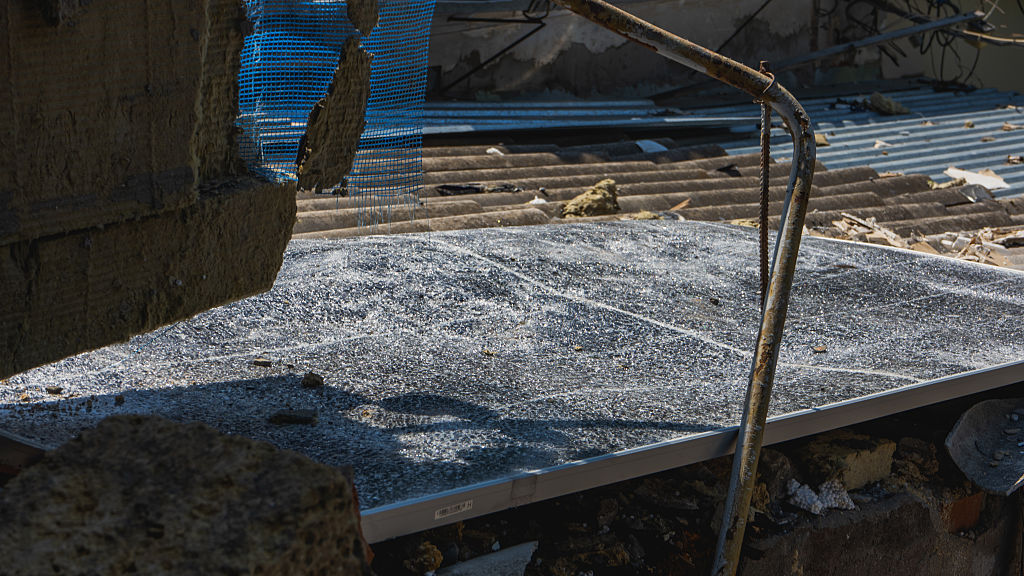
The Russian military strategy has consistently targeted the nodes of Ukraine’s energy sector, aiming to demoralize the population and cripple the economy by plunging cities into darkness. Before the 2022 invasion, Ukraine operated a highly centralized power model, characterized by four massive nuclear power plants that generated over 50 percent of the nation’s electricity, supplemented by coal and natural gas. This architecture, while efficient during peacetime, proved to be a liability during war. Large, static power stations and the high-voltage substations that distribute their output are vulnerable to precision missile strikes and drone swarms.
The consequences have been devastating. By the winter of 2025-2026, the cumulative impact of these strikes had forced the Ukrainian government to implement rolling blackouts, sometimes lasting for several hours at a time. In January 2026, Kyiv found itself with only half the electricity required to sustain its population, prompting President Volodymyr Zelenskyy to declare a state of emergency. For businesses, the loss of power meant frozen production lines and the need to burn waste wood in makeshift fireplaces just to keep warehouses from reaching freezing temperatures.
The Pivot to Decentralized Energy
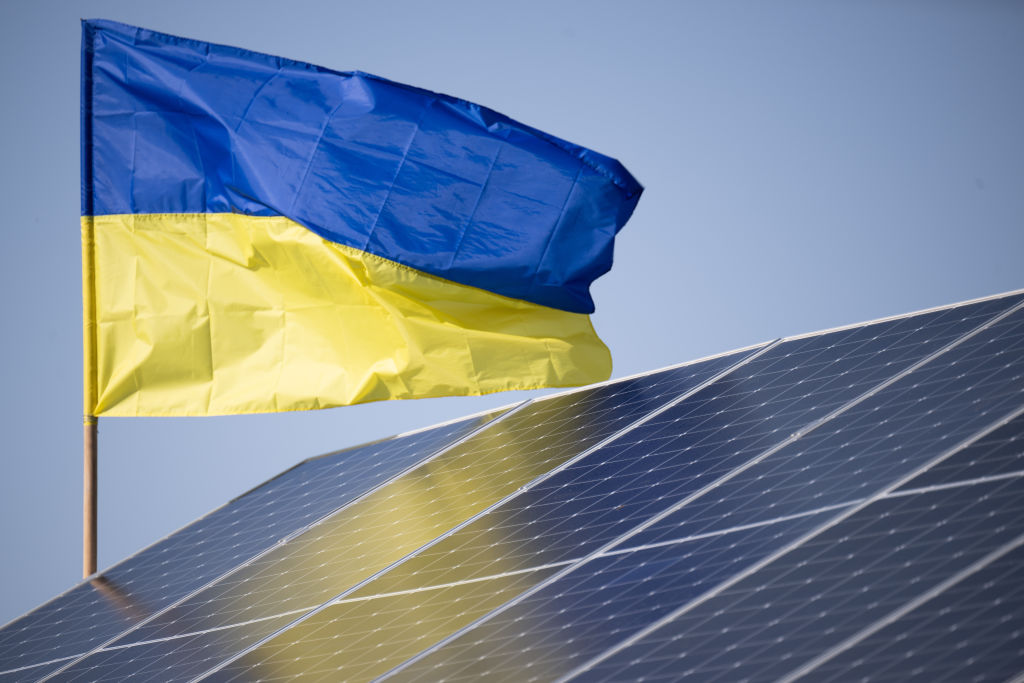
In response to these existential threats, the Ukrainian government and private sector have aggressively pivoted toward "distributed generation." Unlike massive, centralized plants, distributed energy sources—such as rooftop solar arrays, localized battery storage, and microgrids—are inherently more resilient. If one facility is struck, the rest of the network remains operational.
This shift is being facilitated by state-backed financial incentives, most notably the "Affordable Loans 5-7-9" program. By offering preferential interest rates—ranging from 5 to 9 percent—and covering up to 80 percent of installation costs, the government has successfully lowered the barrier to entry for small- and medium-sized enterprises. Companies like Yasno, a leading private electricity and gas supplier, have become central to this movement. Having paused operations during the initial shock of the invasion, Yasno resumed its installation work in the summer of 2024, completing 117 sites with a combined capacity of 23 megawatts in just two years.
Chronology of an Energy Crisis
- February 2022: Full-scale Russian invasion begins; immediate attacks on energy infrastructure commence.
- 2022-2023: Initial reliance on traditional backup generators leads to high operational costs and fuel scarcity for businesses.
- 2024: Ukraine initiates a concerted shift toward distributed energy, utilizing the 5-7-9 loan framework.
- Winter 2025-2026: Severe electricity deficits lead to a national state of emergency; solar adoption accelerates as a survival necessity.
- 2026: The Solar Energy Association of Ukraine reports 1.5 GW of new capacity installed in 2025, with expectations to match or exceed this in 2026.
Economic and Security Implications
The economic rationale for this shift is multifaceted. For owners like Yaroslav, solar is not merely an "ecological" choice; it is a hedge against the volatility of the grid. By generating power on-site, businesses reduce their dependency on a fractured transmission network, lower their overhead costs, and ensure a modicum of operational continuity during active air raids.
However, the transition is fraught with technical and security hurdles. Roughly 30 percent of the nation’s pre-war solar capacity was located in the south, a region that has faced the brunt of Russian occupation and destruction. The loss of these assets, alongside the indefinite shutdown of the Zaporizhzhia nuclear power plant, has fundamentally altered the nation’s energy mix.
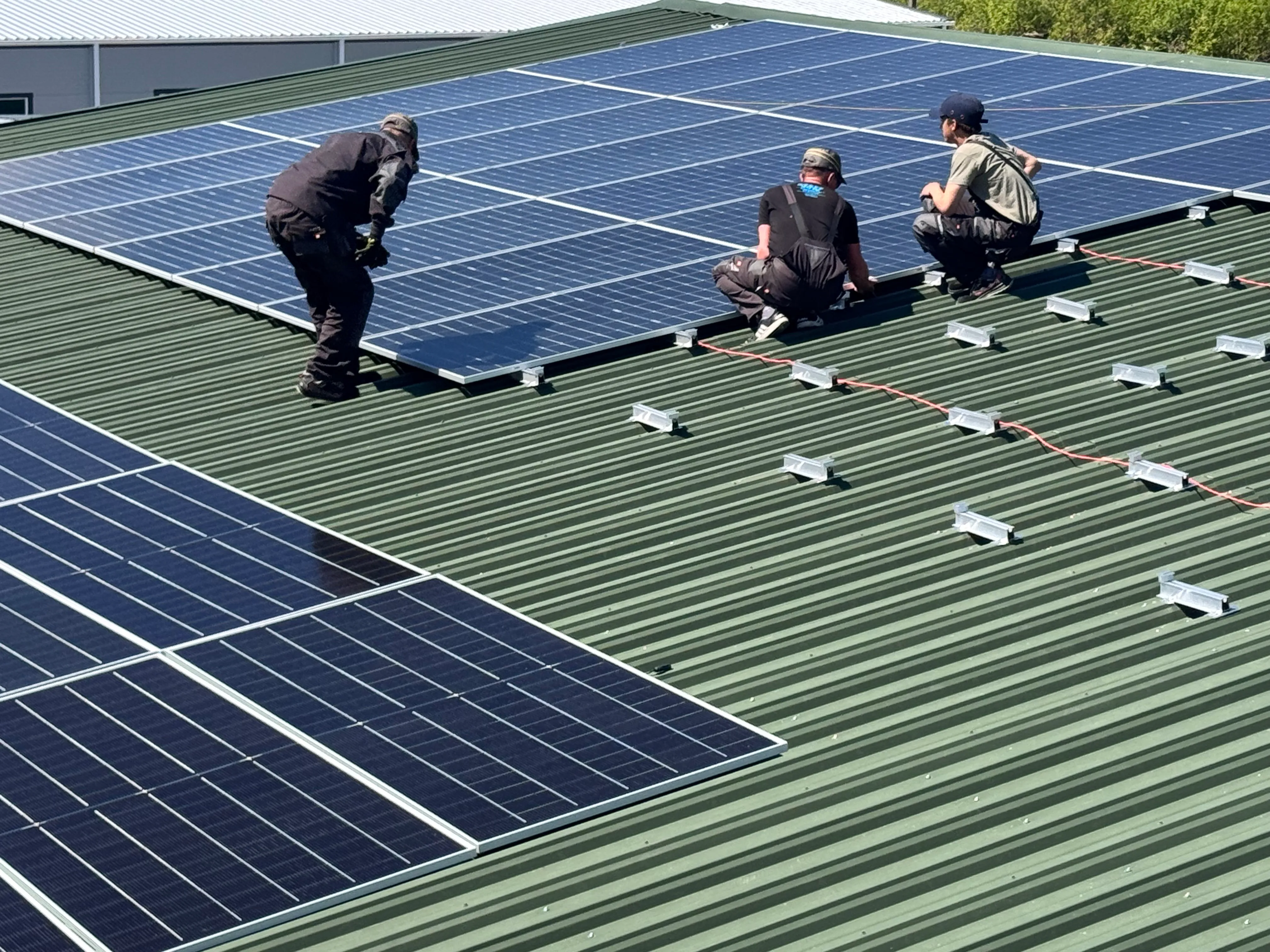
"The enemy is trying to destroy energy infrastructure, and we are building what is very easy to restore," says Volodymyr Hershtun, a maintenance manager at Yasno. His observation captures the ethos of the current reconstruction effort: modularity is the new security. The ability to quickly replace or repair small, localized solar units provides a level of operational agility that the Soviet-era centralized grid could never offer.
The Human Dimension: Power as a Fundamental Right
The crisis extends far beyond the factory floor. For residential sectors, the installation of solar power has become a matter of public safety. In Kyiv, a residential building recently opted to install rooftop panels to ensure that building boilers remain operational during blackouts, preventing pipes from freezing and maintaining elevator access for elderly residents.
For those living in frontline communities, the situation is even more precarious. In villages where power lines are frequently downed by artillery and maintenance crews cannot safely access the sites, electricity has become an intermittent commodity. Here, NGOs like Kosmo Tabir have stepped in to bridge the gap. By installing small-scale solar and battery systems, they are ensuring that residents can maintain communications, contact emergency services, and even access education.
"In Ukraine, solar panels are a basic human right," says Denny Ugorchuk, founder of Kosmo Tabir. "People should have access to communicate with one another—you can call a doctor, the police, and it helps you feel safe."
Analytical Outlook: A New Energy Paradigm
The rapid expansion of renewable capacity—nearly doubling between 2024 and 2025—suggests that Ukraine is undergoing a permanent transformation. The European-Ukrainian Energy Agency, led by Anastasia Vereshchynska, points out that renewables have transitioned from a peripheral environmental goal to a central pillar of national security.
The long-term implications for the European energy market are significant. By integrating small-scale, decentralized solar into its grid, Ukraine is effectively modernizing its energy sector at a speed rarely seen in peacetime. This "wartime modernization" may eventually allow Ukraine to integrate more seamlessly into the European Union’s energy market, potentially shifting from an importer of energy to a significant regional producer.
Despite the promise, the path forward remains dependent on international cooperation and continued funding. The reliance on western aid to supplement local investment underscores the fragility of the recovery. As Russia continues to strike at the heart of Ukrainian infrastructure, the resilience of these solar microgrids will be tested repeatedly. Yet, the consensus among industry experts and local business owners is clear: the era of reliance on massive, vulnerable, centralized power plants is coming to an end. In the face of overwhelming force, the Ukrainian people are choosing a decentralized, modular, and renewable future—a strategy that serves both as a tactical defense today and a blueprint for a more resilient nation tomorrow.

