
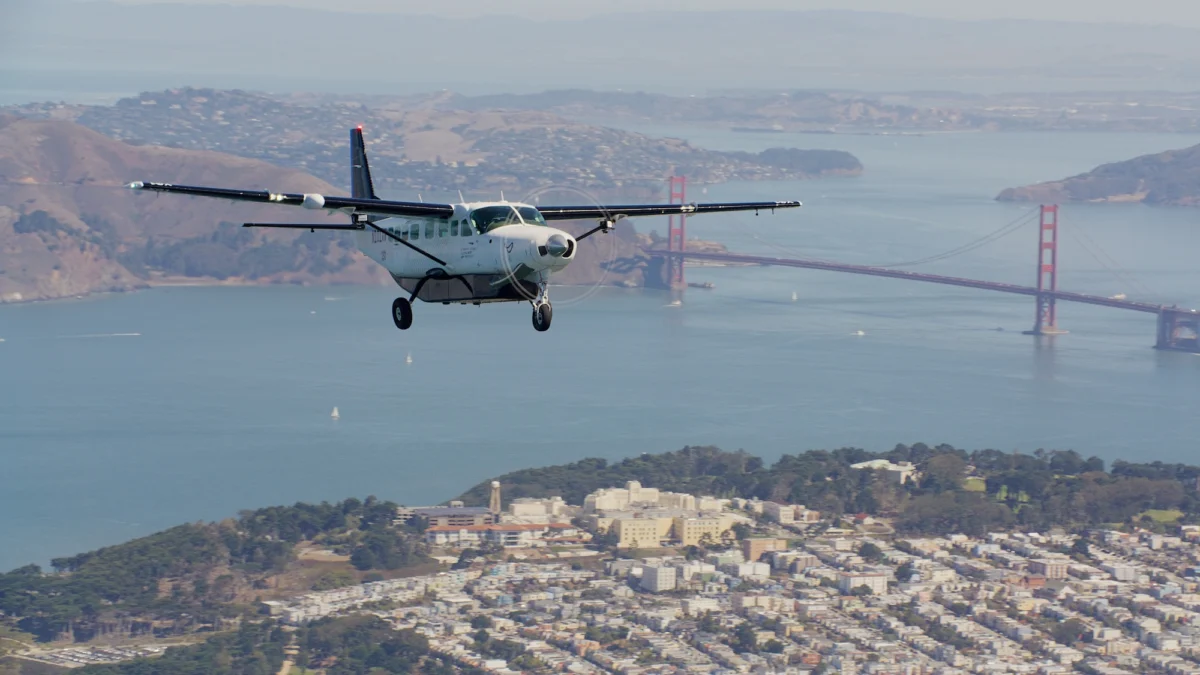
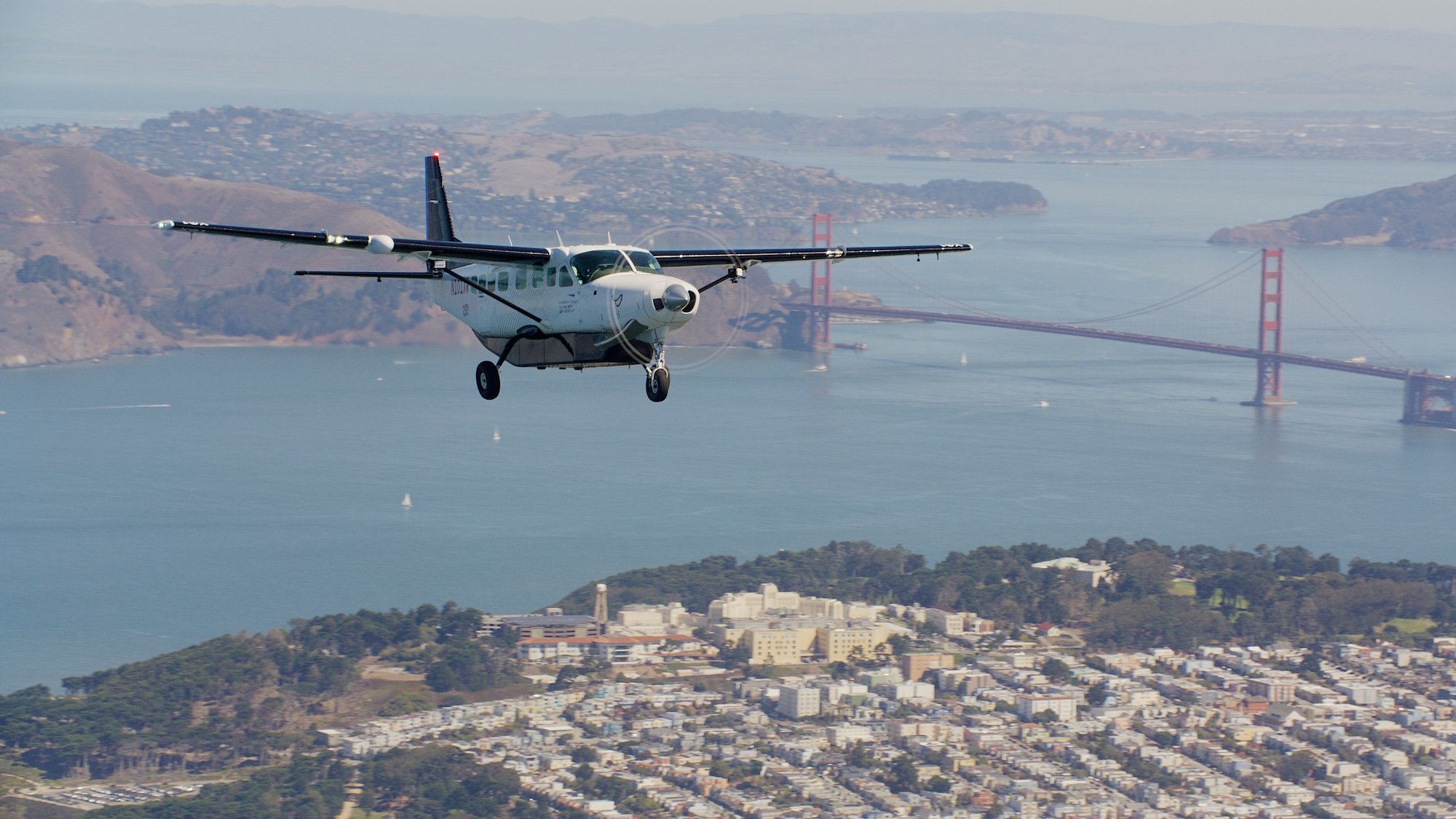
A modified Cessna Caravan has officially etched its name into aviation history by completing the first fully autonomous cross-continental flight across the United States. This monumental journey, orchestrated by aeronautics pioneer Joby Aviation, serves as a proof-of-concept for the integration of artificial intelligence and advanced sensor suites into commercial and logistics aviation. The experimental aircraft successfully traversed 3,199 miles, managing every phase of flight—including taxiing, complex takeoffs, mid-air navigation, and precise landings—without direct human intervention from the safety pilot onboard.
The flight, which began on September 7, 2026, in Concord, California, represents a significant leap forward from traditional autopilot systems. While modern commercial airliners utilize automated flight management systems, these are generally limited to specific flight regimes, such as en-route cruise or precision instrument landings, and remain under the constant supervision of human flight crews. The Joby-led mission utilized a sophisticated, end-to-end autonomous architecture that adapted to real-time environmental variables, signaling a potential shift in how the aerospace industry approaches pilot-in-the-loop operations.
A Chronology of the Journey
The mission was structured to test the robustness of the autonomous system across diverse topographical and meteorological conditions. Departing from the San Francisco Bay Area, the aircraft navigated a series of waypoints that took it across the American West, the Great Plains, and the Southern United States.
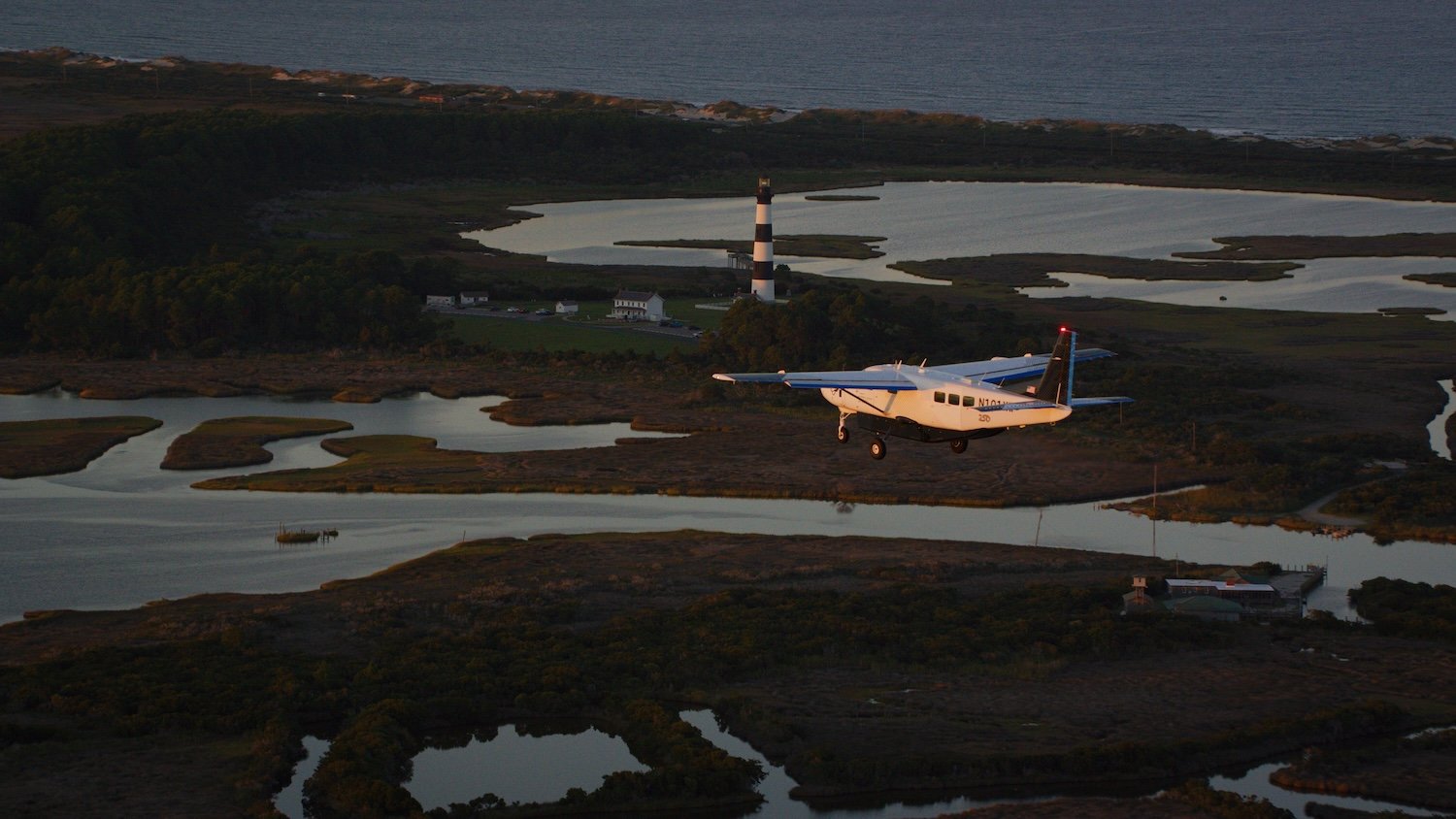
On September 14, the Cessna concluded its primary cross-continental transit. However, the mission’s scope extended beyond mere distance. In a nod to the history of flight, the aircraft conducted a symbolic low-pass maneuver near the First Flight Monument in Kitty Hawk, North Carolina. This site, the birthplace of the Wright brothers’ first powered, sustained flight in 1903, provided a stark visual contrast between the rudimentary control of early aviation and the sophisticated digital intelligence guiding the modern Cessna.
Following the success of the eastward leg, the aircraft is currently undergoing preparations for its return journey to California. This return trip is designed to further stress-test the system by routing through a different set of air traffic corridors, with scheduled stops in Washington, D.C., Kentucky, Kansas, Oklahoma, Utah, and Oregon. By the time the aircraft returns to its point of origin, it will have demonstrated the capability to operate autonomously across virtually every major climate zone and airspace configuration found within the continental United States.
Technical Challenges and Real-Time Navigation
One of the most significant hurdles for autonomous flight is the unpredictability of the National Airspace System (NAS). The Joby mission was not conducted in a vacuum; the aircraft was required to adhere to standard air traffic control protocols while navigating high-density traffic corridors.
During its transit above Phoenix, Arizona, the aircraft encountered the complex, multi-layered airspace typical of a major metropolitan hub. The autonomous system was tasked with maintaining proper separation, executing speed adjustments, and responding to tower instructions in real-time. Furthermore, the flight encountered several severe weather fronts during the journey. Rather than relying on a pre-programmed flight path, the aircraft utilized onboard weather radar and cloud-based data feeds to recalculate its trajectory, successfully maneuvering around thunderstorms and maintaining safety margins without requiring manual adjustments from the safety pilot.
The onboard human safety pilot, while present to satisfy current Federal Aviation Administration (FAA) experimental aircraft regulations, acted solely as a passive observer. Throughout the 3,199-mile flight, the system did not encounter a scenario that necessitated human intervention, providing empirical evidence for the reliability of the software and hardware integration.
Perspectives from Leadership
Following the conclusion of the primary mission on September 18, JoeBen Bevirt, the founder and CEO of Joby Aviation, emphasized the broader societal benefits of this technological advancement. "Autonomy has an important role to play in the future of flight," Bevirt stated. He highlighted that the maturation of this technology is not merely an engineering achievement but a logistical imperative.
Industry analysts suggest that the implications of such autonomy are vast. By removing the requirement for an active pilot, operators can reduce the operational costs associated with short-haul cargo delivery, remote area medical transport, and disaster response. Bevirt noted that the technology is specifically geared toward "connecting remote communities, delivering critical supplies, responding faster to disasters, supporting military operations, and keeping pilots out of harm’s way." By automating the more repetitive or high-risk aspects of flight, Joby aims to increase the accessibility of aviation in regions that are currently underserved by traditional commercial carriers.
The Evolution of Autonomous Systems
While Joby’s recent achievement is historic, it exists within a continuum of aviation research. Autonomous technology has been an area of intense investment for both private companies and national defense agencies for over a decade. In 2010, the Piasecki Aircraft Corporation and Carnegie Mellon University achieved a major milestone with the first fully autonomous flight of an unmanned helicopter.
However, the leap from a specialized helicopter prototype to a fixed-wing Cessna Caravan capable of traversing the entire United States is significant. The Cessna Caravan is a workhorse of the aviation industry, frequently used for passenger transport and light cargo. Retrofitting such a platform requires a deep integration of flight control computers, advanced GPS navigation, and machine learning algorithms capable of interpreting visual and sensor-based data in a way that mimics human pilot decision-making.
Broader Implications and Future Outlook
The success of this cross-continental mission raises critical questions regarding the regulatory landscape. Currently, the FAA maintains strict oversight on autonomous operations, requiring experimental certifications and robust safety cases for every flight. The Joby mission serves as a critical data point for regulators as they work to establish a framework for the future of "pilot-optional" or fully autonomous commercial flight.
Economically, the impact could be transformative. The ability to utilize smaller aircraft for autonomous freight could reduce the reliance on trucking for time-sensitive deliveries, effectively creating a "middle-mile" logistics network in the sky. Furthermore, in the event of natural disasters, autonomous aircraft could be deployed to deliver medical supplies and food to regions where traditional runways might be damaged or where the risk to human pilots is deemed too high.
From a safety perspective, proponents argue that autonomous systems—which do not suffer from fatigue, distraction, or human error—could eventually lower the accident rate in general aviation. However, this transition will require significant public trust and the development of rigorous cybersecurity measures to protect the aircraft from external interference.
As Joby Aviation prepares for the next phase of its testing, the aerospace community will be watching closely. The return flight will provide additional data on long-term system performance and maintenance cycles, further refining the software architecture. Whether this flight marks the beginning of the end for the traditional cockpit role or the start of a collaborative future where humans and machines share the burden of flight, one thing is clear: the paradigm of how we move through the skies has been permanently altered. The journey from California to the East Coast and back is not just a test of a single plane, but a demonstration of an entire industry’s trajectory toward a more automated, efficient, and accessible future.

