
President Donald Trump has announced a significant shift in federal policy toward emerging technology, declaring the creation of a dedicated “AI Force” and the impending appointment of a specialized artificial intelligence czar to oversee the nation’s strategic posture. This directive signals a formal rejection of the “pause” movement advocated by various Silicon Valley leaders and aligns the administration with a strategy of aggressive, deregulation-focused development. By framing AI as a critical component of national security and economic vitality, the White House is positioning the United States to prioritize rapid innovation over the precautionary regulatory frameworks that have recently gained traction in legislative circles.
The President’s announcement, disseminated via a series of posts on Truth Social, suggests that the administrative apparatus will be modeled after the creation of the United States Space Force during his first term. While the administration has yet to release a granular blueprint regarding the scope, funding, or specific authority of the proposed AI Force, the intent is clear: the federal government seeks to champion the industry rather than stifle it through bureaucratic oversight.
The Shift Toward Pro-Development Policy
For months, the intersection of technology and national policy has been defined by a tension between the “doomsday” warnings issued by leading AI firms and the competitive anxieties of federal lawmakers. Executives from companies such as Anthropic and OpenAI have frequently testified before Congress, urging lawmakers to implement robust federal guardrails to prevent potential catastrophic outcomes associated with highly capable artificial intelligence models.
However, the administration’s new stance suggests that these concerns are viewed as either premature or secondary to the geopolitical necessity of maintaining an edge over international competitors. President Trump explicitly framed the development of AI as a zero-sum game, emphasizing the rivalry with China. According to the President, any attempt to limit the growth of American AI companies would inadvertently hand a strategic advantage to foreign rivals who are not similarly burdened by domestic restrictions.
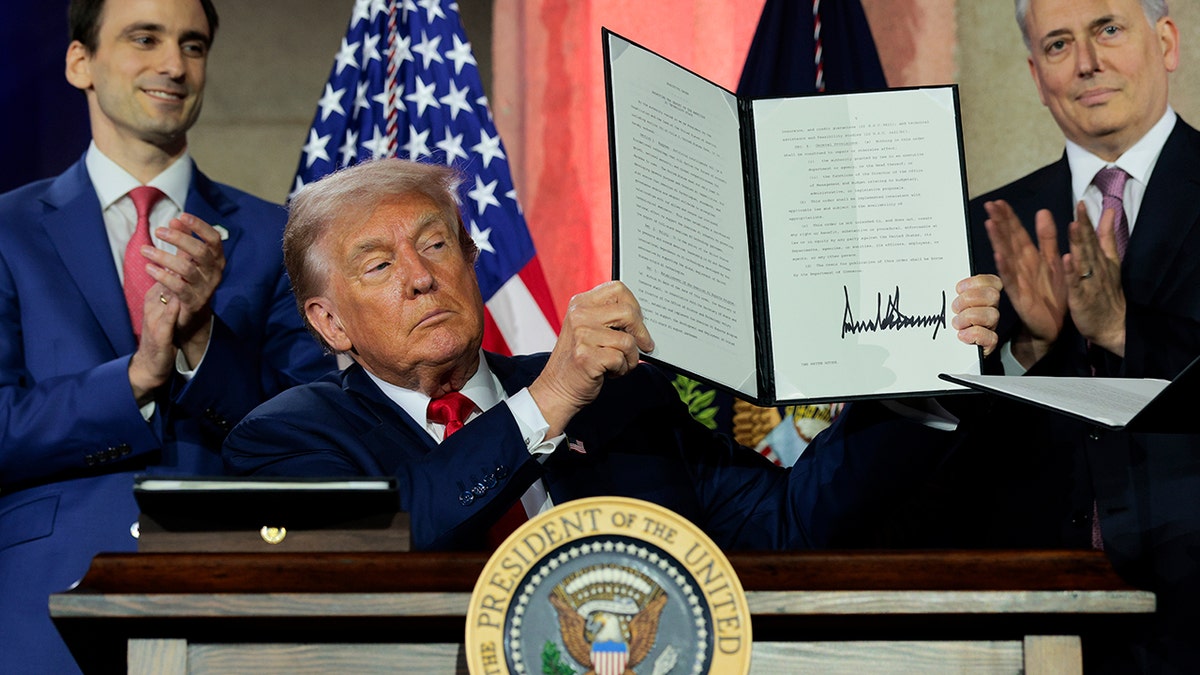
The President’s directive emphasizes that the administration intends to "cherish, help, and watch over" the industry. Rather than creating new regulatory bodies that could complicate the development cycle, the administration intends to leverage existing civil and criminal justice systems to handle instances of technological malfeasance. This approach shifts the burden of accountability from preventative compliance to reactive enforcement.
Historical Context and the Competitive Landscape
The debate over AI regulation has accelerated significantly since the release of generative AI models in 2022 and 2023. As these technologies demonstrated an unprecedented ability to automate tasks previously thought to be the exclusive domain of human intelligence, both Democratic and Republican lawmakers began drafting legislative proposals.
The chronology of this shift is notable:
- Early 2023: Initial calls for an “AI pause” emerge from industry leaders, citing concerns over safety and alignment.
- Late 2024: Congress begins conducting a series of “AI Insights Forums,” inviting tech CEOs to explain the potential existential risks of their software.
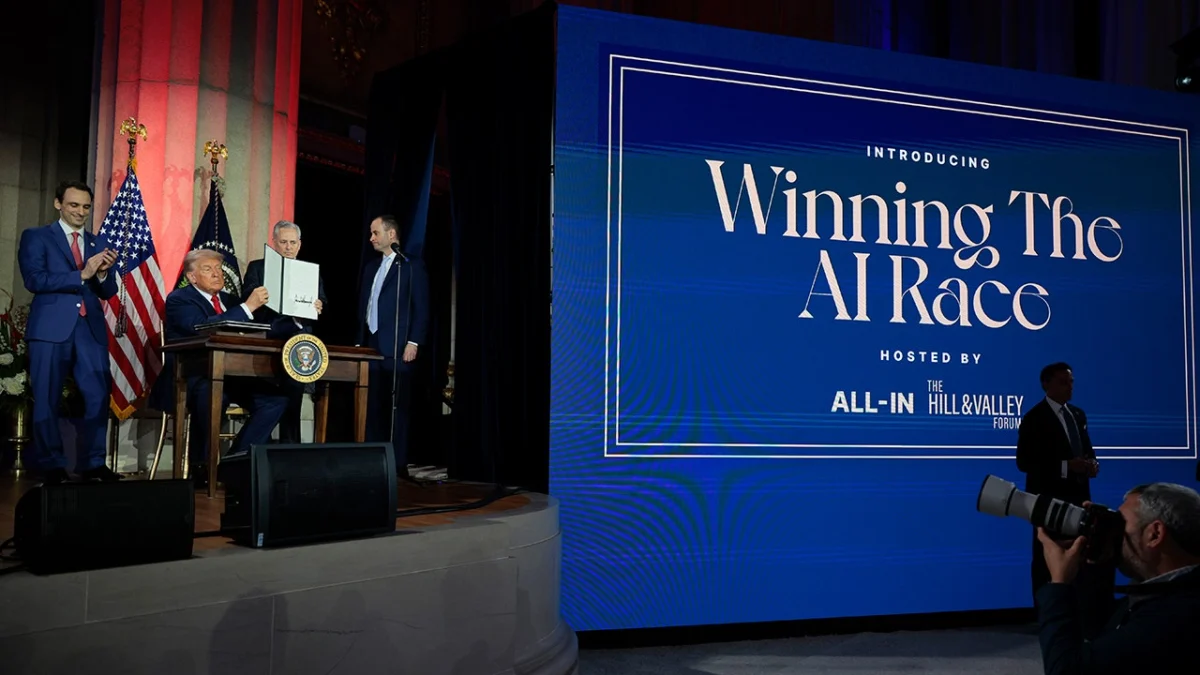
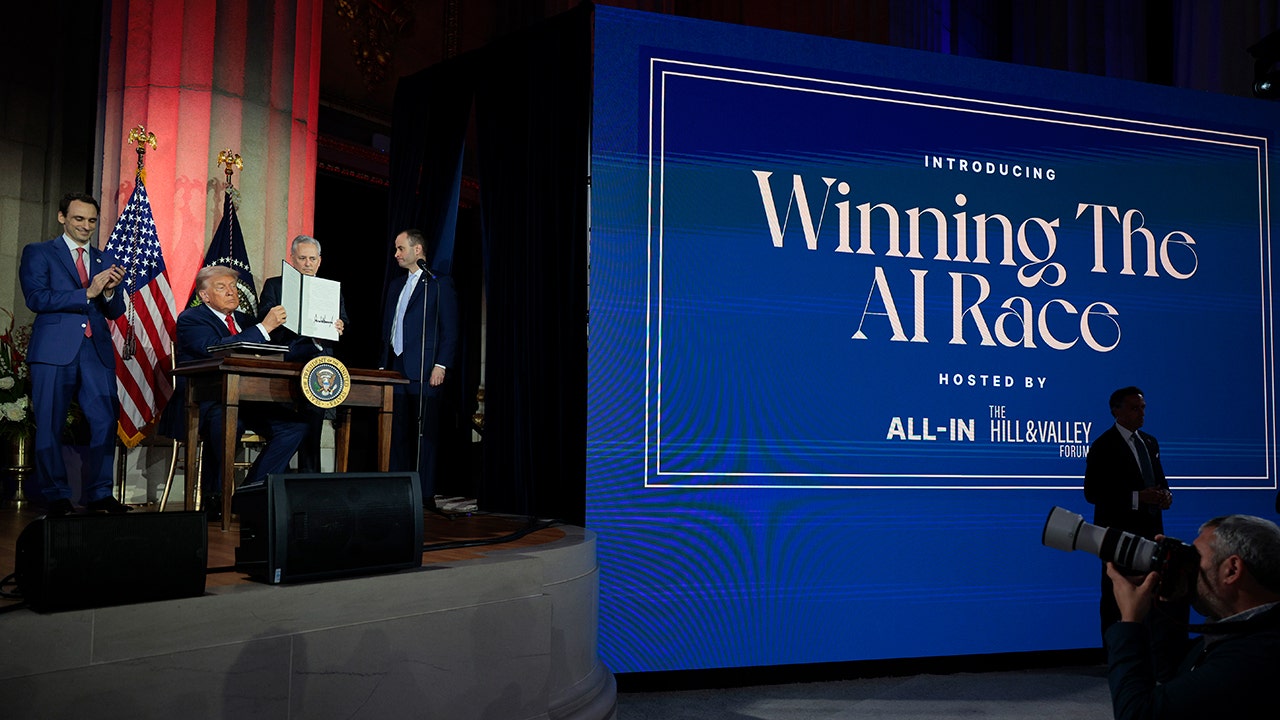
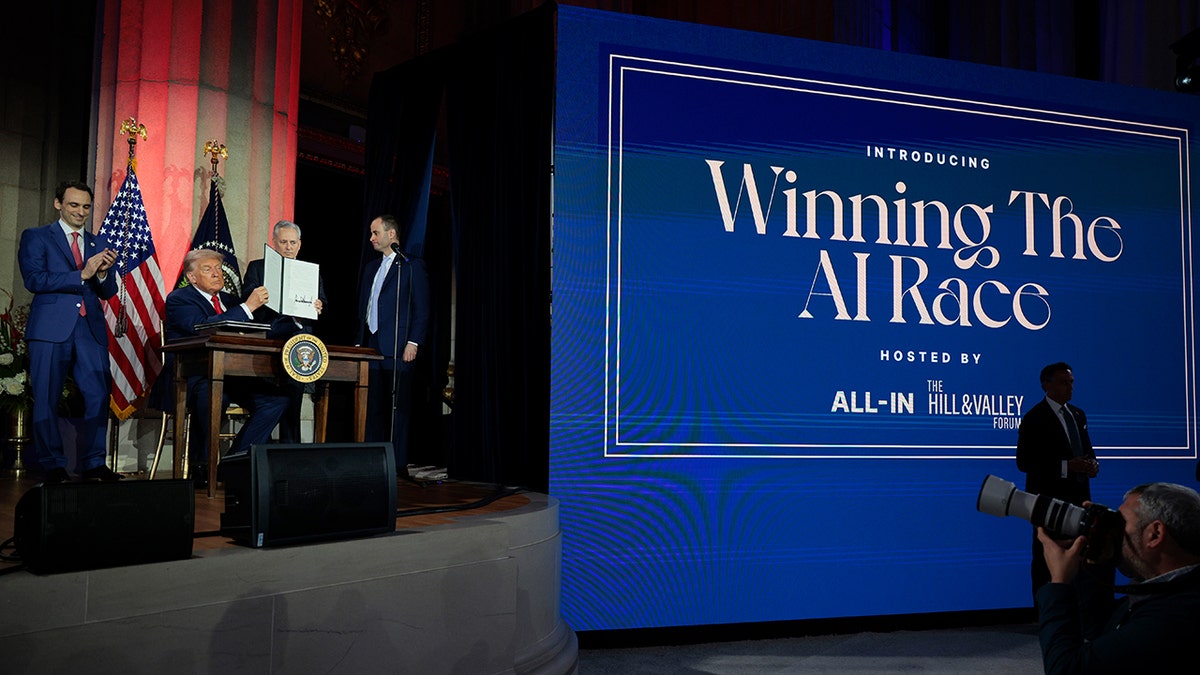
- July 2025: President Trump holds the “Winning the AI Race” summit, emphasizing the economic necessity of domestic leadership in the sector.
- October 2025: The President officially announces the AI Force, signaling a definitive turn away from the “pause” movement.
The administration’s skepticism toward restrictive regulation is not held in isolation. Several influential voices within the tech and political spheres, including White House advisors, have argued that the current “doomsday” rhetoric is a form of regulatory capture. By advocating for complex licensing requirements and safety audits, critics argue that incumbents are attempting to build a “moat” around their businesses, effectively preventing smaller startups and open-source developers from entering the market.
Economic Projections and Industrial Impact
President Trump has projected that the artificial intelligence sector could eventually account for as much as 25% of the United States’ Gross Domestic Product (GDP). While this estimate is ambitious—surpassing the current total contribution of the entire manufacturing sector—it underscores the administration’s belief that AI will be the primary engine of the next industrial revolution.
Economists note that the integration of AI into the American economy is already underway, with significant gains in productivity being observed in the software, financial services, and healthcare industries. The “AI Force” is intended to ensure that the infrastructure—specifically high-capacity data centers and energy-efficient computing hardware—is available to support this expansion. The administration has frequently pointed to the failure of local and state efforts to block the construction of massive data centers as evidence that the public, and the market, are more interested in growth than in the potential localized impacts of these facilities.
Rebranding the Revolution
In a move that caught many observers by surprise, the President has also suggested that the term “Artificial Intelligence” is insufficient for the scope of the technology. He has proposed that the government and the public consider alternative, more precise terminology, such as “Superior Intelligence (SI),” “Extreme Intelligence (EI),” or “Supreme Intelligence (SI).”
While this semantic debate may seem peripheral, it reflects a deeper desire by the administration to shift the narrative surrounding the technology. By moving away from the term “Artificial,” which carries connotations of imitation or simulation, the administration seeks to emphasize the tangible, high-performance capabilities of the systems being developed. A public poll regarding the naming of this technological era was launched alongside the announcement, further underscoring the President’s preference for direct communication with the public on matters of national policy.
Implications for Federal Oversight
The announcement of an “AI Czar” will likely lead to a consolidation of authority within the executive branch. Historically, oversight of AI has been fragmented across various agencies, including the Department of Commerce, the Federal Trade Commission, and the Department of Energy. A centralized czar, reporting directly to the President, would likely streamline these efforts, creating a unified “America First” policy on AI procurement, research funding, and international standards.
However, this centralization raises questions about how the administration will handle valid safety concerns. The use of existing criminal and civil laws implies that the government will treat AI as a product subject to standard liability laws. If a company releases a model that causes harm, it would be treated similarly to a corporation that releases a defective consumer product or commits fraud. While this avoids the “pre-crime” atmosphere of some proposed regulatory frameworks, it does place the burden of evidence on the government to prove that a model was inherently dangerous or maliciously deployed.
Geopolitical Tensions and the Road Ahead
The timing of this announcement, occurring ahead of a high-stakes meeting with Chinese leadership, is not coincidental. It serves as a clear message that the United States is not interested in an international moratorium on AI development. As the global race for Artificial General Intelligence (AGI) continues, the administration is betting that speed, scale, and private-sector freedom will produce a more secure and prosperous outcome than a slow-moving, state-managed regulatory approach.
The legislative branch remains divided on this issue. While some Republicans in the Senate have expressed concerns about the lack of an “off-switch” or “kill-switch” for autonomous systems, others have joined the President in warning that restrictive measures are effectively a gift to foreign adversaries. The House of Representatives has shown similar patterns, with some members pushing for stringent safety requirements while others emphasize that the United States cannot afford to fall behind in the race for technological supremacy.
As the “AI Force” takes shape, the focus will likely shift to talent acquisition. The President’s emphasis on “High I.Q. individuals” suggests a desire to recruit from the highest echelons of academia, the military, and the private sector. The success of this initiative will ultimately depend on whether the administration can attract the necessary expertise to navigate the complex, rapidly evolving technical landscape without becoming bogged down by the same political infighting that has characterized previous attempts to regulate the digital frontier.
For now, the policy direction is set: the United States is moving full-throttle toward the integration of advanced intelligence systems into the national economy, with the federal government acting as an advocate for, rather than a regulator of, the next great industrial revolution. Whether this strategy will lead to the promised economic prosperity or exacerbate the risks associated with unchecked technological growth remains the central question of the coming decade.

