
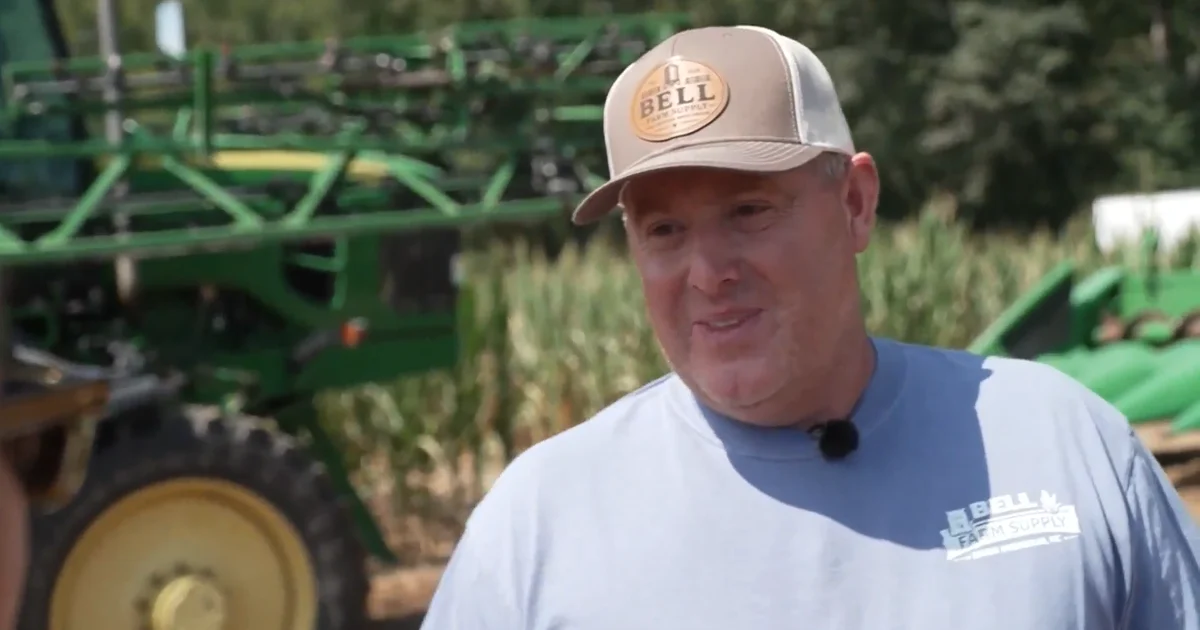
Matt Bell has spent more than half his 52 years working the rich soil of central North Carolina, managing a sprawling operation of over 1,000 acres dedicated to soybeans, corn, wheat, and beef cattle. For more than three decades, Bell has weathered the volatile nature of commodity markets, unpredictable weather patterns, and shifting economic cycles. Yet, sitting on his farm in Kings Mountain, North Carolina, he confesses that the current agricultural crisis stands apart from anything he has encountered in his 34-year career. A registered Republican and a former supporter of President Trump, Bell finds himself caught in an economic vice grip defined by soaring overhead expenses, compounding global trade barriers, and military conflicts in the Middle East that have directly inflated the cost of basic farm operations.
The financial pressures facing Bell and agricultural producers nationwide underscore a growing disconnect between national trade and foreign policies and their immediate impacts on domestic food production. While major policy initiatives have promised to prioritize American agriculture, independent producers report that the reality on the ground is starkly different. Faced with crippling input costs, volatile supply chains, and shrinking operational margins, Bell and many of his peers are questioning the long-term viability of their multi-generational livelihoods as they approach the close of the current growing season.
Anatomy of an Agricultural Crisis: Surging Input Costs
The primary driver of the current distress among farmers is the unprecedented escalation of input costs—specifically fuel, fertilizer, and heavy machinery parts. Bell’s operational expenditures have ballooned dramatically over the past year, forcing him to exhaust his annual fuel budget months ahead of schedule. Originally allocating $35,000 for diesel fuel to power his tractors, combines, and transport vehicles, Bell depleted those funds by August. He now projects his total annual diesel expenditure will reach between $50,000 and $60,000.
National energy metrics illustrate the broader scope of the problem. According to data from the American Automobile Association (AAA), diesel fuel prices nationwide have hovered around a staggering $6.40 per gallon, nearly doubling the averages recorded at the same point in the previous year. In North Carolina, prices reached an all-time state average high of $6.19 per gallon. For Bell, whose daily operations require heavy machinery such as a combine that consumes approximately $600 worth of diesel daily, these prices represent an existential threat. The sheer volatility of the energy market has exacerbated the situation; distributors now quote prices that remain valid for only a few hours before shifting upward once more.
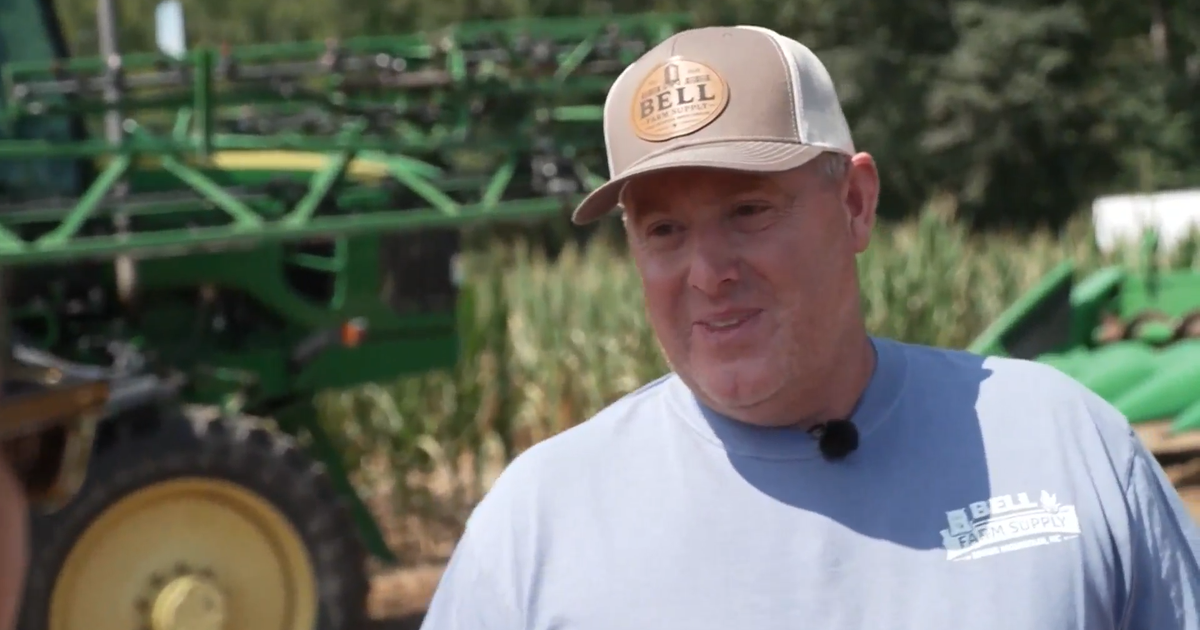
Beyond fuel, the cost of every essential component required to plant, maintain, and harvest crops has escalated. Fertilizers, chemical treatments, seeds, and mechanical replacement parts have all experienced steep price hikes. Bell notes that he has systematically eliminated every non-essential expense from his business model over the past several years, stretching the lifespan of aging equipment and experimenting with alternative fertilizer production methods. His family has even diversified the farm’s income by opening an autumnal storefront featuring pumpkin patches and hayrides. However, these measures have proven insufficient against the relentless tide of inflation. "We’ve cut everything we can cut," Bell remarked. "You cannot run without fuel. You cannot run without fertilizer. You have to have that."
Global Conflicts and Supply Chain Disruptions
The astronomical rise in fuel and chemical costs is not an isolated domestic phenomenon; it is deeply intertwined with geopolitical conflicts spanning multiple continents. The ongoing war involving Iran has severely constricted global petroleum supplies, triggering severe disruptions in international trade routes. The Strait of Hormuz—a vital maritime chokepoint through which a significant portion of the world’s oil is transported—remains under a stringent naval blockade, severely limiting the passage of commercial tankers.
Simultaneously, escalating hostilities in the Red Sea region, driven by attacks from Yemen’s Iran-backed Houthi rebels against Saudi infrastructure and shipping lanes, have continued to squeeze global fuel supplies. These compounded security crises have strained energy markets, directly elevating diesel prices for American agricultural producers. Furthermore, prolonged military conflict in Eastern Europe between Russia and Ukraine has constricted global oil refining capacity and disrupted the international supply of key fertilizer components, pushing production costs even higher for farmers worldwide.
Tariffs, Trade Dynamics, and the Soybean Market
In addition to energy inflation, federal trade policies and sweeping tariffs have placed additional burdens on American grain producers. While the agricultural community initially praised the administration’s announcement regarding a bilateral trade agreement—which secured commitments from China to purchase 25 million metric tons of U.S. soybeans annually through 2028—the structural reality of the trade relationship remains problematic.
Although Chinese import volumes of U.S. soybeans have risen, a retaliatory 10% tariff implemented by Beijing in response to U.S. fentanyl-related levies remains firmly in place. For farmers like Bell, this tariff creates a distinct market imbalance. While the cost of producing soybeans—driven by higher prices for seed, fuel, and fertilizer—has risen exponentially, the prices offered by international buyers have not adjusted upward to offset those expenses.

Trade advocacy groups have actively lobbied the executive branch to address these structural hurdles. Prior to a high-profile diplomatic meeting between President Trump and Chinese President Xi Jinping, the American Soybean Association dispatched a formal letter urging the administration to prioritize the complete elimination of the 10% retaliatory tariff. Economists note that until these trade barriers are dismantled, American soybean farmers will continue to absorb the financial penalty of protectionist trade measures while competing in a tightly contested global marketplace.
Shifting Political Allegiances and Disillusionment
The convergence of economic pressures has led to profound political reassessment among rural voters who were instrumental in carrying the administration to power. Bell, a dedicated conservative who initially supported President Trump’s foreign policy goals—including efforts to curb Iran’s nuclear ambitions—now feels that the administration’s execution has resulted in critical miscalculations.
"We’re just being strung along as a country and that’s not good," Bell stated, expressing a sentiment of frustration shared by agricultural business owners across the region. He argues that the administration’s overarching agricultural policies have failed to deliver on core promises of putting domestic farmers first. While federal bailout and assistance programs have been deployed to mitigate financial losses, Bell contends that these funds are inadequate when measured against the sheer scale of ongoing operational deficits.
This growing disillusionment is translating directly into political action. As the upcoming midterm and local elections approach, Bell indicates that party loyalty will take a back seat to pragmatic governance. "I’m a Republican, but I’m probably going to vote a split ticket," he noted, emphasizing his intent to support candidates who demonstrate common sense and actively listen to the economic realities facing working-class Americans.
The Broader Implications for American Agriculture
The struggles faced by Matt Bell and his operation reflect a wider vulnerability within the American agricultural sector. Agricultural economists warn that sustained high input costs, combined with protracted trade disputes and high interest rates, could accelerate a wave of farm consolidations and bankruptcies nationwide. Smaller, independent family farms, which lack the capital reserves of corporate agricultural conglomerates, are disproportionately at risk.
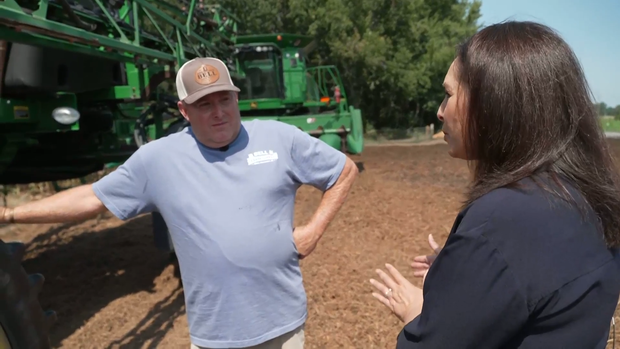
The potential loss of independent producers carries significant long-term implications for domestic food security, rural economies, and the cultural landscape of American agriculture. When multi-generational farms are forced to liquidate, rural communities lose vital economic anchors, and the institutional knowledge accumulated over decades of working specific land parcels is permanently lost.
Despite the severity of the crisis, Bell remains resolute in his desire for accountability rather than pity from the American public. "I do not want any Americans to feel sorry for the American farmer," he asserted. "I want the Americans to be mad that we have been put in this situation. We are fighting for survival, and we’re running out of options."
As the current growing season draws to a close, Bell faces the sobering possibility that he may be forced to abandon the only profession he has ever known. Yet, even as he weighs the future of his family’s livelihood, his primary concern remains the preservation of a way of life deeply rooted in American tradition. "Money’s not the problem, I could care less about the money," Bell reflected. "We take a lot of pride in what we do. You can’t put a dollar sign on that. But I can’t stay in business under these conditions. Something has got to give."

