

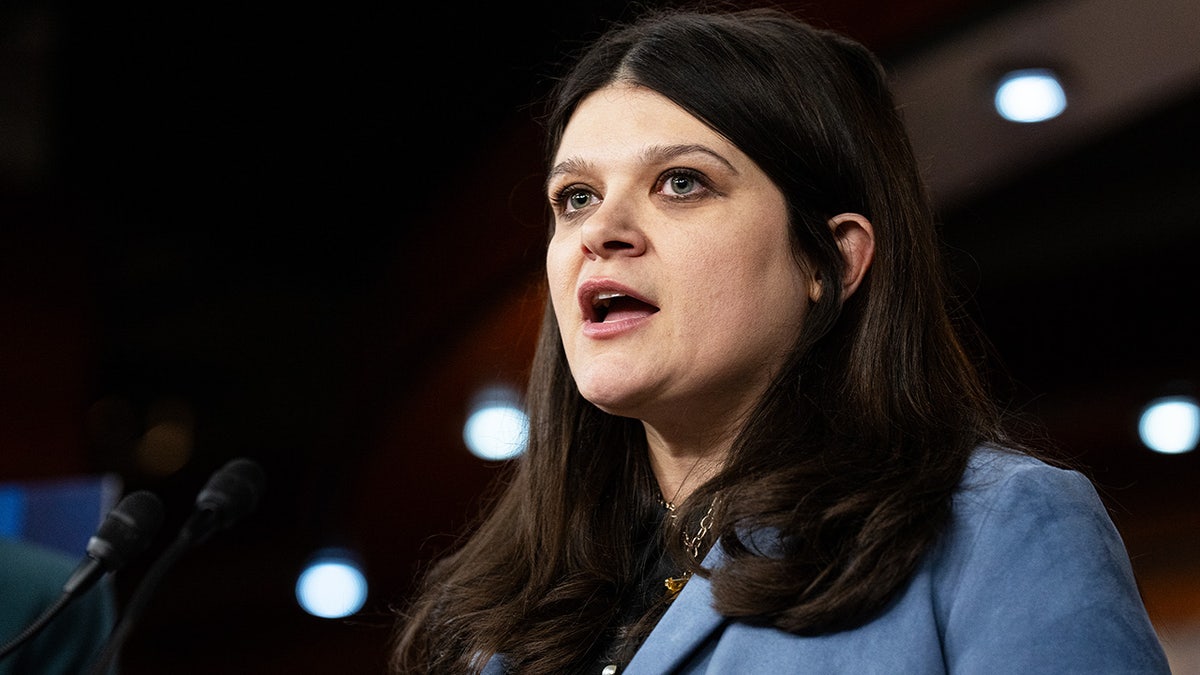
In an unexpected departure from the typical partisan divide, Representative Haley Stevens, D-Mich., has signaled support for several foundational economic policies championed by the Trump administration. During a recent interview, the Michigan congresswoman identified the administration’s aggressive push into industrial equity stakes, public-private utility collaboration, and strategic critical mineral independence as areas where Democratic and Republican interests should align. This rare cross-aisle overture comes at a time of heightened political volatility in Michigan and serves as a case study in how domestic manufacturing and energy concerns are beginning to transcend traditional party platforms.
Strategic Economic Alignment
The core of Rep. Stevens’ endorsement centers on the Trump administration’s shift toward "direct equity" in industries deemed critical to national security and long-term economic resilience. For decades, federal economic policy has largely relied on grants, tax credits, or low-interest loans to incentivize corporate growth. However, the current administration has pivoted toward taking ownership stakes—a move typically associated with venture capital rather than federal fiscal policy.
The administration’s rationale is that if the federal government acts as a venture capitalist, it should capture the upside of the resulting growth. This approach has already been demonstrated in high-stakes sectors: the Treasury Department’s conversion of $8.9 billion in federal funding into a 9.9% nonvoting stake in Intel, and the Pentagon’s acquisition of a 15% stake in rare-earth mineral producer MP Materials. Stevens argued that such strategies are pragmatic tools for funding infrastructure and healthcare without relying solely on traditional taxation.

"It’s not just about taxation," Stevens noted. "If federal dollars are used, like what Mr. Elon Musk got from the federal government, so potentially this current administration could be right that ownership stakes should be on the table."
The Ratepayer Protection Pledge
Beyond equity stakes, Stevens has thrown her support behind the Trump administration’s "Ratepayer Protection Pledge." This initiative aims to address the looming energy crisis caused by the massive expansion of artificial intelligence infrastructure and data centers. As these facilities demand unprecedented amounts of electricity, concerns have mounted that residential and small-business ratepayers will face significant price hikes to fund the grid upgrades required by tech giants.
The pledge seeks to establish a collaborative framework between utility providers, state regulators, and developers to ensure that the cost of grid expansion is shared equitably. For a representative from an industrial state like Michigan, where energy costs directly impact the manufacturing sector’s competitiveness, this policy is viewed as a critical shield for the working class.
Stevens highlighted her historical experience with the auto-rescue task force during the Obama administration to underscore her belief in this collaborative model. "I think collaboration is always a promising first step and path forward," she said. "We coordinated at the local level. We coordinated large-scale federal resources. That is the blueprint for how we handle modern industrial challenges."
Critical Minerals and the China Factor
Perhaps the most urgent area of agreement cited by Stevens is the race for domestic critical mineral production. The United States currently relies heavily on international supply chains, particularly those dominated by China, for the rare-earth elements essential to everything from electric vehicle batteries to advanced missile guidance systems.
The Trump administration’s use of aggressive loan guarantees for mining firms has received a positive nod from the Michigan congresswoman. She frames the issue as a matter of national sovereignty and economic security. By de-risking the extraction of minerals domestically, the federal government is effectively insulating the U.S. industrial base from geopolitical blackmail. Stevens’ support for these measures highlights a growing consensus in Washington that the era of unfettered globalized supply chains is being replaced by a model of "strategic independence."
Political Context and Legislative History
Rep. Stevens’ trajectory within the Democratic Party has been marked by a focus on moderate, industrial-centered policy. Her rise to national prominence was defined by her primary victory over Abdul El-Sayed, a progressive challenger. Throughout that campaign, Stevens positioned herself as a pragmatist capable of delivering tangible results for the working-class voters of Michigan.
However, her recent comments have sparked friction within the executive branch. White House spokesperson Kush Desai dismissed the representative’s overtures, noting her past legislative record. "It’s rich that Haley Stevens claims to support President Trump’s proven economic agenda after voting against the President over 80 percent of the time in Congress—including on the Great One Big Beautiful Bill, which is the largest working-class tax cut in history," Desai stated.
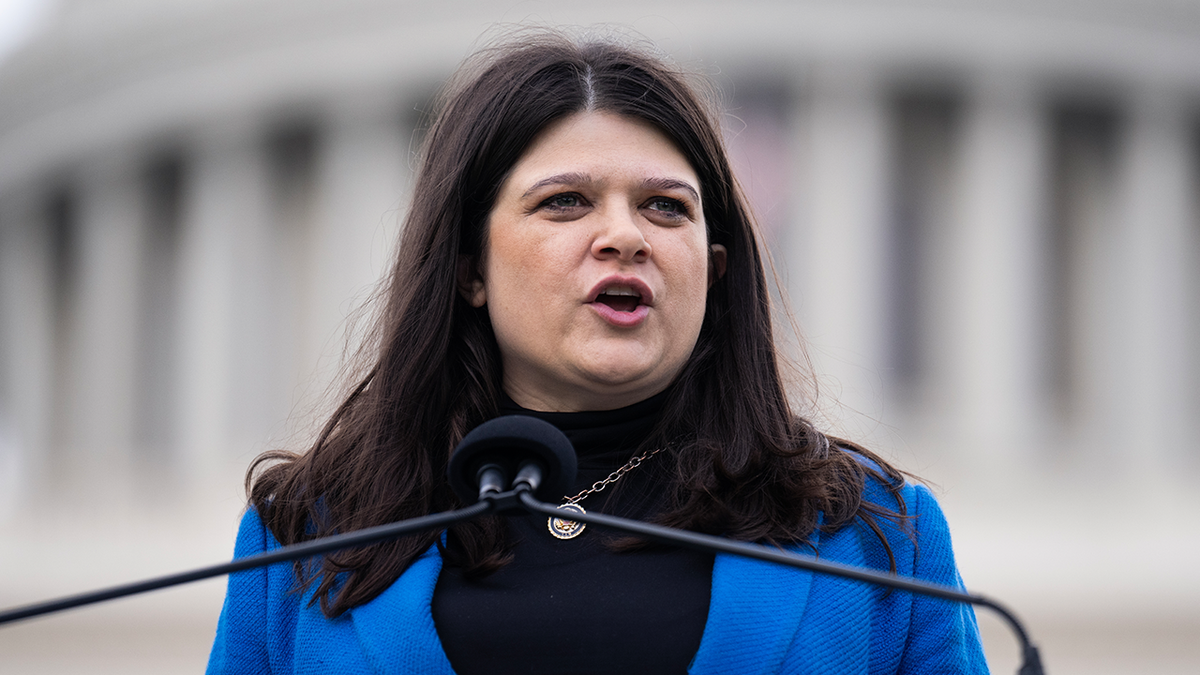
This reaction underscores the complex reality of current Washington politics: even when policy goals align, institutional and electoral pressures often force a return to partisan rhetoric. Despite the White House’s skepticism, Stevens maintains that her primary obligation is to her constituents in the manufacturing sector.
Bipartisan Successes and Future Prospects
Stevens points to her work with Rep. French Hill, R-Ark., as evidence that deep-seated partisan differences can be set aside when the issue involves national security. The two have successfully shepherded legislation aimed at deterring foreign adversaries and curbing the exploitation of U.S. capital.
As the chair of the bipartisan manufacturing caucus, Stevens views the current economic landscape as a fertile environment for further cooperation. Her emphasis on the "industrial sector" as the primary driver of national success suggests she will continue to seek common ground with the administration on trade, workforce development, and energy infrastructure, regardless of the criticism from the executive branch’s communications team.
Fact-Based Analysis of Economic Implications
The shift toward government-owned equity, while supported by some lawmakers, carries significant long-term implications for the American economy:

- Market Distortion: Critics argue that government-owned equity creates "zombie companies" that are kept afloat by federal interest rather than market demand. However, supporters contend that in sectors like semiconductors, the "market" is already distorted by heavy subsidies from foreign nations like China, necessitating a state-backed response.
- Fiscal Impact: If the government holds stakes in private companies, the federal balance sheet becomes more exposed to market volatility. While the Intel and MP Materials stakes have appreciated, these gains remain unrealized. A market downturn could force the government to either hold assets indefinitely or divest at a loss, potentially burdening taxpayers.
- The "Hostage-Taking" Problem: Stevens’ focus on critical minerals reflects a broader shift toward protectionism. The economic theory here is that by securing the supply chain, the U.S. reduces the risk of sudden price spikes or supply shortages that could cripple domestic manufacturing.
Chronology of Recent Developments
- February 2025: Rep. Stevens participates in the House Democrats’ news conference to introduce the Taxpayer Data Protection Act, emphasizing her focus on fiscal oversight.
- April 2025: The Trump administration hosts the "Invest in America" event at the White House, bringing together tech leaders and industrial CEOs to discuss infrastructure and equity stakes.
- May 2025: Rep. Stevens holds a rally at the U.S. Capitol to address risks to the healthcare sector, further cementing her status as a key voice on domestic social policy.
- Late 2025/Early 2026: The administration accelerates the conversion of loans to equity stakes in strategic firms, drawing both praise for industrial strengthening and criticism regarding government overreach.
- Present: Rep. Stevens explicitly articulates her support for the three-pillar strategy of equity stakes, utility collaboration, and mineral independence, positioning herself as a pragmatic bridge-builder.
Conclusion: A Shift in Legislative Strategy
The political posturing surrounding Rep. Stevens’ comments reveals a significant tension in contemporary American politics. On one hand, the administration demands total loyalty, viewing any disagreement on fiscal policy as an act of bad faith. On the other, members of Congress like Stevens are increasingly looking toward a "post-ideological" industrial policy that prioritizes outcomes—like stable energy prices and a robust domestic manufacturing base—over traditional party orthodoxies.
Whether this trend of bipartisanship will expand remains to be seen. However, as the U.S. navigates the complexities of an AI-driven economy and a precarious global supply chain, the model of collaboration proposed by Stevens may become the only viable path for legislative progress. For now, the congresswoman remains a vocal, if controversial, advocate for a pragmatic synthesis of Democratic social goals and Trump-era economic initiatives.

