
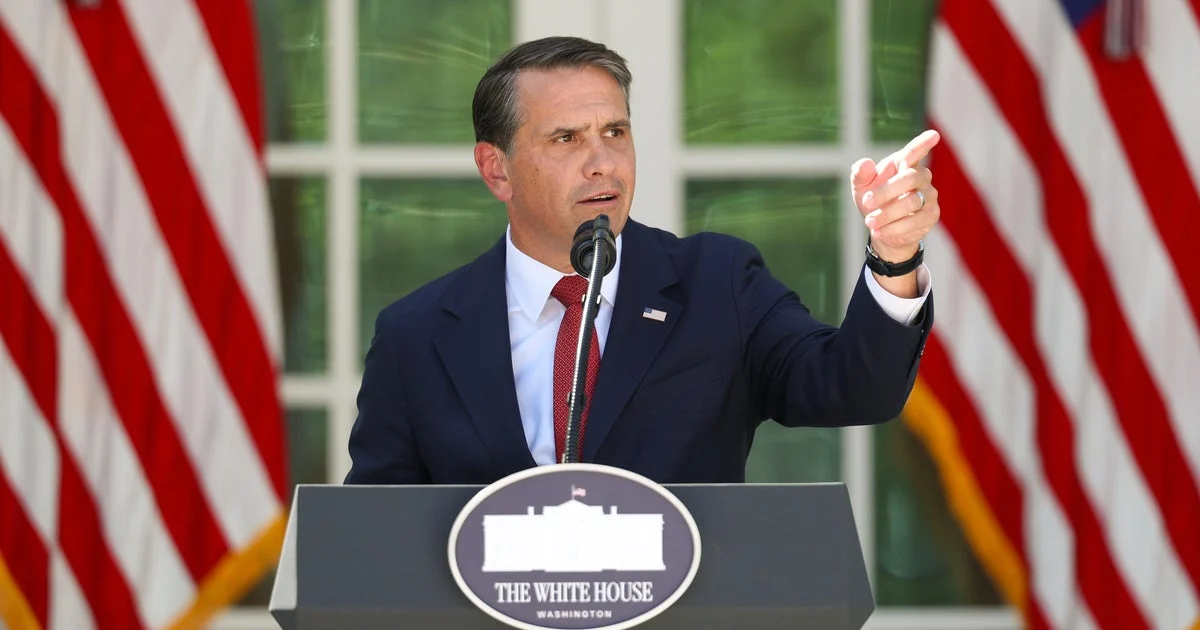
Attorney General Todd Blanche has officially confirmed that the Trump administration will fully comply with the Supreme Court’s recent ruling that effectively halts the U.S. Postal Service from enforcing sweeping new mail-voting regulations. The high court’s decision arrives just weeks ahead of the pivotal November midterm elections, averting what state and local election officials warned could have been widespread administrative chaos and massive voter disenfranchisement.
Despite the administration’s public commitment to abiding by the judicial mandate, the ruling has triggered sharp pushback from the executive branch, highlighted by public frustration from President Donald Trump directed at the nation’s highest court. The legal battle centers on administrative procedures, election integrity, and the constitutional balance of power concerning state-run versus federal election management.
Background and Context of the USPS Mail Voting Regulations
The controversy originated from regulations finalized by the U.S. Postal Service in mid-summer. The rules introduced a series of strict administrative mandates aimed at altering how mail-in ballots are handled, processed, and tracked nationwide.
Under the now-blocked guidelines, mail ballot envelopes would have been required to meet rigid design specifications, including the inclusion of unique, standardized barcodes. Furthermore, the regulations mandated that state and local election administrators upload sensitive voter information—specifically data regarding individuals slated to receive mail-in ballots—into a centralized, government-operated portal.
Federal officials who authored the policy defended it under the banner of election transparency and security. However, election officials across numerous states—spanning both political parties—immediately sounded the alarm. They argued that implementing sweeping design changes and deploying a new data-sharing infrastructure on short notice was logistically impossible. With many states already in the process of printing and distributing mail-in ballots for the upcoming midterms, local authorities warned that millions of voters could find their ballots rejected over technicalities, leading to severe disenfranchisement.
Chronology of the Legal Challenge and Supreme Court Intervention
The journey from the implementation of the postal rules to the Supreme Court’s intervention moved on an accelerated timeline, driven by the looming deadlines of the midterm election cycle:
- Late Summer: The U.S. Postal Service finalizes the new mail-voting regulations, sparking immediate concern among local election supervisors and civil rights organizations.
- Early September: A coalition of states and voting rights groups file federal lawsuits, seeking emergency injunctions to block the rules before voting commences. Lower courts issue temporary blocks, finding that the rules likely overstep federal authority and burden local administration.
- Mid-September: The Trump administration appeals the lower court decisions, petitioning the Supreme Court to allow the USPS regulations to take effect immediately.
- Monday: In a brief, unsigned order, the Supreme Court rejects the administration’s application, concluding that the government "is unlikely to succeed on the merits" of the underlying legal challenges.
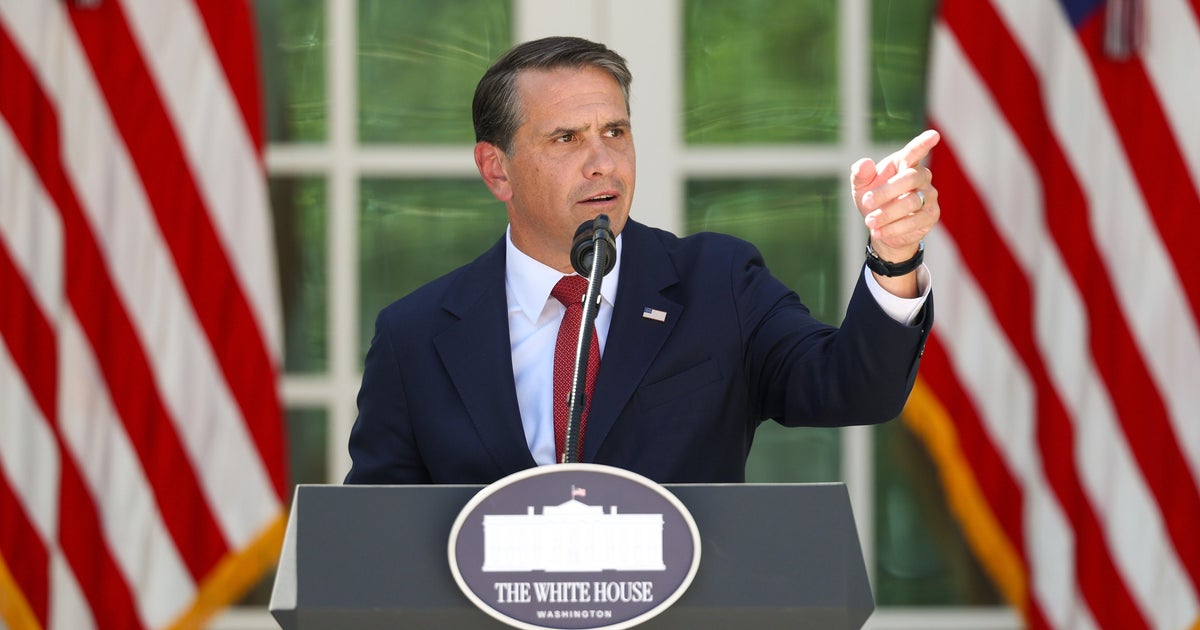
- Tuesday: Attorney General Todd Blanche addresses the ruling during a White House press briefing, followed closely by public criticism from President Trump on social media.
The Supreme Court Ruling and Judicial Alignment
The high court’s decision to deny the administration’s request was issued as an emergency order while underlying litigation continues to wind its way through lower federal courts. The brief, unsigned ruling underscored the majority’s view that the plaintiffs challenging the postal rules had demonstrated a strong likelihood of success on the merits.
The decision revealed ideological divisions within the bench, though the alignment featured notable crossovers. Justices Samuel Alito and Clarence Thomas dissented from the majority opinion. In their dissenting view, the conservative justices argued that the states challenging the postal service’s policies failed to sufficiently demonstrate that the federal agency acted unlawfully in setting mail standards.
However, fellow conservative Justice Brett Kavanaugh joined the court’s liberal wing to form the majority, providing the critical vote needed to block the regulations for the duration of the upcoming election cycle.
Official Responses and White House Reactions
Speaking to reporters at the White House on Tuesday, Attorney General Todd Blanche sought to project adherence to the rule of law while echoing the administration’s broader philosophy on election administration.
"Of course, we’re going to comply with the Supreme Court’s decision, as we always do," Blanche told reporters in response to a direct question from CBS News. "That doesn’t mean that we’re not going to do everything in this administration that we can to make sure that there are free and fair elections."
Blanche also pushed back against critics who frame the administration’s policy goals as suppressive, adding, "There’s this constant pressure, and this effort by the media and mostly by Democrats that somehow doing that is a bad thing. Everybody should want that."
The attorney general’s remarks followed an early-morning post by President Donald Trump on Truth Social. In his social media statement, the president blasted the high court’s decision, describing it as "another bad decision" against his administration and asserting that recent judicial outcomes have caused "incalculable" damage to the nation.

"The Court’s inability and unwillingness to do the right thing for our Country will go down, in a very negative way, in the annals of History," President Trump wrote, while specifically praising the dissenting opinions of Justices Alito and Thomas. "This Supreme Court is bullied and cajoled by the Radical Left into making decisions that have set America back at least a hundred years."
When asked about the president’s severe critique of the judiciary, Blanche defended the chief executive’s right to voice his discontent. "He is very frustrated," Blanche said, noting that Mr. Trump "has every right and indeed, he should communicate his concerns with the Supreme Court whenever he has them."
Asked directly whether the administration agreed with the substance of the ruling, Blanche acknowledged the ongoing disagreement without undermining compliance. "We do think that this decision is not the right decision," he said. "That is okay. That’s the way democracy works."
Broader Implications for Midterm Elections and Federal Authority
The Supreme Court’s intervention provides immediate regulatory stability for state and local election offices, ensuring that ballots already in circulation or scheduled for printing will not be invalidated by sudden federal mandates regarding barcode specifications or database reporting.
Political analysts note that the ruling reinforces the traditional boundaries of election administration, preserving the primary role of state and local governments in managing the mechanics of voting. While federal agencies like the U.S. Postal Service play a vital logistical role in delivering ballots, the court’s preliminary stance signals skepticism toward federal initiatives that unilaterally alter voting requirements on the eve of an election.
At the same time, the episode highlights the ongoing tension between the executive branch and the federal judiciary over voting policies. As the nation heads toward the November midterms, election officials can now focus on processing votes under established state guidelines, free from the immediate threat of new federal postal interventions. However, the underlying legal questions regarding the scope of executive authority over postal operations and election rules remain open for future judicial resolution.

