
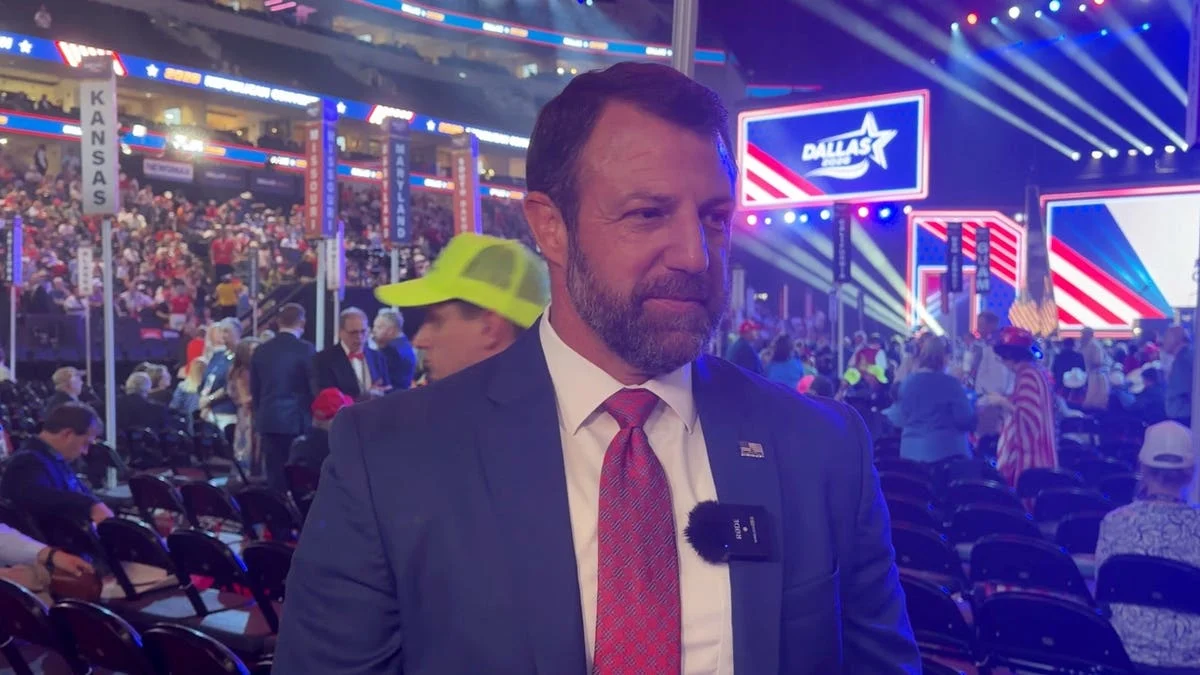
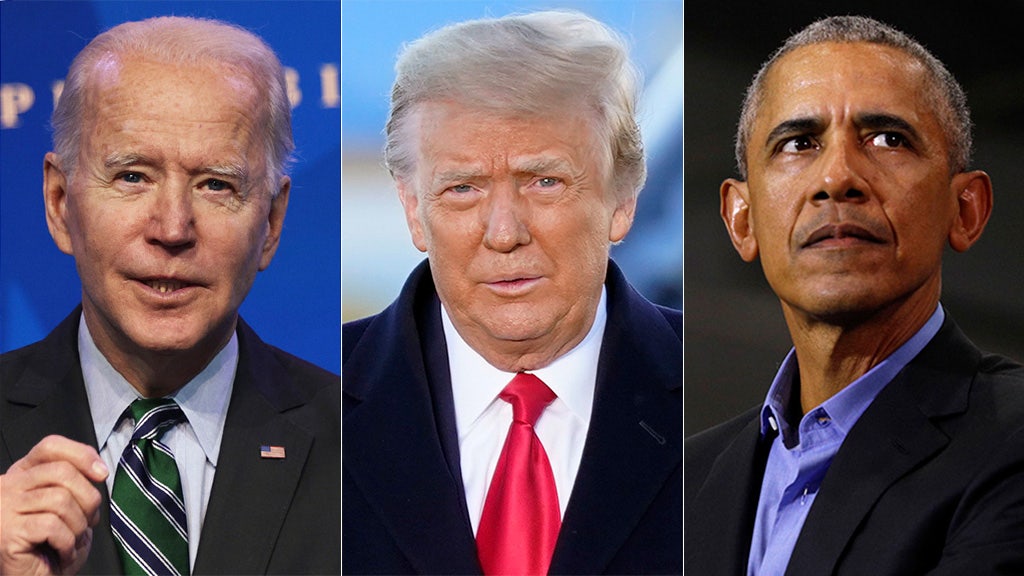
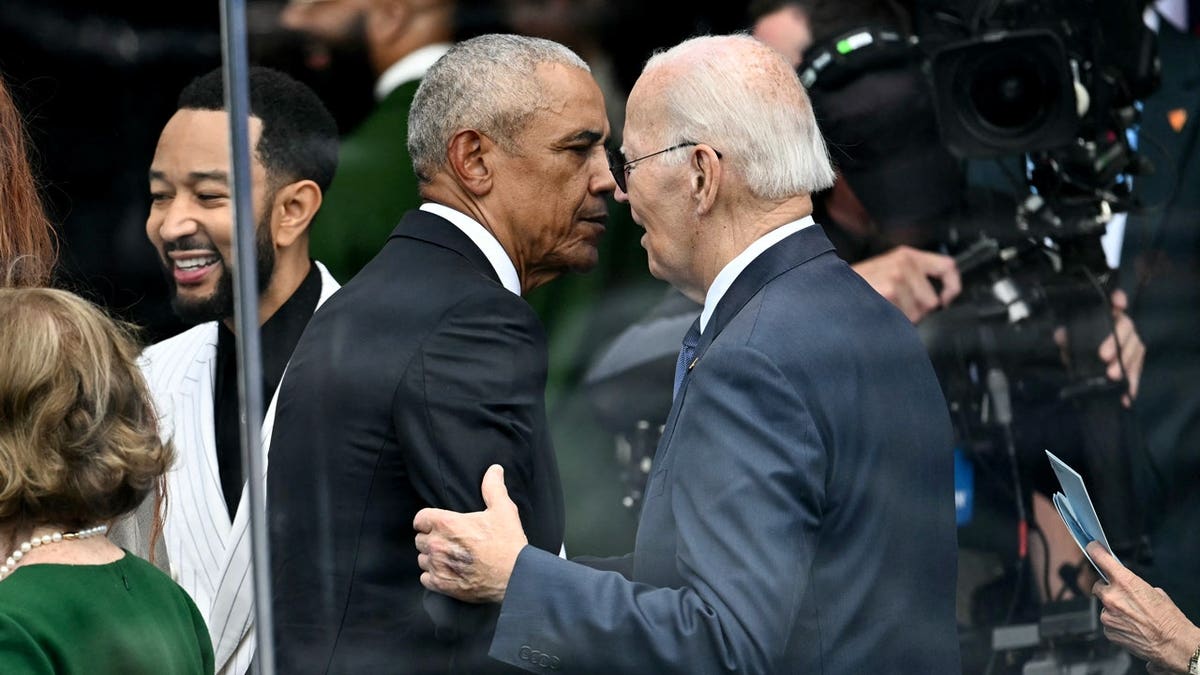
Homeland Security Secretary Markwayne Mullin has issued a pointed critique of the federal judiciary, drawing a sharp distinction between judges with whom the Trump administration can effectively coordinate and those he characterizes as nearly impossible to engage. Speaking on the sidelines of the RNC Midterm Convention, Secretary Mullin singled out judicial appointments made by President Joe Biden and, to a lesser extent, former President Barack Obama, as significant impediments to the Department of Homeland Security’s (DHS) efforts to implement current immigration enforcement strategies.
This assessment comes as the Trump administration continues to navigate a complex legal landscape, facing a series of adverse rulings that have challenged the scope and implementation of its executive orders. The friction between the executive branch and the federal bench underscores the ongoing ideological divide regarding the interpretation of immigration law, the limits of executive power, and the constitutional standing of administrative directives.
A Pattern of Judicial Resistance
The frustration voiced by Secretary Mullin is rooted in several high-profile legal defeats that have stalled or overturned key components of the administration’s immigration agenda. The administration has frequently sought to exercise broad authority to manage borders and deportations, often arguing that such measures are essential for national security and the rule of law. Conversely, federal judges have consistently intervened, citing constitutional concerns and procedural overreach.
A primary example of this tension occurred in September, when Judge Deborah Boardman blocked the enforcement of an executive order intended to limit birthright citizenship. Judge Boardman ruled that the directive was likely unconstitutional, effectively stalling a policy that the administration viewed as a vital mechanism for deterring illegal immigration. Similarly, in April, Judge Brian Murphy prevented the administration from terminating Temporary Protected Status (TPS) for more than 5,000 Ethiopian nationals. These rulings are part of a broader trend where judicial oversight has served as a primary check on the Department of Homeland Security’s policy-making process.
The Philosophical Divide: Legal Status and Enforcement
Secretary Mullin’s argument rests on a fundamental interpretation of sovereignty and the rule of law. He describes immigration cases as "cut and dry," asserting that the central question should always be whether an individual possesses the legal authorization to be present in the United States. Mullin utilized an analogy regarding homeownership, likening the vetting of legal status to verifying the deed of a residence. From his perspective, the lack of legal documentation is an objective, binary condition that should facilitate rapid enforcement.
Critics and legal scholars, however, argue that the issue is far more nuanced. Immigration law involves a complex intersection of statutory requirements, international humanitarian obligations, and constitutional due process. When judges rule against the administration, they are frequently evaluating whether the executive branch has exceeded its statutory authority or violated the procedural protections afforded to individuals under the Constitution. The divide, therefore, is not merely political but represents a fundamental disagreement over the role of the judiciary in reviewing executive actions that affect human rights and legal status.
The Conflict with State and Local Jurisdictions
Beyond the courtroom, Secretary Mullin has widened his focus to address the operational challenges posed by "blue" states and municipalities that limit cooperation with Immigration and Customs Enforcement (ICE). This resistance, often characterized by the refusal to honor ICE detainer requests, represents a significant hurdle for federal enforcement agencies.
The tension has reached a peak in Virginia, where the administration of Governor Abigail Spanberger recently moved to terminate existing 287(g) agreements with ICE. These agreements traditionally allow local law enforcement agencies to partner with federal authorities to identify and process individuals in custody who are subject to deportation. By ending these partnerships, the Spanberger administration argues it is focusing local resources on state-level criminal enforcement rather than acting as an extension of federal immigration policy.
Secretary Mullin vehemently disagrees with this approach, particularly in cases involving individuals accused of violent crimes, drug trafficking, or terrorism. During his remarks, he highlighted the situation in Fairfax County, claiming that a significant portion of recent local fatalities could be attributed to individuals who were in the country illegally. He characterized the refusal to cooperate with federal detainers as "absolutely zero sense," suggesting that such policies actively prioritize the safety of those in the country illegally over the security of law-abiding citizens.
Broader Implications and Future Strategy
The administration’s strategy appears to be a two-pronged approach: continuing to litigate in the federal courts while simultaneously applying political and fiscal pressure on local jurisdictions that refuse to cooperate. Secretary Mullin has indicated that the administration is exploring mechanisms to withhold funding from cities that maintain "sanctuary" status or otherwise obstruct federal immigration efforts. This represents a significant escalation in the federal-local power struggle, reminiscent of similar disputes in previous administrations.
However, the administration has also stated that it does not intend to forcibly impose federal control on local governments. Secretary Mullin noted that while the federal government is prepared to provide assistance and resources, the decision to cooperate remains with local leaders. This rhetoric acknowledges the political reality that overstepping the bounds of federalism can lead to further litigation and public backlash, even as the administration maintains a firm stance on the necessity of local cooperation.
A Changing Landscape for Law Enforcement
The friction is not limited to immigration policy; it also extends to the internal policies of local police departments. In Danbury, Connecticut, for example, the City Council amended its hiring ordinances to permit lawful permanent residents and DACA recipients to serve as police officers. This decision has drawn criticism from the administration, with Mullin questioning the logic of employing individuals who lack full legal status in roles that demand the enforcement of the law.
This development highlights the growing cultural and ideological chasm between jurisdictions that are increasingly integrating non-citizens into civic life and a federal administration that views such integration as a dilution of the legal process. The debate underscores a broader, ongoing national conversation about what constitutes "belonging" in American society and whether local communities should have the autonomy to define their own standards for public service.
Fact-Based Outlook
As the administration continues its push for stricter immigration enforcement, several key factors will likely determine the outcome of these battles:
- Judicial Appointments and Precedents: The long-term success of the administration’s policies will depend on its ability to navigate the current judicial landscape. If appellate courts continue to uphold the rulings of district judges like Murphy and Boardman, the administration may be forced to seek legislative changes rather than relying solely on executive orders.
- Fiscal Leverage: The use of federal funding as a tool to compel compliance from cities and states is a high-stakes strategy. Past legal challenges have shown that the federal government’s power to condition grants is not absolute and is often subject to intense scrutiny under the Spending Clause of the Constitution.
- Public Opinion and Local Elections: The ongoing debate over immigration policy is a central feature of the current electoral cycle. The willingness of local leaders to defy or cooperate with federal directives is often a direct reflection of the political climate in their respective districts.
Ultimately, the conflict between the Department of Homeland Security and its domestic opponents—be they federal judges or local government officials—is a manifestation of a deeper national struggle to define the parameters of the rule of law. While Secretary Mullin maintains that the issues are clear-cut and matter of national sovereignty, the reality remains that every enforcement action is filtered through a rigorous, often lengthy, and highly contentious legal and political process. The administration’s ability to achieve its objectives will hinge on its capacity to reconcile its enforcement goals with the legal and constitutional realities of the United States.

