
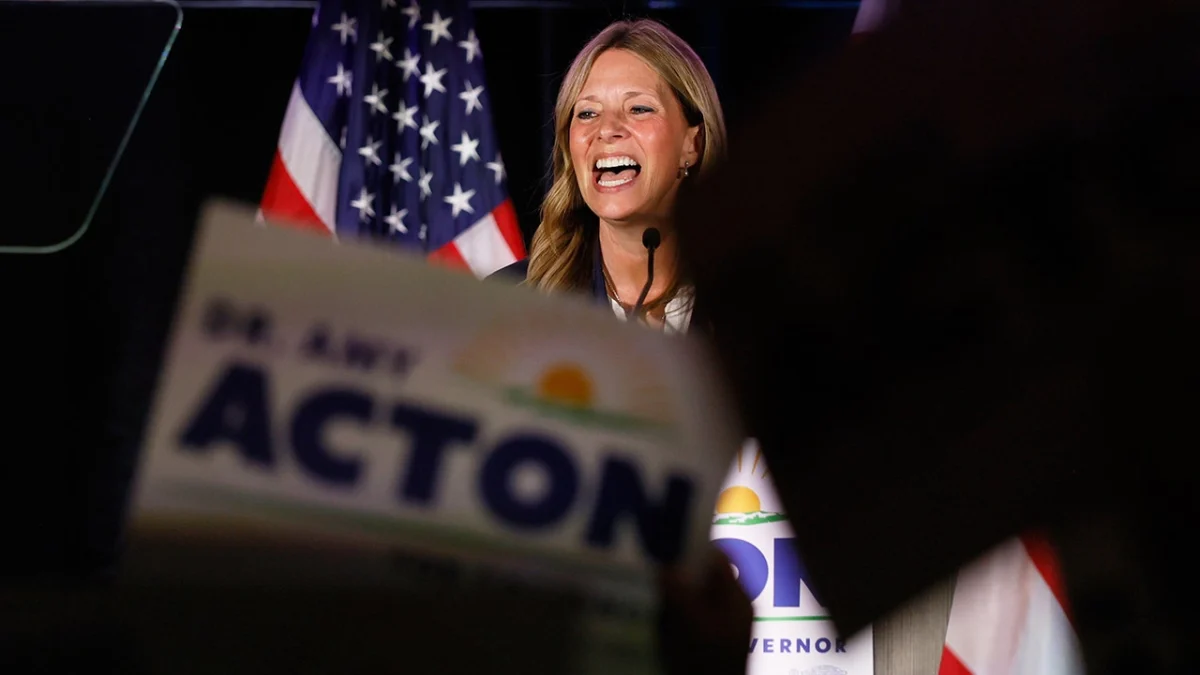
The gubernatorial race in Ohio has reached a volatile inflection point, underscored by a physical confrontation between staff members for Democratic candidate Dr. Amy Acton and an independent political activist. The incident, which occurred at a campaign event in Harrison, Ohio, last Saturday, serves as a microcosm of the deepening animosity between the campaigns of Acton, the state’s former health director, and her Republican challenger, Vivek Ramaswamy. As the November 3 general election approaches, the aggressive clash over media access and debate participation has brought issues of candidate transparency and personal conduct to the forefront of the state’s political discourse.
Anatomy of a Campaign Trail Confrontation
The altercation began when a camera-wielding activist approached Dr. Acton to inquire about her consistent refusal to engage in a public debate with Ramaswamy. Video footage of the event shows a group of campaign staffers quickly interceding to obstruct the interviewer, repeatedly stating, "No photos, no videos," and "No interviews." The interaction grew heated when a staffer appeared to bump into the cameraman, causing the recording equipment to jolt.
This incident is not an isolated event but rather the latest in a series of tense interactions between the two campaigns. For voters, the footage underscores a fundamental disagreement regarding the nature of political accountability. While the Acton campaign maintains that its security protocols are necessary to protect the candidate from what they term a "bad-faith" media environment, observers and the Ramaswamy campaign argue that the avoidance of direct, unscripted interaction with the press—and by extension, the public—is a failure of executive transparency.
The Debate Standoff: A Strategic Impasse
The central tension fueling these confrontations is the unresolved question of debates. In the modern political landscape, debates serve as the primary mechanism for voters to assess a candidate’s temperament, policy depth, and ability to handle adversarial pressure.
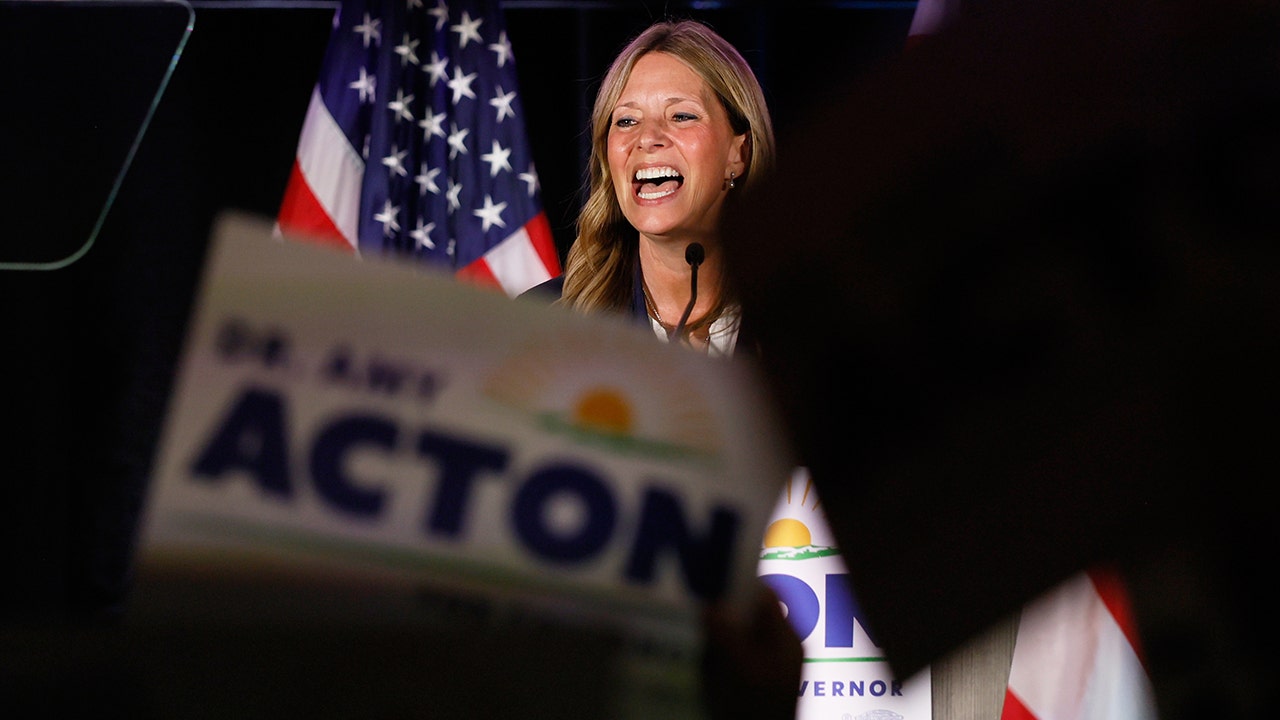
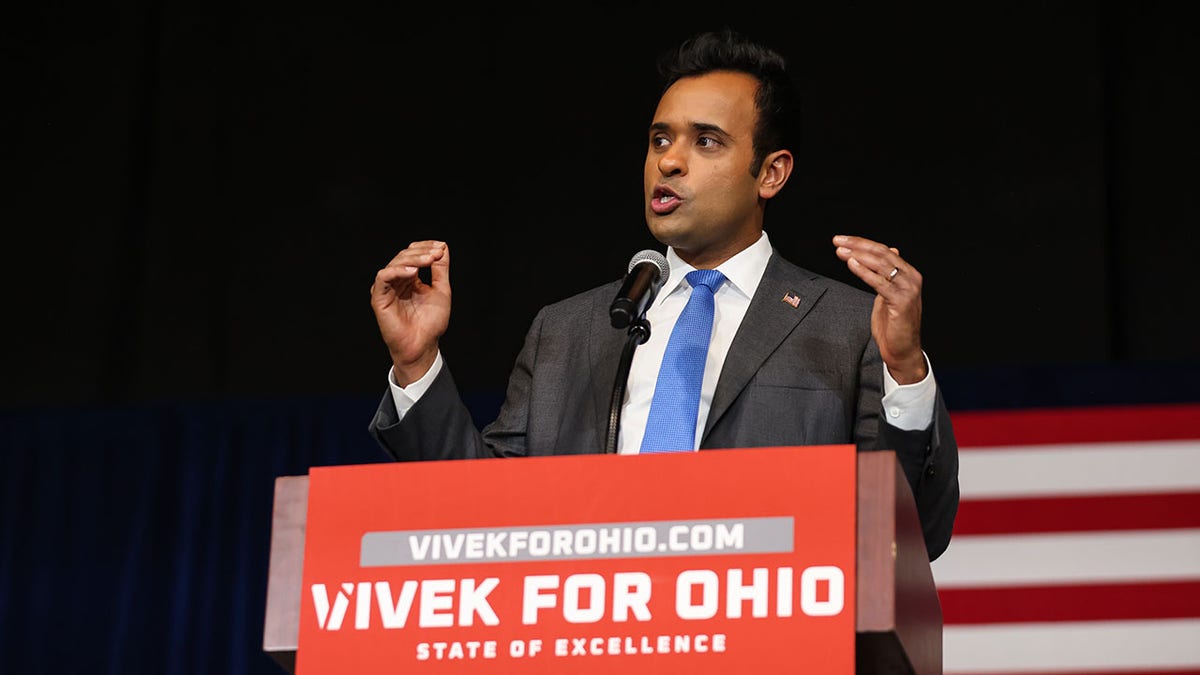
Ramaswamy, who has utilized a high-energy, media-centric campaign strategy, has repeatedly challenged Acton to a series of debates. He recently secured a commitment for a televised debate on CNN; however, the Acton camp has formally declined the invitation. This refusal has prompted significant backlash, with the Republican ticket framing the decision as a lack of confidence in her own platform.
The official reasoning provided by the Acton campaign is rooted in a desire to focus on "talking with Ohioans" rather than providing a platform for what they characterize as a "scam artist." In a formal statement released on September 2, a campaign spokesperson accused Ramaswamy of utilizing "baseless lies" regarding her family history, exploiting artificial intelligence to create disparaging content, and engaging in rhetoric that allegedly aligns with abusers. By labeling these actions as disqualifying, the Acton campaign has essentially created a "cordon sanitaire," arguing that engaging in a debate would validate tactics they find morally reprehensible.
Chronology of Escalating Hostilities
The current electoral environment is the result of a long, friction-filled campaign cycle.
- May 5, 2026: Dr. Amy Acton secures the Democratic nomination for governor, setting the stage for a contentious general election campaign.
- Early 2026: Vivek Ramaswamy pivots from national political commentary to a focused, self-funded gubernatorial bid, signaling an aggressive approach to the Ohio electorate.
- Mid-2026: Reports surface regarding a 2019 verbal dispute involving Acton, which becomes a key talking point in Republican digital outreach efforts.
- Late August 2026: Ramaswamy publicly challenges Acton to a series of debates; initial silence from the Acton campaign leads to increased pressure from local media.
- Early September 2026: Following a CNN debate invitation, the Acton campaign formally declines, citing the "scam artist" nature of the opposition as their primary justification.
- Mid-September 2026: The Harrison, Ohio, incident occurs, resulting in physical contact between campaign staff and media, further inflaming tensions.
Data and Financial Context
The financial disparity and the intensity of the spending in this race are significant. Vivek Ramaswamy has funneled $25 million of his own capital into his campaign, contributing to a record-breaking $50 million fundraising haul. This massive infusion of cash has allowed for a saturation-level media campaign, much of which focuses on the "drunk mom" narrative and critiques of Acton’s tenure as the Ohio health director during the COVID-19 pandemic.
From a statistical perspective, independent polling suggests that "economic anxiety" and "candidate character concerns" are the two primary drivers for Ohio voters in the upcoming cycle. By refusing to debate, Acton is betting that a direct engagement with Ramaswamy would primarily serve his narrative of personal attacks, whereas Ramaswamy is betting that the absence of a debate will leave voters with the impression that Acton is avoiding scrutiny regarding her past policies and personal history.
The Role of Artificial Intelligence and Negative Campaigning
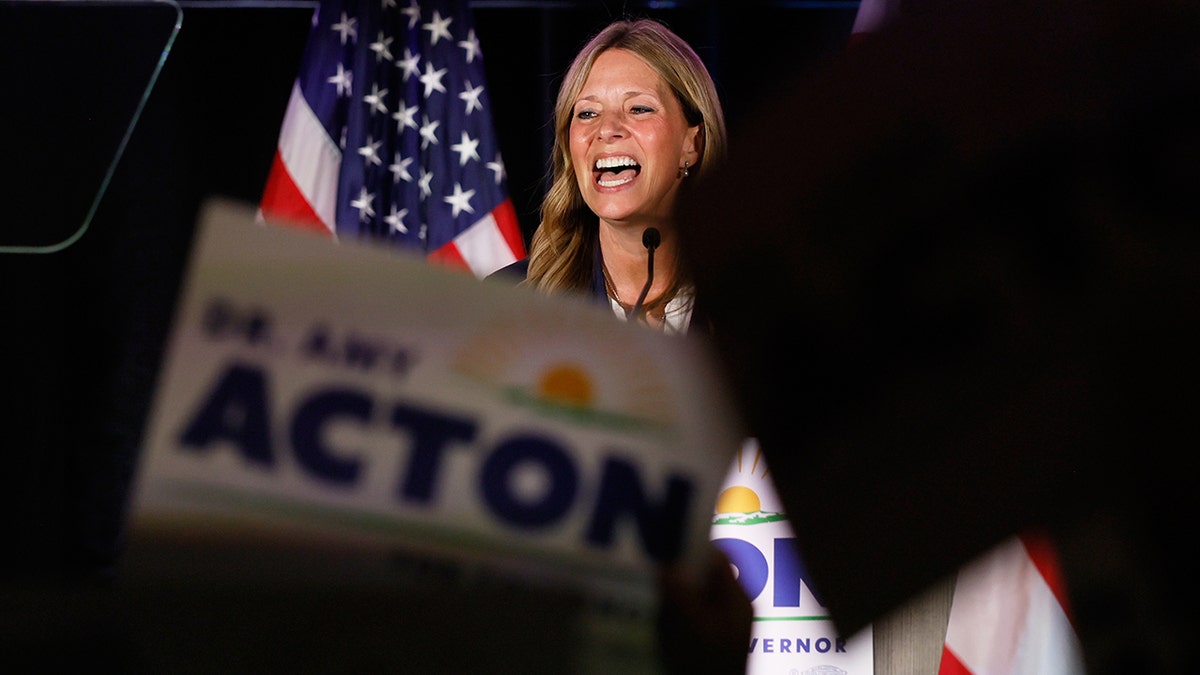
A unique dimension of this race is the integration of AI-generated content. The Acton campaign has been particularly sensitive to the use of deep-fake or manipulated imagery, such as the digital alteration of her vehicle’s license plate to reflect disparaging slogans. This has created a modern "arms race" in political communications, where the distinction between legitimate political critique and digital harassment is increasingly blurred.
Legal experts have noted that while the First Amendment provides wide latitude for political speech, the use of AI to influence election outcomes is currently in a "Wild West" regulatory phase. New York has recently pioneered legislation to regulate such advertisements, and there is growing pressure on Ohio state legislators to follow suit, though any such changes would arrive too late to impact the current cycle.
Implications for the General Election
The implications of this hostility extend beyond the candidates themselves. When political campaigns move from policy debate to physical confrontation, it erodes the public’s trust in the democratic process.
For the Democratic ticket, the challenge is to maintain a focus on policy issues—such as economic growth, healthcare infrastructure, and education—without appearing to be "in hiding" from the electorate. For the Republican ticket, the challenge is to ensure that the focus on personal attacks and the refusal to debate does not alienate moderate, suburban voters who may be fatigued by the hyper-partisan nature of the contest.
As the November 3 election approaches, the absence of a shared stage means that voters are receiving two entirely distinct, non-overlapping narratives about the future of the state. Acton continues to emphasize her experience in public health and governance, while Ramaswamy leans into his role as a disruptor of the status quo.
The incident in Harrison, Ohio, serves as a stark reminder of the stakes. With campaign rhetoric at an all-time high and physical security becoming a routine concern, the remaining weeks of the campaign are expected to be among the most contentious in recent Ohio history. Whether this environment will suppress turnout due to voter exhaustion or galvanize partisan bases remains the central question for political analysts as the candidates enter the final sprint to the ballot box.
Neither camp has indicated a change in strategy regarding the debate issue, suggesting that the "empty podium" narrative will likely dominate the closing weeks of the election. As both parties continue to accuse one another of "election trickery," the voters of Ohio are left to navigate a landscape where access to the candidates is increasingly restricted and the battle for the truth is fought as much through algorithmic manipulation as it is through traditional political discourse.

