

The political landscape in Michigan has become increasingly fraught as Democratic Senate nominee Abdul El-Sayed faces mounting pressure to address his ties to polarizing internet personality Hasan Piker. During a high-profile appearance on The Axios Show, which aired Thursday, Piker reaffirmed his history of inflammatory rhetoric regarding American foreign policy, a move that has further complicated El-Sayed’s campaign strategy as he attempts to pivot toward general election voters. The intersection of fringe digital media influence and mainstream electoral politics has placed the Michigan Senate race under a national spotlight, raising questions about the influence of polarizing figures on modern political campaigns.
The controversy centers on comments made by Piker during his interview with Axios correspondent Alex Thompson. When pressed on a previously documented assertion that the United States is the “top dog in terrorism,” Piker stood by his assessment. When Thompson asked if the streamer viewed the United States as worse than al-Qaeda, Piker replied, "Pound for pound as far as the number of deaths, yes. We have caused tremendous terror all around the world."
Chronology of a Political Alliance
The relationship between El-Sayed, a former gubernatorial candidate and current Senate hopeful, and Piker, a Twitch streamer with millions of followers, has been a recurring point of friction throughout the 2026 election cycle.
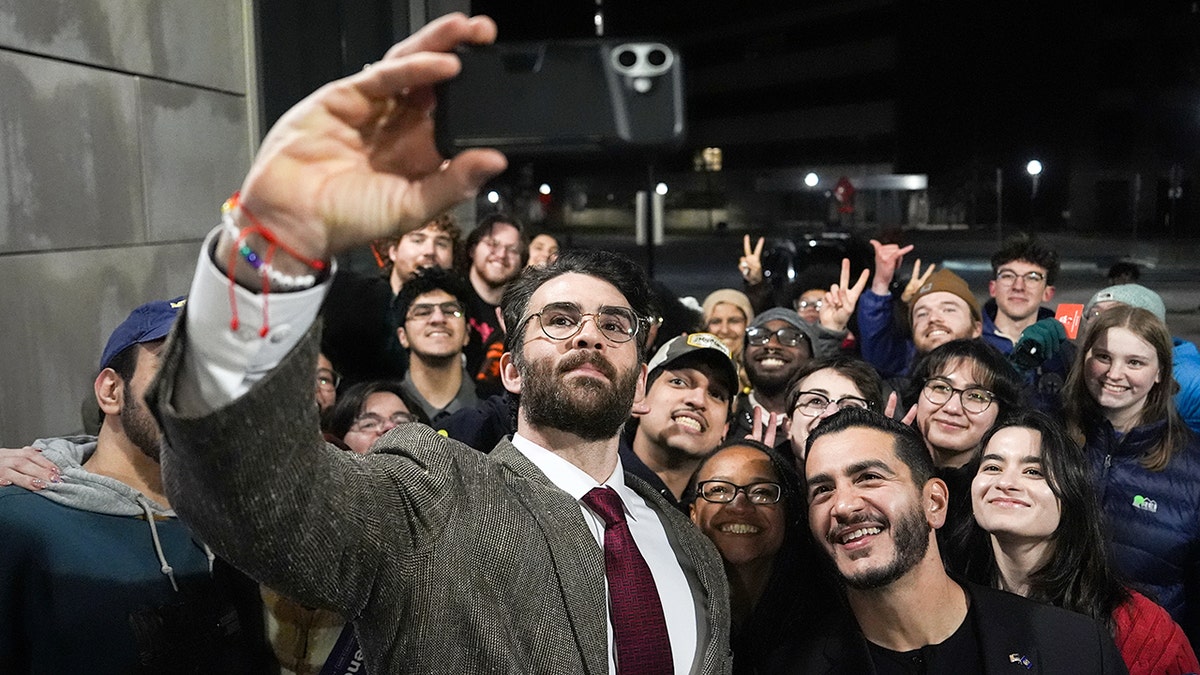
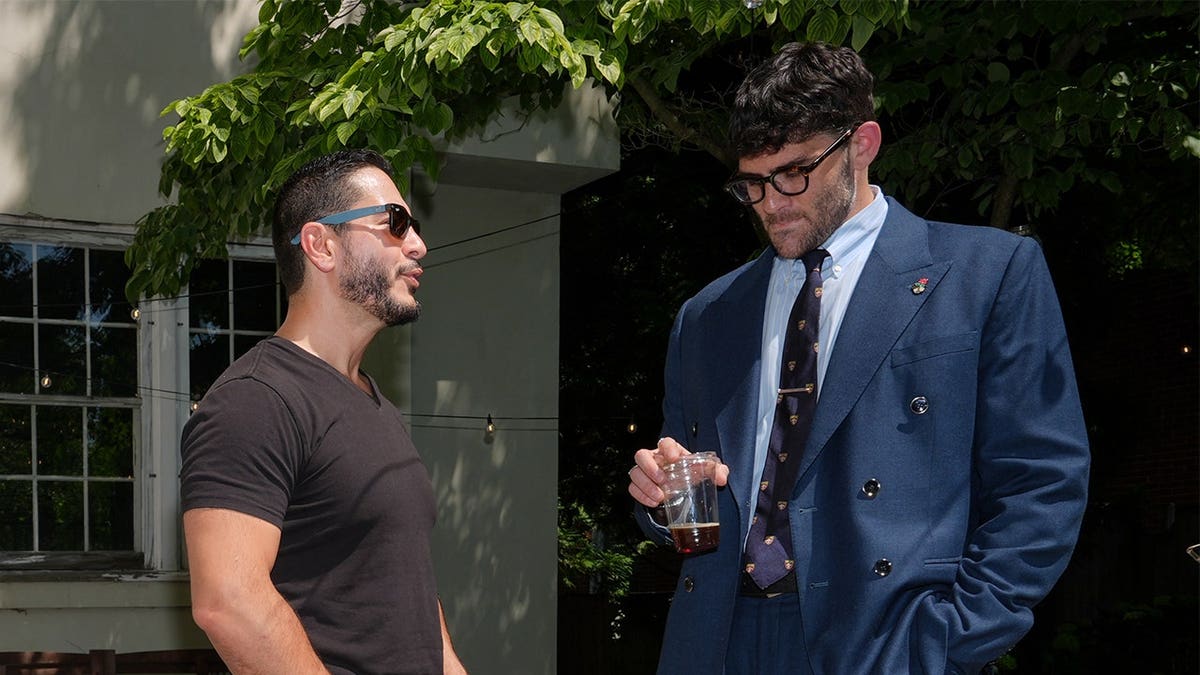
The association began to gain public attention during the Democratic primary season, where Piker was frequently spotted on the campaign trail supporting El-Sayed’s progressive platform. A notable instance occurred on April 7, 2026, when the two were captured on camera engaging with students at the University of Michigan in Ann Arbor. Later that summer, on August 3, 2026, images circulated of the pair at a private event in Detroit, hosted for content creators who were actively promoting El-Sayed’s candidacy.
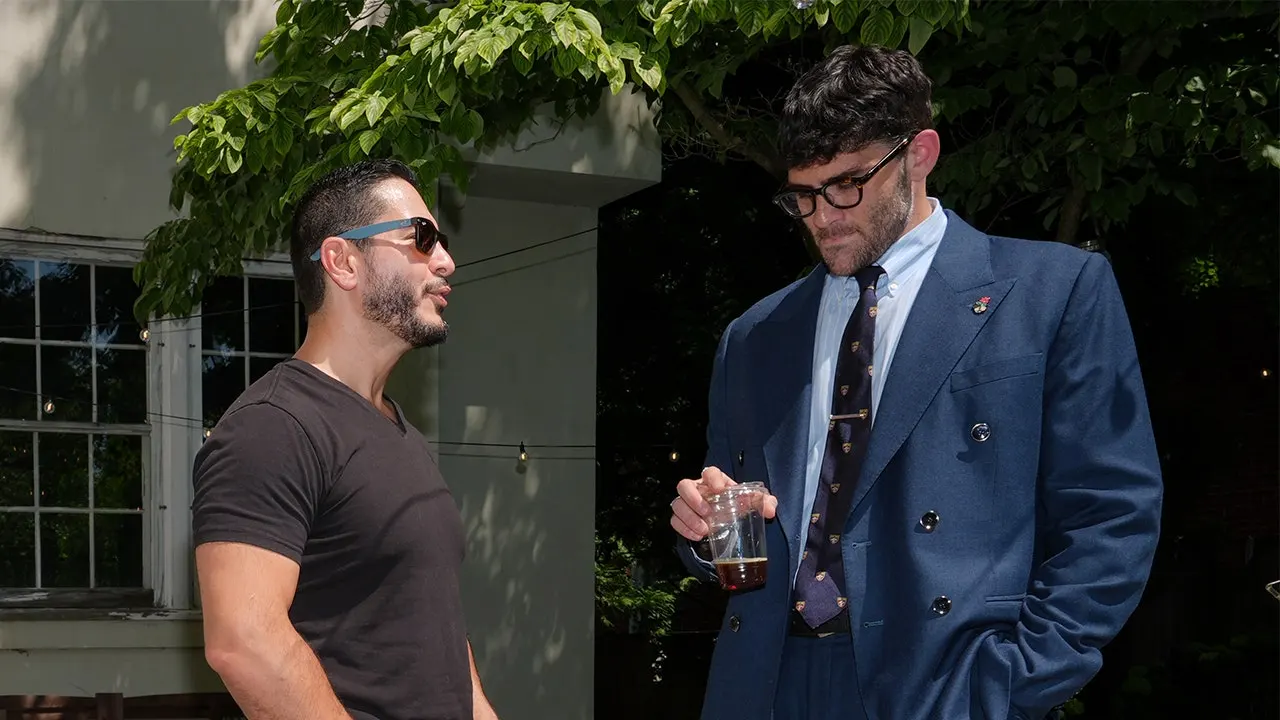
These optics have created a persistent narrative problem for the campaign. As El-Sayed transitioned from the primary to the general election, he has sought to maintain his base of young, digitally active supporters while simultaneously reaching out to moderate voters in a swing state. The presence of a surrogate who has famously declared that “America deserved 9/11” and has expressed support for authoritarian figures like Mao Zedong has provided Republican opponents with substantial material to challenge El-Sayed’s mainstream viability.
The Anatomy of the Controversy
Piker’s commentary in the Axios interview focused heavily on the humanitarian consequences of U.S. military operations. Referencing a 2026 strike in Minab, Iran, which the United Nations later cited as having "reasonable grounds" to be investigated as a war crime, Piker argued that the nature of the conflict blurred the lines between state warfare and terrorism.
"There’s no distinction between blowing up a school, triple-tapping it with Tomahawk missiles. If you’re killing 140 school girls, that is an act of terror," Piker stated. He further claimed that these foreign policy decisions have domestic ramifications, arguing that such actions foster an environment of instability that eventually impacts the American "home front."
While Piker clarified that he does not view every American citizen as a terrorist, his insistence on framing U.S. military engagement as fundamentally terroristic has sparked immediate backlash. Critics argue that his rhetoric, which frequently includes derogatory remarks about Western institutions and capitalist systems, represents a radical departure from the discourse expected of candidates for the U.S. Senate.
Campaign Response and Strategic Distance
El-Sayed’s campaign has adopted a strategy of compartmentalization. When approached by the media, the campaign has consistently attempted to distance the candidate from Piker’s personal views while simultaneously refusing to explicitly denounce the streamer.
In a written response to Axios, the campaign stated, "I do not agree with this statement [on al-Qaeda], nor do I give much weight to the statements made by a social media streamer. I am more concerned with the dangerous policies of Donald Trump and Mike Rogers that are raising the prices of gas, groceries and healthcare for Michiganders."
This response, repeated to Fox News Digital on Thursday, illustrates the candidate’s desire to focus on "kitchen table" economic issues—inflation, healthcare, and cost-of-living concerns—which polling suggests are top priorities for Michigan voters. However, the efficacy of this strategy is being tested by the candidate’s physical proximity to Piker.
On Wednesday, during a trip to Washington, D.C. to meet with Democratic power brokers at the Democratic Senatorial Campaign Committee (DSCC) headquarters, El-Sayed was confronted on camera by reporters regarding his association with Piker. He declined to answer, choosing instead to enter the building, where he met with sitting Democratic senators. Later that day, reports surfaced that El-Sayed’s staff had restricted access for certain media outlets during an informal press availability, further fueling speculation that the campaign is struggling to manage the optics of the ongoing controversy.
Broader Implications for Digital-Age Campaigns
The situation in Michigan serves as a case study for the risks and rewards of relying on non-traditional influencers in political campaigning. In recent years, candidates have increasingly turned to streamers, podcasters, and social media personalities to bypass traditional media gatekeepers and engage directly with younger demographics.
However, this strategy carries inherent risks. Unlike professional political consultants or media surrogates, internet personalities often operate without the guardrails of traditional political messaging. Their brands are built on authenticity, controversy, and provocative takes—traits that can become liabilities when a candidate is forced to answer for them in a general election context.
Political analysts suggest that the "Piker-El-Sayed" dynamic could be a pivotal factor in the Michigan race. In a state that is often decided by a narrow margin of voters, the alienation of moderate Democrats or independents by way of association with radical commentary could prove costly. Conversely, the campaign is clearly betting that the intensity of its grassroots base, mobilized in part through digital channels, will outweigh the political fallout of these controversial associations.
Data and Electoral Context
Michigan’s Senate seat is one of the most closely watched contests in the country. The state’s history of shifting between parties in presidential and congressional elections necessitates a broad coalition for any candidate.
Current polling data indicates that while economic anxiety remains the primary driver for voters, the "character and associations" of candidates play a significant role in undecided voters’ decision-making processes. As the general election approaches, the El-Sayed campaign will need to determine whether the continued strategy of deflection is sufficient, or if a more definitive break from Piker is required to secure the middle-of-the-road voters necessary for victory.
For now, the story remains a high-tension display of how digital-era rhetoric collides with the realities of American electoral politics. As the campaign continues, the pressure on El-Sayed to reconcile his base’s digital influencers with the expectations of a broader electorate will likely remain a defining narrative of his candidacy. Whether this association becomes a mere footnote or a fatal flaw remains to be seen in the coming months as the election draws nearer.

