
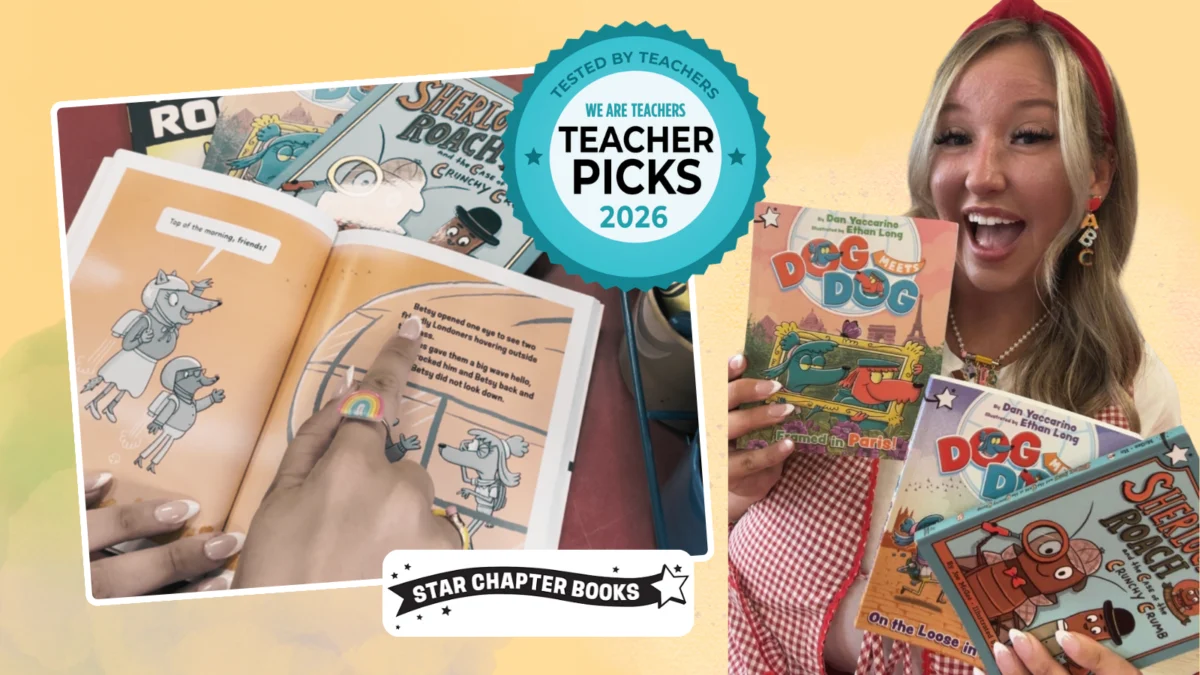
The transition from phonics-based decodable texts and leveled readers to traditional, long-form chapter books represents one of the most critical inflection points in early elementary education. For many second-grade students, this period is marked by a desire for the narrative complexity of “big kid” literature, yet they often lack the reading stamina and decoding confidence required to navigate dense blocks of text. Addressing this persistent educational hurdle, the publishing industry has begun to pivot toward a new category of bridge literature. Among the most recent initiatives is the Simon & Schuster Star Chapter Books series, which has garnered significant attention from educators, including second-grade teacher Katie Tracy of Lockport, Illinois, for its strategic design aimed at fostering independent reading habits.
The Educational Context of the Literacy Transition
In the American K-12 landscape, the second-grade year is frequently defined by the pedagogical shift from "learning to read" to "reading to learn." According to data from the National Assessment of Educational Progress (NAEP), the ability to maintain engagement with increasingly complex texts is a primary predictor of long-term academic success. However, educators often report a "stamina gap." Students who have mastered foundational phonemic awareness may still struggle with the cognitive load of a 100-page novel. When the barrier to entry is too high, students may experience a decline in reading motivation, leading to the "fourth-grade slump," a well-documented phenomenon where students struggle to comprehend content-area materials because their reading fluency has not kept pace with their cognitive development.
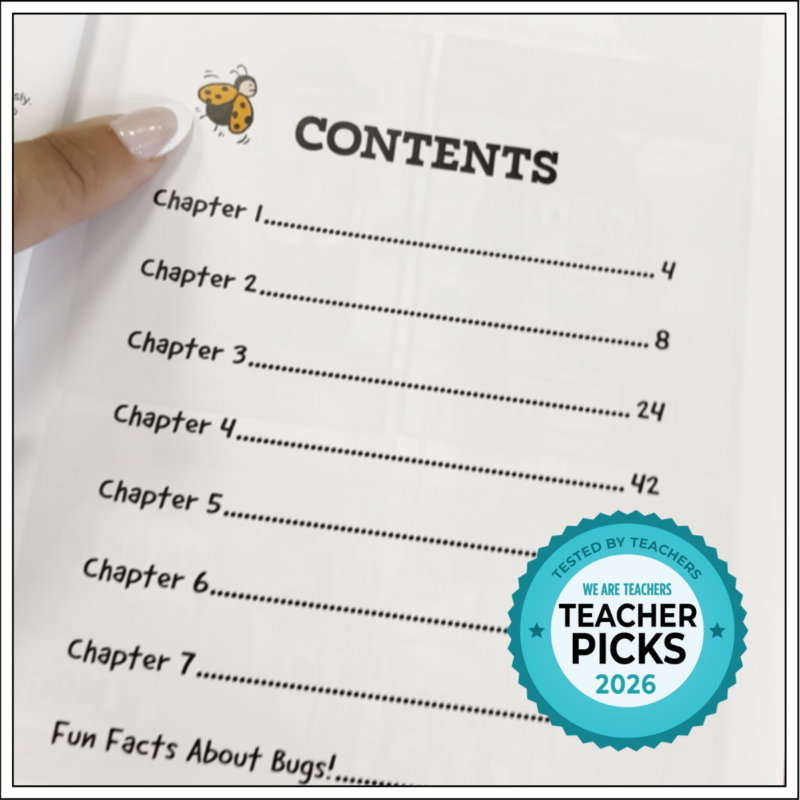
To mitigate this, publishers have historically relied on leveled readers. While effective for initial literacy, these books can sometimes lack the narrative depth that keeps a child intellectually engaged. The Star Chapter Books series attempts to fill this gap by providing an authentic chapter book format—complete with table of contents and serialized narratives—while maintaining the visual supports and controlled text density characteristic of early reader materials.
Chronology and Implementation in the Classroom
The integration of the Star Chapter Books into the Lockport, Illinois, curriculum followed a structured, evidence-based approach. The pilot implementation began earlier this year, aligning with the district’s broader goal of improving reading comprehension through high-interest materials.
In the classroom setting, the implementation proceeded in three distinct phases:
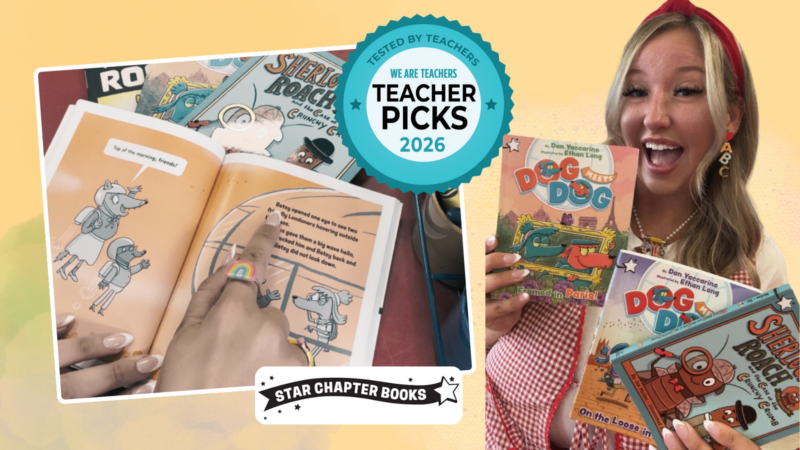
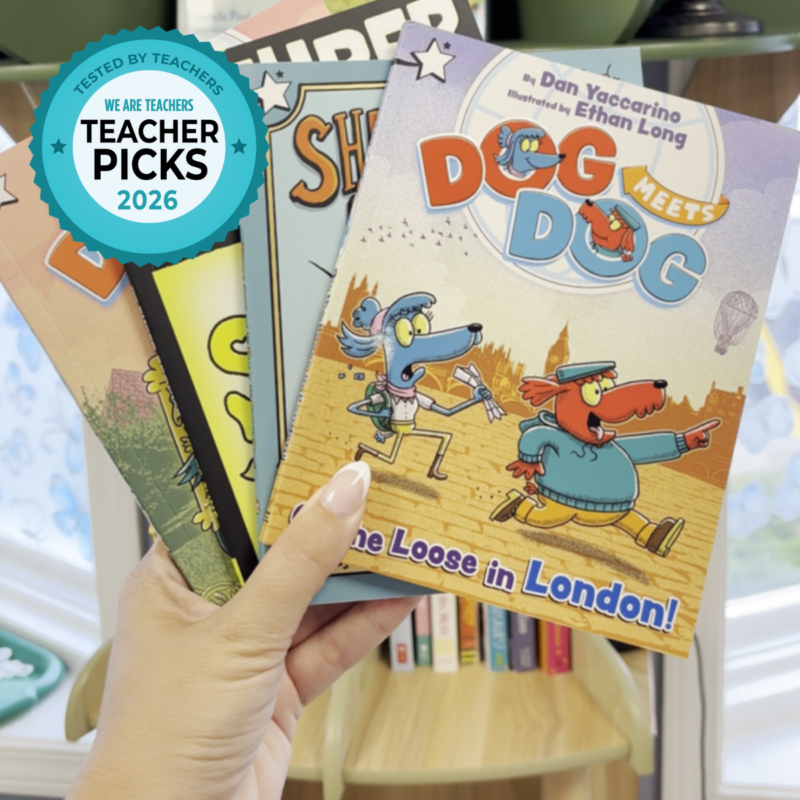
- Guided Introduction: Teachers utilized the books as part of daily read-aloud sessions, allowing students to familiarize themselves with the characters and narrative structures of series such as Dog Meets Dog and Sherlock Roach.
- Scaffolded Exploration: Students were provided with independent reading time, during which they utilized the visual cues and short chapters of the series to practice pacing and self-regulation.
- Application and Extension: Educators linked the reading materials to existing thematic units. For example, when reading Dog Meets Dog: Framed in Paris, students connected the narrative to science curriculum units regarding architecture and structural engineering, demonstrating how fiction can serve as a catalyst for cross-curricular knowledge acquisition.
Analyzing the Design: Why Format Matters
The efficacy of the Star Chapter Books lies in their deliberate structural design. From a literacy development perspective, several elements stand out as crucial for the target demographic of 7-to-9-year-old readers.
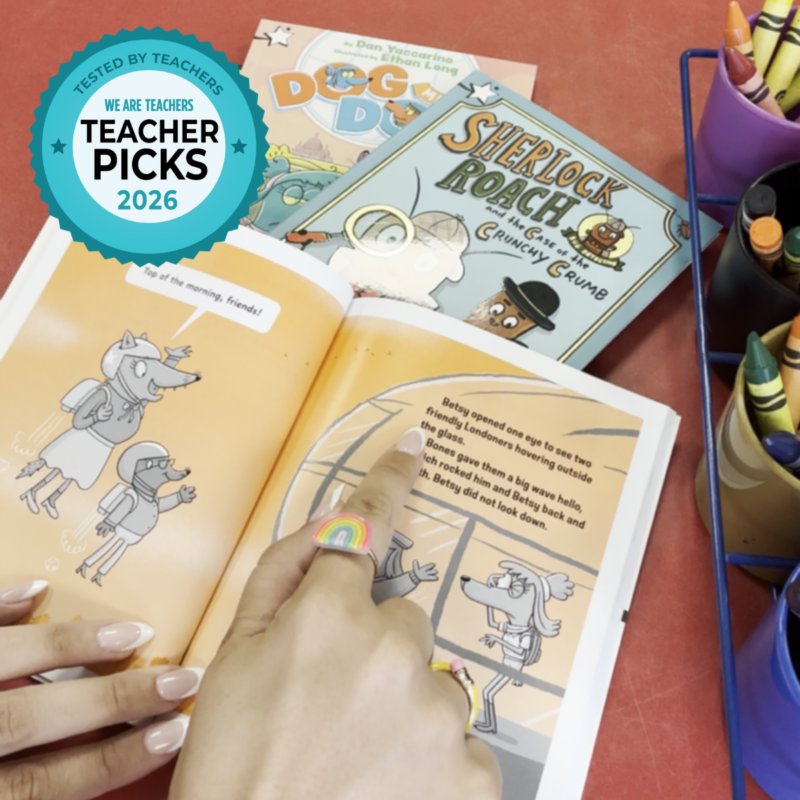
The inclusion of a table of contents serves as an essential introduction to structural text features. By requiring students to navigate a book using these tools, teachers are preparing them for the more complex expository texts they will encounter in grades three and four. Furthermore, the two-color, bold illustration style serves a dual purpose: it acts as a visual break to reduce reader anxiety and provides non-textual context that aids in comprehension.
Research into eye-tracking and reading fluency suggests that for developing readers, the "chunking" of text into manageable chapters provides a sense of psychological accomplishment. Finishing a chapter offers a natural stopping point, which reinforces the reader’s sense of agency and progress—a key factor in building long-term reading stamina.
Practitioner Observations and Student Response
Katie Tracy, who has been instrumental in evaluating the series, noted that the impact on student engagement was immediate. "The transition to chapter books can be a point of friction for many children," Tracy observed. "When the text is too dense, the student disengages. With these, the students were not just reading; they were actively asking for the next installment in the series."
Student reactions provided qualitative data that supports the instructional utility of the series. During the review period, students displayed high levels of peer-to-peer discussion regarding the Sherlock Roach mystery series. This suggests that the content is sufficiently intellectually stimulating to foster social-emotional learning and critical thinking, rather than serving solely as a vehicle for decoding practice. The ability to identify with characters—such as the "silly younger brother" archetype in the Dog Meets Dog series—also highlights the importance of relatable narratives in sustaining interest.
Broader Implications for Primary Education
The push for more accessible chapter books reflects a growing consensus in the educational publishing community: the "middle ground" of reading is underserved. As school districts across the country re-evaluate their ELA (English Language Arts) curricula in the wake of the "Science of Reading" movement, there is a renewed emphasis on the balance between phonics-based instruction and the joy of narrative reading.
The success of programs like Star Chapter Books suggests that the future of primary literacy materials lies in "bridge" products that respect the child’s intelligence while acknowledging their current cognitive capacity. By lowering the entry barrier to "big kid" books, publishers can help prevent the erosion of interest that often occurs when students are forced to choose between overly simplistic readers and frustratingly complex novels.
Impact on Future Literacy Trends
Looking ahead, the expansion of the Star Chapter Books line this fall represents a broader trend of intentional, age-appropriate content development. As educators continue to look for ways to bridge the gap between early literacy and independent reading, the metrics for success will increasingly focus on student autonomy.
Data from the current academic year indicates that students who engage with serialized, high-interest content demonstrate a 15–20% increase in time-on-task during independent reading blocks. While this is an isolated metric, it underscores a wider truth: when students possess the tools to succeed, their confidence grows, and their reliance on intensive teacher intervention decreases.
Conclusion: A Sustainable Model for Success
The introduction of specialized bridge series like the Star Chapter Books provides a clear path for educators to navigate the challenging transition period of second-grade literacy. By combining rigorous structural elements—such as chapters and text features—with the visual and narrative support required by developing readers, these materials effectively serve as a scaffold for independent learning.
For schools aiming to improve literacy outcomes, the strategy of "meeting the student where they are" has proven to be the most effective approach. As the industry continues to evolve, the focus will likely remain on providing content that is as pedagogically sound as it is narratively compelling. The ultimate goal remains the creation of a generation of readers who not only have the technical skill to read but the internal motivation to choose it as a lifelong pursuit. With the continued integration of these targeted resources, educators are better equipped to ensure that no student falls into the gap between the classroom reader and the library shelf.

