
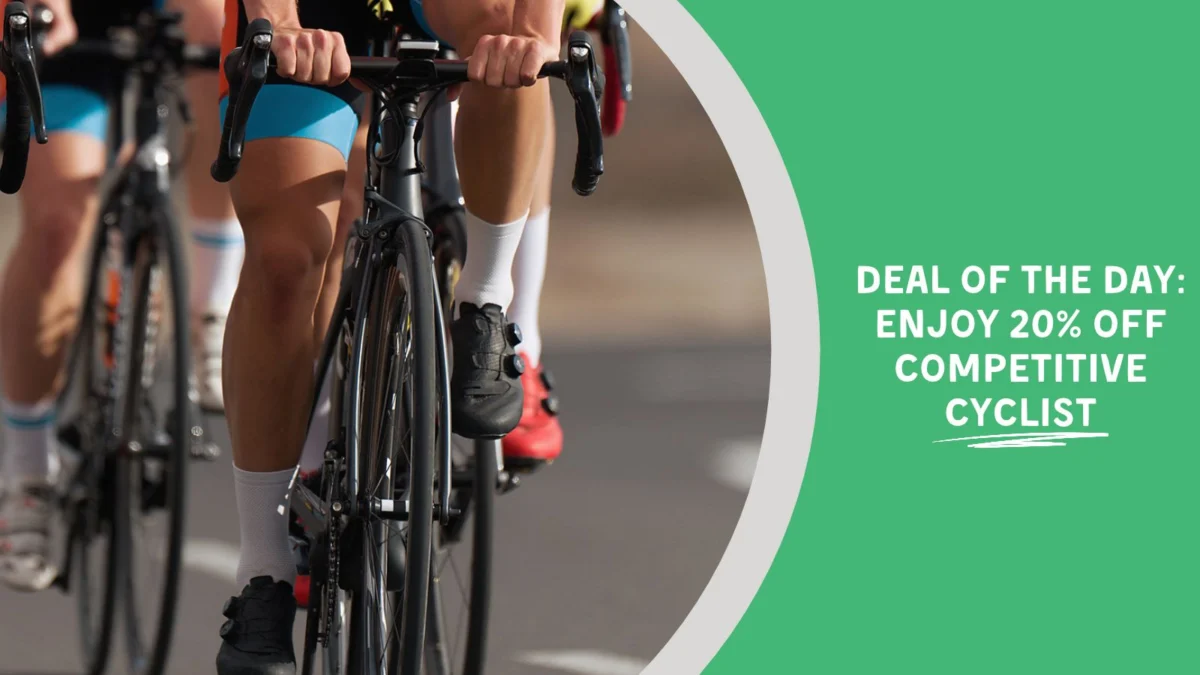
The landscape of recreational cycling has undergone a significant transformation over the past decade, evolving from a niche hobby into a primary mode of transportation and a preferred method for physical and mental health maintenance for millions. However, as the sport has matured, the financial barrier to entry has escalated alongside technological advancements in bicycle engineering, safety equipment, and performance apparel. Recognizing these economic constraints, Competitive Cyclist, a leading online retailer of premium cycling gear, has launched a dedicated discount initiative aimed at educators. This program provides eligible teachers with a 20 percent reduction on full-price items, facilitating greater access to high-quality cycling equipment for a profession that is often noted for its high-stress environment and modest compensation structures.
The Financial Realities of Modern Cycling
To understand the necessity of such incentive programs, one must examine the current market costs associated with cycling. According to industry reports from the National Bicycle Dealers Association (NBDA), the average price of a high-performance bicycle has risen steadily due to supply chain complexities and the integration of advanced materials like carbon fiber and electronic shifting components. Beyond the frame, essential safety gear—including MIPS-rated helmets, high-visibility clothing, and precision-engineered footwear—often requires a substantial initial investment.
For the average educator, whose salary often fails to keep pace with inflation, the cost of entering or maintaining a commitment to cycling can be prohibitive. Competitive cycling requires frequent maintenance and replacement of consumable parts such as tires, chains, and cassettes. When these costs are aggregated, the annual expense for a regular commuter or weekend enthusiast can reach into the thousands of dollars. By offering a 20 percent discount, Competitive Cyclist effectively lowers the total cost of ownership for teachers, potentially encouraging more educators to adopt cycling as a sustainable and health-conscious lifestyle choice.
Chronology and Evolution of Retail Incentive Programs
The integration of professional-status verification into e-commerce checkouts is a relatively recent phenomenon, driven largely by the rise of identity-verification platforms like ID.me. Historically, discounts for educators were localized, often limited to small, independent bike shops offering sporadic seasonal sales. The transition toward a standardized, nationwide digital discount program marks a shift in how retailers approach customer loyalty and corporate social responsibility.
In early 2023, industry trends indicated a plateau in pandemic-era cycling growth, prompting retailers to pivot toward retention strategies. Competitive Cyclist’s decision to formalize this teacher discount reflects a broader strategic alignment with professional demographics. By partnering with verification services, the company has streamlined the process, ensuring that the discount is reserved for verified K-12 and university educators. This move aligns with a broader industry trend where outdoor retailers—including competitors like Backcountry and REI—have sought to cultivate community-centric brand identities by rewarding public service professions.
Supporting Data on Educator Well-being and Physical Activity
The correlation between physical activity and professional performance in the education sector is well-documented. Research published in the Journal of Occupational Health suggests that teachers who engage in regular cardiovascular exercise report lower levels of burnout and improved emotional regulation in the classroom. Cycling, in particular, offers a low-impact, high-reward form of exercise that allows educators to decompress after the cognitive demands of the school day.
Furthermore, data from the Centers for Disease Control and Prevention (CDC) indicates that active commuting—biking to work—can significantly reduce the risk of chronic conditions such as hypertension and Type 2 diabetes. By making the necessary equipment more affordable, Competitive Cyclist is indirectly contributing to the wellness of the teaching workforce. With teacher retention remaining a critical issue in modern school districts, providing affordable access to hobbies that promote mental and physical longevity serves as a modest, yet tangible, benefit to the profession.
Mechanics of the Competitive Cyclist Discount Program
The program utilizes the ID.me verification gateway, which is widely considered the industry standard for secure digital identity confirmation. Educators are required to register through the portal, where they provide documentation confirming their employment at an accredited educational institution. Once verified, the 20 percent discount is automatically applied to eligible full-price merchandise during the checkout process.
It is important to note the scope of this offer. While the discount applies to a broad range of high-performance gear, it is typically restricted to full-price items and may exclude specific high-demand bicycle frames or already discounted clearance stock. This structure allows the retailer to manage inventory margins while still providing meaningful value to the consumer. For teachers looking to upgrade their components or invest in professional-grade apparel, this program represents one of the most significant recurring discounts available in the cycling retail sector.
Broader Implications for the Cycling Industry
The expansion of these types of programs suggests that the cycling industry is moving toward a more inclusive marketing model. For years, the industry faced criticism for catering primarily to affluent enthusiasts. The introduction of tiered discounts for teachers, healthcare workers, and first responders serves to diversify the cycling community. When educators, who are often pillars of their local communities, are seen utilizing high-quality equipment, it fosters a culture of cycling that can influence students and peers alike.
From an economic perspective, the move is a strategic play to capture a demographic that values longevity and quality. Teachers tend to be research-oriented consumers who prioritize value over fast-fashion trends. By aligning with this group, Competitive Cyclist is likely seeking to build long-term brand loyalty. If the program proves successful in driving volume, it is highly probable that other cycling retailers will follow suit, further normalizing the professional-discount model within the outdoor and sporting goods space.
Analyzing the Impact on Local Cycling Culture
Beyond the individual savings, the cumulative impact of such programs on local cycling culture is worth noting. Teachers often serve as role models within their districts. When they engage in cycling—whether through mountain biking, road racing, or commuting—it highlights the viability of these activities to the younger generation. The "trickle-down" effect of educator participation in cycling can lead to an increase in school-based cycling clubs and youth advocacy for safer cycling infrastructure in local communities.
Retailers like Competitive Cyclist play an essential role in this ecosystem by providing the technical expertise and high-end inventory that allow enthusiasts to grow. By removing the financial hurdle, they are effectively lowering the threshold for entry, allowing more individuals to pursue a sport that has historically been segmented by cost.
Conclusion and Future Outlook
The launch of the 20 percent educator discount by Competitive Cyclist is a positive development for the cycling industry, reflecting a growing awareness of the financial realities faced by public service workers. As the retail landscape continues to evolve, such initiatives are likely to become more prevalent, serving as a bridge between high-performance equipment and the everyday consumer. For the educator who relies on the meditative nature of a long ride to balance the demands of the classroom, this program offers a practical, and much-needed, financial relief.
As the cycling season progresses, educators are encouraged to utilize the ID.me verification tool to confirm their eligibility and take advantage of these savings. While individual financial impacts may vary based on the specific equipment purchased, the long-term benefit of fostering a healthier, more active educator population is an outcome that benefits the broader community. Future developments in this space will likely involve the expansion of these discounts to other public service sectors, further cementing the role of cycling as an accessible, health-focused activity for all professionals. As the market matures, the expectation remains that retailers will continue to find innovative ways to integrate their corporate goals with the needs of the communities they serve, ensuring that the joy of two wheels remains within reach for those who dedicate their lives to the service of others.

