
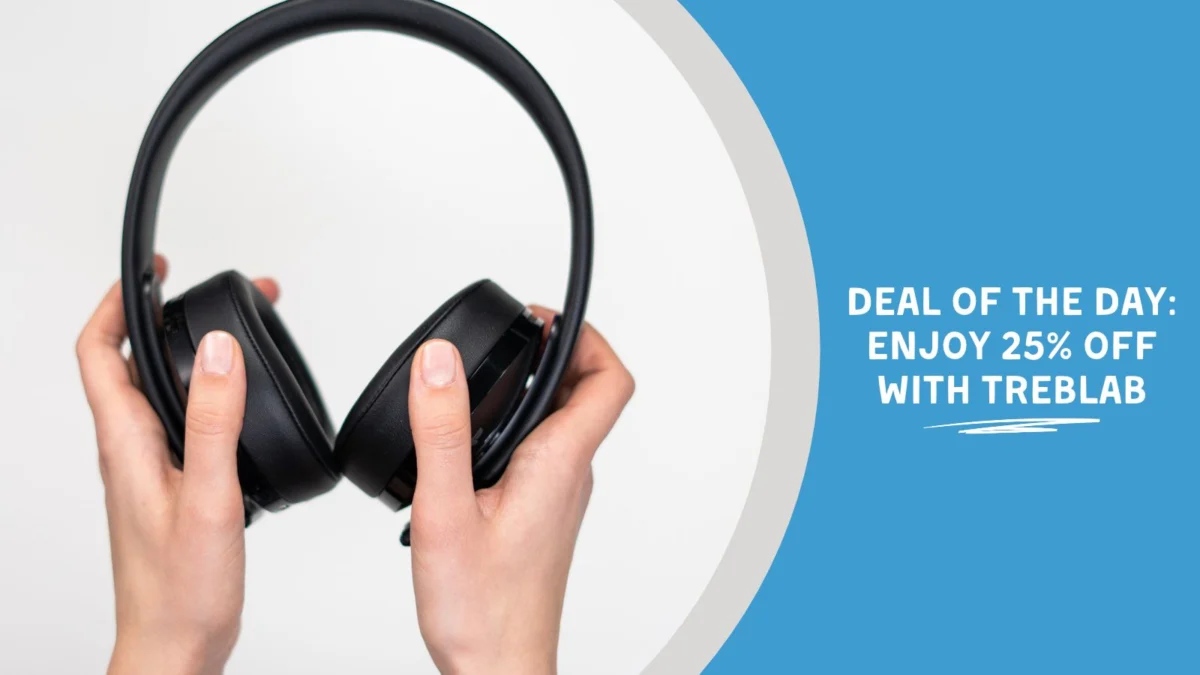
Modern education demands a versatile toolkit that extends well beyond traditional textbooks and whiteboards. As the classroom environment increasingly integrates digital media, multimedia instruction, and remote learning components, educators are finding that high-quality audio equipment has become an essential utility rather than a luxury. Recognizing this shift in the professional requirements of the teaching profession, audio electronics manufacturer TREBLAB has officially launched a dedicated discount program, offering verified educators a 25% reduction on their full catalog of wireless headphones, earbuds, and portable speakers.
The initiative, managed through the digital identity verification service ID.me, aims to alleviate the financial burden often shouldered by teachers who purchase their own supplies. By providing a significant price incentive, the company seeks to assist educators in acquiring reliable technology for both professional tasks—such as virtual conferencing and classroom audio management—and personal well-being.
The Evolution of Classroom Audio Technology
The integration of audio-visual technology in schools has undergone a rapid transformation over the last decade. In the early 2010s, classroom audio was largely limited to stationary speakers wired into desktop computers or overhead projectors. Today, the landscape is defined by mobility and wireless connectivity.
According to market research on educational technology, the shift toward "Bring Your Own Device" (BYOD) policies and the necessity for high-fidelity sound during hybrid learning sessions have pushed teachers to seek portable, noise-canceling, and Bluetooth-enabled audio solutions. Research conducted by the National Education Association (NEA) suggests that teachers spend, on average, several hundred dollars annually of their own income on classroom resources. While this typically covers physical supplies like stationery, the growing trend of "digital resource investment" has expanded to include software subscriptions and personal hardware that enhances the efficiency of lesson delivery.
TREBLAB’s decision to offer a tiered discount specifically for the education sector aligns with a broader corporate movement to support public service professionals. By leveraging ID.me, the company ensures that the benefit is restricted to verified educational staff, maintaining the integrity of the offer while streamlining the redemption process for the end user.
Chronology of the Incentive Program
The implementation of this discount follows a multi-year trend of tech companies tailoring their pricing models to accommodate the specific needs of K-12 and higher education professionals.
- Early 2020: The sudden transition to remote learning necessitated a surge in demand for noise-canceling headsets and external microphones, highlighting a gap in the affordability of high-end audio gear for educators.
- 2021-2022: As hybrid learning became the standard, manufacturers began to recognize teachers as a distinct consumer demographic with specific technical requirements, such as long battery life and multi-point connectivity.
- Late 2023: TREBLAB evaluated its consumer data, noting a significant increase in inquiries regarding professional-grade audio equipment from educators who were utilizing the devices for both grading sessions in public spaces and instructional activities in the classroom.
- Current Period: The formalization of the 25% discount program through the ID.me portal provides a secure, automated pathway for educators to access these tools at a reduced cost, marking the latest phase in the company’s outreach to the public sector.
Technical Implications for the Modern Classroom
The importance of audio quality in a pedagogical setting cannot be overstated. From a technical standpoint, the use of active noise-canceling (ANC) technology allows educators to maintain focus while grading in high-traffic environments, such as coffee shops or busy faculty lounges. Furthermore, for language teachers and music instructors, the fidelity of sound produced by portable speakers is critical for accurate pronunciation modeling and rhythmic instruction.
The equipment offered by TREBLAB—which includes compact speakers and lightweight, wireless earbuds—addresses the need for portability. In a typical school day, an educator might move between multiple classrooms, lecture halls, and offices. The reliance on wired equipment, which is prone to fraying and entanglement, is increasingly being replaced by Bluetooth 5.0 and higher protocols that offer stable, long-range connectivity.
Data from the electronics industry indicates that teachers who utilize high-quality audio equipment report higher levels of satisfaction with their lesson delivery, particularly when incorporating podcasts, audiobooks, or interactive multimedia files into their daily curriculum. By reducing the ambient noise that often accompanies busy school environments, these devices allow for a more immersive and controlled educational experience.
Official Responses and the Verification Process
The program is structured to minimize the administrative burden on the educator. By partnering with ID.me, TREBLAB bypasses the need for manual review of employment documents, which can often be cumbersome for both the company and the applicant.
While individual company representatives rarely comment on specific promotional margins, industry analysts suggest that such programs are a strategic move to build brand loyalty within the education sector. Teachers represent a demographic that highly values durability, reliability, and customer service—traits that, when associated with a brand, can lead to long-term purchasing cycles.
To verify eligibility, educators are directed to the TREBLAB-specific ID.me landing page. The process typically requires the user to log in or create an ID.me account and provide documentation confirming their current employment status, such as an official pay stub, an active school email address, or a faculty identification card. Once the verification is processed—a step that usually takes only a few minutes—a unique discount code is generated for the user to apply at checkout.
Broader Impact and Economic Considerations
The ripple effects of this discount extend beyond the individual teacher’s pocketbook. When educators are provided with the necessary tools to perform their duties more efficiently, the quality of instruction often improves. The ability to seamlessly cue up music for a transition, conduct a remote meeting with parents without technical interference, or record high-quality audio feedback for student assignments contributes to a more professional and streamlined workflow.
Furthermore, the initiative highlights the ongoing debate regarding the "teacher supply gap." As states and districts grapple with budgets, the reliance on external private entities to subsidize professional equipment has become a standard, if not ideal, practice. While a 25% discount does not replace systemic funding, it does provide a meaningful cushion for professionals who are often required to balance an ever-increasing digital workload with static or stagnant salary growth.
Future Directions for Educational Discounts
Industry experts predict that as the classroom continues to digitize, similar discount models will likely expand to include a wider range of hardware, including tablets, high-resolution cameras for document scanning, and specialized software. The success of the TREBLAB model suggests that companies prioritizing the "teacher-user" experience through secure, identity-verified discounts are well-positioned to capture a loyal segment of the professional market.
As we look toward the remainder of the academic year, the accessibility of such deals will continue to be a subject of interest for school boards, parent-teacher associations, and individual educators alike. For those seeking to optimize their classroom environment, the availability of professional-grade audio gear at a reduced cost represents a significant development in the broader effort to support those working on the front lines of education.
Educators interested in the program are encouraged to review the full list of eligible products on the TREBLAB website to ensure that the hardware aligns with their specific classroom or personal requirements. As the digital transformation of the classroom persists, the intersection of consumer technology and public service remains a vital area for ongoing development and support. The company has indicated that they welcome feedback from the educational community regarding which additional products or services would be most beneficial to include in future deal roundups, emphasizing a collaborative approach to supporting the needs of the teaching profession in the 21st century.

