
Jamila Chambers, executive director of the Hameetman Career Center at Occidental College, remembers a time when the corporate recruitment landscape was defined by proactive outreach. Recruiters would descend upon the Los Angeles campus with a singular, stated mission: to build a workforce that mirrored the diversity of the nation. They held information sessions for first- and second-year students, hosted job shadowing programs, and explicitly targeted students from underrepresented backgrounds—including Black, Latino, first-generation, and LGBTQIA+ populations. Today, Chambers describes those once-vibrant pipelines as having “dried up,” replaced by a quiet, pervasive caution.
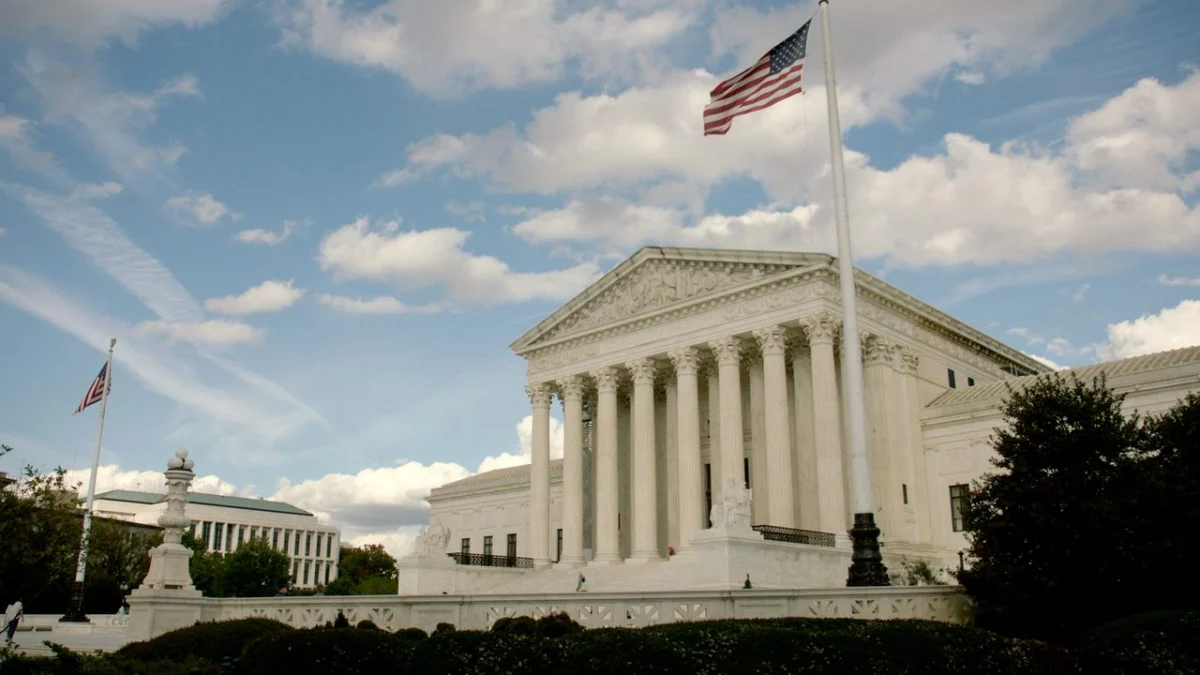
This transition marks a profound shift in the American professional landscape, one spurred by the 2023 Supreme Court decision to strike down race-conscious admissions in higher education. While the ruling, Students for Fair Admissions v. Harvard, technically applied only to college admissions, its ripple effects have surged into the private sector. Driven by legal anxiety and a new federal regulatory environment, companies are dismantling diversity, equity, and inclusion (DEI) initiatives, fundamentally altering the trajectory for the next generation of college graduates.
A Chronology of Retrenchment
The erosion of institutional support for diversity did not happen in a vacuum; it is the culmination of a multi-year legal and political campaign.
- June 2020: The murder of George Floyd sparks a national reckoning, leading hundreds of corporations to pledge billions of dollars toward racial justice initiatives, internal hiring targets, and partnerships with minority-serving institutions.
- June 2023: The Supreme Court issues its landmark ruling, effectively ending race-conscious admissions at colleges and universities. While the opinion did not explicitly address private-sector employment, it provided a legal roadmap for conservative activists to challenge any workplace program that considers race as a factor.
- January 2025: In the opening weeks of his second term, President Donald Trump signs an executive order declaring DEI programs across federal agencies and contractors to be “discriminatory and illegal.” The order exerts immense pressure on private employers, including large nonprofits and publicly traded corporations, to abandon race-conscious recruitment.
- 2026–Present: A steady stream of major corporations—including household names in tech, retail, and finance—quietly scrub diversity language from their websites and recruitment materials to avoid potential litigation or political scrutiny.
Data Trends: The Narrowing Pipeline
The quantitative impact of these changes is becoming increasingly visible in the data. According to a study by the Burning Glass Institute, which tracked the career paths of 300,000 college graduates between 2023 and 2025, the share of entry-level hires sourced from a small cluster of elite, largely private colleges rose by nearly 33 percent. As companies retreat from broader recruitment nets, they are increasingly relying on “prestige-based” hiring, which inherently favors students from institutions with lower diversity rates.
Further evidence comes from Veris Insights, which found that in 2022, nearly 60 percent of major employers identified diversity as a primary factor in determining which campuses to visit for recruiting. By 2025, that figure had plummeted to 31 percent. Simultaneously, the number of companies recruiting exclusively from a narrow list of select universities climbed from 17 percent to 26 percent.

The National Association of Colleges and Employers (NACE) has noted a corresponding shift in the demographic makeup of corporate internships. Between 2021 and 2024, white students typically represented 50 to 53 percent of corporate interns. In the 2024–2025 cycle, that share rose to 59 percent. While labor market volatility and inflation contribute to these trends, analysts suggest that the cooling of dedicated diversity pipelines is a primary driver.
The Institutional Retreat
The response from colleges and universities has been characterized by a defensive posture. At the University of California, Berkeley—a system that has been operating under a state-level ban on affirmative action since 1996—career center staff report that federal agencies, including the State Department and the Peace Corps, have ceased explicit diversity-based recruiting.
At San Jose State University, the shift is operational. Lisa Trikofski, assistant director of employment engagement, notes that the career center has been forced to rename programs, stripping away references to “diversity” in favor of more neutral branding, such as “October Fest job and internship fair.” This rebranding is a direct response to the fear that maintaining explicit DEI programs could invite federal investigations or legal challenges under the current administration’s interpretation of anti-discrimination law.
Many of the largest employers in the country, including Meta, Google, Walmart, Target, and Goldman Sachs, have largely declined to comment on their current recruiting strategies. This silence contrasts sharply with the public-facing commitments these companies made in the wake of 2020. Industry experts suggest that the fear of “becoming a target” of conservative legal activist groups—who have used the Supreme Court’s college ruling as a blueprint for targeting corporate DEI—has forced a tactical withdrawal.
Conflicting Perspectives on Merit and Equity
The dismantling of these programs is supported by those who argue that race-conscious initiatives were inherently flawed. Frederick Hess, director of education policy studies at the American Enterprise Institute, contends that focusing on race or ethnicity as a primary factor in hiring undermines the pursuit of true meritocracy.
“Businesses can’t pretend that selecting employees based on skin color is a good proxy for all of the rich differences that they say they want to attend to,” Hess argued. From this perspective, the move toward color-blind hiring is viewed as a return to objective standards, where candidates are judged on their individual accomplishments rather than demographic attributes.

Conversely, sociologists and higher education experts, such as Tufts University professor Natasha Warikoo, view the current climate as a reactionary backlash. Warikoo notes that the previous emphasis on racial justice was seen by many institutions as a “moral imperative.” The current environment, she argues, has effectively penalized students of color, who now find that the professional pathways their predecessors navigated are being systematically dismantled.
Implications for the Workforce of 2028
The full scope of these policy changes will not be definitively measured until the class of 2027—the first cohort admitted to college after the Supreme Court decision—enters the full-time workforce in 2028. However, the early indicators suggest a widening gap in professional opportunity.
For students like those at San Jose State, the message is clear: the recruitment infrastructure that once served as a bridge to corporate success is being dismantled. Winnie Tuban, a recent graduate, described the current atmosphere as “discouraging,” noting that the political “war on DEI” makes students of color feel as though they are not welcome in the elite spaces of Silicon Valley.
As federal pressure continues to mount and major corporations prioritize legal insulation over demographic outreach, the risk is a stagnation of social mobility. If the most prestigious entry-level positions remain concentrated within a shrinking circle of elite institutions, the promise of the American dream—that hard work and education lead to advancement regardless of one’s background—may become increasingly difficult to sustain.
For career center professionals like Jamila Chambers, the task has shifted from expanding opportunities to navigating a landscape of contraction. While the tools of the past are being stripped away, the mandate to support the next generation remains. As Chambers noted, referencing the civil rights struggle of the 1960s, the current climate is a significant hurdle, but one that educators and students are forced to confront as they prepare for a future defined by a new, and significantly more restrictive, set of rules.

