
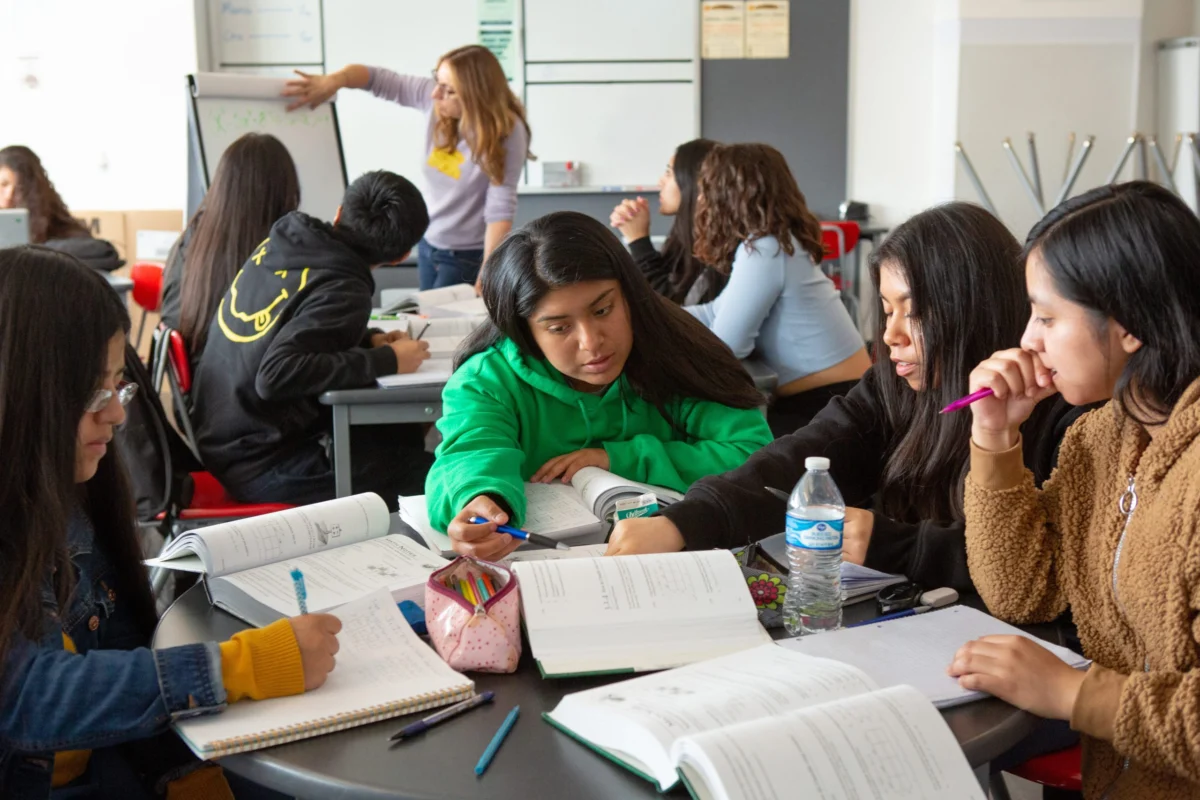
The modern educational paradigm is built upon a foundation of curriculum mastery: students spend thousands of hours from kindergarten through twelfth grade absorbing algebra, chemistry, literature, and history. Yet, as they progress through these rigorous academic milestones, a fundamental piece of the cognitive puzzle is frequently missing. While schools are adept at delivering content, they are significantly less effective at teaching the mechanisms of the human brain—how memory is formed, how attention is sustained, and how physiological stressors like sleep deprivation and anxiety dictate academic performance.
This systemic oversight leaves a generation of students to conclude that their academic struggles are a reflection of innate ability rather than a lack of cognitive training. When a student fails a high-stakes exam after a night of frantic cramming, the common narrative suggests they simply did not study hard enough. However, neuroscience suggests the failure is often one of strategy, not effort.
The Cognitive Gap in K-12 Education
The disparity between academic expectations and cognitive literacy is particularly pronounced in under-resourced communities. Data from the National Center for Education Statistics highlights that students in high-poverty districts often face multiple layers of systemic barriers, ranging from food insecurity to inconsistent access to extracurricular academic support. When these environmental factors are compounded by a lack of "brain health literacy," the achievement gap widens.
For many students, the trial-and-error approach to studying is the only path available. A student might spend eight hours reading a textbook, only to retain a fraction of the information because they are unaware of evidence-based techniques like spaced repetition or active recall. Without formal instruction on how the brain processes information under stress, these students are at a distinct disadvantage compared to peers who may have been exposed to these strategies through private tutoring or parental guidance.
A Chronology of Advocacy and Initiative
The movement toward integrating cognitive science into the classroom began to gain significant momentum in the early 2020s, as educators and students alike sought to address the burnout epidemic following the COVID-19 pandemic.
- 2020-2021: Increased focus on student mental health reveals that test anxiety is a primary driver of academic withdrawal. Research from the American Psychological Association notes a sharp uptick in reported stress levels among high schoolers during this period.
- 2023: Victoria Ayodele, recognizing the disconnect between institutional requirements and cognitive needs, founded the NeuroPioneers Pathway. This initiative sought to bridge the gap by providing mentorship and curriculum support to underserved middle and high school students, specifically focusing on the intersection of nutrition, sleep hygiene, and memory.
- 2024-2025: Several districts begin piloting "Learning How to Learn" modules within existing advisory and health classes, moving away from the traditional, content-only model.
- 2026: Educators begin to formalize the inclusion of neuroscience-based study habits as a strategy for improving equity in standardized testing outcomes.
The Science of Performance: Why Strategy Matters
The biological reality of learning is often sidelined in favor of testing metrics. When a student approaches an exam in a state of high cortisol—the body’s primary stress hormone—the prefrontal cortex, which is responsible for executive function and working memory, can become inhibited.
Scientific literature, including studies published in journals such as Learning and Instruction, indicates that students who practice "metacognition"—thinking about their own thinking—consistently outperform those who rely on rote memorization. Metacognitive strategies include monitoring one’s level of understanding, adjusting study techniques based on progress, and acknowledging the physiological impact of sleep on neural consolidation.
Despite this, most schools have yet to formalize these concepts. The current model remains "high-stakes assessment," where students are tested on their content knowledge multiple times a year, but are rarely provided with a structured guide on how to prepare their brains for these high-pressure environments.

Implications for Educational Equity
The implications of this knowledge gap are significant for social mobility. If academic success is framed as an inherent "gift," those who struggle are more likely to internalize failure. Conversely, if schools teach that learning is a biological process that can be optimized, the focus shifts from "I am not smart enough" to "I need to refine my approach."
This is a matter of educational equity. For students navigating financial instability or complex home lives, the ability to manage focus and stress is not just an academic advantage—it is a vital life skill. When schools fail to teach these strategies, they implicitly favor students who already possess them, further cementing existing disparities.
Official Responses and Institutional Resistance
While there is growing consensus among psychologists and neuroscientists that cognitive literacy should be part of the K-12 experience, institutional resistance remains. Critics argue that adding "brain health" to an already overcrowded curriculum will detract from essential subject matter.
However, proponents argue that the two are not mutually exclusive. Integration, rather than addition, is the key. A biology teacher, for instance, can weave the science of memory into a lesson on the nervous system. A history teacher can discuss the impact of stress on historical figures during periods of conflict. By embedding these principles into the existing fabric of schooling, administrators can improve academic outcomes without adding to the instructional burden.
Looking Toward the Future
The shift toward a more holistic approach to schooling is not merely about helping students get better grades. It is about fostering lifelong learners who are capable of self-regulation and self-advocacy.
As we look toward the next decade of educational policy, the integration of neuroscience into the classroom is likely to become a central debate. The evidence is clear: the traditional method of "teaching to the test" without teaching the student how to navigate their own cognitive processes is increasingly obsolete.
To ensure that every student, regardless of their background, has a fair shot at success, the focus must shift from the output of learning to the mechanism of learning itself. By providing students with the tools to manage their attention, regulate their stress, and optimize their sleep, schools can unlock the potential of students who might otherwise be left behind.
In the end, the most important lesson a school can offer is not a specific formula or a historical date, but the realization that the brain is a dynamic organ—and that with the right strategies, every student has the capacity to master whatever they choose to learn. The transition from teaching what to learn to teaching how to learn is not just an educational upgrade; it is an essential evolution of our school systems to meet the demands of a complex and challenging world.

