
The fundamental challenge of modern education is not a lack of data, but a chronic inability to implement what that data proves to be effective. For decades, the educational landscape has been defined by shifting pedagogical trends, yet one methodology, Direct Instruction (DI), has remained a constant point of friction. Developed by Siegfried "Zig" Engelmann in the 1960s, Direct Instruction is a highly structured, teacher-led approach that emphasizes explicit skill-building and immediate feedback. Despite a massive, multi-decade evidence base demonstrating its efficacy—particularly for students from low-income backgrounds and those with learning disabilities—DI remains a rarity in the American public school system.
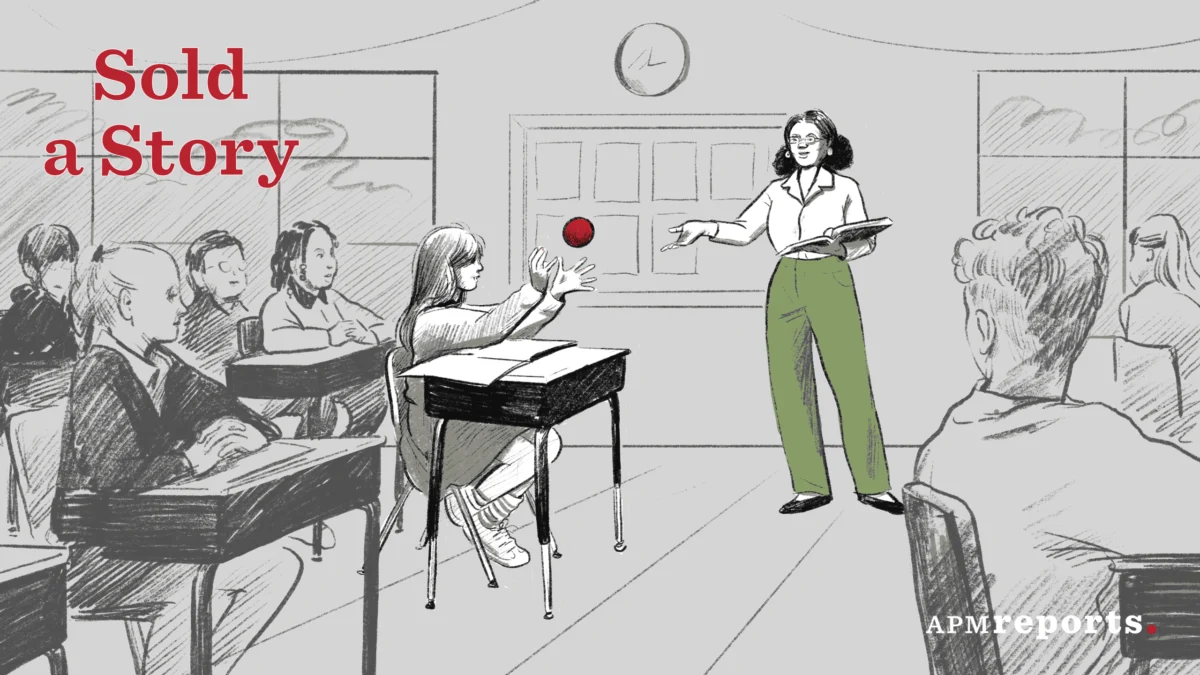
The ongoing investigative podcast Sold a Story, produced by APM Reports, has turned its focus in its second season to this pedagogical disconnect. While the first season successfully dismantled the myths surrounding balanced literacy and the "three-cueing" system, the second season tackles a deeper, more systemic issue: why schools are so resistant to adopting methods that work, and why they so frequently abandon those that do.
The Genesis and Evolution of Direct Instruction
To understand the current state of DI, one must return to the mid-1960s, specifically the era of the Great Society and the launch of Head Start. Engelmann, a researcher at the University of Illinois, sought to create a program that could close the achievement gap. His work culminated in the "Distar" program, which eventually evolved into the modern DI framework.
Unlike child-centered learning models that emphasize discovery and self-directed exploration, DI is predicated on the idea that learning is a cumulative process. It requires scripted lessons, rapid-fire questioning, and a high frequency of student response. By the early 1970s, the U.S. Office of Education launched "Project Follow Through," the largest and most expensive educational experiment in history. The goal was to determine which teaching method worked best for disadvantaged students across the nation.
The results were unequivocal: Direct Instruction outperformed every other model in basic skills, cognitive skills, and affective outcomes. Despite these findings, the educational establishment largely rejected the model, labeling it "too rigid" or "mechanistic." This resistance set the stage for a half-century of implementation struggles, where schools frequently adopt the model only to discard it within a few years as leadership changes or staff pushback mounts.
A Longitudinal Case Study: The North Carolina Exception
While most districts treat educational reforms like seasonal fashion trends, some entities have defied the pattern. A charter network in North Carolina stands as an outlier, having maintained a commitment to Direct Instruction for over 25 years. This longevity offers a unique look at what happens when a school system moves past the initial "implementation dip" and allows teachers to master the craft.
In this network, the culture of the classroom is distinct. There is no guessing game for students; the curriculum is designed to prevent misconceptions before they take root. By adhering to a rigorous, consistent pedagogical structure for more than two decades, these schools have demonstrated that the "rigidity" often criticized by skeptics is, in fact, the bedrock of student success. Teachers in these schools report that the structure does not stifle their creativity; rather, it provides a reliable scaffolding that allows them to focus on the specific needs of individual students because they aren’t tasked with reinventing the instructional wheel every day.
The Science vs. The Culture of Teaching
The disconnect between research and practice is often explained by the professional culture of teaching in the United States. Many teacher preparation programs have long prioritized constructivist philosophies—the idea that students learn best by "constructing" their own knowledge—over the explicit, teacher-led instruction that cognitive science suggests is more effective for novices.

Cognitive Load Theory, a cornerstone of modern educational psychology, supports the DI model. It suggests that human working memory is limited and that novices struggle to learn when they are forced to process too much information at once without clear guidance. Direct Instruction reduces extraneous cognitive load by breaking complex tasks into manageable components. When schools reject this, they are often rejecting the very mechanisms that allow the human brain to encode information into long-term memory.
Implications of the Implementation Gap
The cost of this rejection is significant. When school districts move away from evidence-based models, the students who suffer most are those who do not have the resources to seek supplemental tutoring or private schooling. The cyclical nature of educational reform means that every few years, a new generation of administrators attempts to "innovate" by introducing new curricula, often discarding the proven tools that preceded them.
This "churn" has several long-term implications:
- Teacher Attrition: Teachers often report feeling overwhelmed by constant changes in curriculum and instructional mandates. When schools lack a consistent, proven framework, the cognitive burden on the teacher increases, contributing to burnout.
- Achievement Stagnation: National test scores, such as the NAEP (National Assessment of Educational Progress), have remained largely stagnant for decades. While there are many factors involved, the lack of systemic consistency in how core subjects are taught is a primary contributor.
- The "Research-to-Practice" Gap: The medical field generally adopts treatments based on clinical trial outcomes. Education, however, remains susceptible to ideological shifts, where the popularity of a teaching theory often carries more weight than the empirical results associated with it.
Official Responses and the Path Forward
The dialogue surrounding Sold a Story has prompted a broader reckoning in school boards across the country. Advocates for evidence-based instruction argue that schools should be required to justify their curricula with longitudinal data, rather than anecdotal reports of student engagement.
However, administrators often point to the difficulty of training and retaining staff in high-fidelity models like Direct Instruction. The training is intensive, and the daily rigor requires a high level of commitment from faculty. Without strong administrative support and a long-term vision, DI is easily replaced by "softer" programs that are perceived as more palatable to staff and parents.
Broader Impact on the Educational Landscape
As we look toward the future of American education, the lesson of the North Carolina charter network is clear: consistency is a variable that is often overlooked in favor of flashier reforms. The implications for policy are twofold. First, state education departments must prioritize the adoption of materials that are grounded in cognitive science. Second, there must be a cultural shift in teacher preparation programs to value explicit instruction as a core competency rather than a relic of the past.
The investigative work of APM Reports serves as a mirror to the American school system. It reveals that the tools for success have been available for over half a century. The barrier to progress is not a lack of knowledge, but a reluctance to move beyond the pedagogical preferences that have dominated the field, even when those preferences fail to deliver for the students who need them most.
Ultimately, the struggle to implement Direct Instruction is a struggle for the soul of the classroom. It raises the question of whether schools should be sites of experimental discovery or reliable engines of academic proficiency. While the former sounds more appealing in a brochure, the latter is what provides students with the foundational skills necessary to navigate the complexities of the modern world. As the discourse continues to evolve, the challenge for educators will be to balance the human need for empathy and connection with the rigorous, proven structures that ensure every child learns to read, calculate, and think with clarity.

