
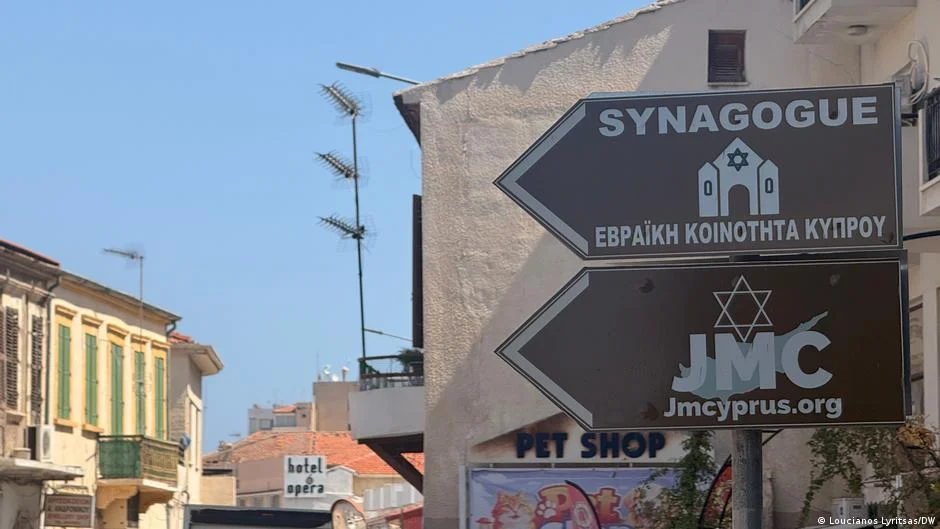
The volatile geopolitical climate in the Middle East, punctuated by the traumatic events of October 7, 2023, and the subsequent protracted conflicts, has triggered a significant demographic and economic shift in the Eastern Mediterranean. A growing number of Israeli citizens are looking toward the Republic of Cyprus, not merely as a temporary retreat or a destination for holiday investment, but as a potential permanent home and a strategic "Plan B." This migration, characterized by both capital flight and personal relocation, is reshaping local real estate markets, business sectors, and the broader socio-political fabric of the island nation.
A Chronology of Growing Ties
The current influx is not an isolated event but rather the acceleration of a trend that has been building for years. The relationship between Israel and Cyprus has long been characterized by deep economic and security cooperation. However, the escalation of the Israel-Hamas conflict served as a catalyst for a more permanent form of integration.
- Pre-2023: Cyprus had already established itself as a hub for Israeli businesses seeking access to the European Union market, capitalizing on its geographic proximity and favorable tax regime.
- October 7, 2023: The attacks in southern Israel and the subsequent war in Gaza significantly heightened the sense of existential insecurity among Israelis. In the months that followed, real estate inquiries from Israeli nationals saw a marked spike.
- 2024: The normalization of a "permanent presence" began to take root. Israeli-led infrastructure projects, including private schools and community centers, transitioned from speculative plans to active construction sites.
- 2025-2026: The debate over foreign ownership reached the floor of the Cypriot Parliament, as political factions began to grapple with the long-term implications of this sustained capital and human influx.
Economic Footprint and Real Estate Dynamics
The economic impact of this migration is visible in the physical transformation of Cyprus’s coastal cities. According to data from the Cyprus Land Registry, the districts of Larnaca, Paphos, and Limassol have recorded over 3,850 property transfers involving Israeli buyers between 2021 and 2024. While these numbers are significant, they represent only a fraction of the broader interest; reports from Israeli media outlets, such as Israel Hayom, suggest that upward of 20,000 Israelis may currently hold property on the island, many of whom utilize these assets as second homes or investment vehicles.
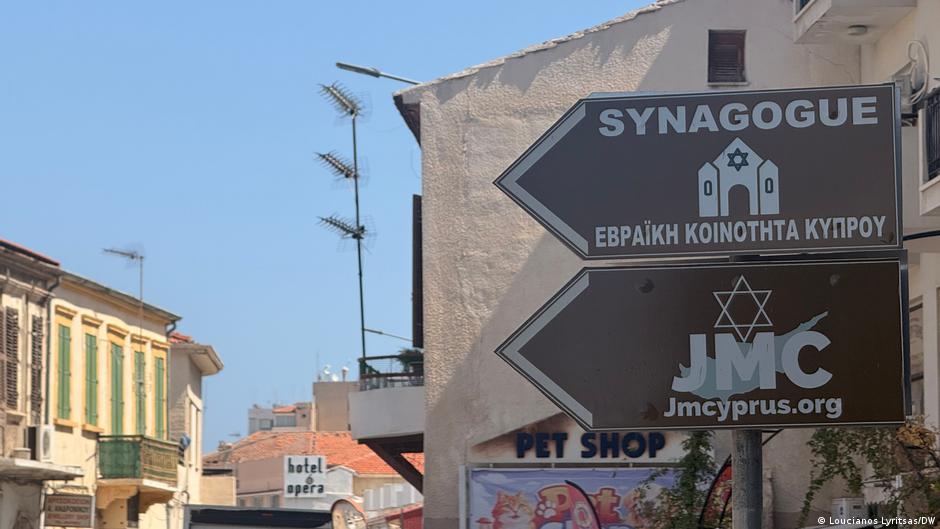
The nature of these investments has evolved from simple residential purchases to large-scale commercial developments. The Fattal hotel group, a major player in the Israeli tourism sector, has poured hundreds of millions of euros into Cypriot hospitality, signaling long-term confidence in the island’s tourism economy. Similarly, the redevelopment of the historic Palm Beach hotel in Larnaca—a project exceeding €110 million—and the development of the "Aqua Residences" represent a shift toward high-end, luxury infrastructure that caters specifically to an international clientele.
However, this rapid development has not been without controversy. Projects like the proposed revival of the abandoned village of Trozena in the Limassol district have become flashpoints for environmental and regulatory debate. When developers attempted to proceed with construction within a Natura 2000 protected area without the requisite planning permissions, it drew sharp criticism and prompted official investigations, highlighting the tension between rapid economic development and environmental preservation.
The Rise of a Parallel Infrastructure
As the Israeli population grows, the social infrastructure required to support a long-term community has emerged. This is most evident in the establishment of kosher dining establishments, specialized services, and, most notably, a planned private Jewish school in Polemidia, designed to accommodate up to 1,500 students. This move, more than any other, signals a transition from "transient expatriate" to "permanent resident."
The visibility of this presence is further amplified by political activity. The appearance of Hebrew-language campaign billboards, such as those for Gadi Eisenkot’s Yashar party, underscores the degree to which the Israeli community in Cyprus feels empowered to participate in its own political discourse while abroad.

Official Reactions and Political Polarization
The political fallout of this trend has been swift. The discourse in Nicosia is increasingly bifurcated between the government’s desire to attract foreign capital and the opposition’s concerns regarding national sovereignty and housing affordability.
The Progressive Party of Working People (AKEL) has been the most vocal critic. Secretary General Stefanos Stefanou has repeatedly cautioned against the "uncontrolled" sale of land to foreign nationals, arguing that the creation of gated, self-contained communities risks fragmenting the local demographic and driving property prices beyond the reach of the average Cypriot citizen. These sentiments are echoed by independent political figures like MEP Fidias Panayiotou, who has utilized social media and public platforms to warn that the Cypriot economy may be becoming dangerously dependent on Israeli capital.
Conversely, the government of President Nikos Christodoulides maintains a pro-investment stance. Former Energy and Commerce Minister George Papanastasiou has characterized the presence of Israeli businesspeople as a vital component of the modern Cypriot economy, citing contributions to energy, technology, and health sectors.
Oren Anolik, Israel’s ambassador to Cyprus, has acted as a key defender of the expatriate community. Anolik has consistently rejected the notion of "undue influence," emphasizing that the Israeli population has integrated into the social and economic fabric of the island. He has further warned that the rhetoric employed by some critics, which relies on the imagery of "foreign economic power," bears the hallmarks of populist scapegoating and, in some instances, risks fueling antisemitism.

Analysis: Implications for the Future
The current situation presents a complex set of challenges and opportunities for Cyprus. From an economic perspective, the influx of capital and professional talent has provided a significant stimulus to the real estate and service sectors, helping to insulate the economy from other regional downturns. The integration of Israeli businesses has also strengthened Cyprus’s position as a gateway to the European Union.
However, the sociological and political risks are non-trivial. The "Russian model" of the 2013 post-financial crisis era serves as a cautionary tale for many in Nicosia. During that period, the rapid influx of foreign capital led to short-term growth but also created long-term structural dependencies and concerns regarding the transparency of wealth. Critics argue that the current reliance on Israeli investment could mirror these vulnerabilities.
Furthermore, the legislative push by both the Democratic Rally (DISY) and AKEL to restrict land purchases by non-EU nationals indicates that the political consensus is shifting toward regulation. The debate is no longer whether foreign investment is good or bad, but rather how to manage it in a way that preserves the affordability of housing for the local population and maintains the demographic integrity of the island.
As the situation develops, the government will likely face pressure to implement more stringent oversight mechanisms, such as mandatory residency requirements for major land acquisitions or specific taxes on non-resident property owners. Whether these measures can balance the need for economic growth with the protection of domestic interests remains the central question of the current legislative session.

Ultimately, the phenomenon of Israelis settling in Cyprus is a reflection of the broader, often turbulent, reality of the 21st-century Middle East. It is a story of migration driven by necessity, facilitated by proximity, and complicated by the unique socio-economic pressures of a small island nation attempting to navigate its role as a regional hub while safeguarding its own national identity. The trajectory of this relationship will depend on whether the government can navigate the growing public anxieties while maintaining the investor-friendly environment that has, until now, been the bedrock of its economic strategy.

