
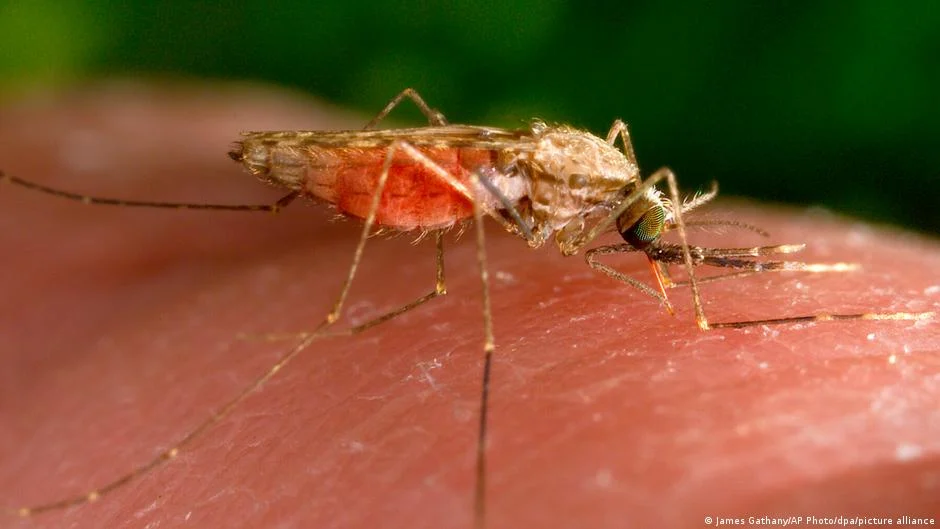
A series of alarming medical incidents in the vicinity of Frankfurt Airport has drawn urgent attention to a rare phenomenon known as "airport malaria," with health authorities confirming that eight individuals have contracted the disease since July. Among those infected, three have succumbed to the illness, marking a tragic development that has prompted a swift public health response. The majority of the individuals affected were employees working for Fraport, the company responsible for operating Germany’s busiest aviation hub. While local health officials emphasize that this does not signify a widespread outbreak or a new endemic disease in Germany, the severity of the infections has necessitated a heightened state of alert for anyone working or residing near the airport perimeter.
Understanding the Mechanism of Airport Malaria
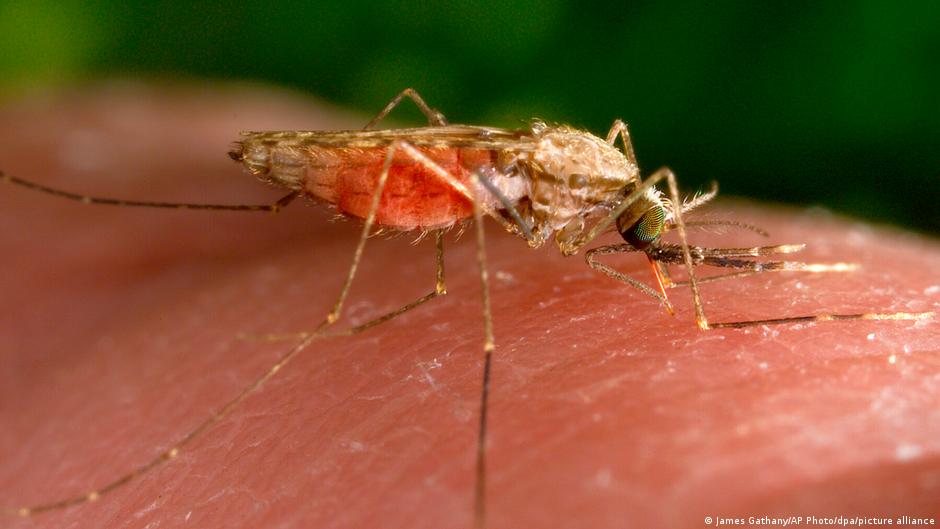
Airport malaria is a documented, albeit highly infrequent, occurrence where a malaria-carrying female Anopheles mosquito enters a country via aircraft. These insects, acting as "stowaways," can be transported in luggage, cargo, or within the fuselage of planes arriving from tropical regions where malaria is endemic. Upon arrival, if the mosquito survives the transit and finds a suitable environment—often warmer pockets within an airport complex—it can bite local workers or residents.
The specific strain identified in the Frankfurt cases is malaria tropica, caused by the Plasmodium falciparum parasite. This is widely regarded by medical professionals as the most virulent form of malaria. Unlike milder strains, Plasmodium falciparum enters the bloodstream and invades red blood cells, triggering a cascading effect of systemic failure. Achim Hörauf, director of the Institute for Medical Microbiology, Immunology, and Parasitology at Bonn’s University Hospital (UKB), notes that the parasite causes micro-blockages in blood vessels. When these blockages occur in vital organs, they can lead to severe complications, including pulmonary edema (fluid in the lungs), acute kidney failure, and life-threatening neurological damage.
Chronology of the Outbreak
The current cluster of cases began to emerge in mid-summer, a period when warmer temperatures in Germany were more conducive to the survival of tropical mosquitoes. While the Robert Koch Institute (RKI)—Germany’s central federal agency for disease control—recorded a prior incident of airport malaria in 2023, the current concentration of eight cases within a few months is statistically significant and unusual.
The progression of the current outbreak has followed a concerning timeline:
- July: Initial reports of suspected malaria cases emerged among personnel operating in and around the airport grounds.
- August: Public health departments in Frankfurt officially categorized the cluster as an "airport malaria" event, confirming the transmission link.
- September: The cumulative death toll reached three, as medical teams struggled with cases that were, in some instances, identified only after the infection had advanced significantly.
Medical experts suggest that the "stowaway" nature of these mosquitoes makes them difficult to track. Because the mosquito is not native to the German ecosystem, it cannot survive the onset of autumn and winter, which serves as a natural barrier to the disease becoming permanently established in the country.
Clinical Challenges and the Diagnostic Gap
The primary danger of malaria tropica lies in its deceptively common early symptoms. Patients often present with flu-like signs, including high fever, chills, intense headaches, and muscle aches, sometimes accompanied by gastrointestinal distress. Because these symptoms are non-specific and the patients have no history of travel to tropical regions, both patients and primary care physicians may initially overlook malaria as a potential diagnosis.
"If the disease is overlooked, it can very quickly take a severe turn," Dr. Hörauf explained. The window for effective intervention is narrow. With an incubation period ranging from seven to 15 days, a patient may be infected long before they show symptoms, complicating the task of contact tracing or vector control. When treated early with specialized antimalarial medication, the survival rate is high; however, mortality rates can soar to 20% or higher if the condition is left untreated or misdiagnosed as a standard viral infection.
The Robert Koch Institute has underscored that diagnostic protocols must be adapted for these rare scenarios. Rapid diagnostic tests (RDTs) can identify the presence of the parasite, but definitive diagnosis requires microscopic blood analysis, ideally conducted at facilities with expertise in tropical medicine.
Public Health Responses and Official Directives
In response to the fatalities, the Frankfurt Public Health Department has issued a formal directive to the public, particularly those in the airport’s operational vicinity. Residents and employees are urged to consult a physician immediately if they develop unexplained febrile illnesses, explicitly mentioning their proximity to the airport to ensure that medical staff consider malaria as a differential diagnosis.
Fraport, the airport operator, has been working in coordination with public health officials to assess potential breeding grounds and evaluate standard operating procedures for aircraft arrivals from high-risk zones. While there is no indication that the airport is unsafe for travelers, the internal investigation is focused on how the mosquitoes might have successfully migrated from the aircraft to the ground environment.
Broader Implications: Climate Change and Global Connectivity
While the Frankfurt incidents are isolated, they highlight a growing concern among infectious disease specialists regarding the intersection of global air travel and climate change. As global temperatures rise, the range of certain disease vectors—including mosquitoes—is expanding. While Germany remains a non-endemic zone for malaria, the increasing frequency of "imported" mosquitoes forces health systems in temperate climates to be more vigilant.
The phenomenon of airport malaria serves as a reminder of the fragility of modern public health in a hyper-connected world. Even as summer ends and cooler temperatures naturally diminish the risk of mosquito survival in Germany, the incubation period of the Plasmodium parasite means that new cases could still theoretically appear in the coming weeks.
Experts argue that the challenge is not merely clinical, but educational. The medical community must shift its perception of malaria from a "travel-associated disease" to a potential diagnosis for any patient presenting with high fever in specific high-risk zones, such as international transport hubs. This shift in diagnostic mindset is critical to preventing further loss of life.
Statistical Context and Future Preparedness
Historically, malaria cases in Germany have been almost exclusively linked to individuals returning from long-haul travel to sub-Saharan Africa, Southeast Asia, or South America. The RKI’s data suggests that before the 2023 and 2024 incidents, such localized transmissions were virtually unheard of, representing a statistical anomaly.
The mortality rate associated with the current Frankfurt cluster has sparked a debate on whether standard screening procedures for aircraft arriving from tropical regions should be adjusted. However, experts like Dr. Hörauf caution against alarmism, noting that the biological requirements for the Anopheles mosquito to thrive in Germany remain strict. The combination of humidity, temperature, and access to a blood meal is rarely satisfied in the harsh, industrial environment of an airport terminal.
Moving forward, the focus remains on surveillance and rapid clinical response. By ensuring that emergency departments are equipped with the knowledge to identify the early warning signs of malaria tropica, health authorities hope to mitigate the risks associated with these infrequent but lethal events. As the current cluster stabilizes, the investigation into the specific logistics of the transmission remains a priority, providing a case study for health organizations worldwide on how to manage the risks inherent in the modern globalized supply chain.

