
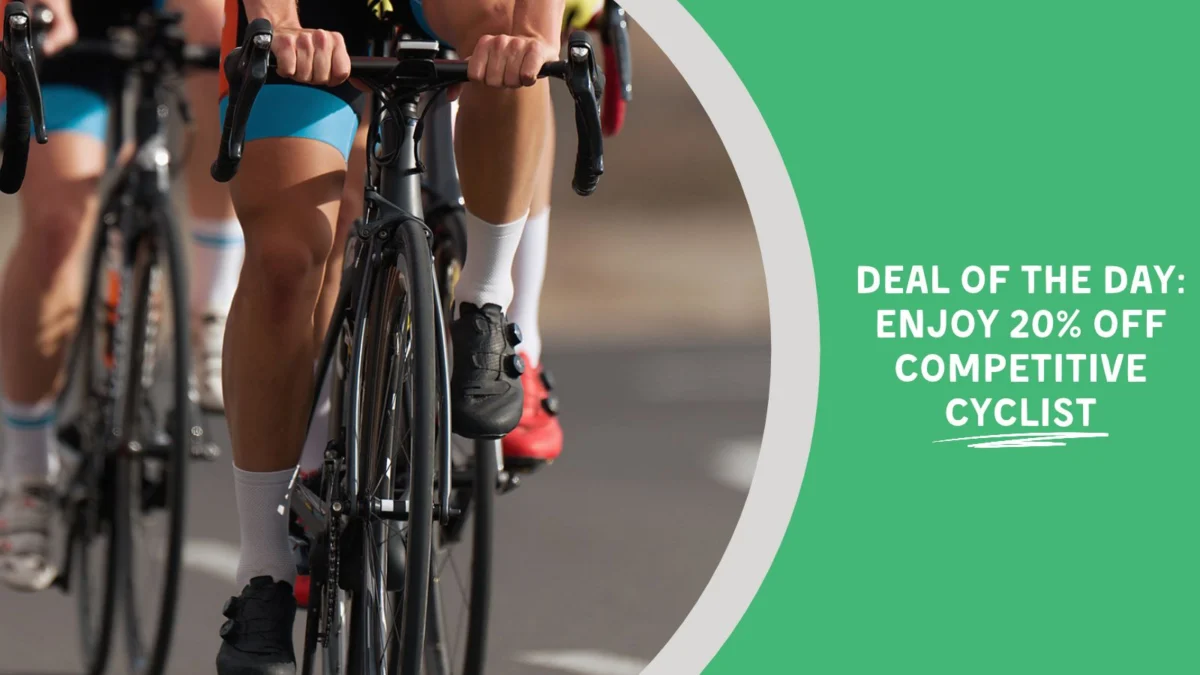
The financial barriers to entry for high-performance cycling have long been a point of friction for enthusiasts, particularly those in the teaching profession who often balance constrained personal budgets with a desire for high-quality athletic equipment. A recent strategic shift by Competitive Cyclist, a premier online retailer specializing in road, mountain, and gravel cycling gear, aims to bridge this gap by launching a comprehensive 20% discount program specifically for educators. By utilizing the ID.me verification platform, teachers across the United States can now access significant price reductions on a wide array of full-price cycling components, apparel, and accessories, marking a notable intersection between professional appreciation and the growing outdoor recreation industry.
The cycling industry has experienced a period of unprecedented volatility and growth since the onset of the global pandemic. In 2020 and 2021, the surge in demand for bicycles—often referred to as the "bike boom"—led to severe supply chain constraints and elevated retail prices. As the market stabilizes, retailers are increasingly turning to targeted discount programs to maintain customer loyalty and reach specific demographics. For educators, who frequently report high levels of occupational stress, cycling serves as both a physical outlet and a mental health reprieve. The introduction of this discount reflects a broader trend among outdoor retailers to recognize the essential nature of public service professions.
The Mechanism of the Discount and Verification Process
The implementation of the Competitive Cyclist discount relies on the infrastructure provided by ID.me, a digital identity network that allows for the secure, real-time verification of professional credentials. This technology is increasingly standard in retail, as it eliminates the need for manual, paper-based verification, which is prone to error and fraud.
To access the 20% savings, educators must navigate to the Competitive Cyclist website and authenticate their status through the portal. This process typically requires school-issued documentation or employment verification records. Once verified, the discount is applied to eligible full-price merchandise. It is important to note that the policy generally excludes already discounted or "sale" items, a common practice in retail inventory management designed to protect margins while still offering value on premium, newer-season gear.
Economic Context: The Cost of Cycling as a Pursuit
Cycling is categorized as an equipment-intensive sport. A study conducted by the National Bicycle Dealers Association (NBDA) suggests that the average investment for a mid-tier road or mountain bike can range from $1,500 to $4,000, depending on the material composition of the frame (carbon fiber versus aluminum) and the sophistication of the groupset. When factoring in mandatory safety equipment—such as helmets and high-visibility clothing—and essential accessories like cycling-specific footwear and pedals, the total cost of entry often exceeds $2,000.
For an educator, whose average annual salary in the United States often does not keep pace with the cost of living index in many metropolitan areas, such an investment represents a significant percentage of disposable income. By offering a 20% reduction, Competitive Cyclist effectively lowers the barrier to entry, potentially saving an educator between $300 and $800 on a full setup. This reduction aligns with broader corporate social responsibility (CSR) goals, where companies attempt to foster goodwill within the community by supporting those who serve in public-facing roles.
Chronology of Retail Discount Trends in Outdoor Sports
The movement to provide specialized discounts to teachers, military personnel, and first responders gained significant momentum in the late 2010s. Historically, military discounts were the most common, but the scope has widened significantly since 2020.
- 2019: Major outdoor retailers began shifting toward centralized verification platforms to streamline the discount process.
- 2020: The "bike boom" created a massive influx of new cyclists, many of whom were professionals seeking outdoor hobbies that adhered to social distancing guidelines.
- 2021-2022: As supply chains caught up to demand, retailers faced an inventory glut. This led to a tactical pivot toward loyalty programs and professional discounts to move high-end stock.
- 2023-2024: Competitive Cyclist, among other industry leaders, refined these programs to include educators, recognizing the pedagogical sector as a key demographic for long-term customer retention.
Analysis of Retail Implications
From a retail analysis perspective, the decision to offer a teacher-specific discount is a calculated move to capture a segment of the market that prioritizes quality and durability. Educators, as a demographic, are often categorized by market researchers as "value-conscious but quality-driven." Because they require gear that can withstand the rigors of daily commuting or weekend training sessions without requiring frequent repairs, they are the ideal target audience for premium retailers.
Furthermore, by integrating ID.me, Competitive Cyclist minimizes the administrative burden. Traditional discount programs that require physical ID cards or email verification are labor-intensive for the retailer’s customer support teams. The automation of this verification cycle ensures that the program is scalable and cost-effective, allowing the retailer to maintain the discount without incurring significant overhead.
The Broader Impact on Educator Well-being
Public discourse regarding the teaching profession has centered on burnout, retention, and mental health. Organizations such as the National Education Association (NEA) have long advocated for holistic support for teachers, which includes opportunities for physical activity and recreation. While a discount on cycling gear is not a substitute for systemic changes in educational funding or compensation, it represents a tangible perk that acknowledges the grueling nature of the profession.
Industry experts suggest that programs like this contribute to a "community ecosystem." When educators feel supported by the brands they use, they are more likely to participate in local cycling clubs, advocate for safer infrastructure in their communities, and serve as role models for students interested in cycling as a healthy lifestyle choice.
Strategic Outlook for Competitive Cyclist
Moving forward, the success of the Competitive Cyclist educator program will likely be measured by redemption rates and customer acquisition metrics. If the program proves successful in driving volume, it is probable that other retailers within the parent company’s portfolio—or across the wider cycling industry—will follow suit.
There is also the potential for this program to expand into other segments of the education sector, including school administrators and support staff, who are currently often excluded from such programs. As the retail landscape continues to prioritize personalized shopping experiences, the ability to tailor discounts to specific professional identities will likely become a primary competitive advantage.
Conclusion and Future Considerations
The introduction of a 20% discount for educators at Competitive Cyclist serves as a microcosm of the current retail environment, where digital verification technology meets the need for professional recognition and market expansion. For the individual teacher, it provides a meaningful pathway to high-quality equipment that might otherwise be financially inaccessible. For the industry, it is a strategic tool to build a loyal customer base among a population that values endurance, reliability, and precision.
As the cycling industry continues to evolve, the focus will likely shift toward sustainable growth and deeper integration with community-based initiatives. Educators, who occupy a central role in community development, are uniquely positioned to benefit from and contribute to the growth of cycling culture. Whether this trend results in a long-term shift toward more accessible pricing remains to be seen, but for the present, it represents a positive development for those balancing the classroom and the bike path. The intersection of professional service and athletic pursuit remains a critical area of interest for both retailers and the public, signaling a shift toward a more inclusive approach to high-performance recreation.

