
Nalia Mutz entered the University of Lynchburg in 2022 with a singular, focused ambition: to navigate the rigors of a biomedicine degree and emerge four years later on a clear path toward medical school. Today, her original academic roadmap has been rendered obsolete. Following a sweeping 2024 restructuring that saw the university eliminate a dozen majors, lay off 40 faculty members, and cut 40 staff positions, the infrastructure Mutz relied upon to graduate has fundamentally shifted. For students like Mutz, the fallout from the university’s fiscal austerity measures was not merely administrative; it was a personal barrier to completion, forcing her to confront the prospect of a two-year delay before ultimately deciding to transfer.
The crisis at the University of Lynchburg is not an isolated incident; it is a bellwether for a broader, systemic contraction within American higher education. As institutions grapple with declining enrollment, demographic shifts, and rising public skepticism regarding the return on investment of a college degree, many are finding their financial models unsustainable. This environment has been further complicated by federal policy shifts, including new constraints on graduate student loans and threats to withhold financial aid from programs that fail to meet specific salary-to-debt benchmarks for alumni. For small, private, tuition-dependent nonprofit institutions, these headwinds are proving existential.
A Chronology of Financial Contraction
The financial erosion at the University of Lynchburg did not occur overnight. The institution, like many others, spent years attempting to stave off demographic pressures by expanding its brand. In 2018, the school underwent a $1.7 million rebranding, transitioning from Lynchburg College to the University of Lynchburg in an effort to enhance its stature and aggressively recruit international students, who typically pay full tuition.
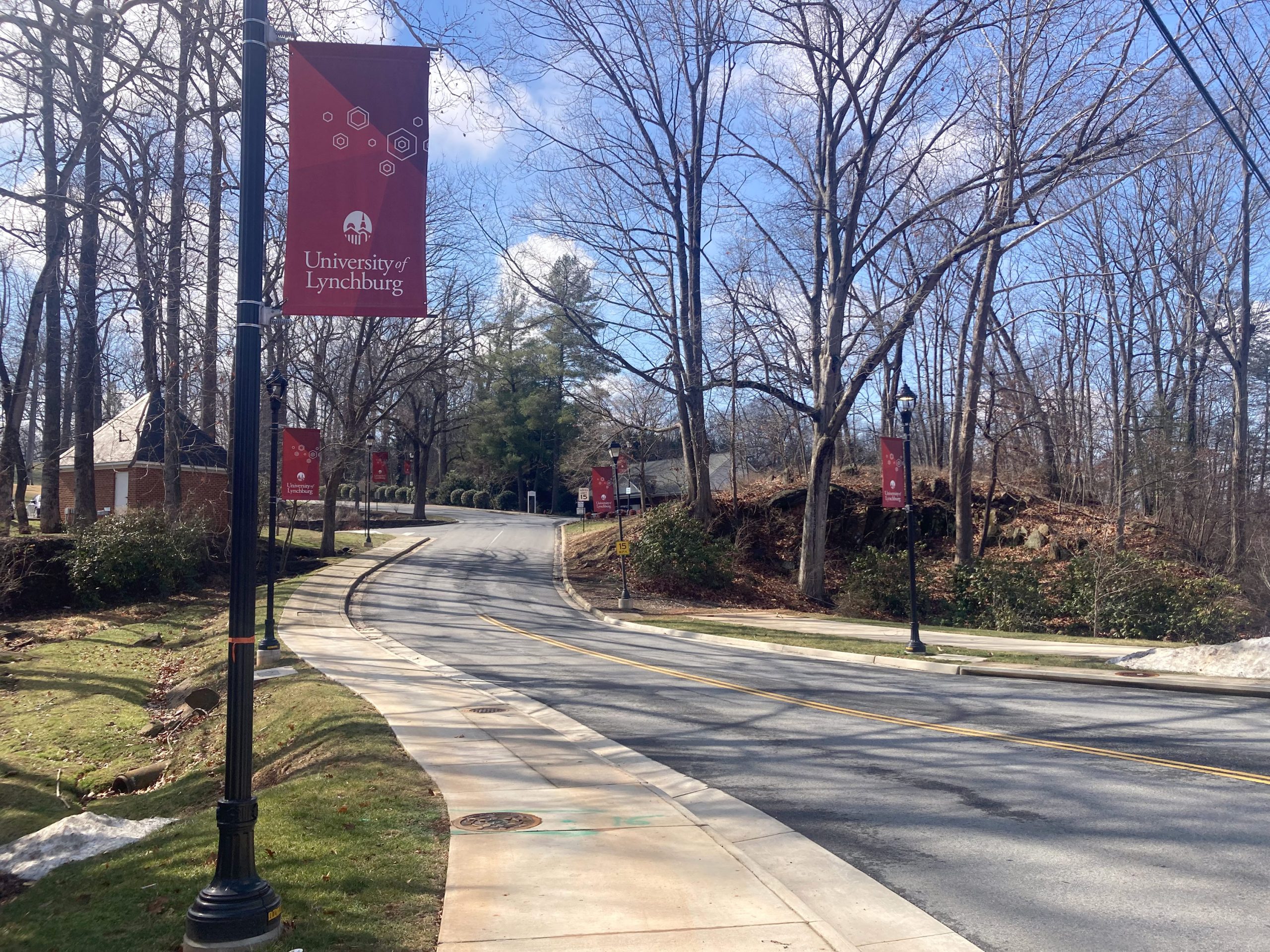
By 2020, enrollment had peaked at approximately 3,600 students. However, the momentum was short-lived. By 2024, the student body had dwindled to roughly 3,200. The ensuing fiscal instability became impossible to ignore: the university reported deficits in four of the five fiscal years leading up to 2025, culminating in a $2.1 million loss in that year alone.
In response to the mounting pressure, the university initiated a series of drastic cost-cutting measures in 2024. These included the elimination of 12 undergraduate majors, 25 minors, and five graduate programs. The administrative decision-making process was met with significant internal friction; the board of trustees shrunk from 36 members in 2020 to 22, with former trustee Michael Gillette resigning in 2023, citing a lack of transparency regarding budgetary documents. The university has consistently maintained that it adheres to established governance procedures, yet the optics of the situation have drawn scrutiny from accrediting bodies, which placed the institution on warning in both 2024 and 2025 for failures to meet standards regarding financial responsibility and student outcomes.
The Human Cost of Austerity
The consequences of these cutbacks are felt most acutely by students who find themselves navigating a diminished academic landscape. Willow Martin, a psychology major who expected to graduate in May, received notification from the advising office that she would be unable to complete her degree on time. The reduction in the advising staff—from seven to just three full-time employees—has created a bottleneck, leaving students with fewer resources to navigate complex degree requirements.
"I’m not really sure who’s going to teach my upper-level psychology classes," Martin said. "I’m not really sure what’s going to happen."

The anxiety expressed by students like Martin is supported by empirical research. Justin Ortagus, a professor of higher education and public policy at the University of Texas at Austin, notes that the literature consistently establishes a direct correlation between student-faculty ratios, the availability of professional advising, and graduation rates. When institutions cut staff to balance their books, they inadvertently create friction that prevents students from persisting to graduation.
Faculty members, too, are sounding the alarm. Tim Gibson, president of the Virginia conference of the American Association of University Professors, filed a formal complaint in early 2025 regarding the cuts. He argues that replacing tenured faculty with non-tenured instructors—or simply eliminating positions entirely—erodes academic freedom and compromises the quality of the educational experience. When faculty fear for their job security, their ability to engage in critical governance or curriculum development is significantly curtailed.
National Trends and the "Enrollment Cliff"
The challenges faced by the University of Lynchburg reflect a national trend that threatens to reshape the higher education landscape. According to analysis by The Hechinger Report, more than half of all four-year colleges and universities in the United States have experienced enrollment declines in at least three of the last five years. Public universities are not immune, with one in three reporting a 10% or greater drop in enrollment between 2019 and 2024.
Robert K. Toutkoushian, a professor at the University of Georgia specializing in the economics of higher education, suggests that the situation is likely to deteriorate further. "Looking at demographic projections, with smaller high school graduating classes coming, it’s going to be harder for them to compete for students and get enough bodies in the door," Toutkoushian stated.

As the pool of traditional-aged college students shrinks, many institutions are turning to high-cost strategies to survive. This includes launching specialized certificate programs—such as the cannabis career certificates introduced at Lynchburg—and shifting more undergraduate coursework to online platforms to reduce physical infrastructure costs. However, these efforts often fail to compensate for the loss of the core residential experience that many students seek.
Institutional Responses and the Path Forward
University of Lynchburg President Alison Morrison-Shetlar has defended the school’s trajectory, emphasizing a pivot toward high-demand, career-oriented degrees. She maintains that the institution is actively working to stabilize its budget through a $40 million "One Lynchburg" fundraising campaign and is confident that the university will return to full compliance with accreditation standards by December 2026.
"We are adding programs that are attracting more students toward high-paying jobs, something that families are very, very aware of these days," Morrison-Shetlar stated. Regarding the student experience, the administration argues that despite the cuts, students can still access necessary courses through regional consortia and remain on track for timely graduation through diligent advising.
However, students are increasingly voting with their feet. Federal data indicates that 30% of Lynchburg students transferred out in 2024, a significant increase from the 18% transfer rate observed a decade earlier. For students like Nalia Mutz, the promise of a stable degree path was simply not met. After transferring to Radford University, Mutz acknowledged that while the transition was not seamless—some of her credits failed to transfer—the move was necessary. "I didn’t really like the environment," she said. "The financial issues were a huge contributor. We were paying, but we just weren’t getting enough resources or benefits."

Implications for the Future of Higher Education
The struggle at the University of Lynchburg provides a cautionary tale for families and policymakers alike. As private, nonprofit institutions face the dual pressures of market competition and public skepticism, the temptation to cut corners to achieve short-term fiscal solvency is high. Yet, the long-term impact on students—who often find themselves in programs with fewer professors, larger class sizes, and diminished support services—is profound.
The lack of transparency regarding the financial health of private institutions remains a significant hurdle for students and families trying to make informed decisions. Unlike public universities, which are subject to open records laws, private institutions often provide limited, opaque financial disclosures. The introduction of tools like The Hechinger Report’s College Financial Health Tracker is a response to this opacity, aiming to provide stakeholders with data on enrollment, revenue, and faculty layoffs.
Ultimately, the sector is moving toward a period of consolidation. The "warning signs" identified by accreditors and financial analysts are not merely administrative hurdles; they are indicators of a fundamental transformation. If the primary mission of higher education is to prepare students for the future, the institutions that survive will likely be those that can transparently demonstrate their value while maintaining the instructional and support infrastructure necessary to ensure student success. For now, students caught in the middle of this contraction are left to navigate a precarious landscape, balancing the rising cost of attendance against the diminishing availability of the very resources they pay to access.

