
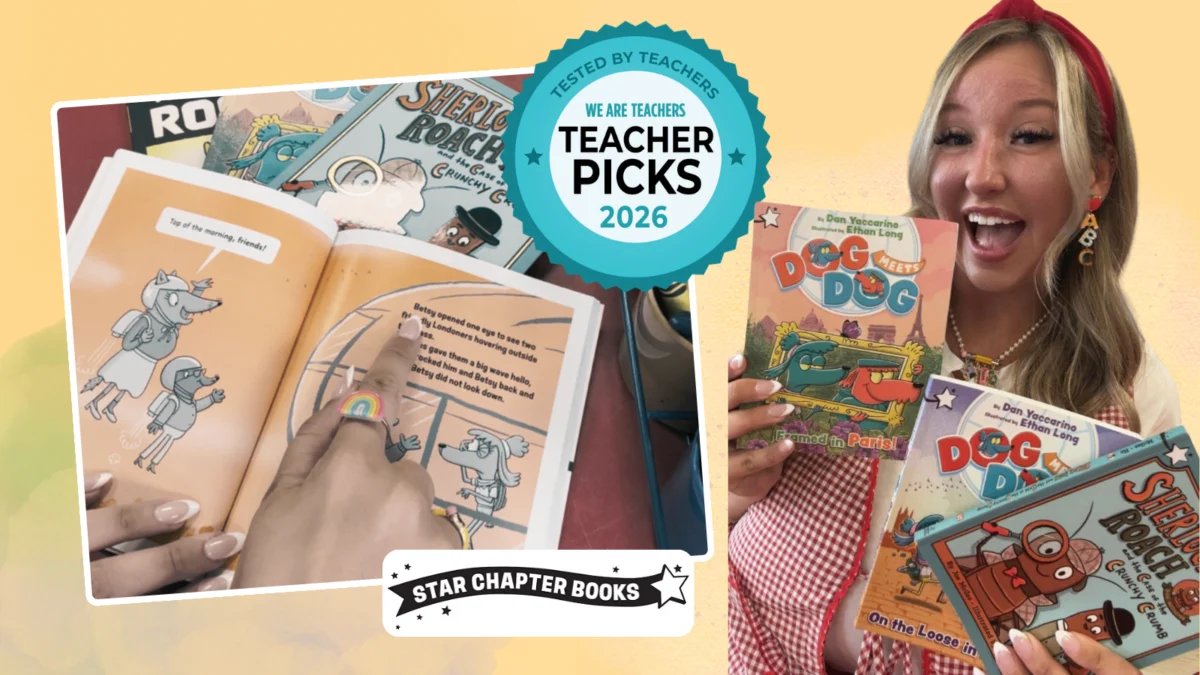
The transition from leveled readers to traditional chapter books represents one of the most critical milestones in primary education, marking the shift from "learning to read" to "reading to learn." For many second-grade students, this developmental bridge can be fraught with anxiety, as the jump in text density and vocabulary complexity often leads to a decline in engagement and self-efficacy. To address this pedagogical challenge, educators are increasingly turning to specialized materials designed to scaffold the experience, such as the Simon & Schuster Star Chapter Books series. These publications aim to mitigate the intimidation factor of standard novels by blending traditional chapter structures with the visual support and brevity required by developing readers.
The Developmental Challenge of Early Literacy
Educational researchers have long identified the "second-grade slump" as a period where many children struggle to maintain momentum in their reading journey. As students move away from phonics-heavy, decodable texts and towards prose-driven narratives, the lack of visual scaffolding can cause frustration. According to the National Assessment of Educational Progress (NAEP), reading proficiency by the end of third grade is a key predictor of high school graduation rates and future economic success. Consequently, the tools utilized in the second grade are of paramount importance.
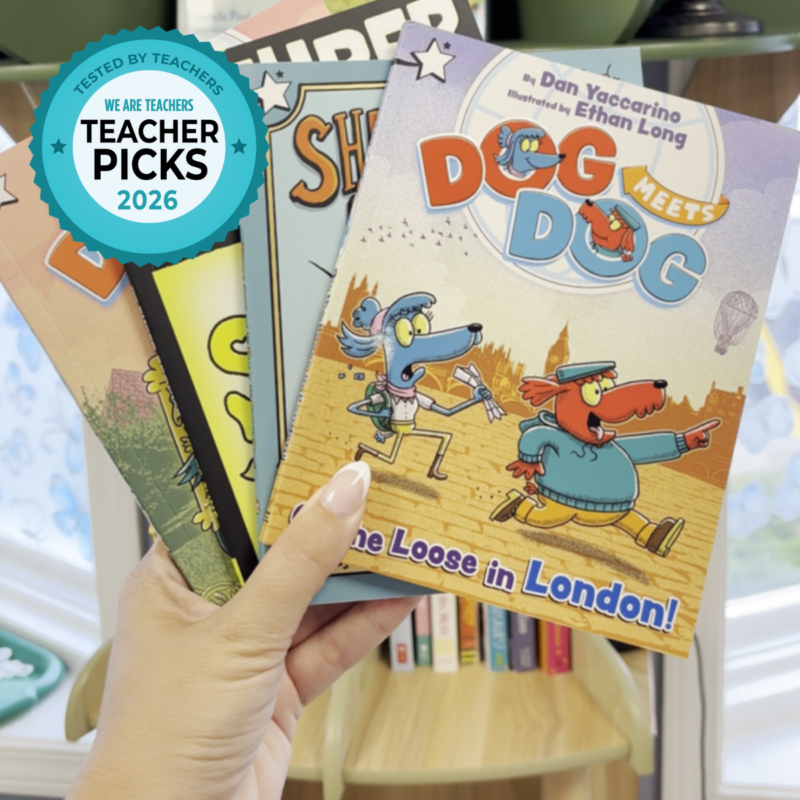
Katie Tracy, a second-grade teacher based in Lockport, Illinois, has implemented the Star Chapter Books in her curriculum to bridge this gap. Her classroom experience mirrors a broader trend in early childhood education: the need for "bridge books" that offer the psychological satisfaction of finishing a "real" chapter book without the cognitive overload of dense, page-long paragraphs. By utilizing characters that resonate with seven- and eight-year-olds—such as the protagonists in the Dog Meets Dog and Sherlock Roach series—educators are finding that they can sustain student motivation through narrative investment.
Chronology and Implementation in the Classroom
The integration of these books into the classroom typically follows a structured, multi-phase approach. Initially, the teacher introduces the books through read-aloud sessions, which allow students to build background knowledge and familiarity with the series’ structure. In Tracy’s classroom, this process began with the Dog Meets Dog series, where the teacher utilized the books to supplement existing science units.
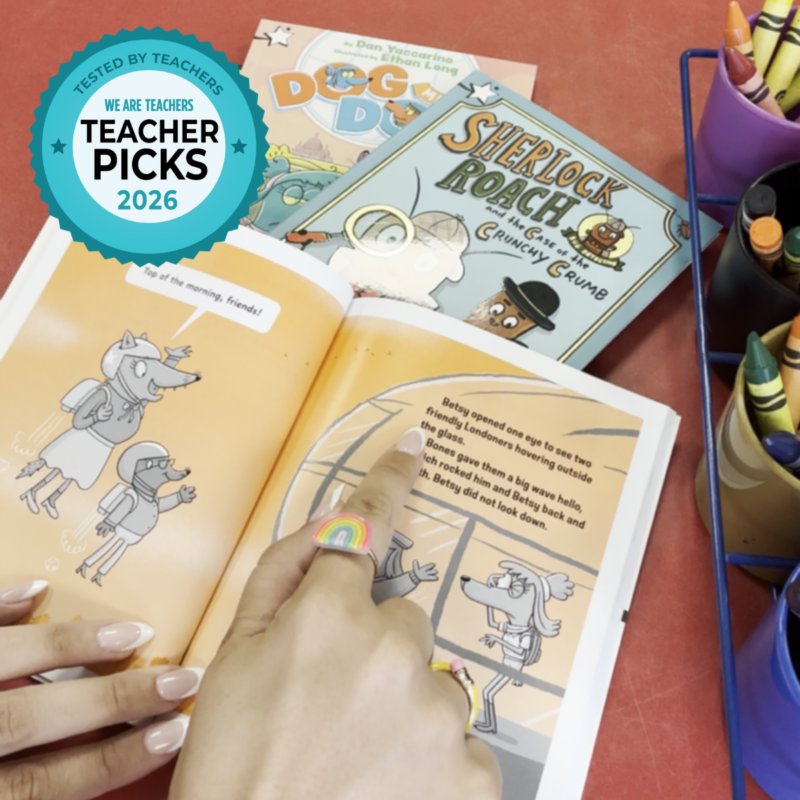
For instance, when the class studied architecture and engineering, the text Dog Meets Dog: Framed in Paris provided a tangible connection to their curriculum. This cross-curricular application is a deliberate strategy to reinforce comprehension; students who have already engaged with a topic in a science context are statistically more likely to decode and understand a related narrative text. This is followed by a "guided practice" phase, where students transition from listening to individual reading. The structure of the Star Chapter Books—featuring large, readable fonts, generous margins, and two-color illustrations—serves as a scaffold that allows students to focus on fluency rather than becoming bogged down by decoding difficulties.
Data-Driven Instructional Design
The efficacy of these books lies in their adherence to specific instructional design principles. Each volume incorporates text features such as a table of contents, which serves as a foundational skill for information literacy. By formalizing these features within a narrative context, students gain familiarity with the anatomy of a book.
Furthermore, the design of the Star Chapter Books addresses the specific cognitive load of a second-grade reader. By limiting text to a few lines per page and pairing it with high-frequency illustrations, the series adheres to the "Dual Coding Theory." This theory posits that learners process information more effectively when verbal and visual information are presented simultaneously. By providing this balance, the books allow students to build "reading stamina"—the ability to stay focused on a text for an extended period—without the discouragement that follows a failure to finish a lengthy, dense chapter.
Pedagogical Implications and Teacher Perspectives
The broader implications for educators involve the strategic selection of classroom library materials. Teachers are tasked with curating collections that satisfy the "Goldilocks principle"—finding books that are not too easy, not too hard, but just right. According to Tracy, the Star Chapter Books provide an "authentic chapter book experience" that validates a child’s progress. When a student successfully completes a book with a table of contents and distinct chapters, their sense of academic agency increases.
This transition is essential for building a culture of independent reading. When students feel successful, they are more likely to engage in voluntary, out-of-school reading, which is the primary driver of vocabulary acquisition and reading comprehension improvement. The feedback from educators suggests that the series acts as a catalyst for this independence. By providing an experience that feels "grown-up" but remains cognitively accessible, the series helps transform the student’s identity from a "beginning reader" to a "confident reader."
Expanding the Reach: Future Developments
The publisher has signaled a commitment to this segment of the market with the announcement of five additional titles for the upcoming fall season. This expansion indicates a sustained demand for materials that cater specifically to the "transitional" reader. As school districts continue to analyze reading proficiency data in the wake of post-pandemic learning disruptions, the role of targeted, scaffolded reading materials has become a focal point of curriculum development.
The success of the Star Chapter Books in classrooms like Tracy’s suggests that the intersection of high-interest storytelling and supportive design is a powerful pedagogical tool. As the education sector continues to refine its approaches to literacy, the emphasis remains on fostering a positive, self-sustaining relationship between the student and the text.
Analysis of the Literacy Landscape
From an analytical standpoint, the reliance on series-based reading—such as the Sherlock Roach and Dog Meets Dog collections—offers a unique advantage in student engagement. The "series effect" is well-documented in library science: once a student connects with a character, their desire to follow that character through multiple adventures acts as a primary motivator for sustained reading. By capitalizing on this, publishers can effectively maintain the interest of reluctant readers.
However, the success of these books also underscores a need for continued professional development. Teachers must be equipped to guide students through the transition from these specialized books to more challenging, unillustrated literature. The Star Chapter Books, while excellent for building stamina, are merely a waypoint. The ultimate objective remains the development of a student’s ability to handle increasingly complex, text-only literature.
Conclusion: A Shift in Educational Priorities
The integration of materials like the Star Chapter Books represents a nuanced shift in how educators approach the middle-elementary years. Rather than rushing students into dense, difficult texts, the modern approach emphasizes the importance of a scaffolded, positive experience that reinforces reading as an enjoyable, rewarding activity. By providing the right level of support, educators can ensure that the transition to longer-form reading is not a source of frustration, but a gateway to a lifetime of literacy.
As the school year progresses, the continued use of these resources in classrooms across the country will provide further data on the long-term impact of transitional chapter books. For now, the evidence from the field suggests that when students are given the right tools, their potential for growth is significant. The focus on accessibility, combined with engaging narratives, provides a roadmap for how publishers and educators can work together to improve foundational reading outcomes for the next generation of students.

