
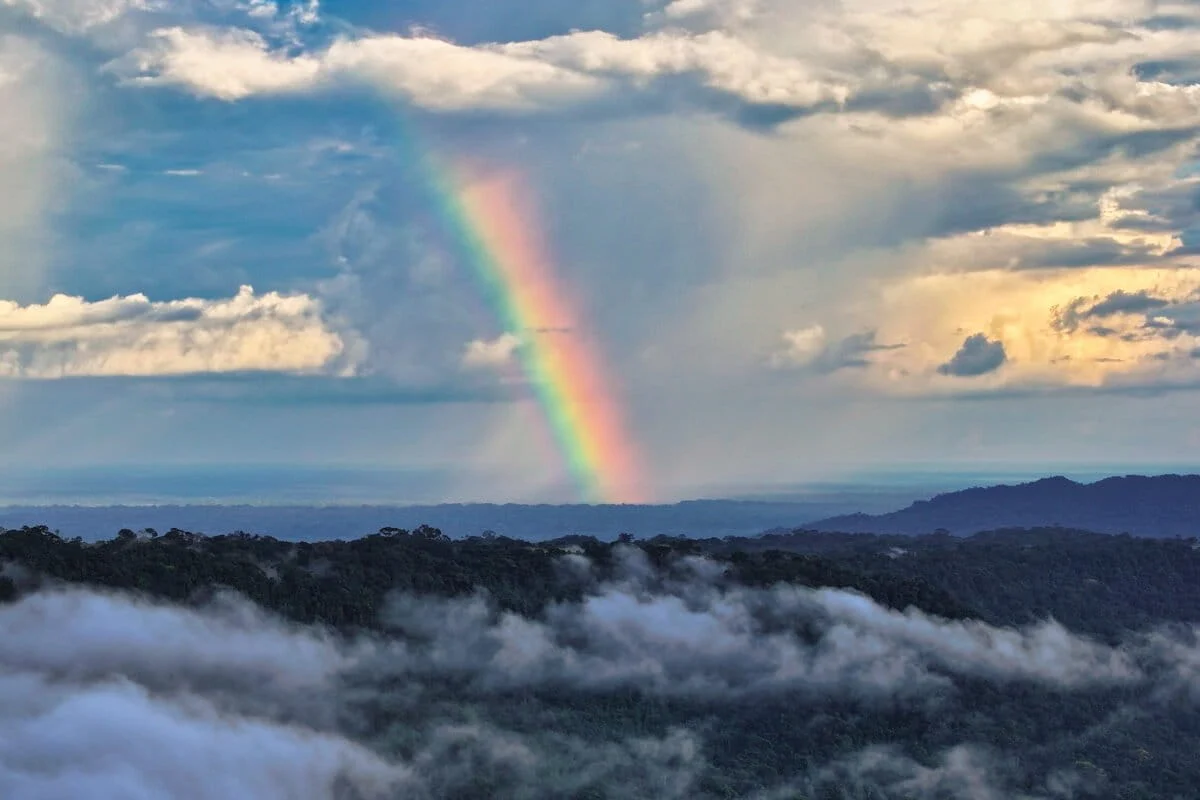
The quest to secure a continuous, safe corridor for grizzly bears and other wide-ranging megafauna across the rugged spine of the North American Rocky Mountains has gained international recognition. The Yellowstone to Yukon Conservation Initiative (Y2Y), a long-standing organization dedicated to stitching together a vast, interconnected landscape, has been named one of the 15 finalists for the 2026 Earthshot Prize. This prestigious honor, established by Britain’s Prince William, highlights innovative global solutions to the most pressing environmental crises of the modern era, including habitat fragmentation, climate change, and biodiversity loss.
The nomination serves as a global spotlight on the necessity of wildlife connectivity in an age where human infrastructure increasingly bisects the natural world. By working across international borders, Y2Y aims to ensure that wildlife can migrate freely from the Greater Yellowstone Ecosystem in Wyoming all the way to the Yukon Territory in northwestern Canada—a distance of more than 3,200 kilometers (2,000 miles).
The Genesis of a Conservation Vision
The concept of the "Yellowstone to Yukon" corridor is not a recent invention, but the culmination of over three decades of scientific planning and coalition building. Founded in 1993, the initiative was born out of a realization that isolated "islands" of protected land were insufficient to support the long-term survival of species that require massive ranges, such as grizzly bears, wolves, and wolverines.
In the early 1990s, ecologists began to quantify the "edge effects" caused by highways, residential development, and resource extraction. They discovered that when habitat patches are disconnected, animal populations become genetically isolated, making them more susceptible to disease, climate-driven resource shortages, and reproductive failure. The Y2Y mission was established to reverse this trend by treating the Rockies as a single, cohesive ecosystem rather than a collection of separate national parks and forest preserves.
Chronology of Connectivity: A 30-Year Trajectory
The history of the Yellowstone to Yukon initiative is marked by a series of incremental, yet monumental, milestones:
- 1993: The Yellowstone to Yukon Conservation Initiative is formally established by a group of scientists, conservationists, and concerned citizens in Canmore, Alberta.
- 1998: The organization begins formalizing its scientific strategy, prioritizing the identification of "pinch points"—areas where human development threatens to permanently sever the migration corridor.
- 2005–2010: A surge in the construction of wildlife overpasses and underpasses, particularly along the Trans-Canada Highway in Banff National Park, provides a global template for mitigating vehicle-wildlife collisions.
- 2015: Y2Y expands its advocacy to include Indigenous-led conservation, recognizing that many of the most biodiverse areas in the northern reach of the corridor fall within the traditional territories of First Nations and tribal nations.
- 2024: The organization celebrates the milestone of 24 million hectares (59 million acres) of land receiving some form of protection or enhanced management, a result of thousands of collaborative agreements.
- 2026: Y2Y is selected as a finalist for the Earthshot Prize, marking the first time the initiative has received such a high-profile platform on the world stage.
Quantifying the Impact: Data and Infrastructure
The effectiveness of Y2Y is measured not only by the hectares preserved but by the tangible reduction in mortality for iconic species. As human development continues to push into wild areas, the statistics on wildlife-vehicle collisions remain a critical metric. In the Banff region alone, the installation of over 40 wildlife crossings has resulted in an estimated 80% reduction in wildlife-vehicle collisions.
The organization’s current reach encompasses:
- 204 wildlife crossings: These include purpose-built overpasses and underpasses that allow animals to bypass highways safely.
- 59 million acres (24 million hectares): The total land area where Y2Y has directly or indirectly influenced conservation outcomes.
- Regional collaboration: Engaging with hundreds of stakeholders, ranging from private ranchers who manage thousands of acres of grazing land to provincial and state governments that control zoning and transportation policy.
The Earthshot Prize: A Catalyst for Innovation
Prince William launched the Earthshot Prize in 2020, modeling the ambition of the initiative after the "Moonshot" spirit of the 1960s. The prize aims to award £1 million to winners in five specific categories: Protect and Restore Nature, Clean Our Air, Revive Our Oceans, Build a Waste-Free World, and Fix Our Climate.
Jason Knauf, chief executive of the Earthshot Prize, has emphasized that the selection of Y2Y underscores the global importance of transboundary cooperation. In a political climate often characterized by protectionism and nationalistic friction, the Y2Y model offers a blueprint for how cross-border environmental management can supersede political divides. "People want to protect nature for the sake of future generations," Knauf noted. "We cannot allow ourselves to get distracted by short-term political noise."
Collaborative Strategies and Indigenous Partnership
At the heart of the Y2Y success story is a strategy defined by inclusivity rather than confrontation. Jodi Hilty, president and chief scientist of Y2Y, explains that the organization acts as a facilitator, bringing ranchers, government officials, and Indigenous leaders to the same table.
"The solution is surprisingly simple," Hilty stated. "Animals need space to move, and they don’t recognize borders."
In the northern reaches of the corridor, Y2Y has pivoted toward supporting Indigenous Protected and Conserved Areas (IPCAs). By aligning conservation goals with the traditional ecological knowledge of Indigenous peoples, the initiative has secured land management practices that have been effective for millennia. This partnership approach ensures that conservation is not seen as an external imposition but as a community-driven effort to maintain the health of the land that sustains both wildlife and human populations.
Broader Implications for Global Conservation
The nomination of Y2Y highlights a fundamental shift in the global conservation paradigm: the move from static protection to landscape-scale connectivity. As the impacts of climate change force species to migrate poleward or to higher elevations to seek suitable temperatures, the ability to travel across landscapes is no longer a luxury—it is an evolutionary necessity.
The Y2Y model is now being studied by conservationists in other parts of the world, including the "Blue Belt" initiatives in Africa and connectivity projects in the European Alps. The challenge, however, remains the "short-term political noise" mentioned by Knauf. Infrastructure development—such as mining projects, oil and gas exploration, and highway expansion—frequently clashes with the need for undisturbed wildlife corridors.
The Earthshot Prize recognition provides Y2Y with more than just financial support; it provides the political leverage to hold governments accountable to their international biodiversity commitments. By positioning wildlife migration as a central pillar of climate adaptation, Y2Y is effectively changing the narrative from one of "protecting animals" to one of "ensuring ecosystem resilience."
The Road Ahead: Mumbai and Beyond
The climax of the 2026 Earthshot cycle will take place on November 17 in Mumbai, where the winners will be announced during a televised ceremony. Regardless of whether Y2Y takes home the top prize, the nomination itself has already achieved a significant objective: normalizing the idea that wildlife corridors are essential infrastructure, just as important as bridges, fiber-optic cables, or electrical grids.
As the world looks toward 2030, the year by which the Earthshot Prize aims to see measurable progress in "repairing the planet," the work of the Yellowstone to Yukon Conservation Initiative remains a beacon of pragmatism. It proves that when diverse groups—from the ranchers in Montana to the First Nations in the Yukon—are provided with a shared vision and a common goal, the seemingly impossible task of preserving a wild, unbroken mountain range becomes an achievable reality. The grizzly bear’s journey across the road is no longer just a challenge; it is now a globally recognized imperative.

