
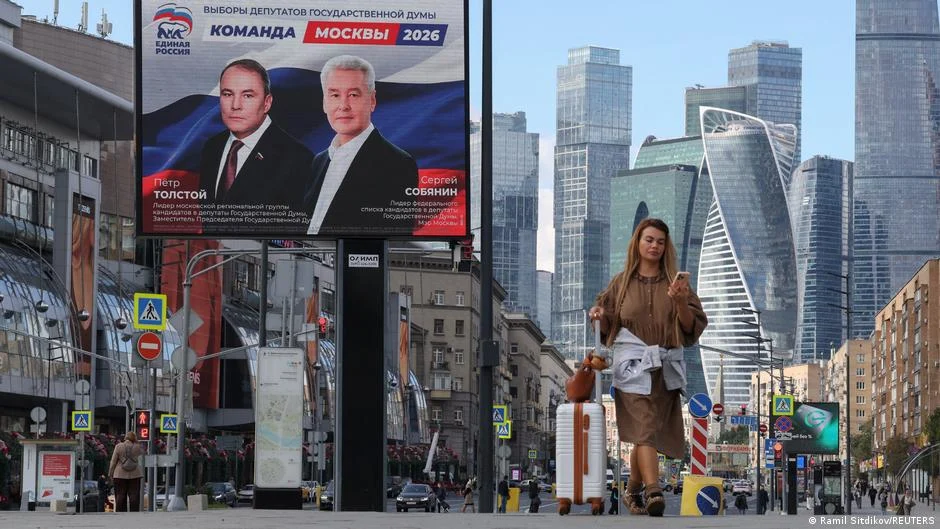
As Russia approaches the parliamentary elections scheduled for September 18 to 20, the domestic landscape is defined by a palpable sense of apprehension. For the first time since the full-scale invasion of Ukraine in 2022, the Russian electorate is heading to the polls under the shadow of a prolonged conflict that has fundamentally altered the nation’s socio-economic fabric. Recent polling data from the state-backed FOM indicates that nearly half of the Russian population identifies "alarm" as the prevailing emotional state among their peers, a stark reflection of a society grappling with the mounting costs of a war that shows no signs of resolution.
The Socio-Economic Cost of Conflict
The existential anxiety gripping the Russian public is not abstract; it is tethered to the tangible erosion of daily life. Independent polling conducted by ExtremeScan reveals that 60% of Russians believe the war against Ukraine has had a direct, negative impact on their personal circumstances. This dissatisfaction is fueled by a confluence of factors: persistent inflation, the imposition of draconian internet censorship, and, perhaps most acutely, the severe fuel shortages resulting from systematic Ukrainian drone strikes on critical oil infrastructure.
Margarita Zavadskaya, a sociologist and senior research fellow at the Finnish Institute of International Affairs, notes that the current year has marked a pivotal shift in public sentiment. "Anxiety and war fatigue are being driven by increasing uncertainty," Zavadskaya explains. The persistent, albeit unconfirmed, rumors of a new mobilization drive have induced a state of panic, leading some citizens to flee the country in fear of being drafted. Elena Koneva, founder of ExtremeScan, underscores the psychological toll this takes on the average household: "People are beginning to ask the fundamental question: ‘How much does this war cost me and my family? And am I ready to pay this price?’"
A Chronology of Escalation and Political Control
The upcoming election cycle follows a period of extreme political consolidation. Since the onset of the war in February 2022, the Kremlin has systematically dismantled the mechanisms of political opposition.
- February 2022: Russia launches its full-scale invasion of Ukraine, triggering international sanctions and immediate domestic crackdowns.
- September 2022: Russia holds regional elections amid tightening media restrictions; the Kremlin maintains firm control over the electoral process.
- March 2024: Presidential elections confirm Vladimir Putin’s continued leadership, further centralizing power during the ongoing war effort.
- August 2026: The Russian judiciary officially bars Yabloko, the nation’s only registered anti-war party, from participating in the upcoming State Duma elections, narrowing the window for legal dissent.
- September 18-20, 2026: The scheduled window for the parliamentary elections, the first since the start of the war to involve a nationwide legislative shift.
The Role of Elections in an Authoritarian Framework
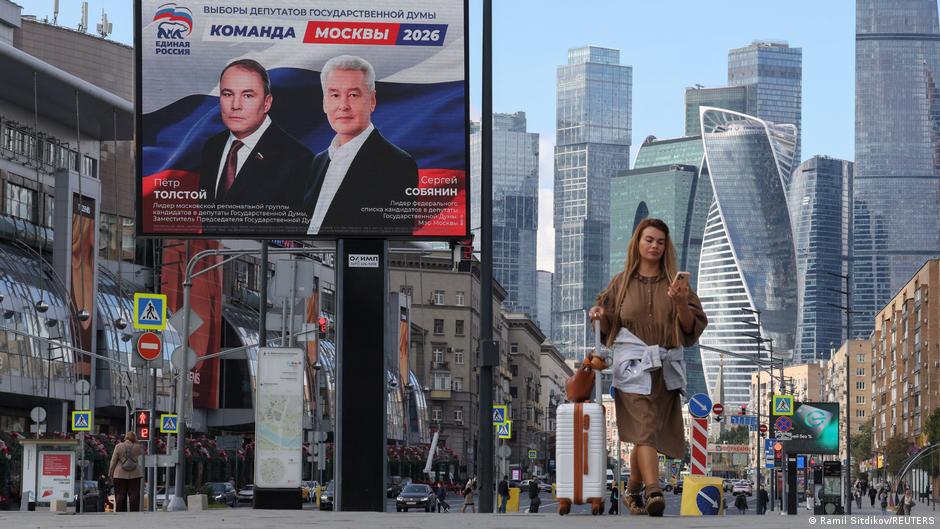
In the context of the Kremlin’s political machinery, these elections are not designed to facilitate a transfer of power, but rather to perform a "reality check" on the regime’s legitimacy. The Kremlin uses these exercises to project an image of national unity. For President Vladimir Putin, securing a robust turnout for his de facto party, United Russia, is essential. The party has tethered its platform directly to the military campaign, placing veterans of the Ukraine war at the top of its candidate lists to signal that the state remains committed to escalation.
However, the exclusion of the Yabloko party highlights the regime’s sensitivity to any organized opposition. Despite being limited to a fringe role in recent years, Yabloko’s popularity had surged in the lead-up to the election, particularly among younger, urban demographics. ExtremeScan data suggested that as many as 18% of voters were prepared to support the anti-war party, a figure that presented an unacceptable optics challenge for the Kremlin. The subsequent court ruling to bar the party serves as a clear indicator that the state is unwilling to allow the ballot box to become a barometer for anti-war sentiment.
Strategies of Dissent: From "Noon" to Boycotts
With legal opposition pathways effectively severed, the Russian opposition in exile and those remaining within the country are locked in a debate over how to signal discontent. Yulia Navalnaya, the widow of the late opposition leader Alexei Navalny, and exiled figure Maxim Katz have advocated for a "vote for anyone but United Russia" strategy, aiming to dilute the ruling party’s dominance. Conversely, Yabloko has urged its supporters to spoil their ballots as a form of protest.
Ilya Yashin, a prominent opposition politician, argues that the method of voting is secondary to the act of collective visibility. He has called on citizens to congregate at polling stations at noon on September 20. "These queues will be a visible expression of public discontent," Yashin remarked. "No need for flags, banners, or symbols. Everyone will know: the queues at noon are made up of people who do not want the war to continue."
This strategy of "passive presence" is an attempt to create a safe, yet undeniable, metric of opposition in an environment where speech is heavily penalized. It reflects a "silent majority" that, while perhaps still holding a base level of support for the presidency, is increasingly desperate for the conflict to reach a diplomatic conclusion. Independent polling from the Levada Center corroborates this, indicating that 60% of Russians favor immediate peace negotiations with Kyiv.

Implications for the Future
The Kremlin’s strategy in the final weeks before the vote appears to be a dual-track approach: one of iron-fisted control over the ballot and one of performative conciliation. Recent, vague hints from the Kremlin regarding potential peace talks in October are viewed by analysts as a tactical move to placate a weary electorate. Zavadskaya suggests that these promises are likely a cynical effort to calm the public until the election results are secured.
The international community is watching the turnout figures with close interest, though most observers expect the results to be predetermined by the state’s digital and physical oversight mechanisms. The ultimate implication for the Kremlin is the long-term sustainability of this "war-first" mandate. While the government may successfully fabricate the necessary electoral figures to claim a mandate, it cannot manufacture public enthusiasm.
As the nation moves toward the September 20 deadline, the atmosphere in Moscow and across the regions remains brittle. The election may succeed in keeping United Russia in power, but the underlying questions regarding the economic toll, the cost of human life, and the duration of the war remain unaddressed. For the Russian government, the challenge is not just winning an election, but managing the growing disconnect between the state’s narrative of victory and the reality of a population burdened by the consequences of a war they did not choose. Whether the "noon" protests or other forms of quiet resistance will have any impact on the Kremlin’s policy trajectory remains the central question for Russia’s immediate future.

