
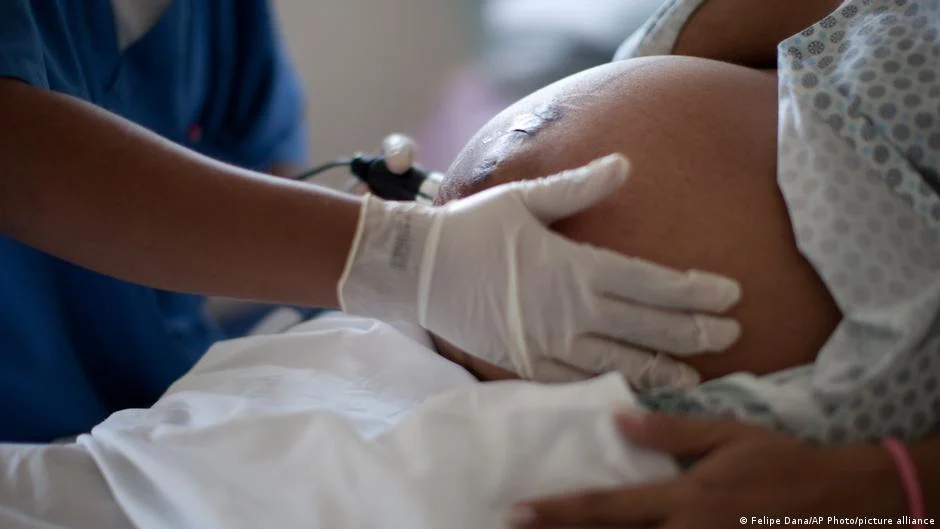
The phenomenon of birth tourism has shifted its center of gravity toward South America, specifically Brazil, as Russian families increasingly look for ways to secure global mobility for their children amidst a changing geopolitical landscape. Following the 2022 full-scale invasion of Ukraine, the resulting international sanctions, and the tightening of visa policies by European nations, many Russian citizens have sought refuge or long-term solutions in Brazil. By giving birth on Brazilian soil, these families grant their children automatic citizenship, a status that opens doors to visa-free travel and provides a potential hedge against the instability of their home country.
For Yulia and Dmitri, a couple who traveled from Moscow to the coastal city of Santos this past summer, the decision was a calculated long-term investment. Yulia, who was 32 weeks pregnant at the time of her departure, navigated the complexities of international travel with a singular goal: to secure a Brazilian birth certificate for her daughter. "Of course, we didn’t say that I was pregnant at border control," Yulia told reporters, highlighting the clandestine nature that often surrounds these journeys. Their daughter was born in a private clinic, and the family is now navigating the labyrinthine bureaucracy required to formalize her status as a Brazilian national.
The Strategic Value of a Brazilian Passport
The primary motivation for this trend is the significant geopolitical utility of the Brazilian passport. With the Russian passport facing increasing scrutiny and travel restrictions—particularly in the Schengen Area—parents are looking for alternatives. "We’ve achieved our minimum goal," Dmitri explained. "With a Brazilian passport, our daughter will be able to travel without a visa to almost any country in the world. She won’t have to apply for an expensive and time-consuming Schengen visa. We want her to be able to decide for herself where she studies, works, or lives."
This sentiment is shared by an growing community of Russian expatriates. For many, the choice of Brazil is a practical response to the closure of Western borders. Unlike the United States, where the "birth tourism" industry has faced severe crackdowns and increased scrutiny from immigration authorities, Brazil maintains a more permissive legal framework regarding birthright citizenship. Under the Brazilian Constitution, any child born within the country’s territory is granted citizenship regardless of the parents’ nationality or immigration status.
A Shifting Regional Landscape: From Argentina to Brazil
The migration of birth tourism to Brazil is, in part, a secondary effect of policy changes in neighboring countries. Argentina, which was previously a primary destination for Russian families, began to aggressively tighten its entry and residency requirements. In late 2024 and early 2025, Argentine authorities introduced measures requiring individuals to demonstrate at least two years of residency before being eligible for citizenship, and limited access to free public healthcare for non-residents.
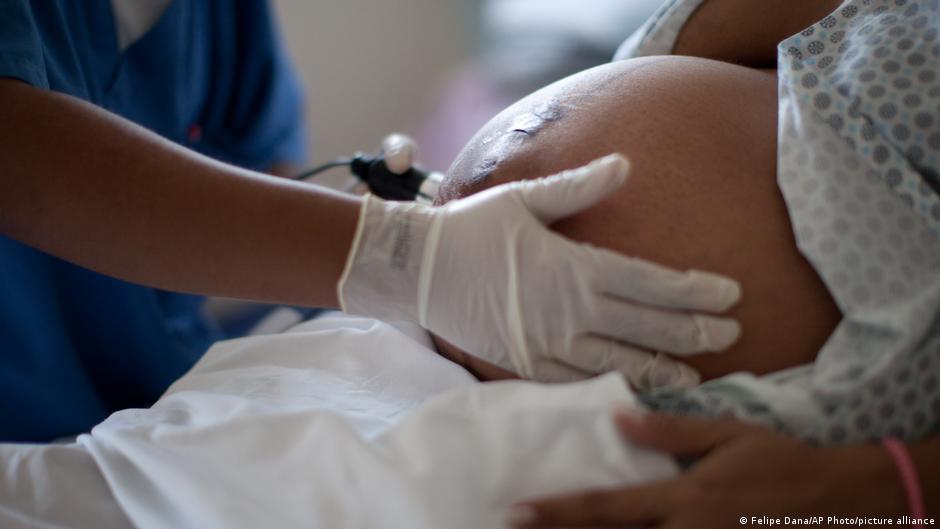
The statistical impact of these policy shifts is stark. According to data from the Russian outlet RBC, over 7,000 Russians applied for residency in Argentina in 2023. By mid-2025, that number had plummeted to roughly 1,800. As Argentina’s door closed, Brazil’s became the logical successor. In 2024, nearly 500 Brazilian passports were issued to Russian citizens; by the end of 2025, that figure had risen to over 600, with women accounting for more than half of the new citizens.
The Socio-Economic Ecosystem of Birth Tourism
The influx of expectant parents has given rise to a specialized, and often lucrative, service industry. In cities like Florianopolis, which has emerged as a hub for the Russian community, a network of intermediaries, lawyers, and consultants has formed to facilitate the process. These services range from basic logistical support, such as finding furnished apartments and navigating prenatal healthcare, to complex legal assistance with filing for residency permits.
For the families, the costs are substantial. Yulia and Dmitri reported spending approximately €10,000 (roughly $11,500) within their first six weeks in Brazil. This figure included not only standard prenatal and delivery costs but also emergency medical care when their newborn required time in an intensive care unit. For those who choose to stay, the investment extends to the cost of living and the potential loss of income, as seen with Dmitri, who quit his banking job in Moscow to facilitate the move.
The integration of these families varies. Some, like Yana, who relocated to Florianopolis in 2023, view the move as a way to embrace a nomadic lifestyle. "I always wanted a second passport and to give birth to my child in another country," Yana noted. "When I became pregnant unexpectedly, all we had to do was decide which country made sense." After living in Brazil for three years and gaining proficiency in Portuguese, Yana and her family have moved on, yet they maintain a connection to their son’s birthplace through language and culture, viewing the citizenship as a foundation for a life without borders.
Regulatory Oversight and Institutional Responses
Despite the growth of this trend, the Brazilian government has not implemented a blanket ban on the entry of pregnant foreign nationals. Official sources emphasize that border control decisions are made on a case-by-case basis, focusing on the individual’s ability to finance their stay and the legitimacy of their travel intent.
There has been confusion regarding the treatment of these travelers. Rumors circulated in July via the Telegram channel Baza regarding the "deportation" of 10 pregnant women from Brazil; however, Brazilian police refuted these claims, clarifying that pregnancy itself is not a factor for denial of entry. The only documented case of an entry refusal involved a woman whose financial documentation was deemed insufficient by border authorities—a standard procedure for any foreign visitor, regardless of pregnancy status.

Nevertheless, legal experts and local observers note that administrative oversight is intensifying. In areas with high concentrations of Russian arrivals, such as Florianopolis, authorities have begun conducting more rigorous checks, particularly concerning residential addresses. This is largely a response to past instances where individuals provided false information to expedite residency applications. "The police are conducting more thorough checks to verify whether people actually live at the addresses they provide," one legal expert observed.
Future Implications and Global Perspectives
The rise of Russian birth tourism in Brazil reflects a broader global trend where the acquisition of a "second passport" is increasingly viewed as a form of insurance against political and economic instability. For the Brazilian state, the long-term demographic impact remains to be seen. While these families contribute to the local economy through their expenditures on private healthcare and housing, the influx also places pressure on public services, leading to the aforementioned tightening of access to free healthcare for non-residents.
From a geopolitical standpoint, the situation underscores the widening gap in mobility between those who hold "strong" passports and those who do not. As Russia remains under heavy sanctions and the EU continues to restrict multiple-entry visas, the demand for legal, third-country pathways to global mobility will likely persist.
As of late 2025, the community in Florianopolis continues to expand, with local health authorities reporting that 119 Russian women accessed prenatal care in the first six months of the year, tracking closely with the 136 who sought care throughout all of 2025. This suggests that while the "easy" phase of this migration may be passing due to stricter document verification, the fundamental desire for citizenship remains a powerful driver. For these families, the birth of a child in Brazil is not merely a medical event; it is a strategic maneuver designed to secure a future of freedom and opportunity in a world that feels increasingly fragmented.

