
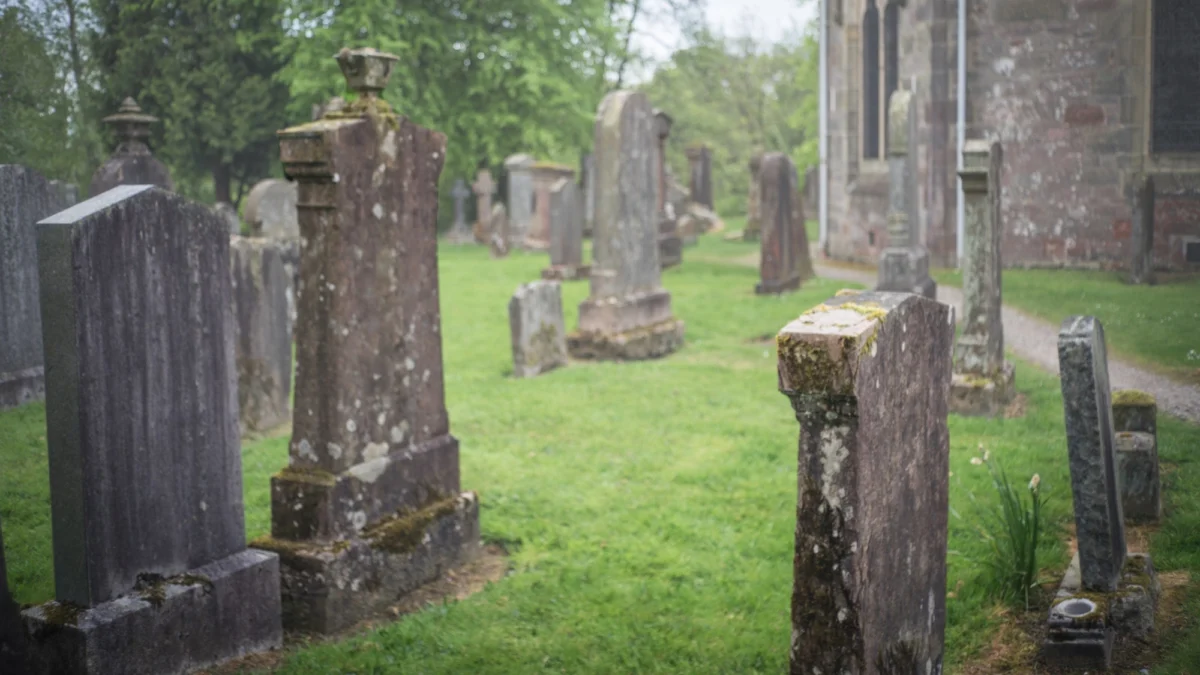
The global funeral industry is currently undergoing a significant paradigm shift as environmental awareness intersects with traditional mortuary practices. For decades, the standard approach to death in the United States and many Western nations—characterized by embalming, steel-reinforced concrete vaults, and hardwood caskets—has remained largely unchallenged. However, recent data from organizations like the Green Burial Council and independent lifecycle assessments are forcing a reevaluation of these practices, revealing that the "final act" of a human life carries a substantial, and often overlooked, carbon footprint.
The Ecological Toll of Traditional Burial
Conventional burial is a resource-intensive process. The standard American funeral involves the use of toxic embalming fluids—typically a mixture of formaldehyde, glutaraldehyde, and methanol—designed to preserve the body temporarily for public viewing. While these chemicals serve a social purpose, they pose significant risks to cemetery workers and groundwater quality if containment systems fail.
Beyond chemicals, the physical infrastructure of a modern cemetery is inherently unsustainable. A typical burial requires a casket, often made of exotic hardwoods or metals, and a concrete burial vault or grave liner, which is used to prevent the ground from settling. The manufacturing, mining, and transportation of these materials contribute heavily to industrial carbon emissions. Once placed in the ground, these materials are effectively non-biodegradable, creating a permanent environmental footprint that precludes the natural return of organic matter to the soil.
The Hidden Costs of Cremation
For many, cremation has long been viewed as the more sustainable alternative, often chosen for its lower price point and logistical simplicity. Statistics from the Cremation Association of North America show a steady increase in cremation rates, which have risen from roughly 25 percent in 1999 to over 60 percent today. Despite its popularity, cremation is not the carbon-neutral option many consumers believe it to be.
The process of flame-based cremation requires temperatures between 1,400 and 1,900 degrees Fahrenheit, necessitating a significant consumption of natural gas. A single cremation releases an estimated 500 to 600 pounds of carbon dioxide into the atmosphere. Furthermore, the combustion process vaporizes dental amalgams, which contain mercury. Studies have indicated that crematoria are a non-trivial source of mercury emissions, accounting for approximately 14 percent of the mercury entering U.S. waterways through atmospheric deposition. In regions where open-air pyres remain traditional, such as parts of India, the reliance on massive quantities of timber further exacerbates the environmental impact through deforestation and particulate matter pollution.
The Rise of Natural Burial and Emerging Alternatives
In response to these findings, the "Green Burial" movement has gained momentum, advocating for the return of the human body to the earth without chemical or physical barriers. Natural burial, as practiced at sites like the Ramsey Creek Preserve in North Carolina, prohibits embalming, metal caskets, and concrete vaults. Instead, the body is placed in a biodegradable shroud or a simple, unfinished wooden box. This method allows for natural decomposition, where microbes and soil organisms break down the remains, effectively turning a burial plot into a site of ecological restoration.
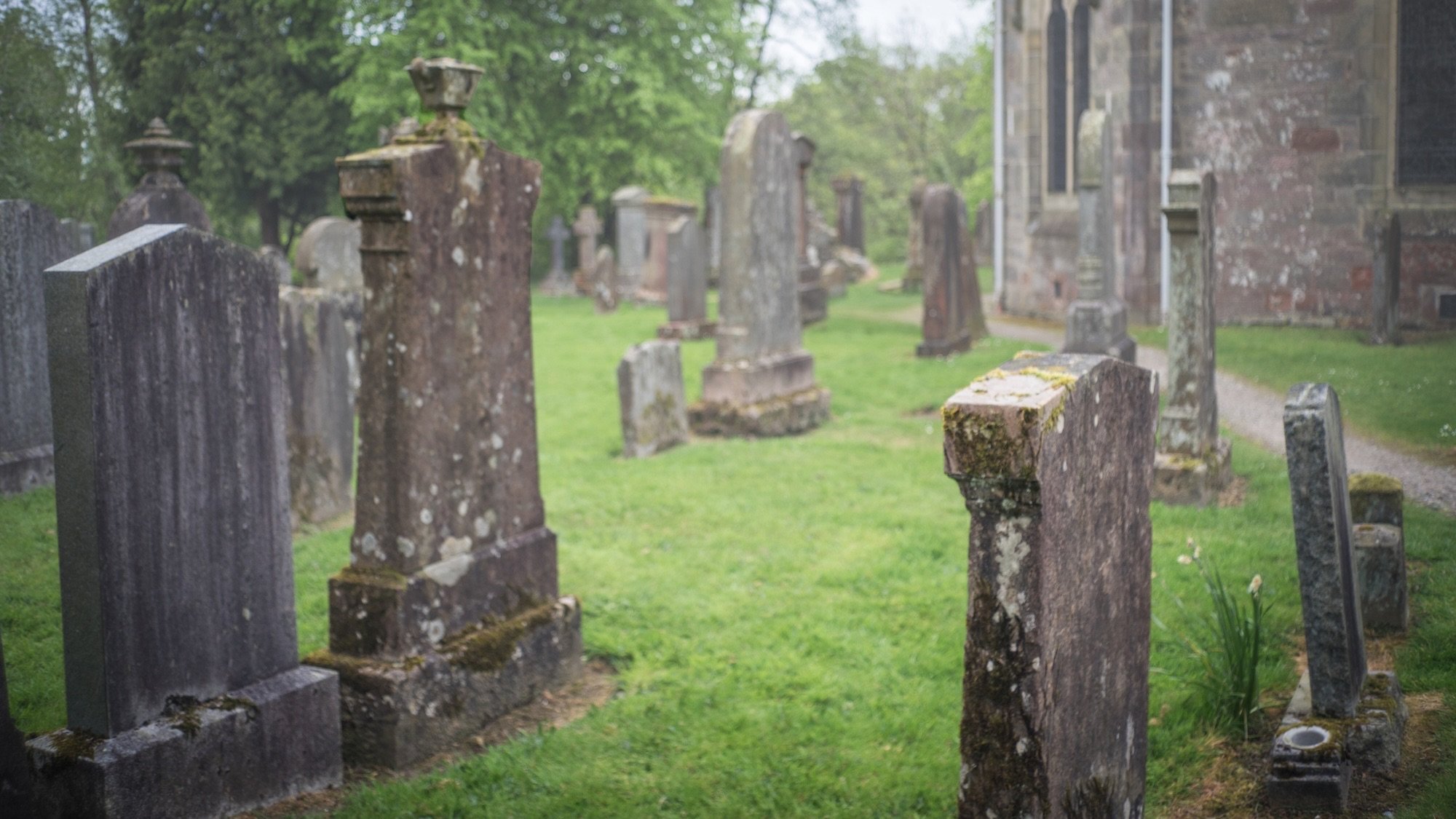
Lifecycle assessments conducted by researchers in 2017 and updated in subsequent years consistently demonstrate that natural burial has the lowest environmental impact of any modern funeral method. Because these sites often operate as conservation easements, the land is protected from future development, meaning the cemetery serves a dual purpose as a nature preserve.
Technological advancements have also introduced "aquamation" (alkaline hydrolysis) and "human composting" (natural organic reduction) to the marketplace. Aquamation utilizes a pressurized solution of water and lye to accelerate the natural decomposition process. While it consumes less energy than flame cremation, it generates large volumes of nutrient-rich wastewater that must be processed through municipal systems. Human composting, a process that converts remains into soil over a 60-day period, has also gained legal traction in several states. However, critics point out that the energy required to transport materials and the potential for long-distance logistics can offset some of the carbon savings, underscoring the need for a nuanced view of "green" death care.
A Chronology of Funeral Evolution
The history of burial in the United States is largely a product of 19th and 20th-century industrialization. During the Civil War, the necessity of transporting soldiers’ bodies back to their families led to the widespread adoption of embalming. Post-World War II, the rise of the funeral home industry established the "casket and vault" standard as the cultural norm, reinforced by marketing and professional lobbying.
It was not until the late 1990s that the first formal, modern green burial sites began to emerge, challenging the established norms. By the 2010s, academic interest in the carbon footprint of death care reached a tipping point, leading to lifecycle studies that provided the empirical evidence needed to shift public perception. Today, the industry is at a crossroads, with state legislatures increasingly debating the legalization of human composting and alkaline hydrolysis, signaling a potential shift in the legal and social landscape of the next two decades.
Implications for Future Policy and Consumer Choice
The shift toward sustainable death care is not merely a matter of individual preference; it carries significant implications for urban planning and environmental policy. As burial space becomes increasingly scarce in metropolitan areas, the model of "permanent" conventional burial is becoming economically and spatially unsustainable.
Public policy experts suggest that municipalities may soon need to incorporate "green burial" zones into their land-use planning to manage the growing demand for sustainable interment. Furthermore, the industry is facing pressure to adopt more transparent labeling for "eco-friendly" services. Just as the food industry faced a reckoning with the term "organic," the death care industry is being urged to standardize what constitutes a truly sustainable burial.
For the average consumer, the choice remains deeply personal, rooted in cultural, religious, and ethical beliefs. However, the evidence suggests that the most environmentally effective path is often the least complex. By eschewing the chemical and mechanical interventions of the 20th century in favor of simple, biological integration with the land, society can minimize the environmental burden of its final chapter. As the conversation continues to evolve, the emphasis is expected to remain on finding a balance between the emotional needs of the grieving and the ecological realities of a changing planet.

