
Jewish heirs and their representatives have initiated two landmark legal actions in California, marking a significant escalation in the decades-long struggle to recover cultural property seized by the Nazi regime during World War II. These lawsuits are the first to be filed following the enactment of rigorous new legislation in California and at the federal level, both of which were designed to lower the evidentiary barriers for families seeking the restitution of art stolen under duress between 1933 and 1945.
The litigation, filed in September 2026, places prominent institutions under intense scrutiny. In Los Angeles, the Jewish Federation of Greater Los Angeles, acting on behalf of the heirs of Dutch Jewish art dealer Jacques Goudstikker, has sued the Norton Simon Museum over two 16th-century masterpieces by Lucas Cranach the Elder. Simultaneously, in federal court, the descendants of Dinah Gottliebova Babbitt have launched a claim against the Auschwitz Memorial, seeking the return of watercolors created under extreme duress during the Holocaust.
The Legislative Landscape and the Path to Litigation
The legal foundation for these claims rests on Assembly Bill 2867, signed into law by Governor Gavin Newsom in 2024. This legislation was a direct legislative response to the ongoing legal battle surrounding Camille Pissarro’s "Rue St.-Honore, Apres-Midi, Effet de Pluie." The Pissarro painting, looted from the Cassirer family in 1939, has been the subject of a protracted dispute with the Thyssen-Bornemisza National Museum in Madrid. By clarifying the legal standing of California residents and heirs in restitution cases, the state has effectively created a new, more accessible path for claimants who previously found their efforts stalled by statute of limitations or jurisdictional challenges.
The broader context of these lawsuits is the systematic pillaging of European cultural heritage. Between 1933 and 1945, the Nazi regime, through organizations such as the Einsatzstab Reichsleiter Rosenberg, orchestrated the theft of an estimated 600,000 artworks. This campaign of cultural cleansing was not merely an act of plunder; it was a deliberate attempt to erase the heritage of Jewish families and finance the Nazi war machine. In the decades since the war, these objects have permeated the global art market, often surfacing in public and private collections with "cleansed" provenances that mask their origins.
The Case Against the Norton Simon Museum
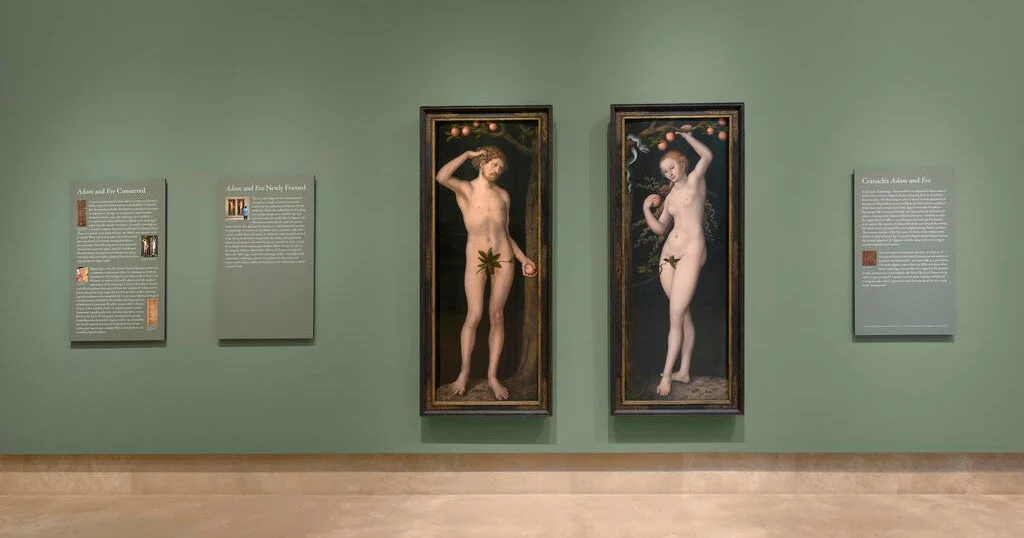
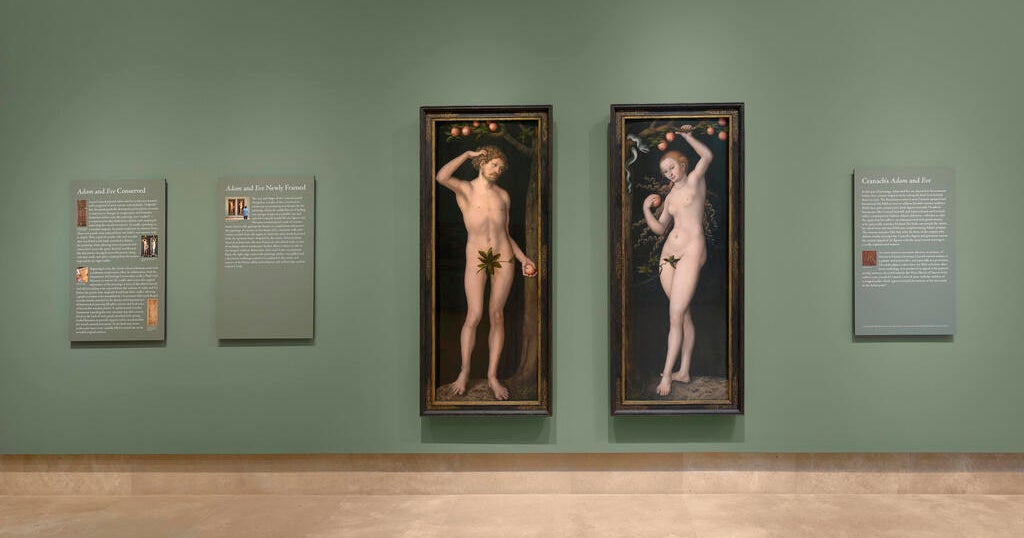
The dispute regarding the Norton Simon Museum centers on "Adam and Eve," two life-size oil-on-panel works by Lucas Cranach the Elder, dating to 1530. The paintings were originally part of the collection of Jacques Goudstikker, a prominent Dutch Jewish art dealer. Following the Nazi invasion of the Netherlands, the collection was seized by Hermann Göring, Adolf Hitler’s second-in-command. The paintings subsequently changed hands multiple times before their eventual acquisition by the Pasadena Museum of Modern Art in the 1960s—an institution that later merged to form the current Norton Simon Museum.
Rabbi Noah Farkas, president and CEO of the Jewish Federation of Los Angeles, has framed the legal action as a moral imperative. According to the Federation, the proceeds from the eventual resolution of this case will be directed toward supporting the approximately 2,500 Holocaust survivors currently residing in the Los Angeles metropolitan area. "These are beautiful European masterpieces stolen from a Jewish family to enrich the Nazi party," Farkas noted. "It is our honor to take on this role to help these elderly survivors live out their final years in dignity."
However, the Norton Simon Museum has maintained a firm stance, citing previous court rulings that affirmed their ownership. The museum points to a 2018 federal court decision that unanimously upheld the institution’s title to the works. Furthermore, the museum argues that the paintings were put up for sale by the Soviet Union in 1931—prior to the Nazi era—and that their provenance involves a complex, documented history of legitimate sales, including an acquisition from a descendant of the Stroganoff family.
The Auschwitz Controversy: Art as Evidence or Property?
The lawsuit filed by the daughters of Dinah Gottliebova Babbitt presents a distinct and highly emotive challenge. Babbitt, a California-based animator and Holocaust survivor, was a prisoner at Auschwitz who was forced by the Nazi physician Josef Mengele to create watercolors documenting the physical features of Roma and Sinti prisoners. Mengele, notorious for his gruesome medical experiments, utilized these portraits as part of his "racial research."
The Auschwitz Memorial has reacted with profound resistance to the claim. Pawel Sawicki, a spokesperson for the Memorial, argued that these works occupy a unique status in the historical record. "These paintings must not be mischaracterized as Nazi-looted art," Sawicki stated. "Babbitt painted them under duress as a prisoner, and they serve as vital, irreplaceable documentation of Mengele’s criminal activities." The Memorial contends that removing these documents from the site of the atrocities would constitute an "irreparable loss" to the historical memory of the victims and the documentation of the camp’s history.
Historical Chronology of Nazi-Looted Art Restitution
- 1933–1945: The Nazi regime systematically seizes over 600,000 works of art from Jewish families, museums, and collectors across Europe.
- 1945–1950s: The Allied "Monuments Men" oversee the recovery and repatriation of thousands of works, but a significant portion of looted art remains in the hands of private collectors and institutions.
- 1998: The Washington Conference Principles on Nazi-Confiscated Art are established, creating a non-binding international framework for identifying and returning looted art.
- 2018: A U.S. federal court rules in favor of the Norton Simon Museum, affirming their legal title to the Cranach paintings.
- 2024: California Governor Gavin Newsom signs Assembly Bill 2867, strengthening the legal rights of heirs to pursue claims against museums and galleries for Nazi-looted art.
- September 2026: Two major lawsuits are filed in Los Angeles, testing the efficacy of the new legislative framework.
Implications for the Global Museum Community
The intersection of these two cases highlights the evolving nature of art provenance. Museums have historically relied on the argument that they provide a "safe haven" for historical artifacts and that their mission to educate the public outweighs individual claims of ownership. Conversely, the shifting legal environment, bolstered by recent state legislation, reflects a growing societal consensus that historical justice must take precedence over the preservation of assets acquired through systemic human rights violations.
Experts in provenance research suggest that these cases will force a reckoning among institutions that have previously avoided or dismissed restitution claims based on technical legal defenses like the statute of limitations. As transparency requirements become more stringent, institutions will likely face increased pressure to proactively research their collections rather than waiting for litigation to trigger investigations.
The outcome of these cases will likely set a precedent for future litigation. If the courts find in favor of the heirs, it could trigger a wave of similar lawsuits against institutions worldwide, effectively ending the "safe harbor" status that many museums have claimed for decades. If the museums succeed, it may signal that even with stronger legislation, the bar for overturning long-held titles remains exceptionally high, necessitating a more collaborative, diplomatic approach to restitution rather than purely adversarial litigation.
Ultimately, these lawsuits underscore that for the victims of the Holocaust and their descendants, art is not merely an aesthetic or financial asset. It is a tangible link to a past that was stolen, and the struggle for its return is a fundamental component of the broader quest for acknowledgment and justice in the aftermath of the most significant systematic theft in human history.

