
The Emmy Award-winning program CBS News Sunday Morning, hosted by Jane Pauley, returns this weekend with a diverse slate of reporting that delves into the intersection of modern technology, cultural history, and the evolving landscape of American society. As the program continues its long-standing tradition of Sunday morning journalism, the September 20, 2026, broadcast addresses pressing issues ranging from the psychological impact of digital sports wagering to the high-level governance of the Smithsonian Institution and the evolving political rhetoric of the Democratic Party.
The Growing Crisis of Online Sports Gambling
In the program’s cover story, correspondent Jim Axelrod explores the rapid proliferation of online sports betting, an industry that has fundamentally transformed the relationship between sports fans and financial risk. Since the 2018 Supreme Court ruling that allowed states to legalize sports betting beyond Nevada, the industry has seen an explosive surge in participation. Recent industry data indicates that legally wagered money on sports has reached an unprecedented $167 billion annually.
However, this financial boom has come at a significant social cost. Investigative reports, including those featured on this week’s program, suggest a direct correlation between the rise of state-legalized online betting platforms and financial instability among households. Data analysis reveals a troubling 25% increase in bankruptcies and credit card delinquencies in jurisdictions where online mobile wagering has been fully implemented. The segment examines the design mechanics of platforms such as FanDuel and DraftKings, which are currently facing a wave of litigation alleging that their interfaces are engineered to encourage compulsive behavior, often described by critics and recovering addicts as being as addictive as narcotics. The broadcast includes personal testimony from a gambler who has lost his entire annual income to these platforms, highlighting the human cost behind the multi-billion-dollar industry.
Cultural Preservation: The Lucas Museum of Narrative Art
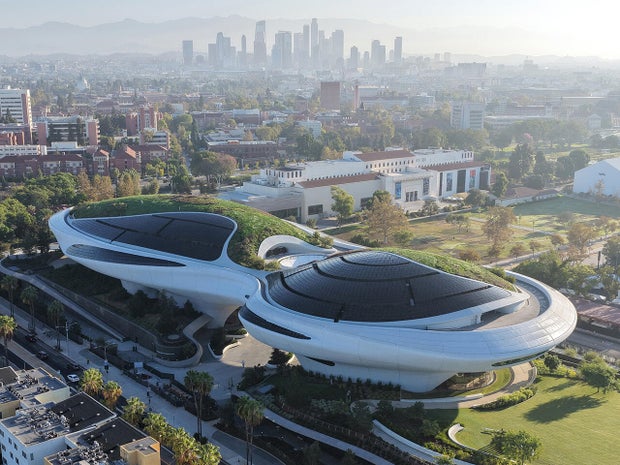
Shifting from the digital world to the physical, the program highlights the opening of the Lucas Museum of Narrative Art in Los Angeles. Situated in Exposition Park, the 300,000-square-foot facility, designed by architect Ma Yansong, represents a monumental effort by filmmaker George Lucas and his wife, businesswoman Mellody Hobson, to codify the significance of visual storytelling.
The museum is billed as the first of its kind dedicated to the "universal human tradition of visual storytelling." Its collections span a wide spectrum, including high-end motion picture design, comic book art, illustration, and fantasy narrative works that have defined global culture for the last century. Correspondent Norah O’Donnell interviews the founders about their vision for a space that bridges the gap between high art and popular culture, emphasizing how the myths depicted in these mediums shape our shared human experience and collective consciousness.
The Artificial Intelligence Frontier with Jensen Huang
As global interest in artificial intelligence continues to dominate the tech sector, correspondent Jo Ling Kent speaks with Jensen Huang, the founder and CEO of Nvidia. As the primary architect behind the hardware powering the modern AI revolution, Huang has been identified by publications such as The Atlantic as arguably the most influential figure in the industry.
The discussion, filmed at Nvidia’s headquarters in Santa Clara, California, covers the rapid trajectory of AI development and the mounting tension between technological advancement and regulatory oversight. As governments around the world struggle to create frameworks for AI safety, Huang addresses the responsibilities of industry leaders in ensuring that the rapid deployment of these tools does not come at the expense of societal security or ethical standards.
Politics and the Democratic Messaging Strategy
In the political arena, CBS News national correspondent Robert Costa sits down with Kentucky Governor Andy Beshear. As a two-term executive in a state historically categorized as "deep red," Beshear has emerged as a unique voice within the Democratic Party. His advice to his colleagues is to prioritize authenticity, urging them to speak in "normal" language and to embrace both progressive policy goals and personal religious faith without reservation.

Beshear’s new book, "Go and Do Likewise: How We Heal a Broken Country," serves as a roadmap for how the Democratic Party might broaden its appeal. His central argument is that the party must shift its focus toward winning hearts through tangible, empathetic connection rather than relying solely on ideological jargon. The interview offers a rare, data-driven look at how a Democrat can navigate the current polarized landscape of American politics and achieve electoral success in conservative strongholds.
Historical Stewardship: The Retirement of Lonnie Bunch
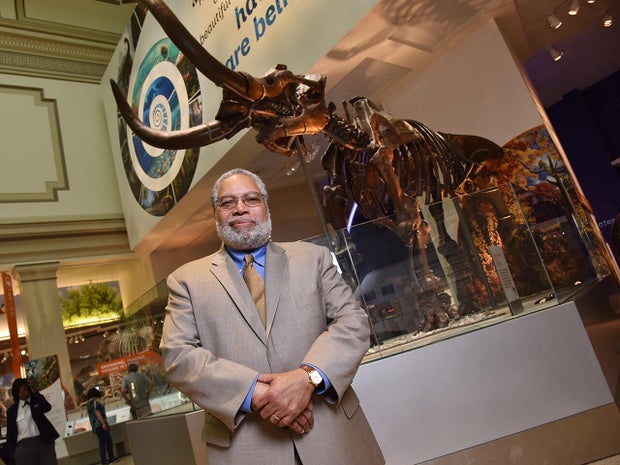
The program also profiles Lonnie Bunch III, the 14th Secretary of the Smithsonian Institution, who has announced his retirement at age 73. Since 2019, Bunch has served as the first historian and the first African American to lead the world’s largest museum and research complex.
In a candid conversation with Mo Rocca, Bunch reflects on the inherent pressures of overseeing an institution that serves as the nation’s attic. He discusses the challenges of his tenure, including navigating political headwinds from the Trump White House, which at times questioned the patriotism and intent of the Smithsonian’s staff. Bunch maintains that the institution’s primary mandate remains the protection of history—even the difficult parts—to ensure that the American public receives a comprehensive and accurate picture of its own past.
Literary and Artistic Passages
The broadcast features several segments dedicated to the arts and historical reflection. Among them is a profile on the late Bob Mackie, the iconic costume designer who died on September 14, 2026, at age 87. An archive look-back highlights his legendary career dressing stars such as Cher, Carol Burnett, and Barbra Streisand.
Additionally, the show covers the release of "Swan Song: Diana, My Sister," a new memoir by Charles Spencer. In his first interview regarding the book, Spencer speaks with correspondent Mark Phillips about the aftermath of Princess Diana’s death. He offers striking claims regarding the royal family’s reaction, suggesting that a more compassionate handling of Prince Harry’s grief during his formative years might have altered the trajectory of the prince’s life.
The episode also highlights a unique public arts project by St. Ann’s Warehouse, which recently brought a "herd" of 40 life-size buffalo puppets to the streets of Lower Manhattan and Brooklyn, showcasing the intersection of performance art and urban space.

Expanding the Reach: Live Events
Looking toward the future, CBS News announced that the "Sunday Morning" franchise is launching a new series of live events at the 92nd Street Y in New York City. Beginning September 28, the program will host a series of stage conversations with major figures in politics, culture, and the arts. The debut event will feature actor Sylvester Stallone, marking a strategic expansion of the show’s brand into live, interactive public engagement.
Conclusion and Broadcast Information
The September 20, 2026, episode of CBS News Sunday Morning reflects a deliberate effort to synthesize the complexities of contemporary life. Whether through the lens of addiction to digital gambling, the preservation of cultural narratives at the Lucas Museum, or the political lessons offered by Governor Beshear, the program remains a touchstone for viewers seeking context in a fast-paced media environment.
The program continues to air every Sunday at 9:00 a.m. ET on CBS, with streaming options available via the CBS News app starting at 11:00 a.m. ET. Full episodes and segments remain accessible on-demand through Paramount+ and the CBS News digital platform, ensuring that the show’s legacy of thoughtful, long-form journalism remains available to a modern, digital-first audience. Through its blend of archival history, breaking news, and cultural inquiry, Sunday Morning maintains its position as an essential observer of the American experience.

