
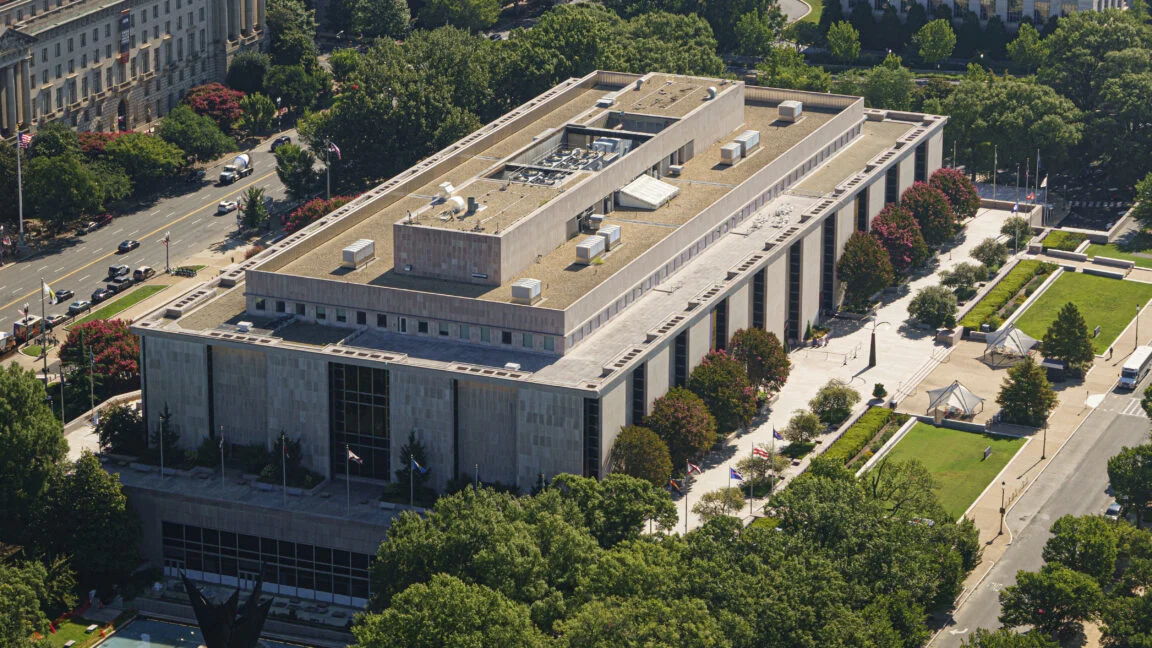
The Smithsonian Institution, globally renowned as the world’s largest museum and research complex, has found itself at the epicenter of a high-stakes political and ideological battleground. For decades, the independent federal establishment managed to navigate shifting political winds, maintaining bipartisan support as the trusted custodian of American history, innovation, and culture. However, a combination of post-2020 institutional changes, intensifying polarization, and aggressive scrutiny from the second Trump administration has fundamentally fractured that consensus. Today, the future of the Smithsonian—and the fundamental question of how the United States chooses to narrate its own history—hangs in the balance.
The escalating pressure campaign reached a milestone when Lonnie Bunch, the first African American secretary of the Smithsonian and a revered figure in the museum community, announced his resignation at age 73, citing mounting stress. Bunch’s departure underscored a period of unprecedented turmoil characterized by executive orders, scathing congressional hearings, threats of severe budget cuts, and open warfare over the ideological direction of the nation’s premier historical narrative.
The Spark Points: Exhibits and Ideological Capture
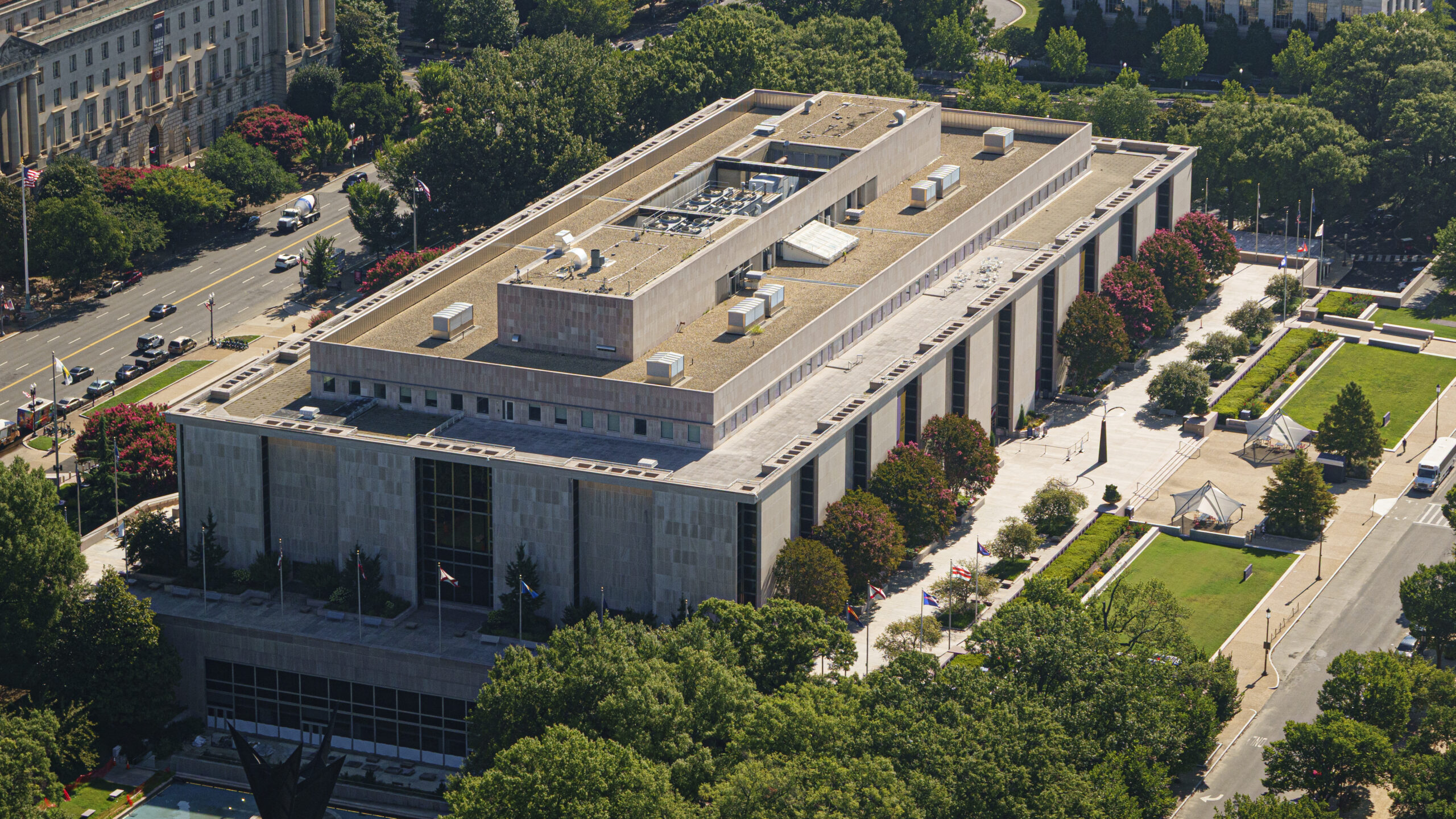
The primary target of the administration’s ire has been the Smithsonian’s National Museum of American History. Over the past several years, curators at the museum have increasingly sought to incorporate complex, multifaceted social histories into their permanent and temporary exhibitions, a shift that critics argue crosses the line from objective education into partisan activism.
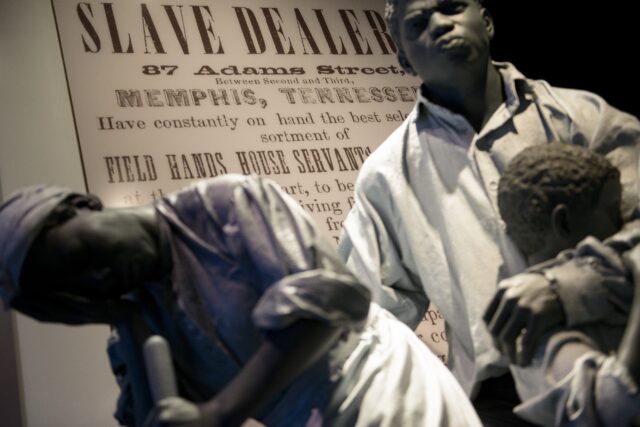
A focal point of the White House’s critique—detailed extensively in a 162-page report released in July—was a November 2021 exhibit titled “The Electric Dr. Franklin.” While celebrating Benjamin Franklin’s pioneering contributions to electrical science, the exhibit also highlighted that the Founding Father had enslaved people in his household prior to becoming an abolitionist. It offered the conjecture that Franklin may have subjected enslaved individuals to potentially painful electrical shocks during his experiments, noting that while he experimented on family and friends, the specific identities of his assistants are largely lost to history.
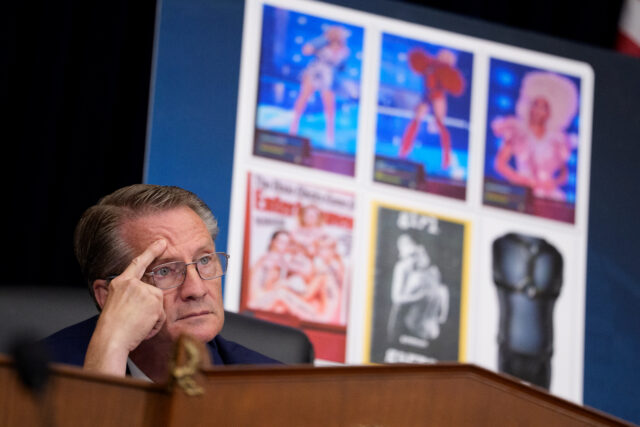
Other exhibition choices singled out in the White House report included a display in the "Girlhood (It’s Complicated)" exhibit featuring the diary entries of a six-year-old girl expressing anxiety about her physical development, and an exhibit on LGBTQ+ history that included a chrome and rubber sadomasochistic crotch harness. Additionally, the administration criticized the institution’s internal reliance on specialized diversity toolkits, such as the "Museums as a Site for Social Action Toolkit," which critics argue frames standard institutional practices through a framework of structural oppression and systemic bias.
Chronology of a Mounting Conflict
The friction between the Smithsonian and conservative policymakers is not entirely new, but the velocity of the conflict accelerated dramatically following Donald Trump’s return to the presidency.
- 1964–2002: The National Museum of History and Technology opens on the National Mall, eventually rebranding as the National Museum of American History in 1980. Throughout the decades, internal debates persist regarding whether the museum should prioritize technological artifacts or conceptual historical narratives. A 2002 blue-ribbon commission led by Richard Darman calls for a comprehensive "transformation" to achieve greater organizational coherence and balance.
- Spring 2020: The COVID-19 pandemic forces the closure of Smithsonian facilities. Following the murder of George Floyd in Minneapolis later that year, the institution undergoes a significant cultural and administrative reckoning, prioritizing diversity, equity, accessibility, and inclusion (DEAI) initiatives under the leadership of newly appointed Secretary Lonnie Bunch.
- March 2025: President Donald Trump signs an executive order asserting that the Smithsonian has fallen victim to a "divisive, race-centered ideology," tasking Vice President J.D. Vance with spearheading corrective measures.
- May–July 2025: The administration pressures museum leadership, leading to the departure of National Portrait Gallery Director Kim Sajet. In July, timed with the nation’s 250th-anniversary milestone, the White House releases its comprehensive report accusing the museum of "ideological capture." House committees subsequently host contentious hearings featuring intense questioning of National Museum of American History Director Anthea Hartig.
- August–September 2025: Interior Secretary Doug Burgum sends a letter to the Smithsonian’s Board of Regents warning that other federal agencies can no longer support the institution under current leadership. On September 8, Secretary Lonnie Bunch announces his resignation.
Institutional Autonomy Versus Federal Dependence
Structurally, the Smithsonian Institution occupies a unique space in the American landscape. It is neither purely a federal agency nor a private foundation. Governed by a 17-member Board of Regents—which includes the chief justice of the Supreme Court as chancellor, the vice president, three members of the Senate, three members of the House of Representatives, and nine private citizens—the institution is designed to remain insulated from the immediate whims of partisan politics.
However, the Smithsonian’s financial reality creates a profound vulnerability. The institution relies on the federal government for approximately 62% of its operating budget, translating to more than $1 billion annually. This heavy reliance leaves it exposed to legislative pressure, threats of budget defunding, and oversight hearings.

During the July congressional hearings before the House Oversight Subcommittee and the House Administration Committee, Republican lawmakers aggressively questioned Director Anthea Hartig regarding the museum’s governance, staff training materials, and controversial artifact selections. Representative Tim Burchett of Tennessee and other committee members argued that the museum had abandoned its core educational mission in favor of promoting fringe cultural agendas. Conversely, Democratic lawmakers mounted a vigorous defense of Hartig and the institution, with some drawing sharp historical parallels between the administration’s tactics and historical authoritarian efforts to control cultural expression.
The Core Dilemma: Telling the National Story
At the heart of the controversy lies a fundamental disagreement over how American history should be framed and presented to the public. Proponents of the museum’s recent direction argue that modern historical scholarship requires intellectual rigor, incorporating the darker chapters of the nation’s past—such as the legacy of slavery, the displacement of Indigenous populations, and systemic inequalities—alongside its triumphs. They maintain that visitors are intellectually equipped to handle historical complexity without diminishing their appreciation of the nation’s foundational achievements.
Critics, including conservative policymakers and former members of the Board of Regents like former Representative Garret Graves, contend that the pendulum has swung too far toward critique and grievance. They argue that an institution tasked with celebrating America’s 250th anniversary should project a unifying, inspirational narrative that honors the nation’s exceptional contributions to global freedom and innovation, rather than fostering division or focusing disproportionately on historical faults.
Broader Implications and Future Outlook
The political battle over the Smithsonian carries significant implications for federal cultural institutions nationwide. As vacancies on the Board of Regents mount—with multiple citizen slots currently open or soon expiring—the remaining board members, including Vice President Vance, will wield decisive influence in selecting a successor to Lonnie Bunch.
The path forward will test the resilience of America’s civic infrastructure. Observers note that while large cultural institutions must continually adapt to evolving historical scholarship and public expectations, navigating these transitions under the threat of partisan coercion threatens the long-term credibility and stability of the nation’s most treasured historical archives. Whether the Smithsonian can successfully recalibrate its approach to satisfy diverse stakeholders while preserving scholarly independence remains one of the defining cultural questions of the decade.

